Groomsmen Tie Ideas for a Coordinated Wedding Party Look


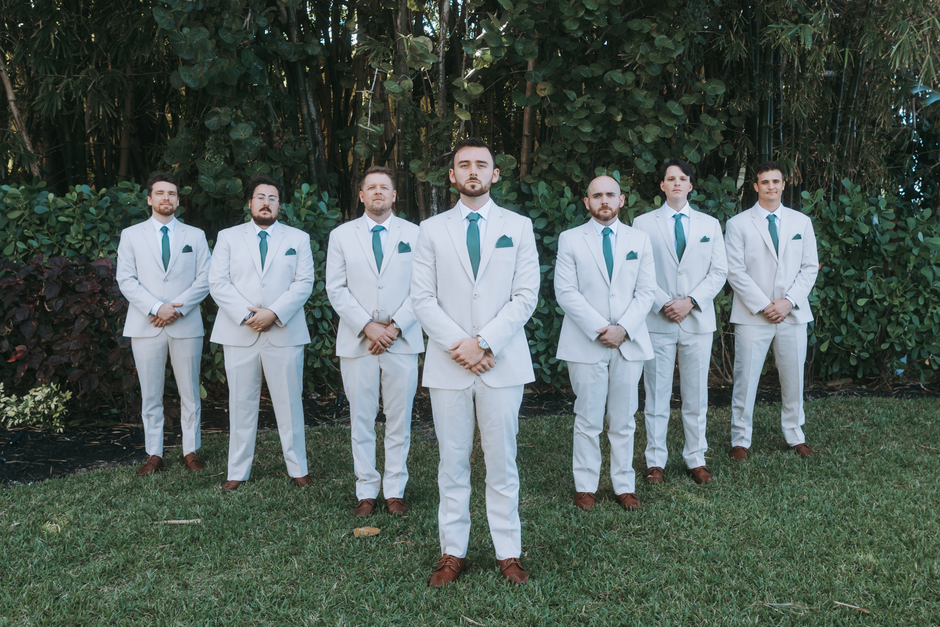
Groomsmen tie ideas rarely get the attention that suits, flowers, or invitations do, but ties are one of the few details that show up in nearly every wedding party photo, from the getting-ready shots to the ceremony line-up to the reception toasts. A tie that clashes with the rest of the lineup, or one that looks slightly off in color from the others, is the kind of small mismatch that becomes obvious the moment photos are printed or posted, even if nobody notices it in person on the day itself.
This guide walks through how to choose tie colors that work with a wedding palette, the difference between buying a matching set versus coordinating individually, and where accessories like pocket squares, tie clips, and bow ties fit into the overall look. It also covers the practical side: what a full groomsmen tie order typically costs, how far in advance to buy, and which finishing touches are worth the extra few dollars per person.
Whether the goal is a uniform look where every groomsman wears the exact same tie or a coordinated-but-varied approach where each person wears a different pattern in the same color family, the ties in this guide are organized so you can shop by style rather than scrolling through hundreds of unrelated listings.
How to Choose Tie Colors for Your Wedding Palette
The easiest way to pick a tie color is to start from whatever color is already locked in elsewhere, usually the bridesmaid dresses or the linens, and work backward. A tie doesn't need to match those colors exactly; it needs to sit in the same family without competing for attention in photos. Sage green bridesmaid dresses pair well with a deeper hunter or olive tie rather than an identical sage, since two identical shades of the same light color can wash each other out in wide shots.
Suit color also narrows the options faster than most people expect. Navy and charcoal suits work with almost any tie color, which is part of why they're the default choice for so many weddings. Lighter suits — tan, light gray, or seersucker — show tie color more dramatically and tend to look best with either a strong contrast (navy or burgundy against a tan suit) or a tonal match within the same warm or cool family.
If the wedding has a defined season, let it guide the fabric as much as the color. Cotton and linen ties in lighter, textured weaves read as warm-weather appropriate even in a saturated color, while silk and satin finishes tend to look more formal and work better for fall and winter dates. Getting the color right but the fabric wrong is a subtler mismatch, but it still shows up in close-up photos where texture is visible.
Matching Necktie Sets for a Coordinated Line-Up
For weddings where every groomsman wears the identical tie, buying one multi-pack set is faster and cheaper per person than ordering individual ties from different retailers, and it guarantees the color and fabric match exactly instead of varying slightly by dye lot. This matters more than it sounds — two "navy" ties from different manufacturers can read as noticeably different shades of blue side by side in a photo.
A 12-piece set of skinny floral neckties with matching pocket squares covers a full wedding party plus a few spares in one order, at a per-person cost well under what six or eight individually purchased ties would run. Because the pocket square is already included and pre-matched to the tie, it also removes one extra coordination decision from the list.
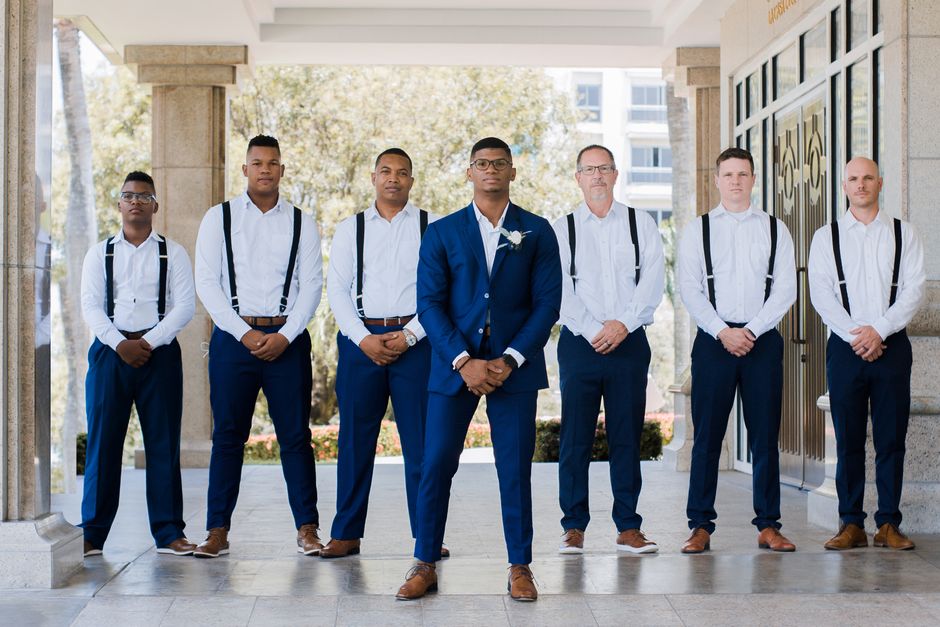
The trade-off with a bulk matching set is less individuality — every groomsman looks identical rather than coordinated-but-varied. For wedding parties that want subtle personality within a shared color story, ordering the same color in two or three complementary patterns (solid, subtle stripe, small print) from the same seller keeps the palette locked while avoiding a completely uniform look.
Pocket Squares That Complete the Look
A pocket square is the fastest upgrade to a groomsmen tie look, and it's often the piece that gets forgotten until the week of the wedding. Unlike the tie itself, a pocket square doesn't need to match in color exactly — a white or cream square works with virtually any tie color and suit combination, which makes it the safest default when groomsmen are sourcing suits from different rental shops or closets.
A six-pack of white cotton pocket squares sized for a standard fold covers a full wedding party for less than the cost of one pocket square from a department store, and white squares double as a practical backup for spills or smudges before photos. For a more coordinated look, patterned or colored squares that echo the tie without matching it exactly — a navy tie with a subtle burgundy-and-navy printed square, for example — read as intentional rather than an afterthought.
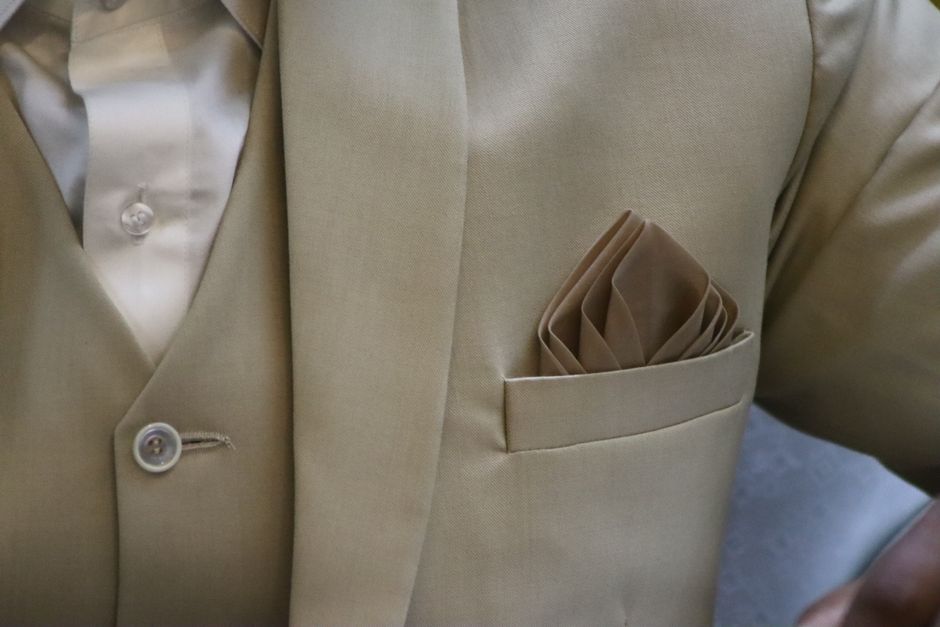
Fold style matters more than most grooms expect. A simple straight fold, sometimes called the "TV fold," looks clean and works for any formality level, while a puff fold reads slightly more casual. Either way, folding all the pocket squares the same way across the wedding party is a small detail that keeps the lineup looking consistent in photos where everyone stands close together.
Tie Clips and Bars: A Practical, Personalized Finishing Touch
A tie clip solves a real problem — a tie flapping loose during a first dance, a hug, or a windy outdoor ceremony — while also adding a small personalized detail that a plain necktie doesn't offer on its own. Clips sit two-thirds of the way down the tie, between the third and fourth shirt button, and should grip both the tie and the shirt placket without pinching too tightly.
A personalized copper tie clip set that can be engraved with initials or a wedding date works well as both a functional accessory and a small keepsake gift, since it's something groomsmen are likely to keep wearing well after the wedding ends. Ordering identical clips across the wedding party, with the groom's own clip in a slightly different finish, is a subtle way to set him apart in photos without breaking the shared look.
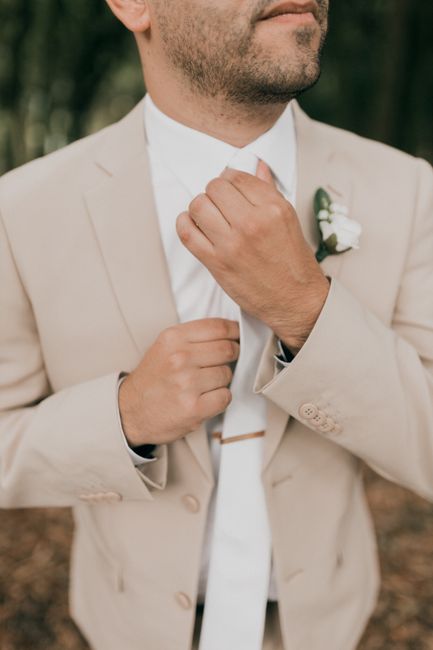
Build in at least two to three weeks of lead time for any tie clip that involves custom engraving, since turnaround varies by seller and a rushed order is the most common reason personalized accessories arrive later than planned. Ordering early also leaves room to fix a typo or swap a clip that doesn't match the tie color as well as expected once it arrives in person.
Bow Ties vs. Neckties: Choosing the Right Style
The choice between a bow tie and a traditional necktie comes down to formality and personal style more than any hard rule, but a few patterns hold up across most weddings. Bow ties tend to read as more formal or more playful depending on the rest of the outfit — paired with suspenders and a vest, they lean toward a classic, slightly vintage look, while paired with a slim modern suit they can look sharp and current. Neckties are the safer default for black-tie and traditional ceremonies, since they photograph well in nearly every formal setting without needing a specific supporting outfit.
A suspenders-and-bow-tie set gives a full wedding party the coordinated vintage look in one purchase, with the bow tie pre-tied and the suspenders adjustable enough to fit a range of body types without individual sizing. This combination works especially well for rustic, barn, or vineyard weddings, where the slightly more relaxed formality of suspenders fits the setting better than a full tie-and-jacket look.
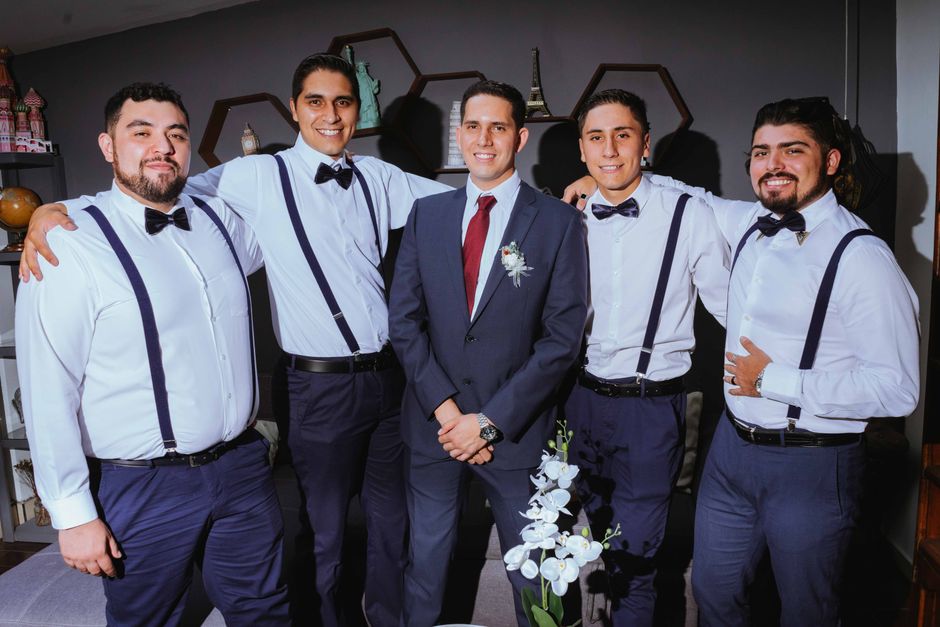
One practical note: pre-tied bow ties are almost always the better choice for a wedding party unless at least one person genuinely knows how to hand-tie one. A hand-tied bow tie that comes loose mid-reception is harder to fix without a mirror and some practice, while a pre-tied clip-on version stays put through dancing and stays consistent across every groomsman regardless of skill level.
Personalized Tie Clips as Standalone Gifts
Beyond the functional coordinated set, a personalized tie clip works well as its own standalone gift, separate from whatever tie the groomsmen end up wearing. This is useful for wedding parties where groomsmen are sourcing their own suits and ties independently, since a matching accessory still gives the group a shared, coordinated element without requiring everyone to buy the identical tie.
A natural wood veneer tie clip with custom engraving available in several wood finishes works as a gift that doesn't depend on matching a specific tie color, and the engraving option — initials, a date, or a short handwritten message — gives it more weight as a keepsake than a mass-produced clip. It's a good option for a groom who wants to give each groomsman something individually meaningful rather than identical.
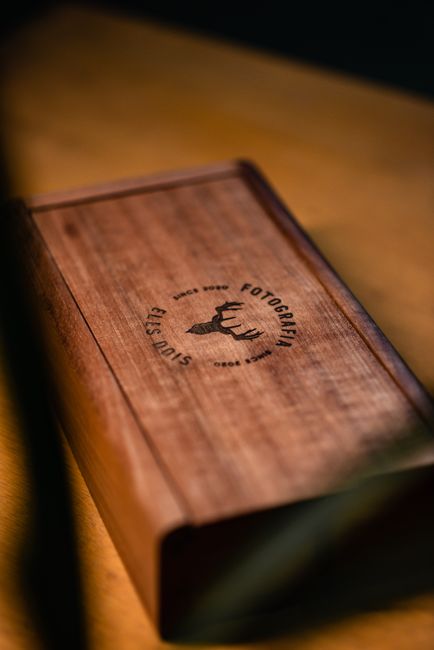
Giving a personalized tie clip as part of an early groomsmen proposal box rather than the morning of the wedding lets the gift register as a meaningful gesture instead of one more item handed out during a rushed getting-ready timeline. It also gives groomsmen months to wear it casually before the wedding, which tends to mean more, not less, when the actual day arrives.
Seasonal and Venue-Based Tie Ideas
Season and venue narrow tie choices faster than color preference alone. Spring and summer weddings, especially outdoor ones, tend to favor lighter fabrics — cotton, linen, or linen-blend ties in pastel or muted tones hold up better visually in bright daylight than heavy silk, which can look slightly out of place against a garden or beach backdrop. These lighter fabrics also breathe better, which matters for groomsmen standing outside for an hour-long ceremony in warm weather.
Fall and winter weddings shift naturally toward richer, more saturated colors — burgundy, deep green, navy, and charcoal — and heavier fabrics like silk, satin, or wool-blend ties that read as more formal under indoor lighting. A fall wedding with a rustic or barn venue often splits the difference, pairing a deeper seasonal color with a more casual fabric like cotton or knit rather than glossy silk.
Formal venues — ballrooms, historic estates, upscale hotels — generally call for classic necktie styles in solid colors or subtle patterns, while rustic or outdoor venues give more room for bow ties, patterned prints, or slightly less formal fabric choices. Matching the tie style to the venue's existing formality avoids the mismatch of an overly casual tie at a black-tie reception, or an overly stiff, formal tie at a relaxed backyard celebration.
Budget Tiers and Ordering Timeline
Groomsmen ties span a wide price range, and the difference between tiers is usually about fabric and construction rather than appearance alone. Under $10 per tie typically means polyester or a poly blend — fine for a single wear and often visually indistinguishable from pricier options in photos, but more prone to a slightly shiny or synthetic look up close. The $10–20 range covers most cotton and better polyester options, including the matching sets described earlier, and this tier is where most wedding parties land without noticing much of a quality trade-off.
Above $30 per tie usually means silk or a genuine silk blend, which drapes differently and photographs with a subtler sheen than synthetic fabric. This tier makes more sense for the groom's own tie, if it's meant to stand apart slightly from the rest of the party, than for a full set of six or eight identical ties, where the visual difference in photos is minimal relative to the added cost.
Order ties and accessories at least four to six weeks before the wedding date, especially if any piece involves custom engraving or a size range across the wedding party. This buffer allows time for an exchange if a color looks different in person than in photos — a common issue with ties ordered online — and leaves room for a full run-through with suits, shirts, and accessories together before the actual wedding day. For groomsmen still finalizing the rest of their outfits, coordinating tie choice with the broader grooms attire decisions early keeps the whole wedding party's look consistent rather than assembled piecemeal.
Groomsmen Tie Ideas FAQ
- Should every groomsman wear the exact same tie?
Not necessarily. An identical tie across the wedding party is the simplest way to guarantee a coordinated look, but many couples prefer a shared color family with slight variation in pattern, which still photographs as cohesive while giving each groomsman a bit more individuality.
- What tie color works if the groomsmen are wearing different suit colors?
Pick a tie color that reads as neutral against a range of suit tones, such as burgundy, navy, or a deep jewel tone, and confirm it against each specific suit color before ordering. A tie that looks great against charcoal can look slightly off against a warmer tan or brown suit.
- Do groomsmen need matching pocket squares too?
Not required, but a matching or complementary pocket square is one of the easiest upgrades to a groomsmen tie look. A white pocket square is the safest default since it works with almost any tie color without needing an exact match.
- How much should a full groomsmen tie order cost?
Budget $10–20 per person for a cotton or good-quality polyester tie, which covers most matching sets. Silk options for the groom's own tie typically run $30 and up, and tie clips or bow tie sets add another $5–15 per person depending on personalization.
- Can groomsmen wear bow ties with rented suits?
Yes, as long as the rental shirt has a collar style that works with a bow tie, which most standard dress shirts do. It's worth confirming with the rental shop ahead of time if the wedding party is mixing rented and personally owned pieces, so the collar styles match across the group.
- When should tie clips or personalized accessories be ordered?
At least two to three weeks before the wedding if any engraving is involved, and ideally as part of an early groomsmen proposal gift rather than a last-minute purchase, so there's time to fix a sizing or engraving issue before the wedding week arrives.