Flowers and decor


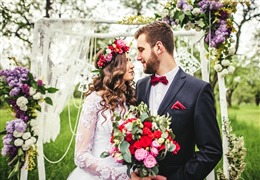
Wedding flowers are the only major vendor category where two florists can quote the exact same brief and come back with prices $4,000 apart. The reason is not that one is overcharging — it is that the underlying inputs (stem counts, flower varieties, foam-free mechanics, installation labor, and design complexity) are not standardized the way catering or photography packages are. Couples who treat floral quotes as apples-to-apples comparisons consistently feel surprised when the final bill arrives.
The 2026 floral market has gotten more transparent in some ways and more expensive in others. Average spend for a 150-guest wedding now sits around $4,500 to $7,000 for full design (bridal party, ceremony, reception centerpieces, basic installation), with luxury weddings routinely exceeding $15,000 once arches, hanging installations, and elevated centerpieces enter the picture. Knowing what drives those numbers up — and which choices give you the most visual impact for the dollar — is the work of the next 20 minutes.
Florists, like photographers, work in distinct aesthetic lanes. Garden-style florists use loose, organic shapes with seasonal blooms and lots of trailing greenery. Modern-minimalist florists favor architectural arrangements with strong negative space and a tight color palette. Traditional florists deliver classic, symmetrical designs in tested color combinations. Lush-romantic florists pile on the texture with big-headed flowers (peonies, garden roses, hydrangeas) and dramatic installations.
Before you contact a single florist, build a 12-to-15-image inspiration board with examples of arrangements you love. Look for repeated patterns: are most of your saves loose and garden-style, or are they tight and structured? That pattern is your style — and you should only contact florists whose recent portfolio shows the same sensibility. Hiring a structured-modern florist to replicate garden-style work, or vice versa, is the most common cause of design disappointment.
The best way to get useful quotes is to send every florist the same brief — a one-page document with the same line items in the same order. Without it, one florist will quote three centerpiece options and another will quote five, and you will spend hours trying to normalize the numbers.
Once quotes come back, do not just compare totals — compare the inputs. A quote that lists specific stem counts (e.g., "each centerpiece: 8 garden roses, 12 ranunculus, 6 stems eucalyptus") is far more accurate and trustworthy than one that just says "low centerpieces with seasonal blooms." The vague version often quotes low and revises up.
Pay attention to where labor is itemized. Reputable florists separate flower cost (the stems themselves), labor (design, processing, arranging), delivery and setup, installation crew, and post-event teardown. If your quote rolls all of this into one number, ask for the breakdown. Couples are often surprised that labor and installation can be 40 to 55 percent of the total — which is normal in 2026, but worth seeing on the page.
These are the questions experienced wedding planners always ask and inexperienced couples often skip.
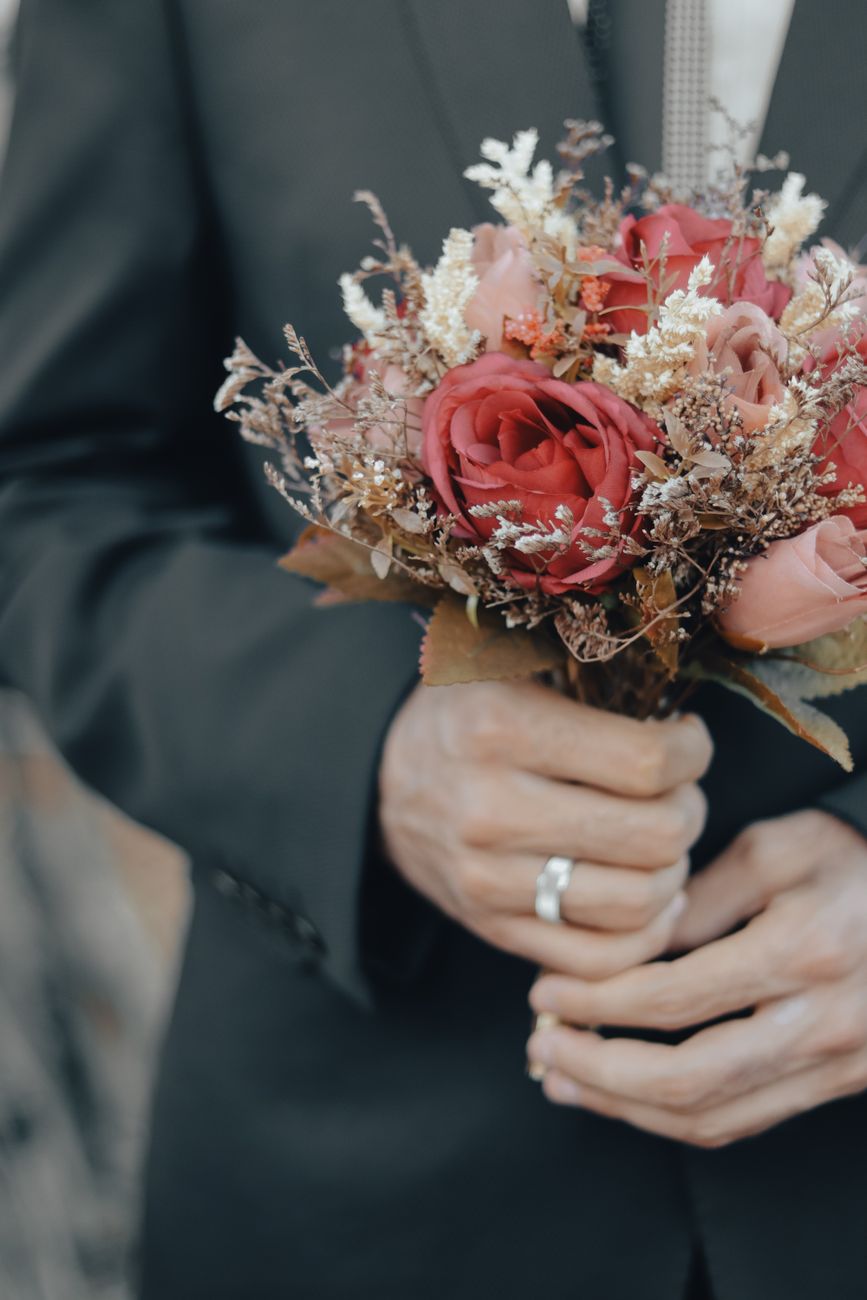
If you need to trim the floral budget, start with the elements guests interact with least: tall centerpieces (often beautiful in photos but blocking conversation), bar arrangements, and floral pieces in restrooms or hallways. The bridal bouquet, ceremony arch or backdrop, and head-table arrangement are the highest-impact pieces in photographs and the elements your guests encounter most directly. Protect those.
Greenery-heavy designs cost less than flower-heavy designs because greens are cheaper per stem and bulkier in the arrangement. Asking your florist to lean greenery-forward (eucalyptus, smilax, ivy, ferns) with focal flowers in just a few key pieces is the most reliable way to keep the budget in check without sacrificing visual impact.
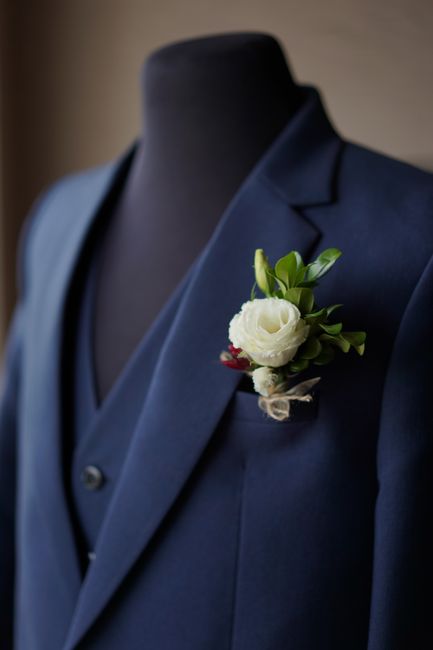
Two weeks before the wedding, your florist should send a final timeline that includes load-in time, pinning schedule for boutonnieres, ceremony installation, reception flip (if the same space is used for both), and teardown. Confirm every line. If anything has changed since the contract was signed — guest count, table count, any swapped pieces — make sure it is reflected in writing.
On the wedding day itself, the florist's installation window is often the tightest of any vendor's. Make sure the venue knows when the florist is arriving and that the spaces are clear and ready. A 30-minute delay in venue access can cascade into bouquets that arrive at the bridal suite with stems still wet, or a ceremony arch installed five minutes before guests are seated. Good planning here is the difference between a relaxed bride at the first look and a frantic one.