
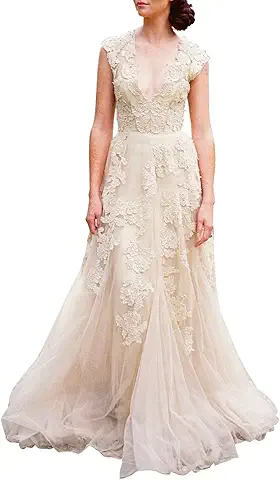
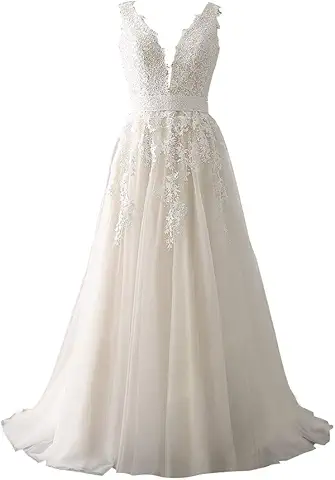
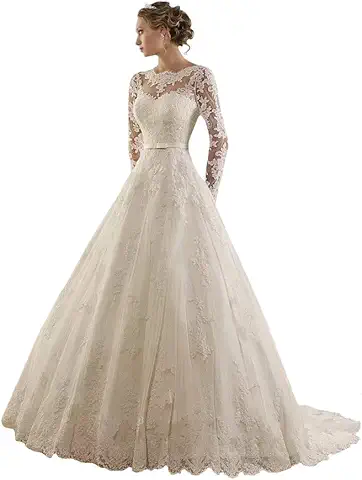

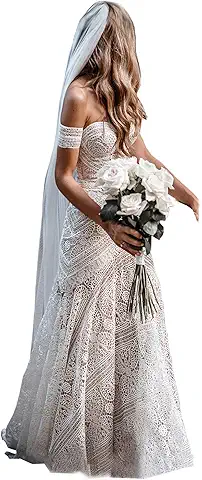





Style and attire


Wedding style is the visual language of the day — the combination of decor, attire, food, and atmosphere that makes a wedding feel coherent rather than like a collection of nice elements. Couples who pick a style early and commit to it produce weddings that feel designed; couples who chase trends piece by piece produce weddings that feel decorated. The difference shows up in the photographs and in how guests describe the wedding afterward.
Style is also what protects a wedding from looking dated. Trends come and go (mason jars, geometric metal arches, dried-grass installations); styles persist. A wedding rooted in a clear style — classic, modern, garden, romantic, bohemian, minimalist — will photograph beautifully a decade later. A wedding built around the trends of one specific year will look obviously of that year. The frameworks below help you pick a style early so the rest of your planning can flow from it.
Most weddings fit into one of six style families. Picking the family first is the foundation of every subsequent decision.
Three questions narrow the choice quickly:
The wrong style choice is the one that fights against either who you are or where you are getting married. The right style choice is the one that lets the venue look like its best self while also looking like your best self.
Once you have picked a style family, every subsequent planning decision becomes easier because the style provides a filter. Examples of how a single style family ripples across decisions:
Some couples want to combine two style families — a classic-romantic hybrid, a modern-minimalist blend, a garden-bohemian mix. These hybrids work when the two styles share underlying principles and conflict when they do not.
Hybrids that consistently work: classic + romantic (both formal, both lush), modern + minimalist (both restrained, both contemporary), garden + bohemian (both organic, both relaxed).
Hybrids that consistently struggle: classic + bohemian (formality conflicts), modern + romantic (minimal vs lush), minimalist + garden (restraint vs profusion). When two styles conflict, the wedding ends up feeling neither, which photographs as confused rather than designed.
Test your hybrid by asking: do these two styles share at least two underlying principles (formality level, color saturation, scale of decor)? If yes, the hybrid will work. If no, pick the dominant style and let the other show up only in small accent moments.
Once you have a style in mind, build a 15-image inspiration board that exclusively shows weddings in that style. Look for repeating patterns: similar color palettes, similar venue types, similar formality levels. Show the board to your florist, planner, and stationer in your first meetings — it serves as the single shared reference for every vendor decision.
Anytime you are tempted to add a new element that does not match the style (a trend you saw on social media, a vendor's pet idea, a family request), check it against the inspiration board. If the new element would look out of place in the same gallery as your reference images, the answer is no. This single discipline — checking new ideas against the style board — is the most reliable way to keep a wedding visually coherent across 12 months of decisions.
Six weeks before the wedding, set up a mock table with all your decor elements: linens, place setting, centerpiece, candles, place card, menu card. Photograph it from three angles. If the photo looks like it could appear in a styled magazine spread for your chosen style, you have the right style and the execution is on track. If the photo looks like a collection of attractive but unrelated elements, the style is not landing.
If the test fails, the most common fix is removing rather than adding — usually the decor is fighting itself with too many elements. Remove the most decorative item and re-test. Most wedding designs improve dramatically with one round of subtraction six weeks out.
On the wedding day, the style choice you locked in months ago should run on autopilot. The flowers will look like the flowers from your inspiration board. The linens will be the right color. The music will match the formality. The cake will look like the cake.
What couples often regret is second-guessing their style choice in the final days, adding last-minute elements that do not fit (a trendy detail seen on social media that week, a family member's late suggestion, a vendor's upsell). Resist these. The style decision was made for a reason; trust it. The brides and grooms who look back happiest at their weddings are the ones who picked a style early, committed to it, and let it carry the visual weight of the day.