Choosing the right vendors


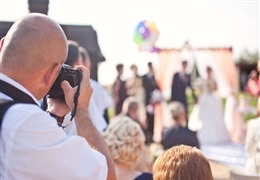
Wedding photojournalism is a documentary photography style applied to weddings. The photographer captures the day as it unfolds — candid moments, real emotions, unposed interactions — and minimizes intervention. Where a traditional wedding photographer might pose every important shot, a photojournalist waits for the moment and captures it without interrupting it. The result is a gallery that reads more like a memory than a styled production.
Photojournalism has become one of the most-requested wedding photography styles of the last decade, and for good reason: well-executed photojournalism produces galleries that age beautifully because they capture what was actually happening rather than what the photographer set up. But photojournalism is not the right style for every wedding or every couple. The framework below explains what it does well, what it sometimes misses, and how to decide whether it is the right choice for your specific wedding.
The strongest wedding photojournalism captures moments that a traditional photographer would miss entirely:
These moments are unstaged, unrepeatable, and often the ones that produce the most emotional response when the gallery arrives. A skilled photojournalist sees these moments coming and is in position to capture them, often without the subjects realizing they are being photographed.
The trade-off of pure photojournalism is that it can underdeliver on the structured shots most couples want. Specifically:
The fix is hiring a photographer who shoots photojournalism as their primary style but also delivers structured shots when needed. Most working wedding photographers in 2026 describe themselves as 'documentary with editorial elements' or 'photojournalistic with directed portraits' — a hybrid that captures the candid moments but does not skip the structured shots.
Photojournalism is the right primary style when the wedding has these characteristics:
Photojournalism also tends to produce galleries that age better than heavily styled photography. A documentary photo of a real moment from 2010 still looks like a beautiful real moment in 2026. A heavily styled portrait from 2010 often looks dated.
Photojournalism is the wrong primary style when:
In these cases, a more directed style — editorial, traditional, or fine-art — will produce a more satisfying gallery. None of these styles are worse than photojournalism; they just suit different priorities.
Many wedding photographers describe themselves as 'photojournalistic' regardless of how they actually shoot. Look at full galleries — not the highlight reel — to spot the difference between a real documentary photographer and one using the label.
Real photojournalism shows: candid expressions throughout the gallery, photos taken from non-obvious angles, unguarded moments during the reception, photos of people the couple may not even know were captured.
False photojournalism (i.e., directed photography labeled as documentary) shows: every photo composed from the front, the same expressions repeated across guests, an obvious visual gap between the candid sections and the staged-looking sections, every guest aware of the camera in every photo.
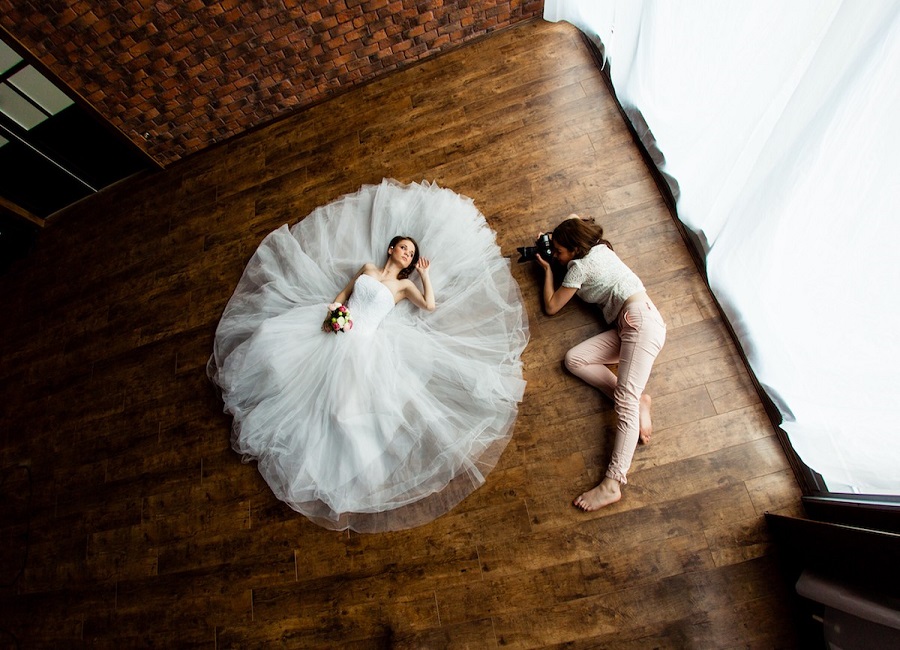
The most reliable way to distinguish them: look at how often the photographer shoots from behind people, from low angles, or from across a room. A real photojournalist constantly varies position; a directed photographer mostly shoots straight on.
When interviewing photographers in this style, ask:
Cost: experienced wedding photojournalists in major US markets in 2026 charge $4,500 to $9,000 for a full wedding, with top-tier names reaching $12,000 to $18,000. The pricing is similar to other styles; what you are paying for is the photographer's eye and instinct rather than expensive lighting setups or assistants.
Photojournalism is not better or worse than other wedding photography styles. It is one of several valid approaches, each suited to different couples and different weddings. The question is not whether photojournalism is the right style in general — it is whether it is the right style for you, your venue, and your wedding day.
The couples who are most satisfied with their photojournalism galleries are the ones who picked the style deliberately, communicated their priorities to the photographer clearly, and built a wedding-day flow that gave the photographer room to do their best work. Make those three decisions on purpose, and photojournalism will deliver some of the most meaningful photographs you will keep for a lifetime.