Unique ideas


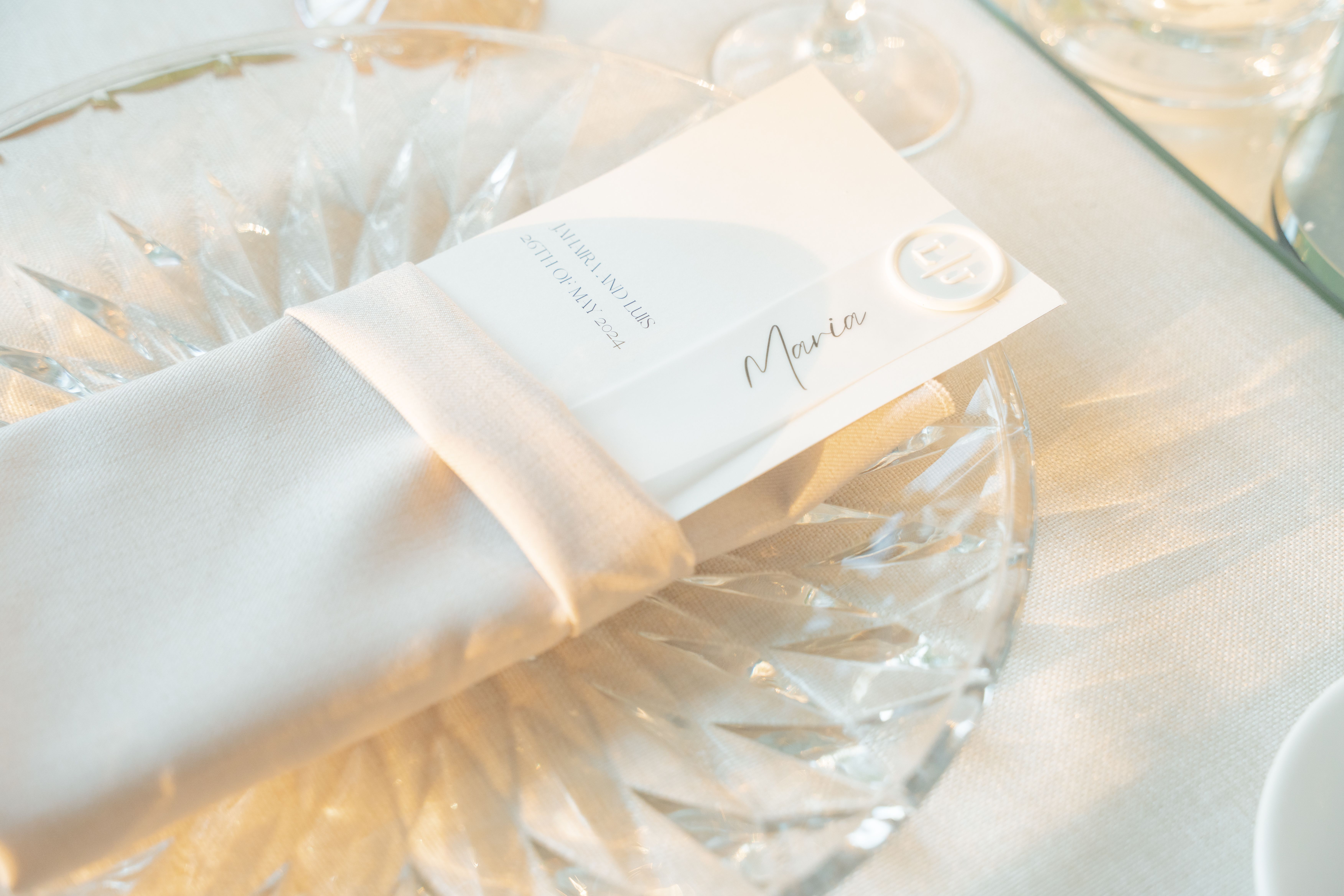
Wedding invitations have shifted decisively toward minimalism in recent years. Where the 2010s invitation was a multi-piece production with ornate typography, layered envelopes, and dense floral illustration, the 2026 invitation is stripped back — clean typography, single or two-color ink, thoughtful paper, and one carefully chosen detail. The result looks more intentional, photographs better, and ages better as the invitation moves from guest mailbox to scrapbook.
The ten designs below are all variations on the minimalist principle. Each takes a different approach to what minimalist means — some lean modern, some lean classic, some lean monochrome — but all share the same restraint. Pick the one that matches your wedding's overall style, then work with a stationer or designer to customize the specific typography and paper.
The starting point for minimalist invitations. Design 1 is black ink on thick white cotton paper, centered serif typography, no illustration. The most timeless of all options — a design that would have looked current in 1960 and will still look current in 2050.
Design 2 is the inverse: white ink on deep navy or black paper, also centered serif. More dramatic, particularly for evening or formal weddings.
Both work best printed on 220+ GSM cotton paper with a slight tooth. Digital flat printing is the modern default; letterpress adds texture and cost (letterpress runs $400 to $1,500 more for a 100-invitation run).
Invitations with one carefully chosen illustration — a botanical line drawing, a simple landscape, a single monogram. The illustration is small enough to feel like punctuation rather than decoration.
Design 3: a small single-stem botanical drawing (olive branch, eucalyptus, single rose) in a corner or at the top. Works with garden and romantic wedding styles.
Design 4: a tiny landscape or venue illustration — the silhouette of the venue, a simple beach line, a mountain outline. Personal without being cluttered.
Both designs benefit from sans-serif or sharp-serif typography rather than ornate script. The illustration is the decorative element; the type should stay restrained.
Invitations where the typography itself is the design. No illustration, no embellishment — just carefully chosen type treated as an art piece.
Design 5: oversize names in display typography, smaller supporting text. The couple's names fill the page; the rest of the invitation is whisper-quiet around them.
Design 6: fully justified modernist typography with generous spacing and a single geometric detail (a thin line, a small square, a well-placed asterisk). Reads as minimalist European editorial design.
These designs work best in digital flat printing with one or two ink colors. The typography choice is everything — work with a designer rather than a template service to get the spacing and proportions right.
Designs that bring in natural elements without crossing into rustic overload.
Design 7: kraft or recycled paper with a single debossed (no ink) element and small typography. Reads as modern and ecological rather than rustic.
Design 8: vellum (translucent paper) layered over a solid-color backer, typography printed on the vellum. The layering creates dimension without adding volume. Particularly strong for spring or garden weddings.
Both designs require more production complexity than flat digital printing — budget $600 to $1,800 for a 100-invitation run with these details.
For couples who want minimalism but not monochrome.
Design 9: white paper with a single block of color — a full-bleed color band at the bottom, a color-saturated reverse card, or a single color accent on the name line. The color ties the invitation to the wedding palette without adding ornament.
Design 10: cream or ivory paper with dusty or muted-tone ink (sage, dusty rose, navy, terracotta) in place of black. The subtle color shift warms the invitation without adding decoration.
Both work best when the color used is a specific hex code pulled from the wedding's actual palette, not an approximation. Send your stationer the exact hex codes for your linens and florals so the invitation color matches.
The specific production choices that distinguish a great minimalist invitation from an adequate one:
Digital invitations have reached mainstream acceptance in 2026, particularly for informal weddings and save-the-dates. The distinction now is not whether to use digital, but where.
Paper still wins for: the formal invitation itself (many guests still expect a physical piece), thank-you notes, and wedding-day signage.
Digital wins for: save-the-dates, RSVP collection (easier to track than paper RSVPs), wedding-weekend logistics (hotel info, schedules, directions), and informal weddings where paper feels overformal.
The hybrid that most couples land on in 2026: paper invitation for the formal ask, digital everything else. Total stationery budget with this approach: $800 to $2,500 for a 150-guest wedding. All-paper including save-the-dates, detail cards, and RSVP cards: $2,000 to $5,500.