Planning advice


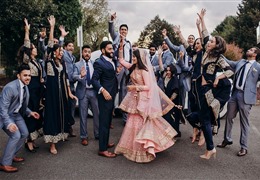
Attending a wedding in another country or culture? Here is your quick cheat sheet:
Attending a wedding is always an honor, but when that wedding is rooted in a culture different from your own, figuring out what to wear can feel overwhelming. Wedding guest dress codes vary dramatically from country to country, and what is perfectly appropriate in one culture might be considered offensive in another.
In 2026, cross-cultural weddings are more common than ever. Destination weddings, multicultural ceremonies, and international love stories mean that guests regularly find themselves navigating unfamiliar dress codes. This guide will walk you through wedding guest attire traditions across the globe so you can show up looking appropriate, respectful, and stylish.
Western wedding dress codes typically fall into four categories: black tie, formal, semi-formal or cocktail, and casual. The invitation will usually specify the expected attire. When in doubt, semi-formal is the safest bet.
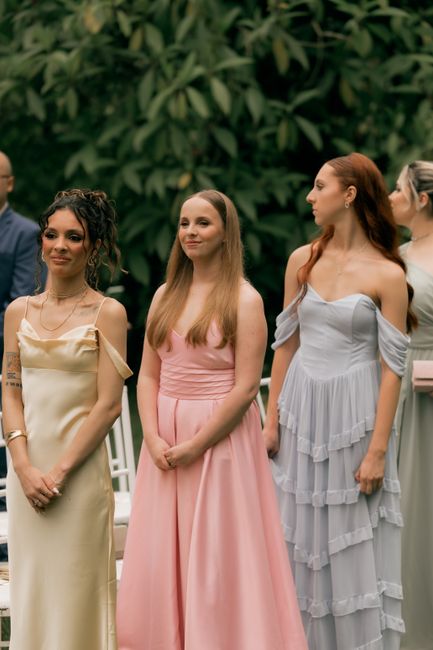
For women, a knee-length to floor-length dress in a solid color or tasteful print is always appropriate. For men, a well-fitted suit with a tie works for most occasions. The universal rule: never wear white, ivory, or cream, as those colors are reserved for the bride.
In 2026, popular wedding guest trends include jewel tones like emerald green, sapphire blue, and burgundy. Midi dresses with statement sleeves are trending, and floral prints remain a perennial favorite for spring and summer weddings.
▶ GRACE KARIN Women's Formal Wedding Guest Maxi Dress — Bestselling formal maxi dress with V-neck, ruffle sleeves, and lace detail. Comes with pockets and is available in 15+ colors. Perfect for semi-formal to formal weddings. Over 4,000 ratings.
▶ CHICGAL Women's Chiffon Shawl Wrap for Wedding Evening Dress — Elegant chiffon scarf-shawl that pairs beautifully with any wedding guest dress. Lightweight, versatile, available in 20+ colors. Perfect for covering shoulders during the ceremony.
▶ ShineGlitz Formal Dressy Shawls and Wraps for Evening Dresses — Premium pashmina shawl with fringes, ideal for cooler evening receptions. Soft, stylish, and works with both formal and casual wedding attire. Thousands of 5-star reviews.
Indian weddings are vibrant, multi-day celebrations where bold colors and luxurious fabrics are not just welcomed but expected. As a guest, embrace color. Rich reds, deep pinks, royal blues, emerald greens, and gold are all excellent choices.
Women can wear a saree, lehenga, salwar kameez, or anarkali suit. If you are not familiar with draping a saree, a pre-stitched saree or a lehenga with a blouse and dupatta is easier to manage. Men typically wear a kurta pajama, sherwani, or a Western suit.
Colors to avoid at Indian weddings: white (associated with mourning and funerals), black (considered inauspicious), and red (traditionally reserved for the bride in Hindu ceremonies). When in doubt, opt for jewel tones or pastels with gold accents.
Accessorize with statement jewelry. Bangles, jhumka earrings, and a bindi are all appropriate and show cultural appreciation. Comfortable footwear is essential, as Indian wedding celebrations can last many hours across multiple events.
Red is the most important color in Chinese weddings, symbolizing luck, prosperity, and happiness. As a guest, wearing red, gold, pink, or other warm colors shows respect and good wishes for the couple.
Women can wear a modern dress, a cheongsam or qipao (Mandarin collar dress), or a cocktail dress in red or gold. Men should wear a dark suit with a red or gold tie or pocket square.
Colors to avoid: white and black (associated with funerals and mourning), and avoid outshining the bride. Blue and green are generally acceptable but less traditional.
Japanese weddings emphasize understated elegance and respect. For women, a kimono in an appropriate pattern is the most traditional choice. If wearing Western attire, a modest knee-length or tea-length dress in a solid, muted color is ideal. Pastels and soft earth tones work well.
Avoid white entirely, as it is the color of the bride's shiromuku (white kimono). Black is acceptable for men's suits but generally avoided in women's dresses unless it is a very formal evening reception. Overly flashy jewelry, very high heels, and revealing outfits are frowned upon.
Men wear dark suits with white ties (not black ties, which are associated with funerals). A clean, pressed appearance is more valued than trendy fashion.
Nigerian weddings are legendary for their vibrant celebrations, and the aso-ebi tradition makes them uniquely coordinated. Aso-ebi means 'family cloth' in Yoruba, and the wedding couple typically selects a specific fabric that guests purchase and have tailored into their own outfits.
If the couple has designated an aso-ebi fabric, purchase it and have it made into a style that flatters you. Women often wear an iro and buba (wrapper and blouse) or a modern dress style. The gele (headwrap) is an essential accessory. Men wear agbada, fila cap, or a modern suit.
Even if no aso-ebi is designated, bold prints, bright colors, and elaborate accessories are always appropriate. Nigerian weddings celebrate excess and beauty, so this is the time to bring out your most dramatic outfit.
If you are unfamiliar with traditional styles, reach out to the couple or other guests for guidance. Cultural appreciation through dress is always welcomed.
Middle Eastern weddings vary significantly between countries and families, from very conservative to quite modern. When in doubt, err on the side of modesty. For women, long sleeves and hemlines below the knee are safe choices. Elegant floor-length gowns in jewel tones, metallics, or pastels are appropriate.
Men should wear a dark suit. In some Gulf countries, traditional thobes or dishdashas may be worn by local guests, but Western suits are perfectly acceptable for international guests.
Rich fabrics, elaborate embroidery, and statement jewelry are all welcome. Many Middle Eastern weddings are lavish celebrations where guests are expected to dress up. Check with the couple about gender-separated celebrations, as some traditional weddings have women-only receptions where the dress code may be more relaxed.
Korean weddings blend modern and traditional elements. For the ceremony, smart casual to semi-formal Western attire is standard. Women can wear a hanbok (traditional Korean dress) or a modern dress in soft colors. Men wear dark suits.
While Korean weddings are less strict about color rules than some Asian cultures, avoiding all-white and all-black is still recommended. Soft pastels, muted tones, and understated elegance are preferred over bold patterns or flashy accessories.
▶ ZESICA Women's Floral Wedding Guest Midi Dress — Trendy mesh bodycon midi dress with sleeveless design and slit detail. Ideal for semi-formal and cocktail weddings. Available in multiple colors and prints.
▶ Trendy Queen Women's Strapless Maxi Dress — Elegant A-line ruched strapless dress perfect for summer outdoor weddings. Versatile style works for beach weddings to garden receptions. Bestselling on Amazon.
In Western weddings, avoid white, ivory, or cream (reserved for the bride). In Indian weddings, avoid white and black. In Chinese weddings, avoid white and black as well. Generally, avoid anything too revealing, overly casual (jeans, sneakers), or more dramatic than the bride's outfit.
Indian wedding guests should wear bright, bold colors. Women can wear sarees, lehengas, or anarkali suits. Men can wear kurta pajamas or Western suits. Avoid white (mourning color) and red (reserved for the bride in Hindu ceremonies).
Wear red, gold, pink, or other warm and festive colors. Red symbolizes luck and prosperity. Avoid white and black, which are associated with funerals and mourning.
In Western weddings, black is acceptable, especially for evening events. However, in many Asian cultures (Indian, Chinese, Japanese), black is associated with mourning and should be avoided. Always consider the cultural context.
Aso-ebi means 'family cloth' in Yoruba. The wedding couple selects a specific fabric that close friends and family purchase and have tailored into coordinated outfits. It creates a beautiful visual unity at the celebration.
Women can wear a kimono or a modest knee-length dress in muted, solid colors. Men wear dark suits with white ties. Avoid white (reserved for the bride), overly flashy outfits, and very high heels.