
Planning advice


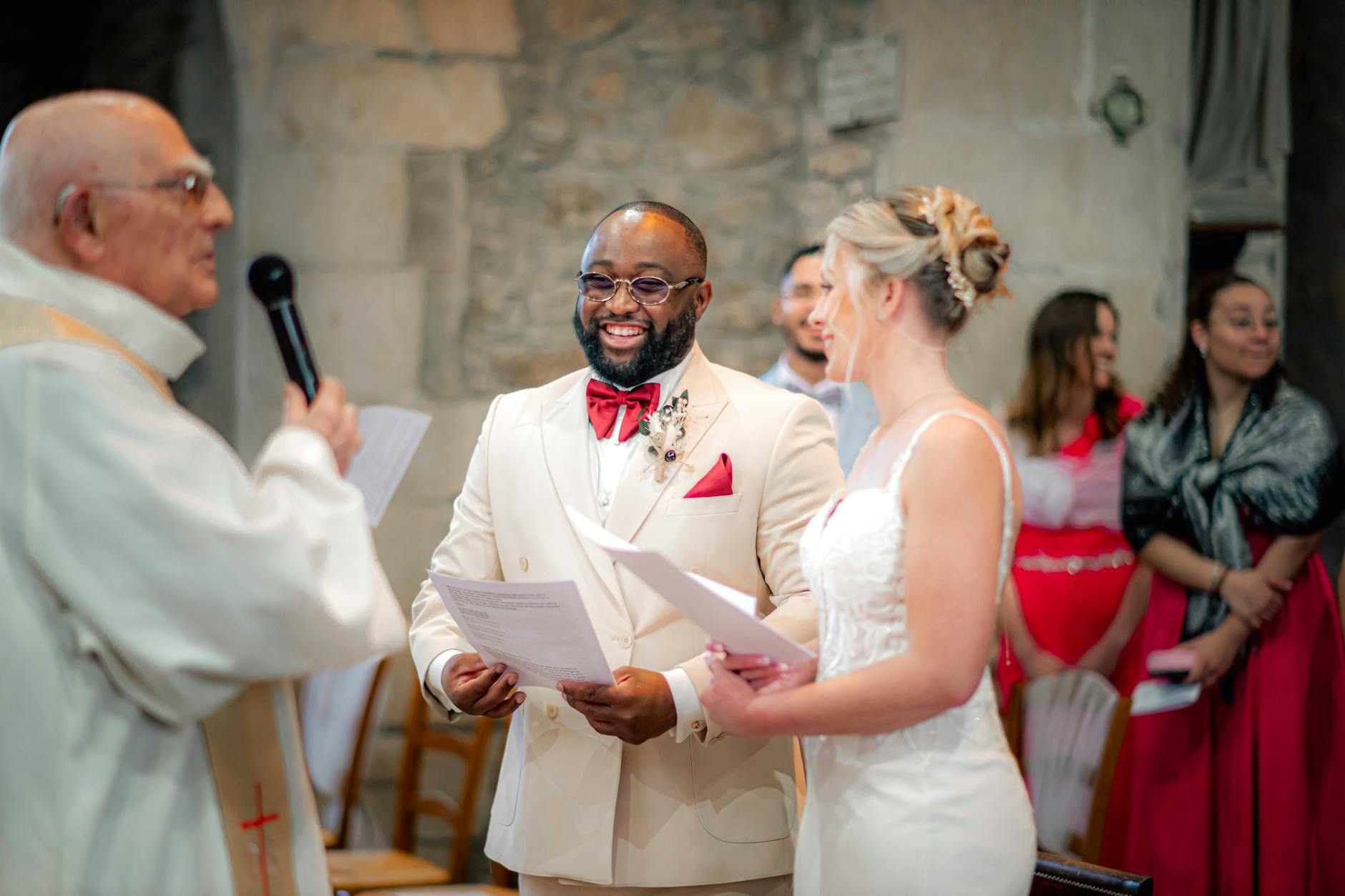
When you ask someone to officiate your wedding, you are handing them one of the most personal roles in the ceremony. Whether it is a longtime friend, a religious leader, or a professional celebrant, that person will spend hours crafting your script, rehearsing with you, and standing beside you at the most photographed moment of the day. Strong wedding officiant gift ideas are how couples close that loop with a tangible thank-you that says you noticed the work and the heart behind it.
This guide walks through the four categories of gifts most couples reach for: personalized barware, professional ceremony tools, sentimental keepsakes, and lighthearted novelty items. Each one is tailored to a different kind of officiant. Think bourbon-drinking uncle, full-time professional minister, soft-spoken aunt who has never officiated before, or fraternity brother who only agreed because you asked twice.
We have also pulled together the etiquette around how much to spend, when to hand the gift over, and what to write in the card. Most of these picks land between $20 and $75, which keeps the cost reasonable even after you have already covered the officiant's fee. The goal is to feel personal, not extravagant, and the specific Amazon picks below are starting points that meet the criteria couples consistently tell us matter most: engraving quality, build durability, and shipping reliability ahead of the wedding date.
The officiant role used to be filled almost entirely by clergy, and a charitable donation to the church or temple was the standard form of gratitude. That is no longer the default. Somewhere between 30 and 40 percent of U.S. ceremonies are now officiated by a friend or family member who got ordained online, which means the tradition of thanking your officiant has shifted from a tithe to a personal gesture.
The work itself is more visible than most guests realize. A skilled officiant does not simply read a script. They interview you separately, weave in stories from your relationship, time the readings around music cues, and rehearse delivery so the ceremony lands. For a professional celebrant, that adds up to 8 to 15 hours of work outside the ceremony. For an ordained friend, it is often more — they are learning the craft from scratch, and they are nervous.
A thoughtful gift acknowledges that labor. It also gives the officiant something to keep, a souvenir from the first or hundredth wedding they performed. The most successful officiant gifts are objects they will see regularly on the bar shelf, the desk, or the mantel. The reminder is the point. Vow personalization extends naturally into officiant gifting, and many couples who hand their celebrant a custom vow book also include a small token of thanks tucked inside the cover.
Engraved barware is the most popular wedding officiant gift category for a reason. It is personal, it is reusable, and the engraving locks in the moment without feeling sentimental in a way that is hard for some recipients to receive. A whiskey glass with your wedding date etched into the base lives quietly on a shelf — it does not demand to be displayed every time guests come over.
Look for lead-free crystal or thick-walled tempered glass. Cheap engraved glasses skip the lead-free certification and chip at the base within a year. The engraving itself should be deep enough that you can run a fingernail across it and feel the grooves. Sandblasted engraving lasts decades, while laser-printed designs fade within a few dozen dishwasher cycles, so check the listing for the technique used before buying.
The Lucy Engraving I Can Marry People Personalized Crystal Whiskey Glass is a 12-ounce old-fashioned tumbler that meets both criteria. It is hand-engraved on lead-free crystal and ships with the recipient's name and your wedding date added at checkout. At around $32, it is priced for couples who want a single substantial gift rather than a four-piece set.
If your officiant does not drink whiskey, the same engraving studios offer wine glasses, stemless tumblers, and pilsner pairs. Coordinate the engraving style across any set you order, because mixed fonts on glassware read as an afterthought.
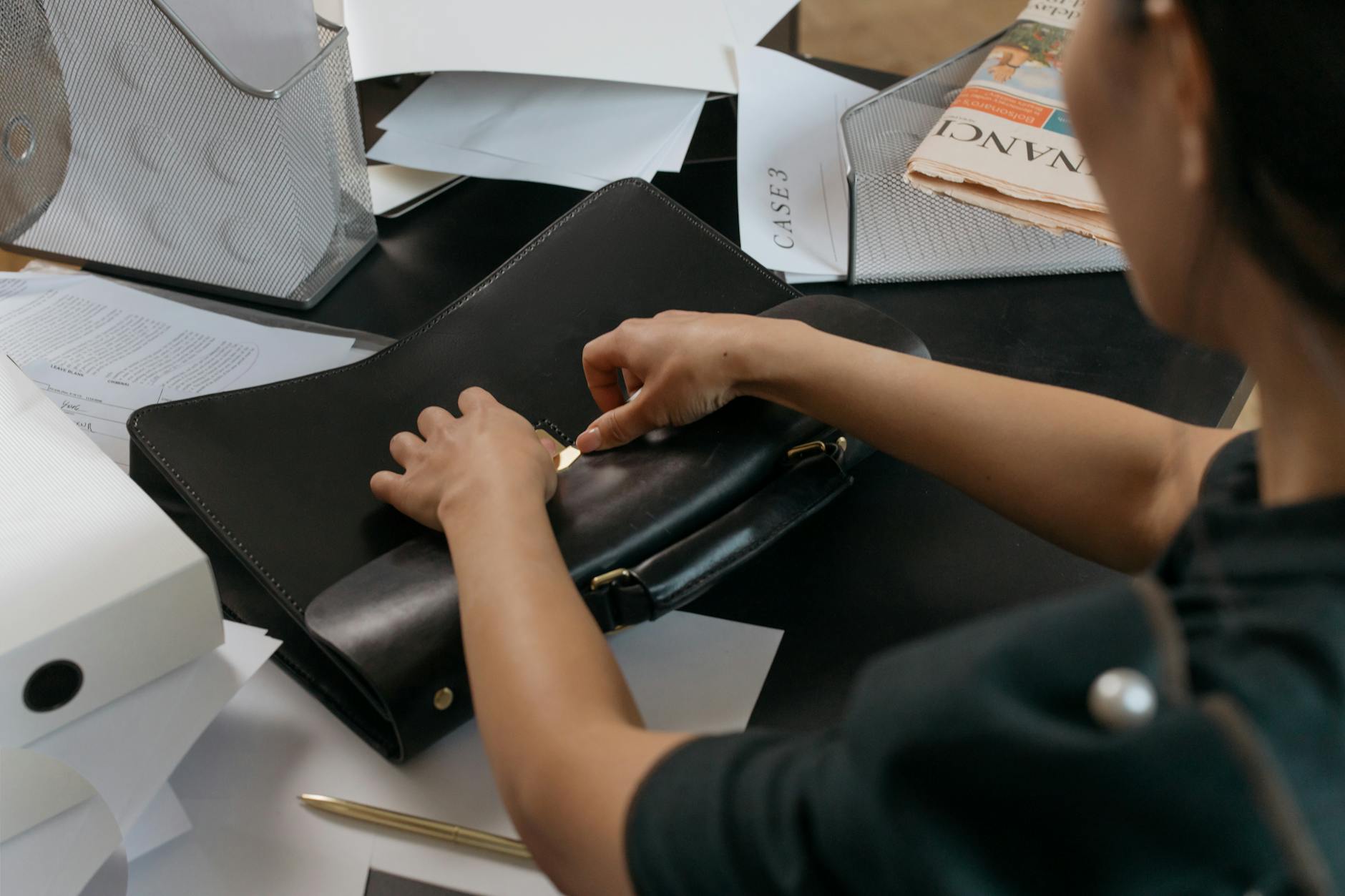
For professional officiants — anyone who officiates more than one or two weddings a year — a ceremony portfolio is the gift they will actually use every weekend. Most working celebrants carry their script in a folder bought from an office-supply store. A genuine leather padfolio with their name embossed on the cover is a noticeable upgrade and gets reused at hundreds of ceremonies after yours.
The standard size is 9.5 by 12 inches, which fits a full 8.5-by-11 script with a centered binding and allows room for a vow book or printed photo to be tucked into an interior pocket. Avoid letter-size portfolios. They are cheaper, but the script edges curl over the seam and the officiant ends up smoothing pages mid-ceremony, which is visible from the first row of guests.
The Bluegrass Laserworks Personalized Wedding Officiant Portfolio is a 9.5-by-12 padfolio in full-grain leather with custom laser engraving on the cover. Most couples engrave the officiant's name plus a line like "Wedding Celebrant" or the date of the specific ceremony. It runs about $55 to $65 depending on engraving complexity, and the cover patinas over time the way good leather should.
For first-time officiants — the friend or family member who got ordained online specifically for your wedding — pair the portfolio with a printed copy of their script as the inaugural document. They will keep both for years, often as the only physical record of the ceremony itself. If you are also assembling gifts for the rest of the wedding party, the same laser engravers typically handle groomsmen proposal boxes at a small bundle discount when you order together.
Not every officiant drinks, journals, or has shelf space for another framed photo. For officiants who fall outside the barware-and-portfolios mold, a sensory keepsake is the safer pick. Scented candles, framed prints, or hand-thrown ceramics tend to land well across age groups and religious backgrounds, and they don't require knowing the recipient's specific taste in spirits or office gear.
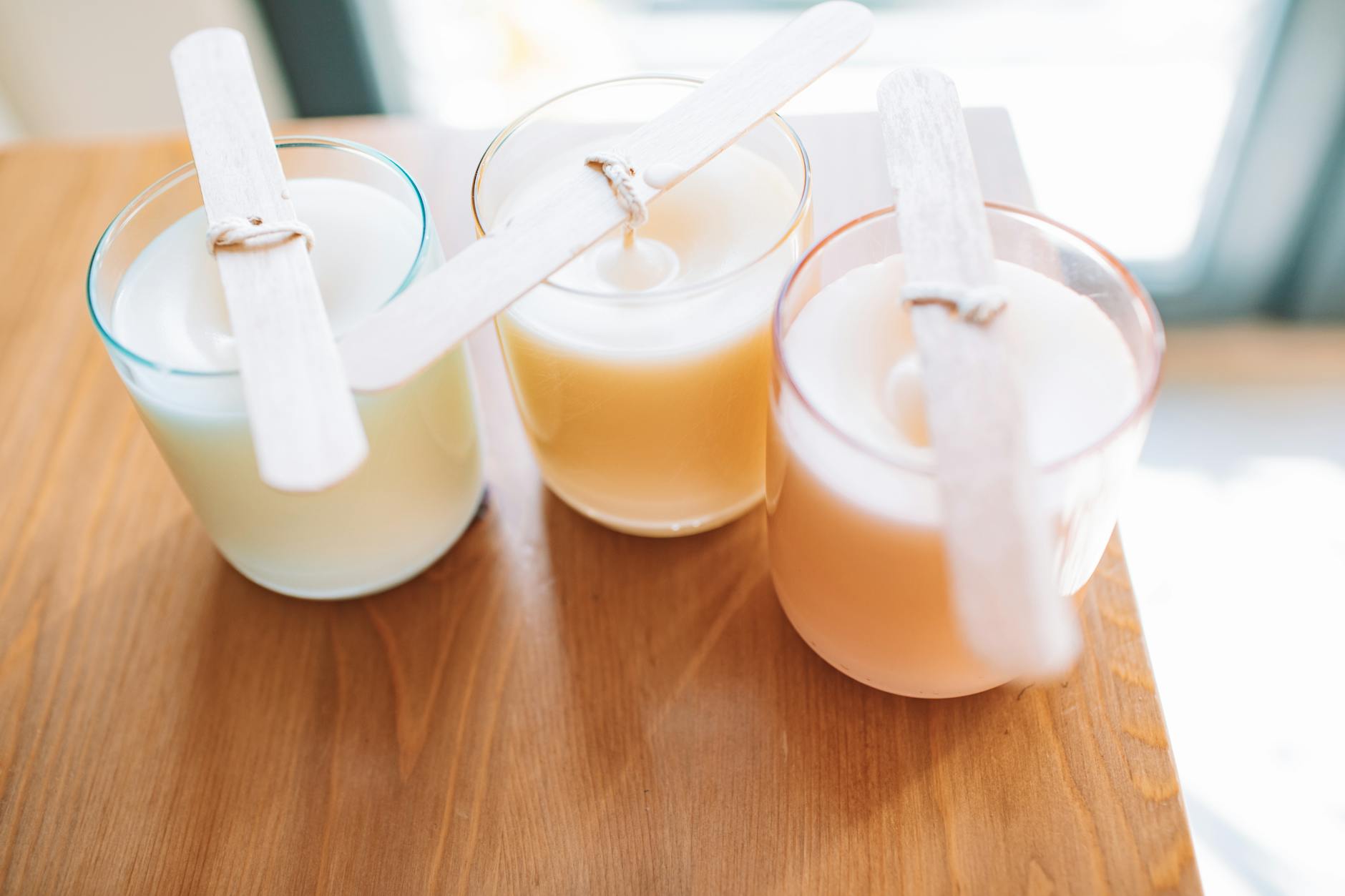
The advantage of a candle is that it is consumable but slow. A single 9-ounce soy candle burns for roughly 50 to 60 hours, so the recipient lights it on a few specific evenings rather than every day. The label and jar stay on display long after the wax is gone, especially when the jar is the sturdy frosted-glass or matte-ceramic style that doubles as a planter.
The Younift Scented Candle for Wedding Officiants is a 9-ounce hand-poured soy candle in a lavender-and-vanilla blend, labeled with a thank-you message specific to the officiant role. It runs about $22, ships in a printed gift box, and the jar is reusable as a pen cup or small succulent pot once empty.
Other sentimental categories worth considering include a framed black-and-white photo of the ceremony sent six to eight weeks later, a small live plant in a glazed pot (orchids and ZZ plants tolerate the most neglect), or a custom watercolor of the ceremony site. The plant option is the safest cross-cultural choice; the photo option lands hardest with officiants who were also close friends.
When the officiant is a close friend who agreed to the role with some combination of nervousness and bewilderment, a novelty gift breaks the tension and earns more laughs than a sober crystal tumbler would. The trick is to keep the humor pointed at the role, not the person. A line like "Best Officiant Ever" lands better than an inside joke that needs translation for spouses, partners, or future colleagues who might see the gift on a shelf.
The BantaGifts Best Officiant Ever Whiskey Glass leans into the lighthearted approach with a printed "Will You Marry Us?" design on the front and "Best Officiant Ever" on the back. It is a 10-ounce tempered glass, around $24, and ships with a small gift box that fits a folded note in the lid.
If you want to layer the joke, pair the glass with a bottle of mid-range bourbon and a printed card that lists the officiant's "ceremony rider" — a parody of the riders musicians require backstage. Most novelty gifts work best in pairs or trios. One funny item alone reads as cheap, while two or three together read as a curated bit.
A note on tone: novelty gifts work for friend-officiants and almost never for clergy. A religious officiant in a formal denomination — Catholic, Orthodox, conservative Protestant, or observant Jewish — will read a "Will You Marry Us?" whiskey glass as flippant rather than warm. For those officiants, route the gratitude through a charitable donation to their congregation or community fund.
The right gift budget depends entirely on who is officiating, not on your overall wedding budget. There are three rough tiers couples should plan around.
A friend or family member officiating for free typically receives a gift in the $50 to $150 range. The cost itself matters less than the personalization. A $40 engraved glass with a handwritten card lands stronger than a generic $120 gift card. If the friend traveled to officiate, add their travel and lodging reimbursement on top of the gift. Reimbursement should be handled separately, ideally before the wedding weekend, so the gift reads as a thank-you rather than a settling of accounts.
A professional civil officiant or wedding celebrant who has already been paid a contractual fee — typically $300 to $800 — does not expect an additional gift, but a small thoughtful item in the $20 to $75 range is appreciated. Skip the gift card route for professional officiants. It can read as transactional on top of an already-transactional relationship and undermine the personal note you are trying to send.
A religious officiant in a clergy role traditionally receives an honorarium of $100 to $500, depending on denomination and the length of officiation. The honorarium goes either to the officiant directly or to the religious community, depending on the denomination's rules. Across all three tiers, the card matters more than the gift — a handwritten note that mentions one or two specific moments from the ceremony is the part the officiant keeps.
The rehearsal dinner is the most common moment, and for most officiants it is also the right one. By rehearsal day, the script is finalized and the officiant has invested most of the upfront work. Handing the gift over before the ceremony also avoids the post-ceremony chaos when everyone wants ten seconds of your attention at the same time.
Some couples prefer the wedding morning during the first-look window. It is quieter, more private, and lets the officiant set the gift aside before the ceremony. This approach works especially well for clergy or religious officiants who may have rehearsed at the worship space rather than at your reception venue, and who appreciate not having to carry a wrapped gift between locations.
The least common but most personal timing is two to three weeks after the wedding, paired with a printed ceremony photo. The delayed gift carries weight because it arrives when the rest of the wedding mail has stopped. Most couples send a thank-you note within the standard three-month window, so a separate slightly later officiant package stands apart from the general thank-you cards and signals that the officiant relationship sits in its own category.
Avoid handing the officiant gift during the recessional or cocktail hour. The officiant is often still in working mode then — signing the marriage license, taking photos with you, fielding questions from guests who want to book them — and a wrapped gift gets set down and lost. If you are sending the officiant home with the gift the same evening, check with your venue coordinator first about a holding spot. For couples still searching for the right professional to officiate, WeddingVenture's officiant directory lists vetted celebrants by region with reviews from past couples.
For a friend or family member officiating for free, plan on $50 to $150 plus a handwritten card. For a paid professional celebrant, $20 to $75 on top of the contractual fee is appropriate and appreciated. For religious clergy, follow your denomination's honorarium guidance, usually $100 to $500 routed to the officiant or the religious community, and add a small personal gift only if it fits the relationship.
A gift is not strictly required, but a small token is appreciated. Paid professional officiants understand that the fee covers the work, but a personalized $20 to $75 item plus a thoughtful card differentiates your wedding from the dozens of others they officiate each year. If budget is tight, a handwritten card alone with two or three specific moments mentioned by name is also acceptable.
The rehearsal dinner is the standard moment because it is calmer than the wedding day and the officiant has already completed most of the prep work. The wedding morning during a quiet window is the second-best option. Avoid handing it over during the recessional or cocktail hour, when the officiant is still actively working through the marriage license and group photos.
First-time officiants benefit most from a portfolio or padfolio they can reuse, plus a printed copy of the final script as their inaugural document. Lighthearted novelty gifts like a "Best Officiant Ever" glass also land well with friend-officiants who agreed to the role as a personal favor. Skip funny items if the officiant is more reserved by nature or if the ceremony is religious in tone.
Yes, but route it carefully. A charitable donation to the congregation is the traditional approach for clergy in formal denominations and is sometimes required by the denomination itself. A modest personal gift on top — a leather-bound journal, a quality candle, a framed print — is welcomed alongside the donation. Avoid alcohol-themed novelty items for any clergy, regardless of how informal the relationship feels.
Treat the officiant as a separate category from the wedding party. Wedding party gifts are typically smaller, matched across the group, and presented together. The officiant gift is one specific personalized item with its own card. If you are handing out gifts at the rehearsal dinner, present the officiant gift on its own moment, not bundled with the wedding party round, so the thank-you reads clearly.