Wedding Place Card Ideas: 60+ Creative Designs for 2026


Wedding place cards are one of those small details that quietly do a tremendous amount of work on the day of your reception. They tell each guest exactly where to sit, signal which meal they ordered, and set the tone of a table before anyone has taken a single bite. The right wedding place card ideas can transform a bare table into a polished, intentional space, while the wrong choice can leave guests milling around looking confused. In 2026, place cards have become a creative canvas — couples are using everything from pressed flowers and acrylic blocks to engraved seashells and miniature picture frames to give every seat its own personality.
If you are deep in the trenches of reception planning, you already know how many tiny decisions add up. Place cards sit at the intersection of design, logistics, and guest experience, which is exactly why they deserve more thought than a last-minute Sharpie-and-cardstock session. A thoughtfully designed place card communicates the level of care you have put into the evening, and it can echo your colour palette, your stationery suite, and even your venue type, whether that is a barn, a beach, or a downtown ballroom.
The best part is that you do not need a huge budget or hours of free time to pull this off. With a few smart purchases, a clear plan, and a little inspiration, you can create wedding place card ideas that look professionally styled, even if you assemble them yourself the weekend before the wedding. In this guide, we will walk through the difference between place cards and escort cards, share dozens of design ideas across every budget, recommend genuinely useful products, and cover the practical tips that experienced wedding planners wish every couple knew before the night of their reception.
Place Cards vs. Escort Cards: Knowing the Difference
Before you start ordering supplies, it helps to know exactly what you are designing — because place cards and escort cards do related but different jobs at a wedding reception.
An escort card is the card a guest picks up when they enter the reception. It typically lists the guest's name and their assigned table number. Escort cards live on a long display table near the entrance and replace, or complement, a wedding seating chart sign. Once a guest has their escort card, they head to that table and choose any seat they like.
A place card, on the other hand, sits at the table itself. It tells each guest the specific seat that has been reserved for them. Place cards are most useful for plated dinners with multiple meal options, weddings where seating order matters socially or culturally, and larger events where guests would otherwise hover indecisively over chairs.
You can absolutely use one without the other. Each combination signals a slightly different level of formality:
- Seating chart only — best for casual receptions where guests choose their own seat at their assigned table.
- Escort cards only — a good fit for buffet-style or family-style meals where any seat at the table works.
- Place cards only — ideal for smaller, intimate weddings under 60 guests where everyone enters together.
- Both escort and place cards — the most formal option, common at black-tie or destination weddings.
Once you decide which combination matches your reception style, you can start picking the materials, holders, and finishing touches that bring the design to life. If you are still working out who sits where, our guide to creating a successful wedding seating chart walks through the planning side step by step.
Creative Wedding Place Card Materials and Designs
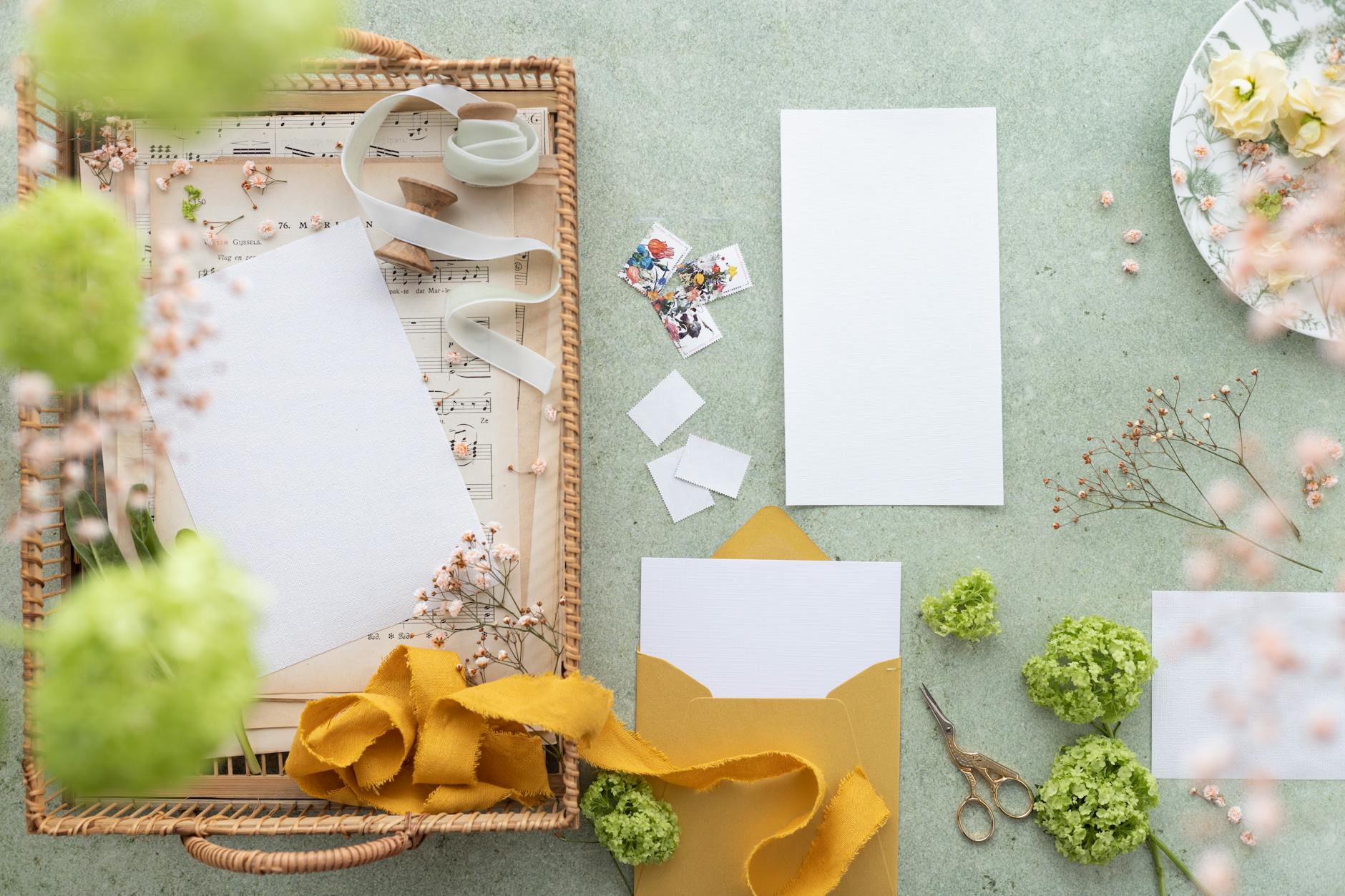
Some of the most memorable wedding place card ideas come from looking past traditional cardstock and asking, "What surface fits the vibe of the day?" Here are design directions couples are loving in 2026:
- Acrylic place cards — clear, frosted, or smoke-tinted acrylic with white or gold lettering. Perfect for modern, minimalist, and luxe weddings, and they double as keepsakes guests can take home.
- Pressed flower cards — handmade cardstock embedded with real pressed petals. Romantic, garden-style, and ideal for spring or summer weddings.
- Mini chalkboard tags — small wooden frames with chalkboard inserts. They suit barn, vineyard, and rustic weddings beautifully.
- Engraved wood slices — laser-engraved birch or oak rounds. Great for woodland or Pacific Northwest weddings.
- Seashells, sea glass, and stones — naturally beautiful for beach and coastal weddings.
- Origami or paper folds — small folded swans, fans, or boats for couples who want a craft-forward look.
- Edible place cards — names piped onto sugar cookies, macarons, or chocolate bars (these double as a favour and keep your sweetheart table visually busy).
- Vellum overlays — tracing-paper-style cards layered over a botanical print or watercolour wash for a soft, romantic feel.
- Photo place cards — a Polaroid or printed photo of you and that specific guest, with their name written on the white border.
The key is to anchor your choice to your overall wedding aesthetic. A modern downtown reception lands beautifully with acrylic and gold lettering, while a backyard wedding might call for pressed flowers or wooden rounds. If you are unsure which direction to go, pick a material that will photograph well at close range — those flat-lay shots of place settings end up in nearly every wedding album, and a thoughtful place card adds a sense of intention to every photo.
Stylish Place Card Holders That Double as Decor
A simple folded card looks elegant on its own, but a beautiful holder elevates the entire table. Better still, the right holder doubles as a small piece of decor — and many couples send their holders home with guests as a parting favour at the end of the night.
Here are popular wedding place card holder styles for 2026:
- Geometric gold or copper holders — small metal frames in hexagons, diamonds, or arches. They work for almost every aesthetic, from boho to art deco.
- Mini brass easels — tiny tabletop easels are timeless and versatile. They look beautiful with calligraphy cards and pair well with painted or floral cards.
- Vintage silver holders — single-stem styles with intricate detailing add an heirloom feel to any place setting.
- Floral and greenery holders — wired sprigs of eucalyptus, olive branches, or dried flowers tucked around the card.
- Wax seal holders — cards sealed with a personalised wax stamp tucked into a small wooden block.
- Crystal and gemstone holders — quartz points or amethyst clusters for a romantic, nature-inspired look.
- Ceramic and clay holders — handmade ceramic shapes glazed in your wedding colours.
- Leaf or feather clips — for outdoor or destination weddings, especially in wooded or coastal venues.
When choosing holders, think about how the card will sit, whether it will tip over if a guest brushes against it, and how easily you can match the colour to your overall scheme. Always buy a single sample before ordering 100 — you will save a lot of frustration on the morning of the wedding. A modern luxe option that suits almost any palette is the Pretty Display Gold Diamond Place Card Holders, a set of 20 acrylic geometric stands in a translucent luxe-gold finish that catches candlelight beautifully and packs flat for transport — typically around $25 to $40 a set.
If your aesthetic leans more vintage or heirloom, classic brass display easels are a quietly elegant choice — the seven-inch malleable brass frames cradle calligraphed cards, photographs, or printed menus equally well, and at roughly $15 to $25 for a small set they are friendly to the budget. The brushed-brass finish photographs softly under reception lighting and reads beautifully against linen or wood tabletops.
Easy DIY Wedding Place Card Ideas Anyone Can Make
DIY wedding place cards are one of the best ways to save money without sacrificing style. With basic supplies and a little planning, you can produce place cards that look like they came from a high-end stationery studio.
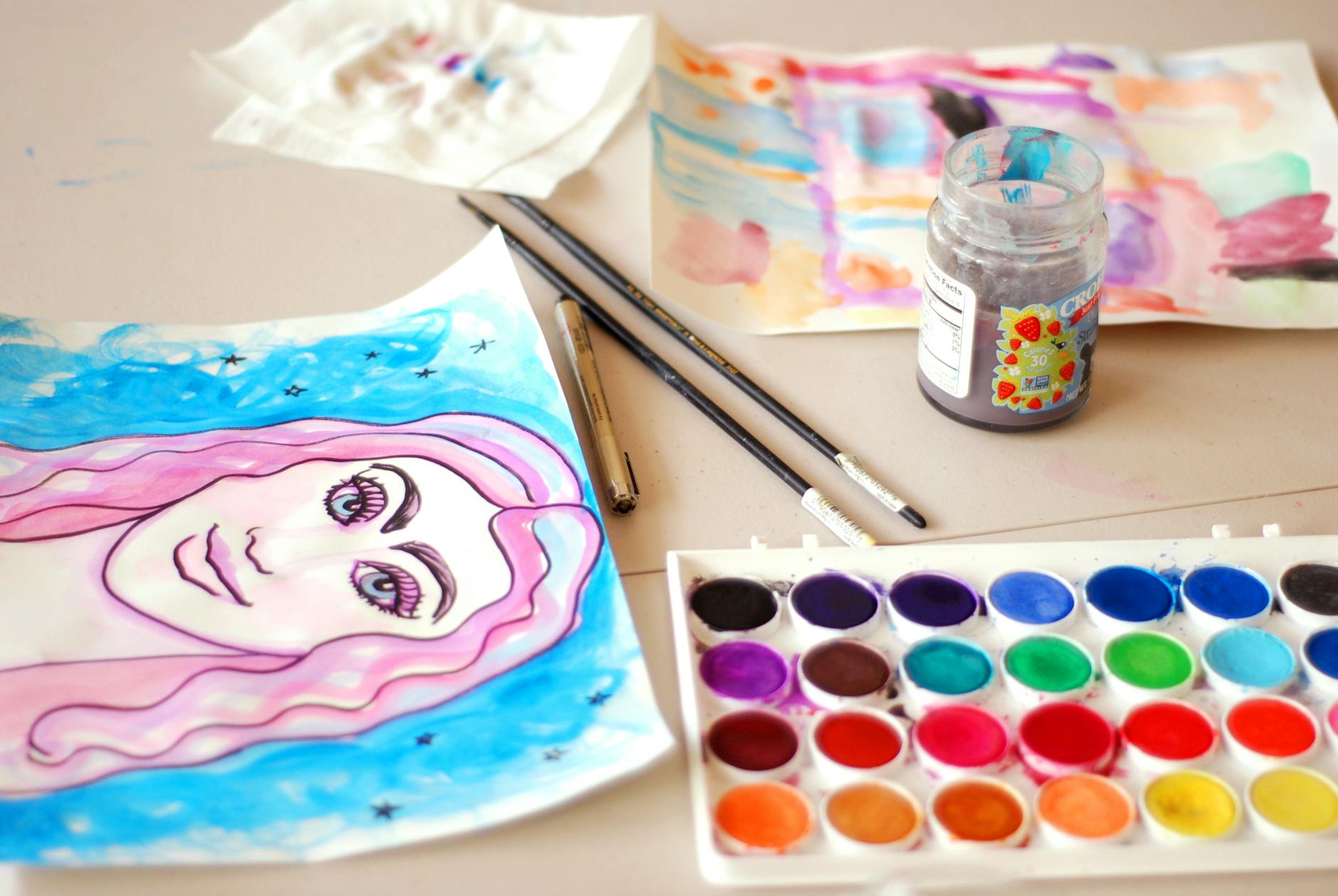
- Watercolour wash place cards — buy a stack of plain cardstock, paint a soft watercolour wash across the top half, let it dry, and write each name in black ink underneath. Total cost: under $25 for 100 cards.
- Stamped place cards — use a wedding monogram or floral rubber stamp with metallic ink. Quick to assemble in batches and forgiving if you make a mistake.
- Photo Polaroid cards — take individual photos with each guest in advance, print as Polaroids, and write their name on the white border.
- Calligraphed seashells, leaves, or stones — use a white or gold paint pen to write directly onto natural materials.
- Tied ribbon napkin cards — tie a ribbon around each napkin and slide a small printed name tag through the bow.
- Mini bottle place cards — fill mini glass bottles with sand or sea glass, tag each with a name, and let guests take them home.
- Wax seal envelopes — slip place card slips into mini envelopes sealed with a wax stamp; the envelope itself becomes a small favour.
The trick to DIY place cards looking professional is consistency. Pick one font, one ink colour, and one paper stock — and then commit to it across every card. Variation looks charming on a single card and chaotic across a 120-person reception. A reliable foundation that takes ink, paint, and stamps without bleeding is a bulk pack of pre-scored kraft place cards — 100 tent-folded blanks in heavyweight kraft typically run about $12 to $18, leaving plenty of room in the budget for the calligraphy supplies you actually want to splurge on. Set up an assembly line on your dining table, watch a movie, and knock them out across two evenings.
When it comes to lettering, a felt-tip brush pen is far more forgiving than a traditional dip pen, especially if this is your first calligraphy project. The popular MISULOVE hand lettering pen set bundles eight refillable brush pens in different tip sizes for around $12 to $18 and produces a clean modern script that holds up under photography. Practise the alphabet on scrap card the night before, then commit to the real cards in one or two focused sessions to keep the strokes consistent.
Place Card Calligraphy: Hire a Pro or DIY?
The lettering on your place cards is what guests will look at first, so it deserves careful thought. You have three main paths in 2026:
- Hand calligraphy by a professional — beautiful, completely bespoke, and has real heft. Expect to pay $2.50 to $5 per card depending on style and ink. For a 120-guest wedding, that is roughly $300 to $600.
- Faux calligraphy you write yourself — a practised hand with a brush pen can produce a very passable script. Free if you already have the supplies and a couple of evenings to spare.
- Printed calligraphy — order printed cards from a stationery designer or use a service like Minted or Zazzle. Costs typically land between $0.50 and $2 per card.
When deciding, consider the volume, your timeline, and how much detail you want on each card. If you have under 75 guests and decent handwriting, DIY is a real option. If you are over 100 guests or already overwhelmed by other planning tasks, printed calligraphy gives you a professional finish without weeks of hand cramps.
If you do go DIY, practice on scrap paper first and buy a brush pen with a flexible felt tip. Write each name on a piece of scrap card before committing it to the real place card. Always order at least 10 to 15 percent extra cards to account for mistakes or last-minute RSVPs. And do all of your lettering in one or two sessions to keep the strokes consistent across every card. For an heirloom finishing touch, a wax seal stamp kit — typically around $20 to $35 with a melting spoon, sealing wax beads, and a brass stamp head — adds a small flourish that photographs beautifully on envelopes, place cards, and favour tags. You can keep the same stamp on hand for thank-you notes after the wedding, which makes it a small purchase that pays itself off twice.
How to Display Place Cards at the Reception
A beautifully designed place card still needs to be displayed well. Display is where many couples accidentally undermine their own work, so it is worth a few extra minutes of thought during your final walkthrough.
- Position cards in the centre of the place setting, on top of the napkin or charger, so the name is the first thing the guest reads when they sit down.
- Match the orientation across every seat — all cards facing the same direction, slightly tilted or laid flat in the same way. Inconsistent orientation reads as messy in photographs.
- Anchor lightweight cards with a small pebble, a sprig of greenery, or a candy favour so they do not blow away at outdoor venues.
- Include a meal indicator if you are doing plated dinners — a small symbol, sticker, or coloured ribbon tells the catering team which entrée each guest selected.
- Coordinate with linens — a stark white card on a cream tablecloth can wash out in photos. Add a small contrasting element such as a ribbon, wax seal, or sprig so the card pops against the table.
If you are using both escort and place cards, give the escort card display a little extra love. This is the first thing every guest sees when they walk into the reception. Wide trays, mirrored bases, vintage frames, or even hanging displays — cards clipped to ribbon strung between two posts — all photograph beautifully and create an immediate sense of arrival. Pair this with a printed seating chart sign for the friendliest possible welcome experience. If you are sourcing the rest of your reception stationery and signage from a single shop, our directory of wedding stationery vendors is a good place to start narrowing down designers near you.
Common Wedding Place Card Mistakes to Avoid
A few preventable mistakes can take place cards from polished to problematic. Here are the most common ones — and how to avoid them on your own wedding day:
- Misspelling guest names — triple-check every card against your RSVP list. Have a second person proofread before you commit ink to paper.
- Forgetting honorifics — decide on a single style (full names, first names only, or formal honorifics) and apply it consistently across the whole reception.
- Last-minute design changes — locking in a design and then changing it three weeks out usually leads to mismatched cards or a panicked sprint at midnight. Decide early and resist the urge to redesign.
- Skipping meal indicators on plated dinners — without a clear marker, your catering team has to interrupt every table to ask who ordered what.
- Buying too few — always order 15 to 20 percent extra cards. Wedding RSVPs change up to the day before, and you do not want to run out.
- Ignoring weather — outdoor weddings in summer humidity will wilt thin cardstock. Use heavier weights or laminated finishes for outdoor use.
- Using fonts that are hard to read — a guest who cannot read their own name on a moodily lit reception table is a frustrated guest. Choose legible fonts at a generous size.
- Forgetting children — decide whether kids get their own card or share with parents, and apply that rule consistently.
If you tackle the design weeks in advance, build in a buffer for last-minute changes, and treat your place cards as the small but visible details they are, you will end up with a reception that flows smoothly and a stack of memorable mementos that some guests will keep for years. With thoughtful wedding place card ideas, every seat tells your guests the same thing: we planned this evening with you in mind. While you are organising the reception details, our guide to wedding card box ideas covers the matching question of where guests should drop their envelopes when they arrive.
Wedding Place Card FAQ
- When should I order or finish my wedding place cards?
Aim to have your final design locked in eight weeks before the wedding and your printing or DIY work finished two weeks out. That timeline leaves room for last-minute RSVP changes, a few mistakes, and the inevitable extra card you have to add when a cousin asks if they can bring a plus-one. Ordering or finishing earlier than two weeks risks more name changes than you would expect; later than two weeks turns into a stressful week-of project.
- How many place cards should I order for my wedding?
Order 15 to 20 percent more cards than your final guest count. For a 120-guest reception, that is around 140 to 145 cards. The buffer covers misspelled names, ink smudges, last-minute additions, and a few extras you can frame as keepsakes. Cards are inexpensive enough that ordering extra is far cheaper than scrambling to print or hand-letter replacements the week of the wedding.
- Do I need both escort cards and place cards?
Not always. Escort cards alone work well for buffet or family-style receptions where any seat at the assigned table is fine. Place cards alone are a great fit for intimate weddings under 60 guests. Use both at formal weddings with plated dinners or assigned seats — the escort card directs guests to the correct table, then the place card waits for them at their specific seat with their meal indicator already in place.
- Should I include meal choices on place cards?
Yes, if you are serving a plated dinner with two or more entrée options. A small symbol, sticker, coloured ribbon, or single letter on the back of the card tells your caterer which meal each guest selected without anyone having to ask at the table. Coordinate the symbol with your venue's catering team well in advance so the kitchen can match cards to plates without slowing service.
- What is the average cost of wedding place cards in 2026?
Printed place cards typically cost $0.50 to $2 per card from designers and online services, while DIY cards run as low as $0.15 each in materials. Hand calligraphy by a professional adds $2.50 to $5 per card. For a 120-guest wedding, expect total costs between $25 and $80 for DIY, $90 to $240 for printed, and $300 to $600 for fully hand-calligraphed cards. Holders sit on top of those numbers and add $25 to $100 depending on style.
- Can I reuse my wedding place card holders after the wedding?
Absolutely. Brass easels, acrylic stands, and ceramic holders all transition easily into household life as photo stands, recipe-card displays at dinner parties, or small art easels. Many couples gift extra holders to family members who host frequently, and some send each guest home with their holder as a working favour. Choose a finish you genuinely like beyond the wedding day and you will get years of use out of the purchase.