Wedding Rehearsal Dinner Etiquette: The Complete 2026 Guide


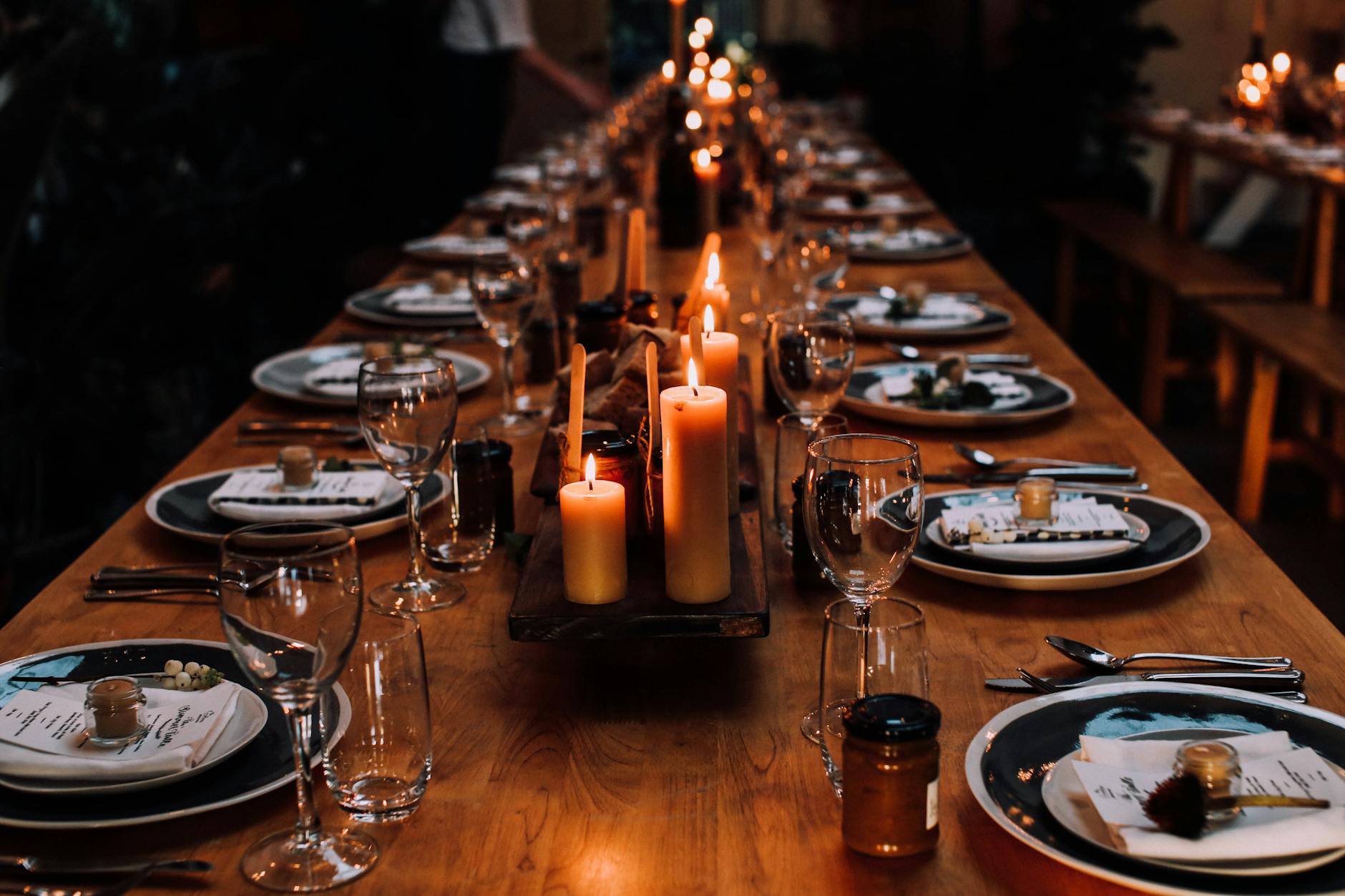
Why Rehearsal Dinner Etiquette Still Matters in 2026
The night before your wedding deserves more thought than most couples give it. A well-run rehearsal dinner sets the emotional tone for the entire weekend, brings two families together (often for the first time), and gives wedding-party members a chance to connect before they line up at the altar the next morning. Following thoughtful wedding rehearsal dinner etiquette is what turns a casual meal into a meaningful kickoff to the celebration.
Modern couples are reshaping this tradition. According to a 2026 wedding industry survey from The Wedding Report, 78% of couples now host a rehearsal dinner — up from 71% five years ago — but the format has loosened considerably. Backyard barbecues, taco trucks, brewery buyouts, and casual restaurant takeovers have replaced the formal sit-down dinner for nearly half of weddings under 150 guests.
That flexibility makes the etiquette less about rigid rules and more about clear communication. Who pays? Who is invited? When should it start and end? What kind of toasts are appropriate? Couples still want guidance, especially when blending family traditions, navigating divorced parents, or hosting a destination wedding where the rehearsal dinner doubles as a welcome event.
This guide walks through every decision in modern rehearsal dinner planning, from guest lists and venue choices to a sample timeline and the small touches that make the night memorable. Whether you are hosting twelve people in a private dining room or eighty guests at a vineyard, the same etiquette principles apply.
Who Hosts and Who Pays for the Rehearsal Dinner
Traditionally, the groom’s parents host and pay for the rehearsal dinner. The custom dates back to a time when the bride’s family covered the entire wedding, and the groom’s family used the rehearsal dinner as their contribution. While this convention still guides many weddings, it is no longer the default in 2026.
Today’s couples handle the bill in a few common ways:
- The groom’s parents host and pay, sticking with the traditional approach.
- The bride’s and groom’s parents split the cost evenly, with one family taking on logistical planning.
- The couple themselves pay, especially if they are older, financially independent, or want full control over the guest list and venue.
- A combination — for example, the groom’s parents host the dinner while the couple covers welcome drinks for out-of-town guests.
The most important etiquette point is to settle the financial arrangement early. Awkwardness happens when assumptions go unspoken — one set of parents plans a steakhouse menu while the other pictures a backyard pizza party. Have the conversation as soon as your wedding venue is booked, ideally six to nine months out, so the hosts can budget appropriately. Average rehearsal dinner spend in 2026 sits around $1,800 for a 25-person dinner and $4,500 for a 60-person dinner, depending on city and venue type.
If the groom’s parents are deceased or estranged, the bride’s parents, the couple, or close family friends can step in without any social misstep. Modern rehearsal dinner etiquette prioritizes warmth over rigid tradition, and guests rarely care who is technically writing the check — they just want to feel welcomed.
Building Your Rehearsal Dinner Guest List
The minimum guest list is well established by etiquette: the wedding party, their plus-ones and immediate family, the officiant and their spouse, and the parents and grandparents of both the bride and groom. Children too young to take part in the rehearsal still come, and so do flower girls, ring bearers, and their parents.
From there, the list expands based on three factors: budget, venue capacity, and how many out-of-town guests are arriving the night before. A common 2026 trend is the hybrid rehearsal-and-welcome dinner — couples invite the traditional rehearsal dinner crowd plus all out-of-town guests, then wrap with a more intimate dessert or after-party for close family only. This is especially popular for destination weddings, where guests have traveled and would feel left out being excluded from the only pre-wedding event.
A few etiquette pitfalls to sidestep:
- Do not invite local friends or extended family casually. Once you start inviting outside the wedding party, the line gets fuzzy fast and you risk an uneven guest list that hurts feelings.
- Do not exclude a wedding party member’s plus-one. If your maid of honor is bringing her partner to the wedding, that partner belongs at the rehearsal dinner.
- Do not forget the officiant. They are integral to the ceremony, and inviting them shows appreciation while giving them a chance to meet family.
- Do invite parents of any flower girls or ring bearers under twelve. The kids will need a familiar adult to sit with through dinner.
If your budget cannot stretch to include all out-of-town guests, host a casual welcome drinks gathering at the hotel bar after the rehearsal dinner ends. It is a graceful way to greet traveling guests without expanding the dinner itself, and many couples find this two-tier approach gives them a more relaxed dinner with the people closest to them.
Choosing a Venue and Setting the Tone
The cardinal rule of rehearsal dinner venue selection is that the dinner should never feel grander than the wedding itself. If your wedding is a 200-person black-tie affair at a historic estate, do not book the same chef and the same china pattern for the night before — you will exhaust guests and dilute the wedding day. The rehearsal dinner is a warm-up, not a second main event.
Popular 2026 venue choices include private dining rooms at neighborhood restaurants (which run $60–$120 per person at most metropolitan price points), brewery and winery taprooms (often with food truck partnerships), historic homes available for private buyouts, and family-style backyard parties catered by a local restaurant. For destination weddings, a beachfront restaurant or a vineyard sunset dinner doubles beautifully as a welcome event.
Set the tone deliberately. A relaxed dress code (cocktail attire or smart casual) signals to guests that the rehearsal dinner is meant to be fun, not formal. Mixed seating that breaks up family clusters helps the two sides actually meet each other before the wedding day. And if you want to lean into personalization, consider matching the venue or menu to a meaningful theme — a Mexican restaurant where the couple had their first date, an Italian dinner honoring the groom’s heritage, or a barbecue celebrating the bride’s hometown.
A small touch that pays off: a personalized welcome sign at the venue entrance. It greets traveling guests, doubles as a photo backdrop, and signals that the night has been planned with care. Acrylic and wood-frame signs at most 2026 price points cost $40–$90, far less than full custom signage for the wedding day, and can be repurposed as a keepsake afterward.
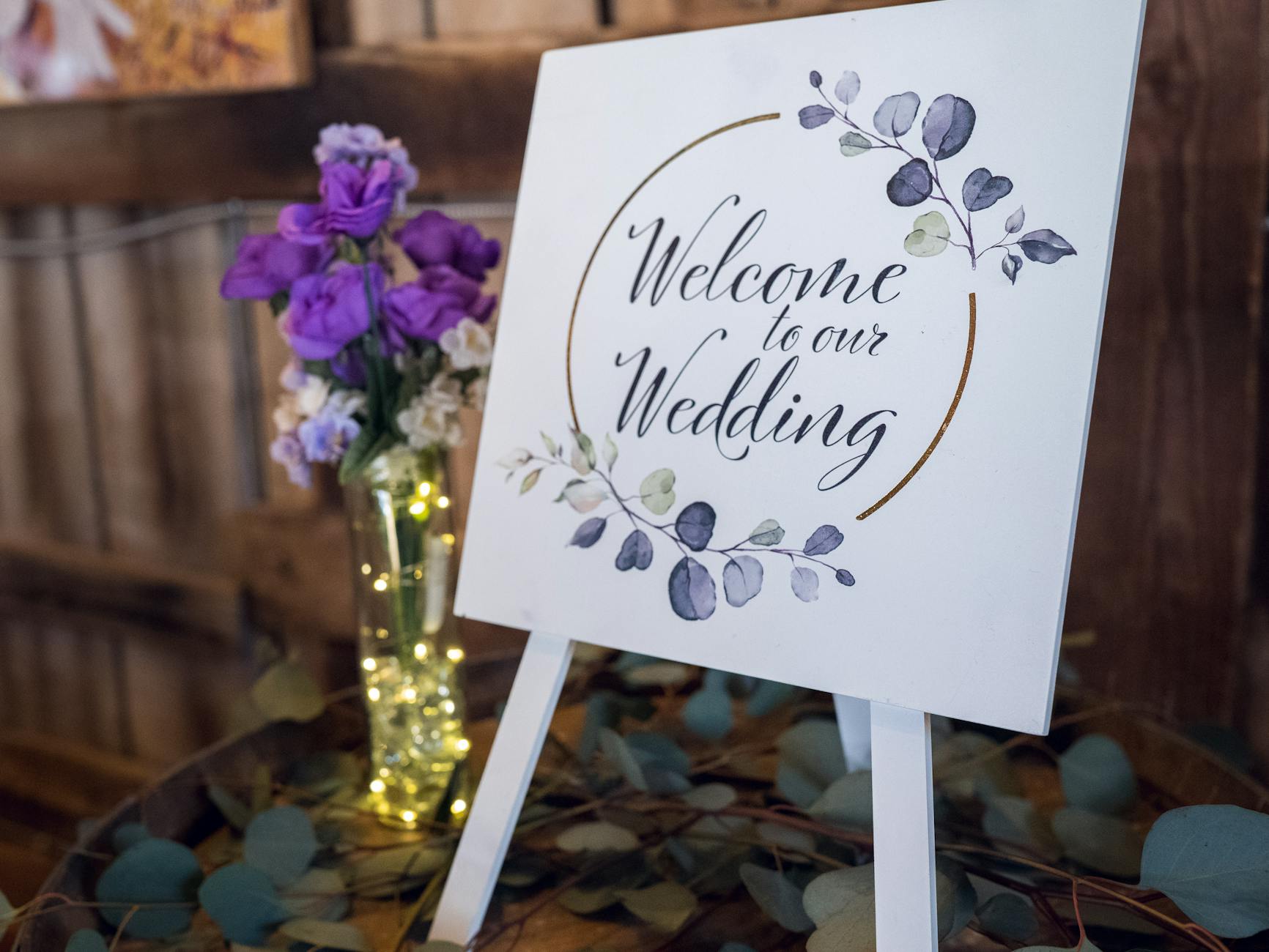
A useful pick is the Personalized Acrylic Welcome Sign for Rehearsal Dinner — A clear acrylic sign with the couple’s names and "Welcome" or "Rehearsal Dinner" lettering in gold or white. Sets the tone the moment guests walk in and works as a photo prop (typically $45–$85).
A Sample Rehearsal Dinner Timeline
Most rehearsal dinners run three to four hours, including the wedding rehearsal itself. Keeping the night moving prevents the energy from sagging — and gets everyone to bed at a reasonable hour before the wedding day.
A typical 2026 rehearsal dinner timeline:
- 4:00 PM — Wedding party arrives at the ceremony venue for the rehearsal walkthrough.
- 4:30 PM — Officiant runs the processional, recessional, and any unique elements (readings, ring exchange, unity ceremony) twice.
- 5:30 PM — Rehearsal wraps; guests travel to the dinner venue.
- 6:00 PM — Cocktail hour and welcome drinks begin.
- 6:45 PM — Guests are seated; first course served.
- 7:15 PM — Brief toast from the host (usually the groom’s father or both fathers).
- 7:45 PM — Main course served.
- 8:15 PM — Wedding party gifts presented; brief toasts from the couple.
- 8:45 PM — Dessert served.
- 9:30 PM — Dinner concludes; couple thanks the hosts and guests.
- 10:00 PM — Optional welcome drinks at the hotel bar for traveling guests.
This pacing works for sit-down dinners; if you are doing a buffet or cocktail-style event, the food service collapses into a single 90-minute window and the timeline tightens accordingly. Designate a friend or sibling outside the wedding party as informal "timekeeper" to nudge things along between courses.
Most importantly, end the evening early enough that the couple, the wedding party, and especially the parents are rested for the wedding day. Nothing dulls a bride’s glow at 10 a.m. like a 2 a.m. bedtime the night before.
Toasts, Speeches, and Wedding Party Gifts
Toasts at the rehearsal dinner are warmer and more personal than wedding reception toasts because the audience is small and largely family. Etiquette dictates that the host (traditionally the groom’s father) gives the first welcome toast, followed by the couple thanking everyone for traveling and being part of the celebration. Anyone else who wants to speak can — but the rehearsal dinner is the night for parents, siblings, and close friends who might not get a microphone at the reception.
Limit each toast to two or three minutes. Anything longer turns the evening into a marathon, and emotionally exhausting toasts the night before a wedding leave the couple drained on the morning that matters most. Some couples designate one host as the unofficial timekeeper, or print a "running order" of toasts on the place cards so everyone knows when their turn comes. If anyone tends to ramble, gently let them know in advance they’ll have a 90-second window.
The rehearsal dinner is also the traditional moment to give wedding party gifts. Bridesmaids might receive matching jewelry to wear during the ceremony, hair accessories, monogrammed robes, or a thoughtful book. Groomsmen often receive cufflinks, engraved flasks, leather wallets, or ties. Parents receive something lasting — a framed photo, a personalized wine box, a piece of jewelry, or a handwritten letter the couple can read aloud during their toast. For more inspiration on thanking your wedding party, see our guide at 17 Best Ways to Thank Your Bridesmaids and Groomsmen.
A practical tip: gift each parent a small framed note or memento privately rather than in front of the full table. Public gifting can feel overwhelming for parents who are already emotional, and a quiet exchange before or after dinner often lands more meaningfully.
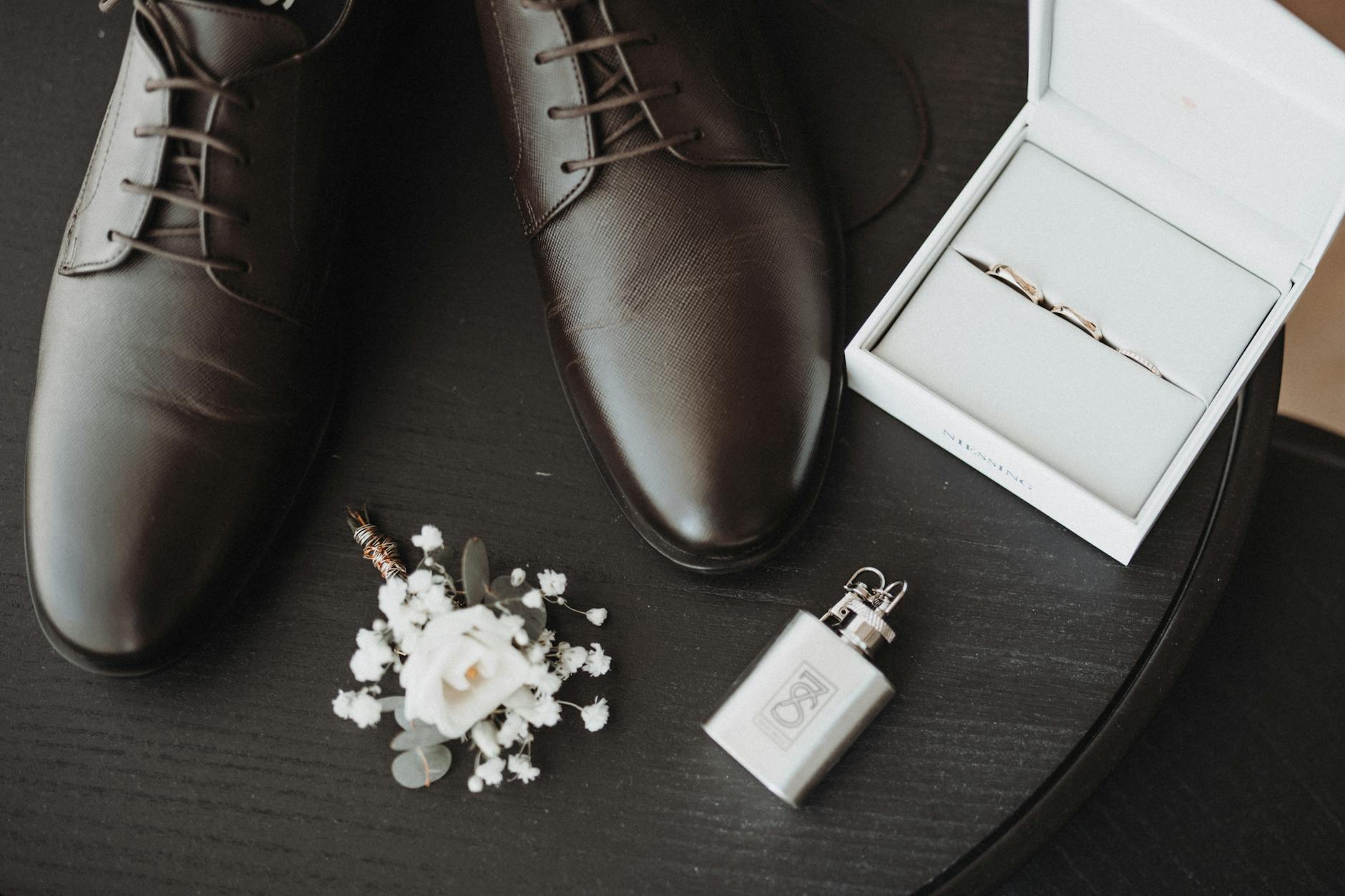
A useful pick is the Personalized Cufflinks Set for Groomsmen — Engraved sterling-look cufflinks with each groomsman’s initials — a classic rehearsal dinner gift that doubles as wedding-day attire and lasts for years (typically $22–$60).
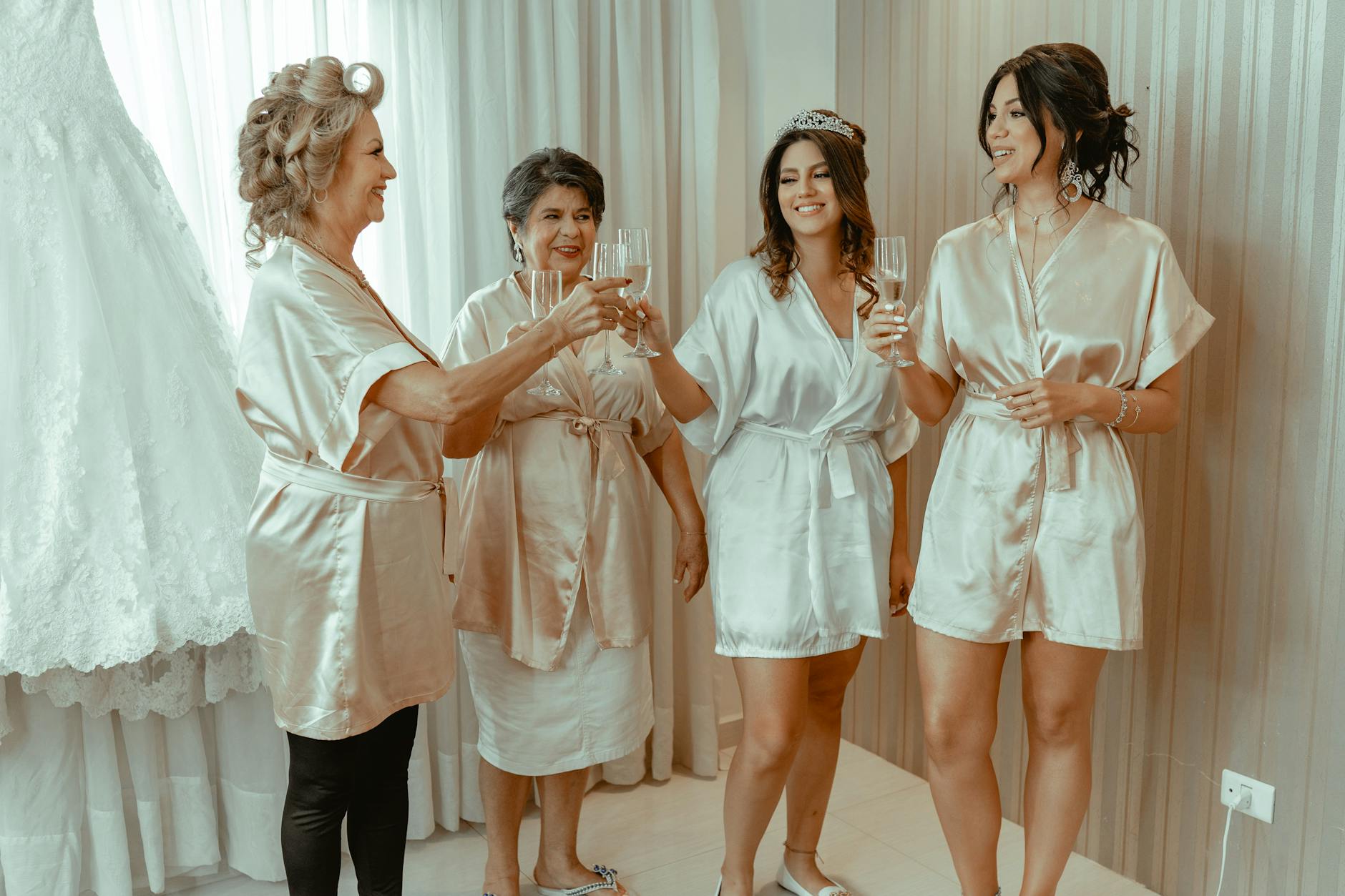
A useful pick is the Monogrammed Satin Bridesmaid Robes (Set) — Lightweight satin robes embroidered with each bridesmaid’s initial or role. Perfect for getting-ready photos and unwrapped at the rehearsal dinner (typically $18–$32).
Decor, Menus, and Personal Touches for 2026
Modern rehearsal dinners lean into personal storytelling. Instead of generic florals and standard white linens, couples are using the rehearsal dinner as a "preview" — borrowing one signature element from the wedding without copying it wholesale. A bride who loves dahlias for the wedding might do a single hand-tied bouquet at the rehearsal dinner head table. A couple with a moody color palette for the reception might pick one accent color to thread through.
A few 2026 trends worth considering:
- Welcome signs at the entrance with the couple’s names and a thank-you to traveling guests.
- Custom menu cards or place cards that double as keepsakes guests take home.
- A photo wall featuring images of the bride and groom growing up — perfect conversation starters for two families meeting for the first time.
- A signature mocktail (alongside the cocktail menu) acknowledging guests who do not drink, which 2026 etiquette firmly considers a kindness rather than an afterthought.
- Late-night snacks like soft pretzels, sliders, or cookies to send guests off well-fed.
If you are hosting at a restaurant, ask whether they will allow you to bring in custom signage and small décor; most welcome it for a small fee. For backyard or rented-venue dinners, a basic décor budget of $300–$600 covers signage, place cards, simple florals, and table runners without veering into wedding-day territory.
Custom menu cards are a small detail with outsized impact. They tell guests the food was thought through, give the table a polished look in photos, and survive the night as a keepsake. Pair them with handwritten place cards, and you have a setup that feels intentional without taking days to assemble.
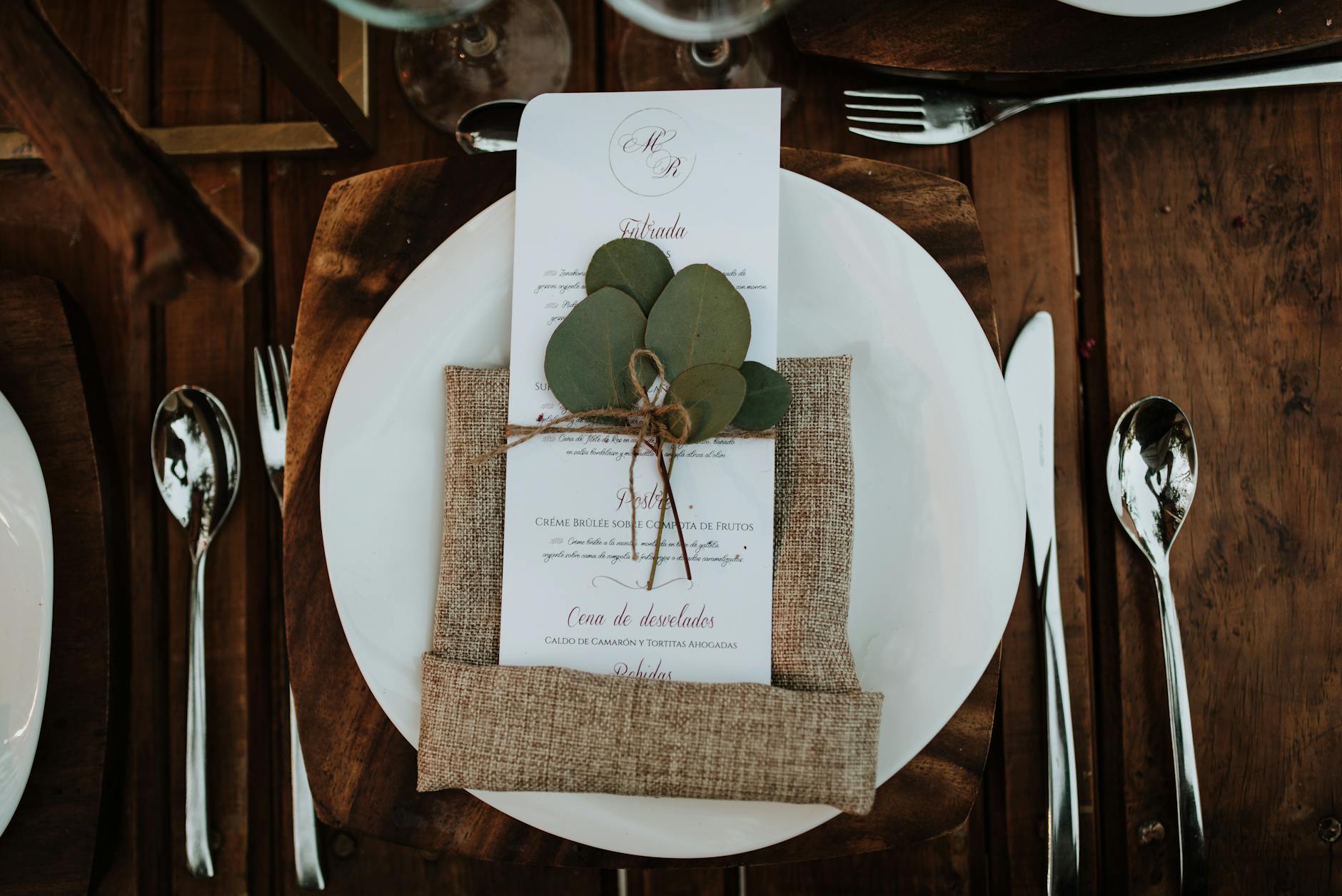
A useful pick is the Custom Wedding Menu Cards (Pack of 50) — Heavyweight cardstock menu cards printed with your dinner menu and couple’s names. A finished, photo-ready table look in a single buy (typically $28–$48).

A useful pick is the Polaroid-Style Photo Display Garland — A wood and twine display kit for hanging childhood and couple photos at the entrance — a low-effort, high-warmth way for two families to meet (typically $15–$30).
Common Rehearsal Dinner Mistakes (and How to Avoid Them)
The most common etiquette breaches are quiet ones — small slip-ups that nobody mentions but everybody notices. Avoid these and your rehearsal dinner will feel polished and intentional:
- Letting the night run too late. Aim to wrap dinner by 10:00 PM. Anything later and the wedding day starts on a sleep deficit.
- Not assigning seating. Open seating sounds friendly but leaves both families clustered separately and the wedding party crammed at one end. Assigned seating mixes the rooms intentionally.
- Forgetting the officiant or skipping their toast invitation. They will likely decline, but the gesture matters.
- Outshining the wedding. Keep the menu, décor, and dress code one notch below the wedding’s formality.
- Skipping introductions. If the two families have not yet met, make sure the host’s opening toast names key people on both sides.
- Letting toasts run unmoderated. Have one person (often a sibling or trusted bridesmaid) gently move things along if a speech wanders. Our How to Choose a Master of Ceremonies (MC) for Your Wedding: The Complete 2026 Guide guide has tips that translate well to rehearsal-dinner toast wrangling.
- Forgetting to thank the parents and the wedding party publicly. The rehearsal dinner is the moment for these thank-yous, not the reception.
- Failing to coordinate transportation for guests who are drinking. A simple rideshare code or a shuttle from the hotel is a small but appreciated touch.
The best rehearsal dinners feel like a long, warm exhale before the next day’s whirlwind. Strong etiquette is simply the framework that lets that warmth come through — clear communication, generous gestures, and a timeline that gets everyone to bed early enough to be radiant tomorrow. For more on how the rehearsal flows into the next morning, see How to Choose a Master of Ceremonies (MC) for Your Wedding: The Complete 2026 Guide and our handpicked Wedding Quotes That Speak From the Heart: 2026 Collection for toast inspiration.