Wedding Seating Chart Ideas: 2026 Guide to Creative Displays


Why Your Seating Chart Matters More Than You Think
Your wedding seating chart is one of the hardest-working elements of your entire reception. It welcomes guests the moment they step into cocktail hour, sets the visual tone for your décor, and—if executed well—eliminates the awkward, milling-around phase where guests search for their names on a tiny printed card while holding a glass of prosecco. Great wedding seating chart ideas do three things at once: they organize, they decorate, and they photograph beautifully.
In 2026, seating charts have evolved far beyond the framed printout on an easel. Couples are embracing acrylic panels, live greenery installations, mirror glass displays, vintage shutters, and even illuminated LED signs to make their reception entrance unforgettable. Part of this shift is aesthetic—couples want every detail to feel curated—and part is practical, as social media has made the first five minutes of cocktail hour a major photo opportunity for both guests and professional photographers.
Beyond style, your seating chart quietly determines how the first impression of your reception feels. A cluttered, hard-to-read chart generates stress and bottlenecks. A thoughtfully designed one moves 80 to 120 guests to their seats in under ten minutes, keeps the energy upbeat, and gives your wedding party time to breathe before entrances and toasts. The right choice depends on your guest count, venue, budget, and the overall visual identity of your wedding.
This 2026 guide walks through every major category of seating chart ideas, from minimalist acrylic to maximalist florals, with specific material recommendations, budget breakdowns, layout strategies, and the common mistakes that trip up even well-funded weddings. Whether you're marrying 40 guests in a backyard or 250 in a ballroom, the right seating chart approach will make your reception feel intentional from the very first moment.
Acrylic and Mirror Seating Chart Displays for 2026
Acrylic is the single biggest trend in wedding seating chart ideas heading into 2026. Clear acrylic panels create a floating, modern look that works equally well at ballroom receptions, garden tents, and industrial lofts. Vinyl lettering or white calligraphy against transparent glass produces a photograph-ready display that photographers and guests both love. Mirrored glass offers a similar effect with a vintage, romantic edge.
Popular acrylic and mirror seating chart formats include:
- Large clear acrylic panel (24 x 36 inches): The standard size. Holds 10 to 14 tables of names in clean, readable type. Pair with an easel or wooden frame for support.
- Hexagon or arch-shaped acrylic: Shaped acrylic adds geometry and visual interest. Arches especially suit boho, desert, and garden weddings.
- Smoked or tinted acrylic: Subtle gray, blush, or sage tints warm up an otherwise minimalist display and photograph beautifully against darker walls.
- Antique mirror panels: The romantic alternative to acrylic. Calligraphy is typically hand-painted in white or gold. Pair with candlesticks and florals for a fairytale feel.
- Vinyl-lettered mirrors with foliage: Add eucalyptus garland or smilax along the top and bottom edges for texture without crowding the names.
- Double-sided acrylic: Mounted to a central post, a double-sided acrylic chart lets guests read from either direction—a smart choice for tight cocktail hour spaces.
Expect to pay $150 to $450 for a custom acrylic seating chart from a calligrapher or signage vendor, depending on size, lettering style, and whether you supply the panel yourself. Pre-made acrylic blanks are widely available online, which allows budget-conscious couples to DIY the lettering with vinyl decals for under $75.
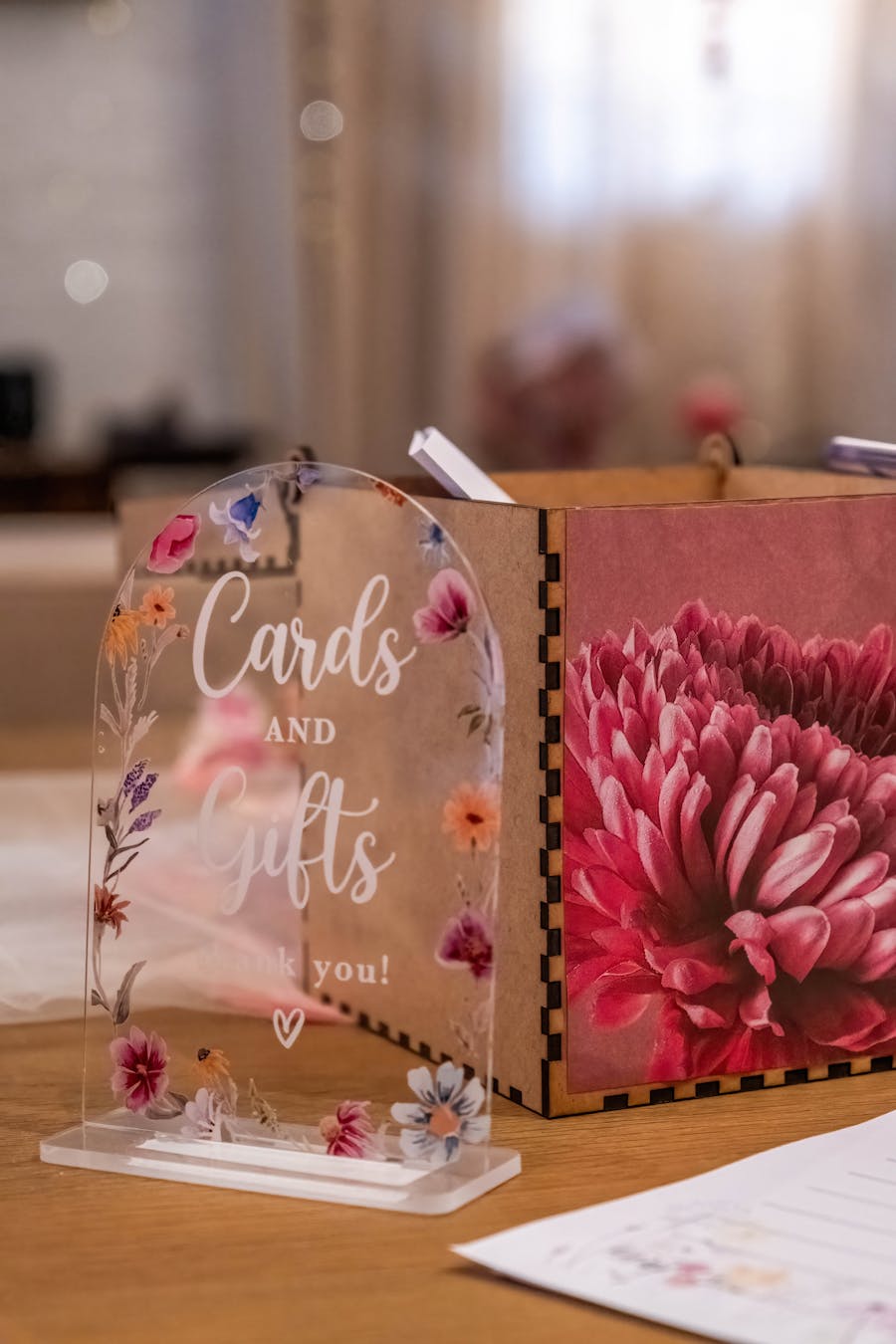
A useful pick is the Clear Acrylic Seating Chart Sign Blank (24 x 36) — A pre-cut acrylic panel ready for vinyl lettering or hand calligraphy. Includes mounting brackets and polished edges. A solid DIY foundation (typically $55–$95).
Creative Themed Seating Chart Ideas That Wow Guests
If clear acrylic feels too minimal for your wedding, themed seating charts let your décor concept shine. The key is matching the chart's medium to your overall aesthetic: a weathered barn door seating chart feels jarring at a modern ballroom wedding, and a polished brass frame feels wrong in a rustic vineyard. When the chart reflects your theme, it doubles as a decorative moment rather than a functional sign.
Themed wedding seating chart ideas that consistently impress:
- Living greenery wall: A moss-covered board or eucalyptus-draped frame with names printed on small card stock tags. Stunning for garden and outdoor weddings.
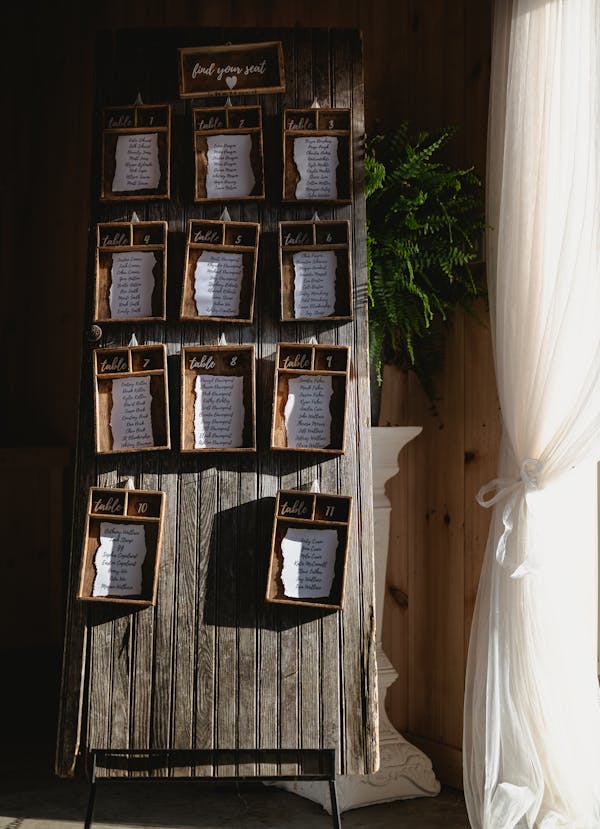
- Vintage window frames or shutters: Paint names directly on the glass or mount cards inside each pane. Perfect for farmhouse, rustic, and shabby-chic aesthetics.
- Travel-themed vintage maps: Write guest names on map locations they've visited or that hold shared meaning with the couple.
- Wine bottle or cork displays: Attach escort cards to corks or use wine bottles with names etched on labels—ideal for vineyard weddings.
- Champagne coupe towers: Place names on small cards tucked into champagne glasses, each representing a seat. Photogenic and interactive.
- Nautical rope and wooden plank: Names hand-painted on small wood slices or tied with twine to a large rope grid.
- Botanical pressed flower panels: Pressed flowers sealed between glass panes with calligraphy on top for a garden-ethereal feel.
Themed charts often cost more than simple acrylic because they require artisan labor or specialty materials, but they deliver serious visual impact. Expect $300 to $900 for a custom statement chart from a wedding décor vendor.
Beyond the themes above, a handful of decorative approaches work especially well for couples who want the seating chart itself to be a photographed focal point. A pressed-flower glass display — real florals sealed between two panes of clear glass with calligraphed names layered over them — photographs beautifully in natural light and suits garden, botanical, and spring weddings. For fall and winter, an antique mirror with names hand-lettered in white paint pen reads elegant and traditional at a fraction of the cost of a custom acrylic panel. Vintage ladders and wooden doors lend themselves to farmhouse and barn aesthetics; lean the ladder against a wall and clip a name card to each rung, or paint names directly onto the door panels for a single-use statement piece that becomes a keepsake.
The theme should also match the season and venue lighting. A white acrylic chart looks crisp at a daylight ceremony but can wash out under warm string lights at a rustic evening reception — a black or wood-toned background with cream lettering reads better in low light. If the venue has strong architectural features (exposed brick, timber beams, a signature fireplace) consider echoing one of those materials in the chart's frame or easel so it feels integrated rather than imported. Couples working with a wedding planner can ask them for venue-specific photographs of prior seating chart setups to get a sense of how displays read in the actual light.
DIY Wedding Seating Chart Ideas on a Budget
You don't need to spend hundreds of dollars for a seating chart that looks professionally designed. Some of the most memorable wedding seating chart ideas are entirely DIY, assembled in a weekend with materials available at any craft store or online. The secret to a DIY chart that doesn't look DIY is thoughtful typography, clean spacing, and an intentional frame or display method.
Budget-friendly DIY seating chart approaches:
- Printed foam board chart: Design your layout in Canva, print at Staples or Office Depot on 24 x 36 foam board for under $40, and frame with ribbon or faux flowers.
- Chalkboard seating chart: A large black chalkboard plus a chalk marker ($18 total) delivers charming, hand-lettered vibes. Practice layout in pencil first.
- Wood plank with vinyl letters: Reclaimed wood (free from pallets, or $25 at a hardware store) plus pre-cut vinyl lettering from Etsy produces a rustic-chic chart under $60.
- Embroidery hoop seating display: Stretch linen or burlap across a large embroidery hoop, then attach small paper rectangles with guest names.
- Printable template kits: Etsy shops sell editable Canva templates for $8 to $15 that let you print a complete chart at home and display in a thrifted gold frame.
- Twine and clothespin grid: A wooden frame wrapped with twine, with guest name cards clipped on by miniature clothespins. Easy to update if seating changes last-minute.
Start DIY projects at least three weeks before the wedding. Test your printer, double-check spelling against your final RSVP list, and create two to three blank spare cards for last-minute guest changes. Nothing derails a reception opener like a typo or an unplaced guest's name.
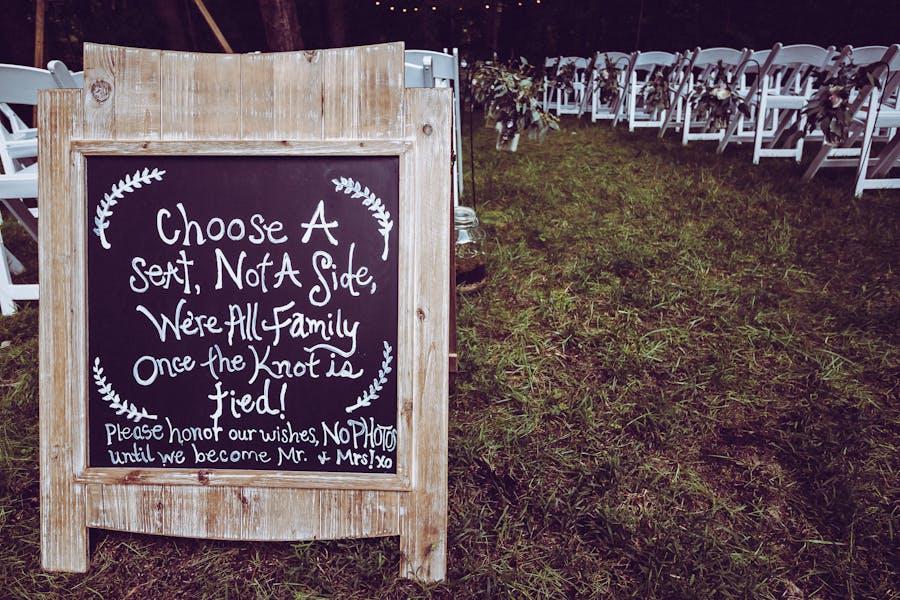
A useful pick is the Large Chalkboard Sign with Wooden Easel — A durable 24 x 36 chalkboard plus matching easel—perfect for DIY seating charts, menu boards, or welcome signs. Reusable for future events (typically $40–$75).
Escort Cards vs Seating Charts: Which Fits Your Wedding?
Before you commit to a single large seating chart, consider whether individual escort cards might suit your reception better. The difference is subtle but important: a seating chart lists all guests in one centralized display, while escort cards are small individual cards per guest, often arranged alphabetically on a designated table. Each approach has real trade-offs depending on your guest count, venue flow, and aesthetic preferences.
Consider a traditional seating chart when:
- Your guest count is 80 or higher (individual cards become overwhelming to browse)
- You want a single statement piece at cocktail hour entrance
- Your wedding aesthetic leans modern, minimalist, or architectural
- You're working with limited entryway table space
Consider individual escort cards when:
- Your guest count is under 80
- You want to give guests a small, personalized takeaway (many double as place cards)
- Your wedding leans traditional, romantic, or craft-focused
- You're incorporating a creative display medium (champagne coupes, small succulents, keys, luggage tags)
Many couples now blend both approaches: a large printed seating chart directs guests to a table number, then small place cards at each seat identify the specific chair. This hybrid solution eliminates the common confusion of guests finding their table but not knowing which seat is theirs. For formal receptions with assigned plated meals, it's nearly essential. Review your overall wedding flow and décor vision before deciding—there's no universally correct answer, just the approach that fits your specific event best.
How to Organize Guests on Your Seating Chart
A beautiful display means nothing if the logistics fall apart. Organizing 100 or 200 guest names into legible, findable groupings is the invisible work that separates a smooth cocktail hour from a ten-minute bottleneck. The 2026 standard is listing guests alphabetically by last name, each followed by their assigned table number, grouped in clean columns of 12 to 15 names per column.
Layout tips that make seating charts guest-friendly:
- Alphabetize by last name, not first: Guests instinctively scan for their last name. Organizing by first name creates chaos, especially for larger weddings.
- Use consistent spacing between names: Irregular spacing is the single most common reason a chart looks unprofessional, even when the calligraphy is stunning.
- Bold table numbers: Names stay light weight; the table number sits in bold. This lets eyes skip straight to the destination once a name is found.
- Use sentence case, not all caps: All caps is harder to read quickly. Sentence case (Thomas Anderson, not THOMAS ANDERSON) scans 30% faster.
- Include a small legend for hyphenated guests: If you have guests with complex last names, listing them twice (once under each surname) prevents 'I can't find myself' confusion.
- Proofread against RSVPs three times: Typos on seating charts are nearly impossible to fix day-of. Have two people cross-check against your final guest list.
- Use at least 28pt type: Font sizes below 24pt become illegible from more than three feet away. Test your chart by standing six feet back before finalizing.
For planning the complete flow from invitations to seating, our [wedding planning timeline guide](How To Plan A Wedding Timeline) outlines when to finalize your chart, send RSVPs, and build in buffer for last-minute changes so your display is ready and accurate on the day.
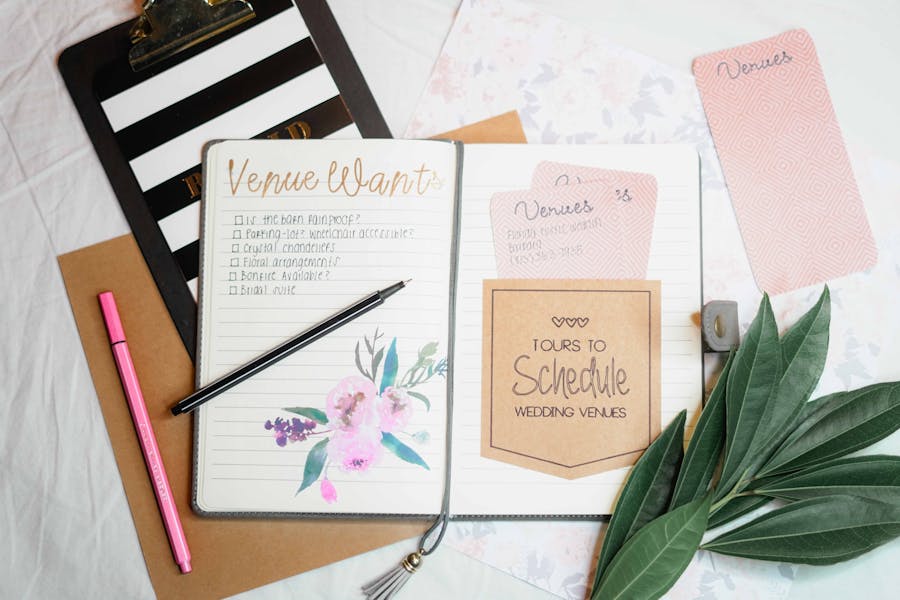
A useful pick is the Wedding Seating Chart Planning Template Book — A spiral-bound planning journal with printable seating layouts, RSVP trackers, and guest note pages. Makes alphabetizing and final proofing much easier (typically $18–$28).
Where to Display Your Seating Chart at the Reception
Placement matters as much as design. The ideal location for your seating chart is the primary entry point into your cocktail hour or reception space—somewhere guests naturally pass within the first 60 seconds of arriving. Too far from the entrance and guests miss it; too close and bottlenecks form within two minutes of doors opening.
Strategic placement considerations for 2026 weddings:
- Cocktail hour entry: The most common and highest-performing placement. Guests see it as they grab their first drink.
- Flanked by florals or candles: Anchor the chart with tall floral arrangements, pillar candles, or tapered candelabras on either side for a framed statement.
- Lit from above or below: Uplighting, spotlights, or backlit acrylic ensure visibility in dim venues. Test lighting during the venue walkthrough.
- With ample traffic flow space: Allow 6 to 8 feet of open space in front of the chart so 4 or 5 guests can read simultaneously without crowding.
- Near the bar—but not at it: Positioning the chart too close to the bar creates a double-bottleneck. Keep 10 to 12 feet of separation.
- Away from direct sunlight: Outdoor venues need shaded placement; direct sun washes out acrylic lettering and fades ink within an hour.
- Coordinated with welcome signage: Your seating chart should visually match your welcome sign and ceremony signage. Use the same fonts, colors, and material where possible.
Work with your wedding planner, venue coordinator, or day-of coordinator to confirm placement during the rehearsal. Test sightlines from multiple entry angles, and confirm that your easel or stand is stable enough to resist a bumped elbow or a stray breeze—a toppled seating chart mid-cocktail hour is one of the most stressful recoveries of the entire wedding day.
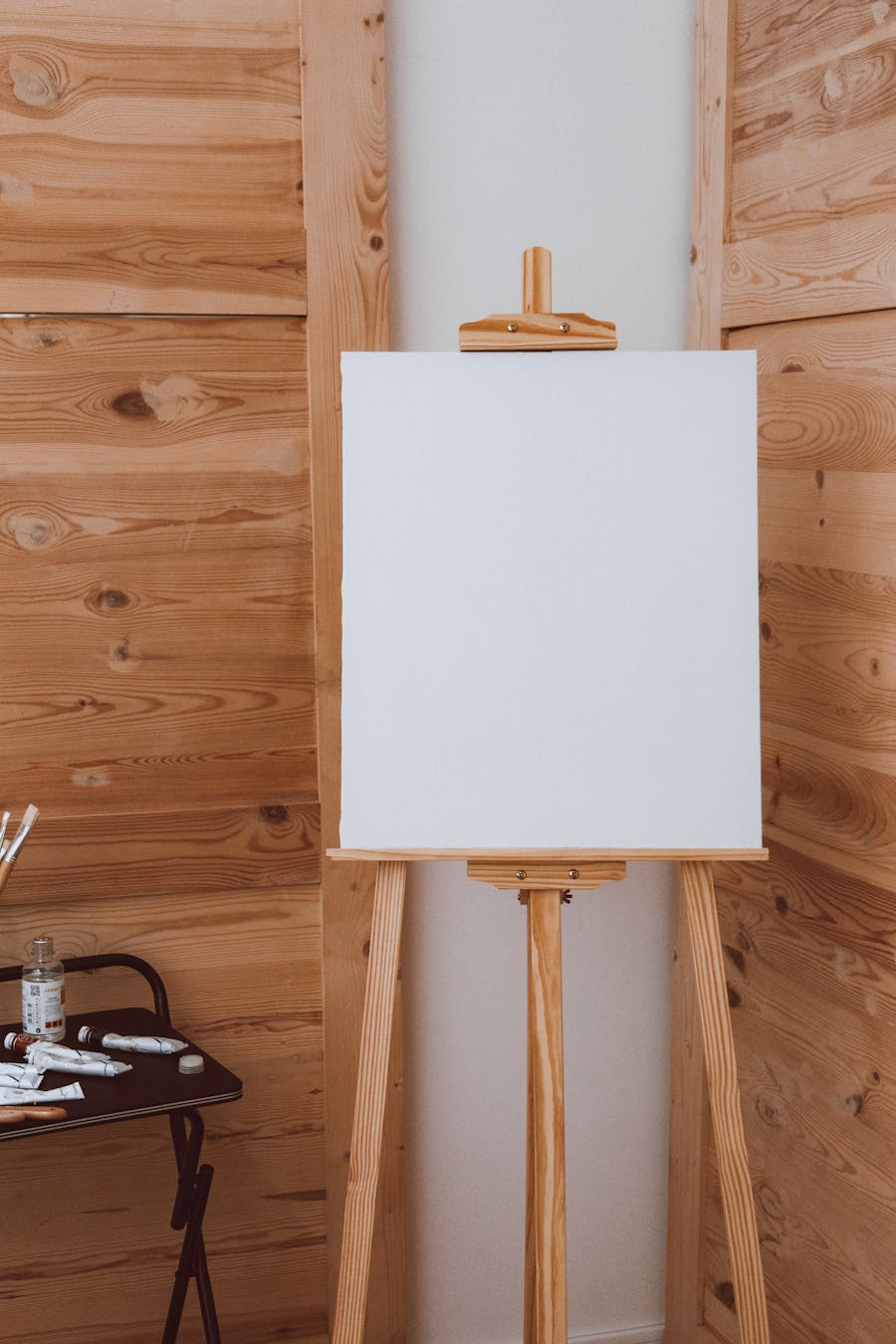
A useful pick is the Wooden Wedding Sign Easel Stand (Adjustable) — A sturdy adjustable wood easel that holds signs up to 40 inches tall. Folds flat for transport and supports acrylic, chalkboard, or foam board displays (typically $35–$70).
Placement is as important as the chart itself. The ideal location is somewhere guests naturally pass through during the transition from ceremony to reception — the cocktail-hour entrance, the edge of the bar, or just outside the reception room doors if the two spaces are separate. Avoid the middle of the cocktail-hour floor; a free-standing sign there becomes an obstacle once drinks are served and a photographer is trying to capture candid moments.
Lighting matters more than most couples realise. A chart in a dim hallway or against a backlit window is unreadable and guests crowd in, creating a traffic jam ten minutes before dinner. Point a small uplight at the display, or position it in a spot that already gets ambient light from nearby fixtures. For evening receptions, test the display at the real light level at least a week in advance — what looks legible under a wedding planner's phone flashlight during setup can disappear once the overhead lights are dimmed to 40% for dinner service.
Freestanding easels work for most setups but consider a tabletop display when the room is tight or the sign is smaller than 18 by 24 inches. A round cocktail table draped to the floor, with the sign propped against a small stack of books or a picture-frame support, often looks more intentional than a lone easel in a corner. Add a small vase of florals at the base to tie the chart into the rest of the reception décor and to subtly discourage anyone from knocking it over during the cocktail crush.
Common Seating Chart Mistakes to Avoid
Even couples with clear visions and generous budgets run into the same preventable seating chart problems. The patterns repeat because the pain points are rarely discussed until the mistake has already happened. Steering around these common pitfalls is often the difference between a chart guests compliment and one they complain about quietly in the bathroom line.
The most common wedding seating chart mistakes:
- Waiting too long to finalize: Your final chart depends on final RSVPs, which depend on clear deadlines. Set an RSVP cutoff at least three weeks before the wedding and build in a full week for chart design.
- Ignoring dietary and accessibility notes: Guests with mobility concerns, children, or dietary restrictions should be placed thoughtfully—near exits, closer to the main table, or away from the DJ speakers.
- Poor font choice: Ornate script fonts look beautiful in isolation but become illegible at scale. Use script for the header only; list names in a clean serif or sans-serif.
- Missing guests: Triple-check your final RSVP list against the chart. A guest whose name isn't on the chart at all is a serious, visible problem.
- Wrong table count: Confirm your final table count with your catering team. Charts sometimes include table numbers that the venue later consolidated or split.
- No backup plan for outdoor weddings: Rain, wind, and humidity can destroy paper, chalk, and acrylic charts. Have a covered backup location identified at rehearsal.
- Neglecting the vendor and wedding party seating: Photographers, videographers, the DJ, and close vendors appreciate assigned seats. Not listing them is awkward for everyone.
- Overcrowding one column: Sixteen names squeezed into one column looks stressed. Balance your layout evenly, even if it means leaving white space on one side.
For vendors who specialize in custom seating chart design and signage, consider browsing our [wedding stationery vendor directory](stationery) to find local artists who can execute your vision with professional polish.
Avoiding these missteps turns your seating chart from a stress point into a signature design moment—one that anchors your reception's first impression and photographs beautifully for years.
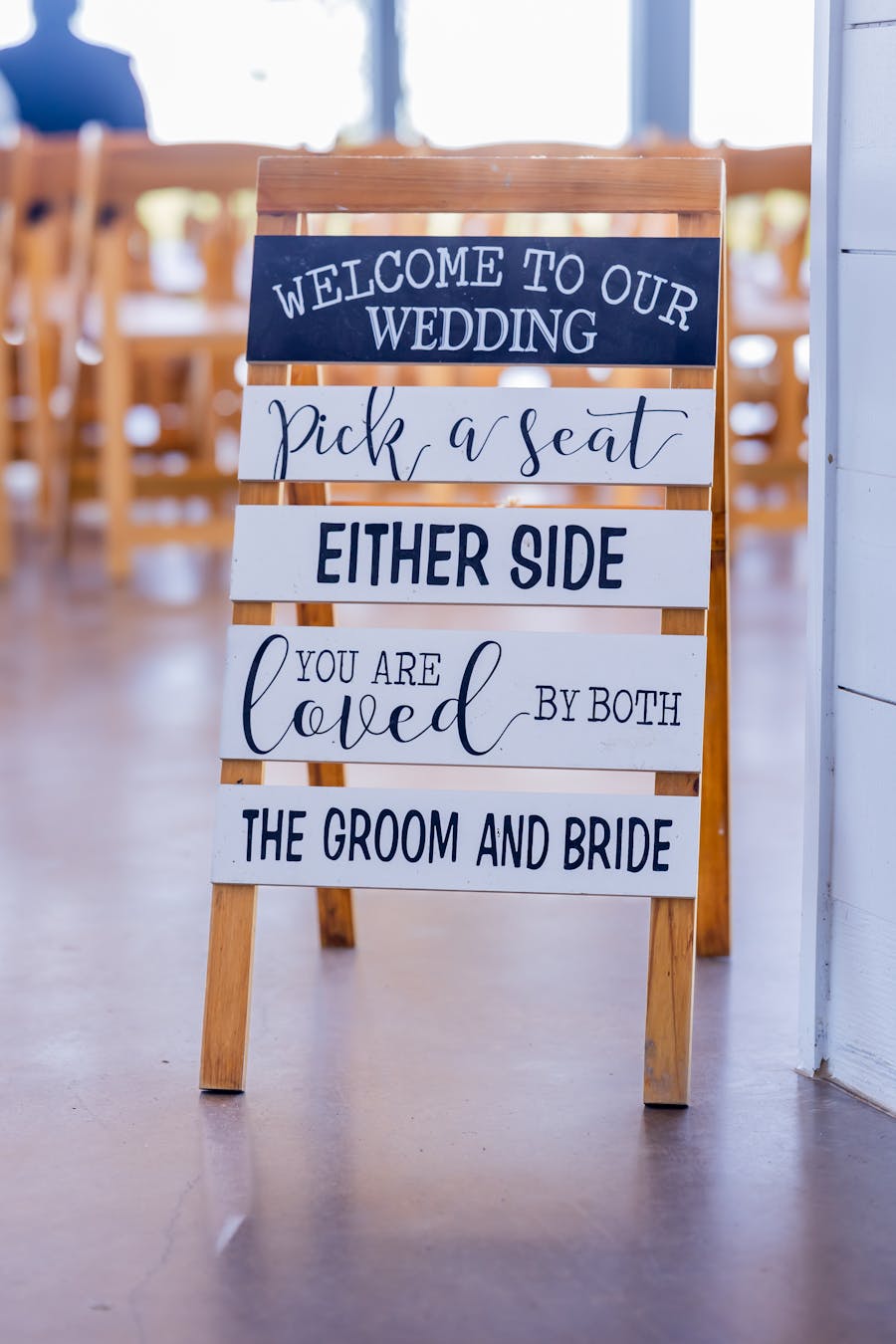
A useful pick is the Vinyl Lettering Decal Kit for Wedding Signs — A pack of peel-and-stick vinyl letters in white or gold, perfect for applying to acrylic, mirror, or chalkboard seating charts. Includes transfer tape and alignment guide (typically $22–$45).
Wedding Seating Chart FAQ
- When should I finalise my wedding seating chart?
Two weeks before the wedding is the right window. That gives a buffer for late RSVPs and dietary-restriction updates without being so early that three guests cancel after you've already printed the chart. Expect at least one last-minute change in the 72 hours before the ceremony — build some flex into each table.
- Is it better to use individual escort cards or a single seating chart display?
A single display is cheaper, greener, and easier to update last-minute. Escort cards work best when you want guests to physically take something from a welcome table and walk it to their seat — more traditional and ceremonial, but roughly two to three times the cost and significantly more setup time on the day.
- Do I need assigned tables or assigned seats at each table?
Assigned tables only is enough for most weddings. Assigned seats matter for formal plated dinners with specific menu selections per person, or when strategic pairings — parents with old friends, singles with similar-aged guests, work colleagues together — really change how the room flows. Buffets and family-style dinners rarely need assigned seats.
- How do I handle guests who have not RSVP'd?
Call or text them directly — don't assume they'll turn up. Set a firm internal cutoff, typically 10 days before the wedding, and default non-responders to 'not attending' if you still haven't heard back. Late yes-adds can squeeze into existing tables if space allows, but don't hold a seat open indefinitely.
- What is the most common mistake couples make with seating charts?
Seating by surface-level relationships — two quiet guests who happen to share a mutual friend — instead of energy match. Two extroverts who've never met is usually a great pairing; two introverts forced together because they're both cousins often isn't. Think about who would actually enjoy each other at a four-hour reception, not just who 'should' know each other.
- Should divorced parents be seated at the same table?
Only if they've said they're comfortable with it. The safer default is two 'parents of the couple' tables — one for each parent's side — so neither feels demoted to a secondary role. Confirm the plan individually with each parent before the printing deadline so there are no surprises on the night.