Lessons From Pandemic Wedding Planning: A 2026 Retrospective


Why the Pandemic Era Still Shapes Wedding Planning
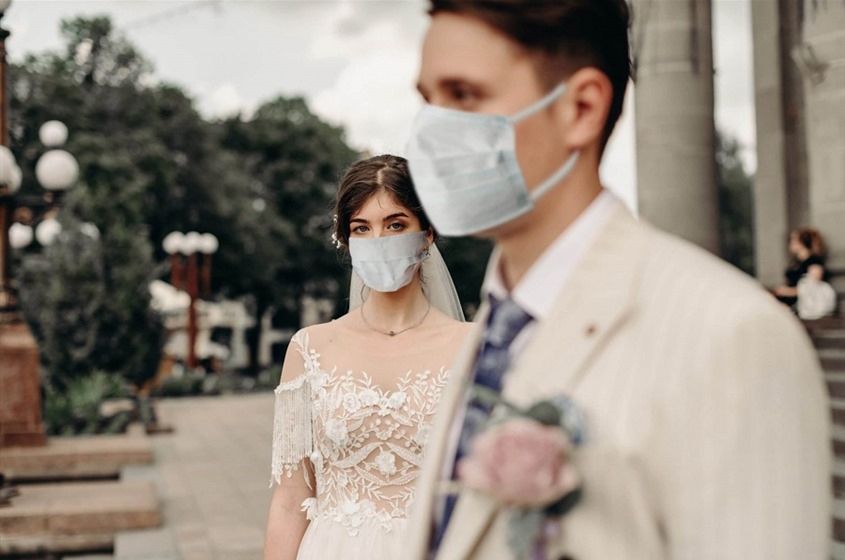
The years when weddings were disrupted by public health emergencies reshaped wedding culture in ways that continue to influence planning in 2026. Micro-weddings became a legitimate choice rather than a reluctant concession. Livestreaming became standard. Contingency planning shifted from an afterthought to a core part of every vendor contract. The couples who planned weddings during that period developed a discipline about what matters most at a wedding that many couples still lean on today.
This retrospective covers the planning lessons that emerged from those years and how they apply to planning any wedding now, even under normal conditions. The shifts are useful not because a similar disruption is imminent, but because the thinking produced by those years was better thinking. Planning a wedding with one eye on 'what happens if something unexpected occurs' produces more robust plans than planning for a perfect day.
Lesson 1: Smaller Often Works Better
When guest counts had to shrink dramatically, many couples discovered that smaller weddings were not a compromise — they were a genuinely better format. Conversations were more substantive, every guest was there because they deeply mattered to the couple, and the emotional weight of the day intensified.
The lesson for 2026: guest-list pressure is often external rather than internal. Couples default to inviting 150 people because they feel socially obligated, not because they genuinely want all 150 people there. The couples who realized during the pandemic era that they preferred a 35-person wedding to a 135-person one often continued choosing intimate formats even when larger ones were possible.
Question to ask yourself: if you could invite any 30 people, who would they be? That list — not a proxy list made of obligations — is your real wedding guest list. Everyone else is optional.
Lesson 2: Contingency Clauses in Every Vendor Contract
Before the pandemic era, most wedding vendor contracts had boilerplate cancellation terms that were rarely invoked. During that period, every couple rewrote what was possible to renegotiate, and vendors adapted.
In 2026, vendor contracts consistently include:
- Rescheduling clauses with specific terms (typically one free reschedule for documented cause)
- Clear force majeure definitions covering weather, public health, and venue-imposed restrictions
- Deposit refund terms under specific circumstances
- Credit transfer options if the vendor cannot make the original date
Read every clause. The pandemic era taught couples that vendor contracts matter more than they seemed — a good rescheduling clause is worth more than a 10 percent price reduction on the contract. Push back on vague language before signing.
Lesson 3: Livestreaming Became Normal
During the pandemic era, livestreaming became how extended family and distant friends participated in weddings. In 2026, it remains a standard feature even when in-person attendance is possible. Grandparents in another country, friends with health or travel limitations, and work colleagues who were not quite close enough to invite can all be meaningful participants through a simple livestream.
What works in 2026 livestreaming setups:
- A single camera on a tripod positioned to capture the ceremony and first dance
- A private YouTube or Vimeo stream with a password shared only with invited remote viewers
- Professional setup ($500 to $1,500) is worth it over DIY — wedding livestreams have bad audio and shaky framing surprisingly often
- A brief pre-recorded welcome video sent to remote attendees ahead of the ceremony
The pandemic-era lesson endures: weddings are a way of gathering people, even when they cannot physically gather. A simple livestream expands the meaningful participation of people who care about the couple.
Lesson 4: Outdoor Weddings Became the Default
The disruption-era preference for outdoor weddings — driven by ventilation concerns — continued long after those concerns receded. Outdoor weddings now account for roughly 55 percent of all US weddings in 2026, up from under 40 percent a decade ago.
The lasting benefits: outdoor weddings photograph beautifully, feel more relaxed, and often cost less in venue fees than comparable indoor ballrooms. The remaining challenge is weather planning — which disruption-era couples developed into a discipline.
2026 outdoor wedding weather-planning standard: a tent on standby (either included in the venue package or reserved contingent on a forecast threshold), a clear go/no-go call 48 hours before the wedding, and guest communication channels that can deliver last-minute location updates. These elements are now so standard that couples who skip them are consistently surprised when weather becomes a problem.
Lesson 5: Flexibility Is a Feature, Not a Fallback
Pre-pandemic wedding planning treated the original plan as sacred and any deviation as failure. Disruption-era couples learned to treat the plan as a starting point and deviation as something to navigate gracefully. That mindset survived the pandemic era and produces calmer, more adaptable wedding-day experiences.
The practical version: build a plan with explicit flex points — 'if the weather looks bad, we shift to the tent by 2 PM the day before'; 'if a bridesmaid cannot travel, we fold her role into another'; 'if the caterer has a staffing shortage, we accept family-style instead of plated.'
Couples who plan with flex points are less stressed on the day and less upset when small things shift. The wedding still feels like theirs even when details change, because the plan always included the possibility of change.
Lesson 6: What People Actually Remember
The disruption era gave couples an unintended test of what actually mattered at their weddings. When most of the traditional elements were stripped away — large guest lists, elaborate decor, full reception formats — what remained still felt like a wedding to the people who experienced it.
What people remembered most consistently from those years' weddings:
- The vows, spoken clearly and meant honestly
- The people who were there, and what they brought emotionally
- The meal, if it was meaningful
- The small rituals (first dance, a parent's toast, a specific moment)
- A few distinctive photos from the day
What they rarely remembered: the specific centerpiece design, the linens, the cake flavor, the favors, the elaborate signage. This is not to say those things do not matter — they can add meaningfully to a wedding's feel — but they were never the heart of it.
Applying These Lessons in 2026
Pandemic-era wedding planning produced better thinking about weddings. The planners who carried those lessons forward — prioritizing people and food, building in contingencies, keeping the guest list intentional, incorporating livestreaming for distant loved ones, treating flexibility as a feature — consistently report their weddings as more meaningful than pre-pandemic couples recall theirs.
For a 2026 wedding: start the plan by asking what matters most. Let that answer shape the budget. Build contingency clauses into every vendor contract. Leave room in the plan for the unexpected. And trust that the day will be remembered for the people and the promises, not for the perfection of the execution.