Choosing the right vendors


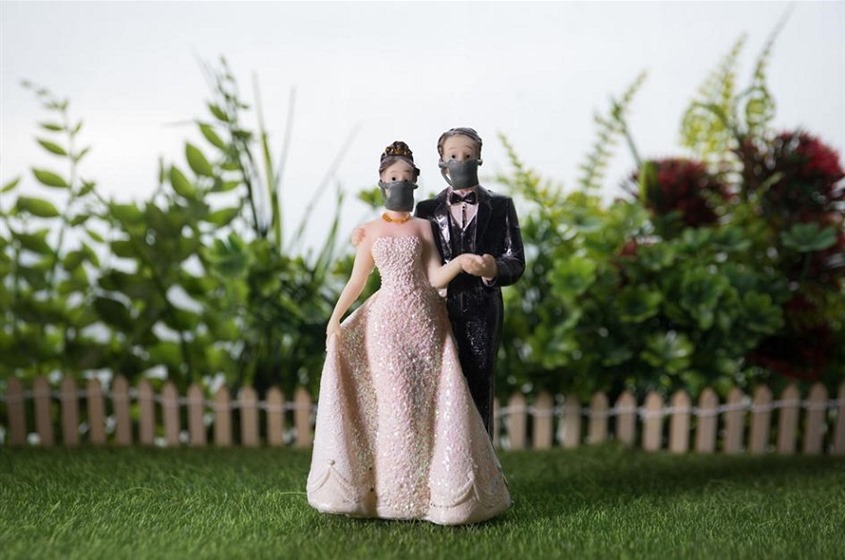
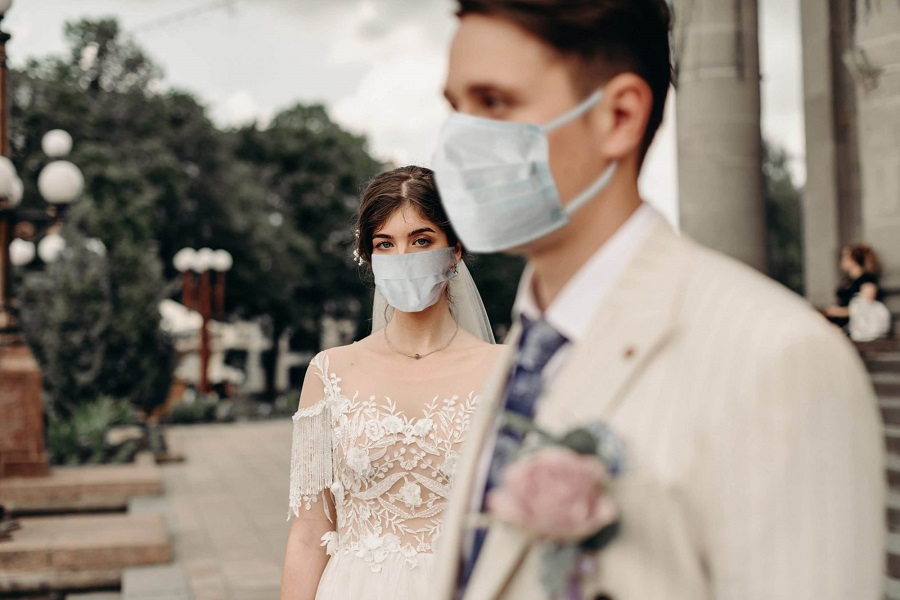
The couples whose weddings were disrupted by public health emergencies in the early 2020s experienced something almost no generation before them did: a global event that forced them to rethink, postpone, shrink, or reinvent the day they had planned for. Most of those couples ended up happy with the wedding they eventually had — sometimes more so than they would have been with the original plan. Their stories remain instructive not because a similar disruption looms, but because the adaptability they demonstrated contains lessons for any couple planning a wedding today.
This retrospective captures what was learned: how couples navigated cancellations and postponements, how they pivoted to smaller or different formats, how they rebuilt plans on short notice, and what they would tell someone facing an unexpected wedding disruption in 2026. The material below is meant as a historical record and a planning resource — a reference for the rare case when your own plans need to shift dramatically.
Couples facing wedding disruption generally chose one of three paths. Each came with its own trade-offs, and the right choice depended on circumstances specific to each couple.
Couples who pivoted often looked back most happily. The new format, built under pressure, frequently captured what mattered most to the couple with less of the theatrical overhead of a traditional wedding.
When couples had to rework plans, vendor negotiations became the hardest logistical part. The patterns that worked:
Couples who negotiated well consistently came out with reasonable terms — often better than the contract technically required. Couples who approached vendors defensively or demandingly often got the minimum the contract required and nothing more. Both ends of the spectrum existed.
Communicating wedding changes to guests was emotionally hard. Couples who did it well followed a consistent pattern:
Guests overwhelmingly responded with understanding. Most wedding-disruption stories from that era include the same refrain: the couple's guests showed up with more warmth, not less, once the original plan was compromised.
A surprising number of disruption-era couples reported that the smaller, pivoted version of their wedding was better than the original plan would have been. The reasons are consistent:
The lesson is not that every wedding should be small. It is that every wedding benefits from asking: 'What is actually essential here?' The couples who answer that question clearly — whether they end up with 30 guests or 300 — plan weddings that feel meaningful rather than performative.
The emotional weight of having wedding plans disrupted was real. Couples experienced grief, anger, and disappointment — all legitimate responses to losing something they had anticipated.
Strategies that helped couples process:
Most couples who lived through wedding disruption report that the eventual wedding, whatever form it took, carried emotional weight that they would not have experienced if everything had gone perfectly. The disruption itself became part of the wedding's meaning.
For couples planning weddings in 2026, the pandemic-era lessons translate into specific practices:
None of these practices requires anticipating disruption. All of them make the wedding day itself calmer, because the plan is more robust to the ordinary small surprises that every wedding encounters.
The most important takeaway from disruption-era wedding stories: the day of a wedding is not defined by its circumstances. It is defined by the people who show up, the promises that are made, and the love that is witnessed. Couples who married in small-guest weddings, on rescheduled dates, in formats they had never imagined, consistently report being married — and that the wedding was real and meaningful, even when it did not look like what they had planned.
If your 2026 wedding goes smoothly and according to plan, the lessons above will still make it a better wedding than you would have had otherwise. If something unexpected happens, you will have a framework for navigating it gracefully. Either way, the outcome is a wedding you remember fondly for the rest of your life.