Planning advice


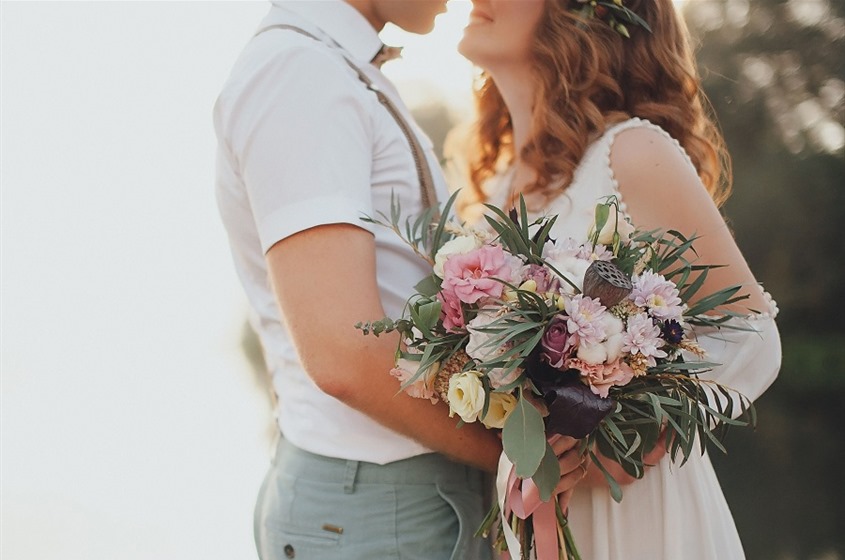
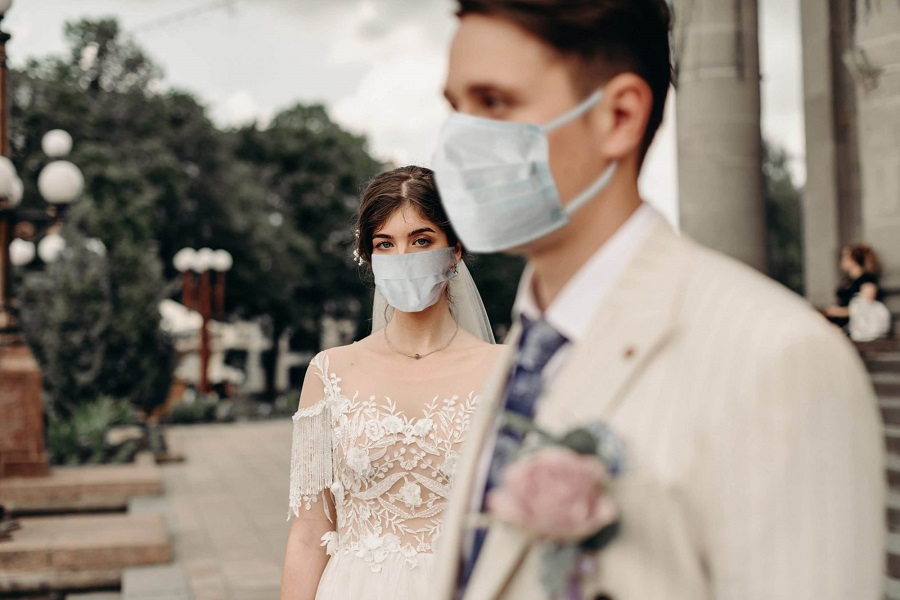
Socially distanced weddings — the smaller, physically spaced, often outdoor weddings that emerged during the pandemic era — created a pattern book of formats that continue to shape wedding planning today. Couples who never experienced a pandemic wedding benefit from the innovations that emerged during that period: intentional guest lists, outdoor and open-air formats, livestreaming, pre-recorded video toasts, and guest-experience thinking that treats every person in attendance as a deliberately invited individual.
This retrospective covers what those weddings taught us and how the innovations endure in 2026 wedding planning. None of the guidance requires a public health emergency to be useful; all of it produces better weddings under normal conditions too.
Social-distancing constraints forced couples to think about individual guest experiences in ways that pre-pandemic weddings rarely did. Instead of planning 'the wedding' as a single large event, couples planned 'what does the evening look like for Aunt Carol, for my boss, for my cousin flying in from out of state?' The specificity produced weddings where every guest felt deliberately considered.
This guest-experience lens persists in 2026. Specific practices that came from the pandemic era:
These elements make guests feel thought about rather than processed. The weddings guests remember most fondly in 2026 are consistently the ones where individual guest experience was deliberate.
The pandemic era pushed weddings outdoors, and outdoor weddings mostly stayed there. The aesthetic benefits — natural light, dramatic scenery, open atmosphere — combined with the lower cost of open-air venues and the practical benefit of fresh air to create a format that did not need to go back inside.
2026 outdoor-wedding patterns that emerged from that era:
The permanence of outdoor preference in 2026 is a clear legacy of the pandemic era. It is not that outdoor weddings are inherently better — it is that the pandemic proved they are at least as good, and often better, than indoor alternatives.
Livestreaming the ceremony, recording video messages from distant guests, and integrating remote participation into the reception experience became standard during the pandemic era. In 2026, many weddings still offer hybrid attendance as a regular feature.
How it shows up in 2026:
The inclusive orientation persists: weddings are about gathering people who care about the couple, not about a specific venue. The couples who treat livestream participants as genuinely present — with specific effort made to acknowledge them — produce weddings that extend love beyond the physical guest count.
Socially distanced weddings averaged 25 to 75 guests during the pandemic era, significantly smaller than pre-pandemic averages. Many couples who planned small weddings by necessity discovered that smaller was qualitatively better. The smaller-is-better insight persists.
In 2026, the average US wedding has roughly 110 guests, down from 140-plus a decade ago. Micro-weddings (under 50 guests) are growing faster than any other format. The reasons are not just cost — they are about meaning. Smaller weddings allow real conversations, real attention to individual guests, and a different quality of presence for the couple themselves.
The test question worth asking: 'Would this wedding feel more meaningful with 30 people who deeply matter or with 130 people including those who feel obligatory?' Most couples who honestly answer pick 30.
Rather than the standard 'plated dinner + full dance floor' format, socially distanced weddings experimented with formats that created different emotional experiences. Some of those experiments became permanent features in 2026 wedding planning.
Formats that emerged and persist:
The standard format is no longer standard. Couples in 2026 increasingly pick the format that fits the wedding they actually want rather than defaulting to what a wedding is 'supposed' to look like.
Pandemic-era planning taught couples to hold plans loosely and prepare for disruption. In 2026, that thinking produces better weddings even when disruption never occurs.
Contingency-minded planning shows up in 2026 as:
Contingency thinking is not pessimism — it is maturity. The couples who build robust plans rarely need to invoke the contingencies, but they experience less stress because they know what would happen if they did. That calmness is visible in wedding-day photos.
Not every socially distanced innovation survived. Drive-by receptions, receiving lines through car windows, and Zoom-only weddings faded once in-person gatherings resumed. What endured were the innovations that genuinely produced better weddings — not the ones that were pandemic-specific workarounds.
The enduring legacy is a clearer sense of what matters at a wedding. The pandemic era did not teach couples new things about weddings — it taught them to be honest about what they already knew. People matter. Food and drink matter. Specific moments matter. Most other things are optional. That clarity, applied to wedding planning in 2026, consistently produces weddings that couples and guests remember fondly.