Unique ideas


Food is the single thing every wedding guest interacts with personally, and it is the variable most likely to be discussed in the days after the wedding. Beautiful florals get a passing comment; a memorable meal becomes one of the things guests bring up when they reminisce about the wedding years later. Conversely, mediocre food is what guests politely avoid mentioning, and the absence of comment is itself a kind of feedback.
Wedding food planning has three main decisions: service style, menu content, and drinks. Get all three right and the reception runs on its own energy. Get any one wrong and the day requires more effort to feel celebratory. The framework below covers each decision in order, with realistic 2026 pricing and the specific moves that distinguish a great wedding meal from an adequate one.
Service style sets the tone of the dinner, drives the catering cost, and shapes the timing of the entire reception. The four formats that work in 2026:
The right format depends on your guest list and venue. Older or formal guest lists prefer plated; younger or casual guest lists prefer family-style or stations. Avoid: choosing a format because it is trending; choose the one that matches your wedding's actual energy.
The menu items that consistently land well at weddings:
Menu mistakes to avoid: complicated dishes with too many components, foods that look impressive on the chef's table but do not travel well to guests' tables, anything served at a temperature that is hard to maintain (fried foods, soufflés, hot soups in summer).
Dietary planning has become more important and more complex in recent years. The standards that work for weddings in 2026:
Avoid: assuming guests with dietary restrictions can 'just eat the sides' (this signals they were not thought about); offering only one alternative across all dietary types (vegan and gluten-free are different categories with different needs).
Cocktail hour food is the most-eaten food at any wedding because guests are mobile, hungry, and have not yet been fed their main course. Underspending on cocktail hour is the single most common food-budget mistake.
The cocktail-hour formula that consistently works: 5 to 7 passed appetizers, plus 2 to 3 stationary stations (cheese and charcuterie, raw bar, or one curated themed station). Plan 8 to 12 individual pieces of food per guest during cocktail hour. Catering cost: $25 to $55 per guest just for cocktail hour, depending on the appetizer mix.
Skip the obvious mistakes: bacon-wrapped anything (overdone), tiny crab cakes (rarely as good as they should be), fancy items guests cannot identify (causes hesitation rather than enjoyment). Stick to recognizable items prepared with quality ingredients.
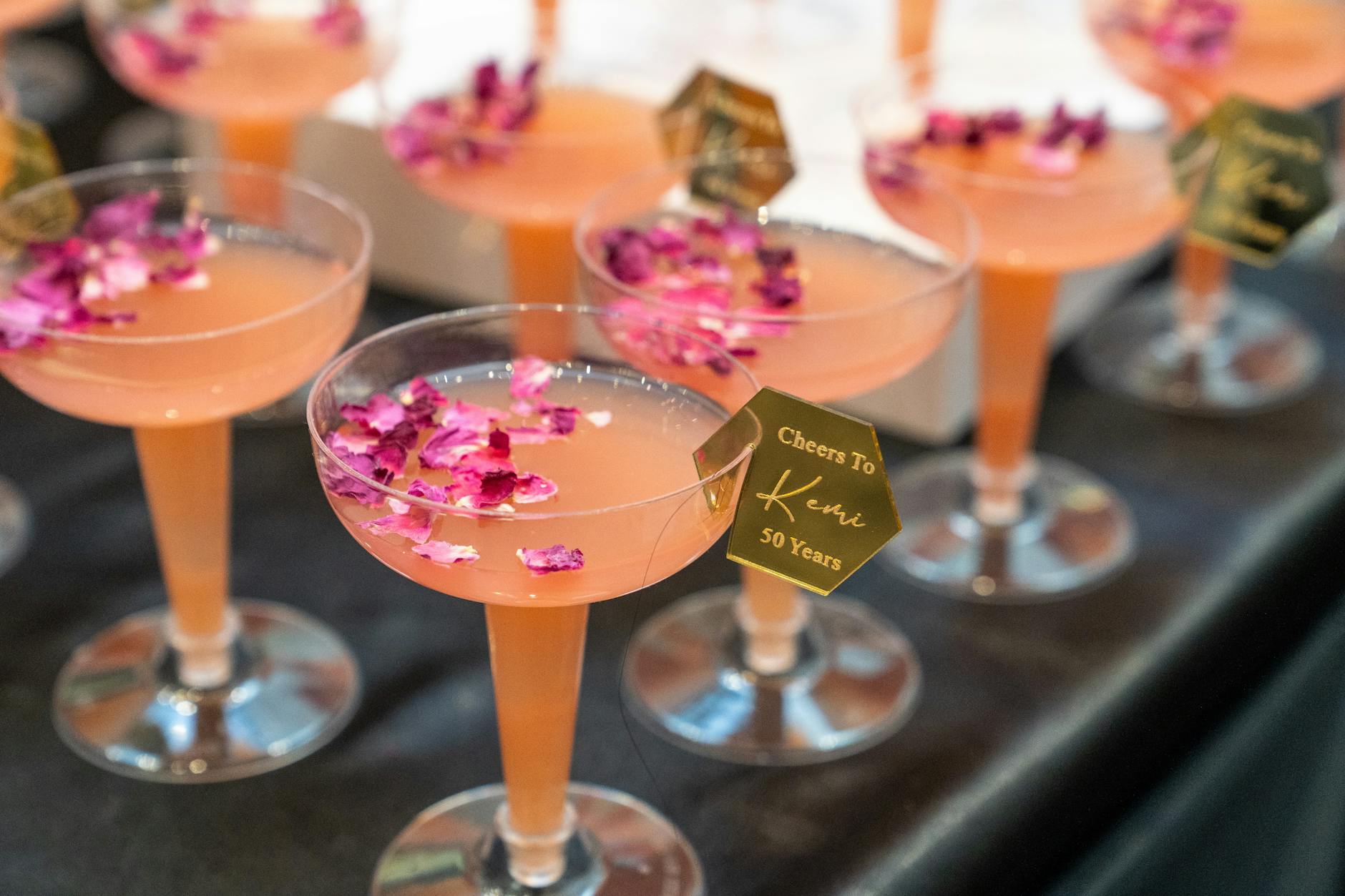
Drink pricing has shifted significantly in recent years. The honest 2026 numbers:
Average guest consumption: 2.5 drinks during cocktail hour, 1 drink during dinner, 4 to 5 drinks during reception dancing — total 7 to 8 drinks per guest over a 5-hour wedding. Plan inventory accordingly. The most common drink-budget mistake is undershooting wine consumption (most weddings consume more wine than expected) and overshooting hard-liquor consumption (most weddings consume less hard liquor than couples plan for).
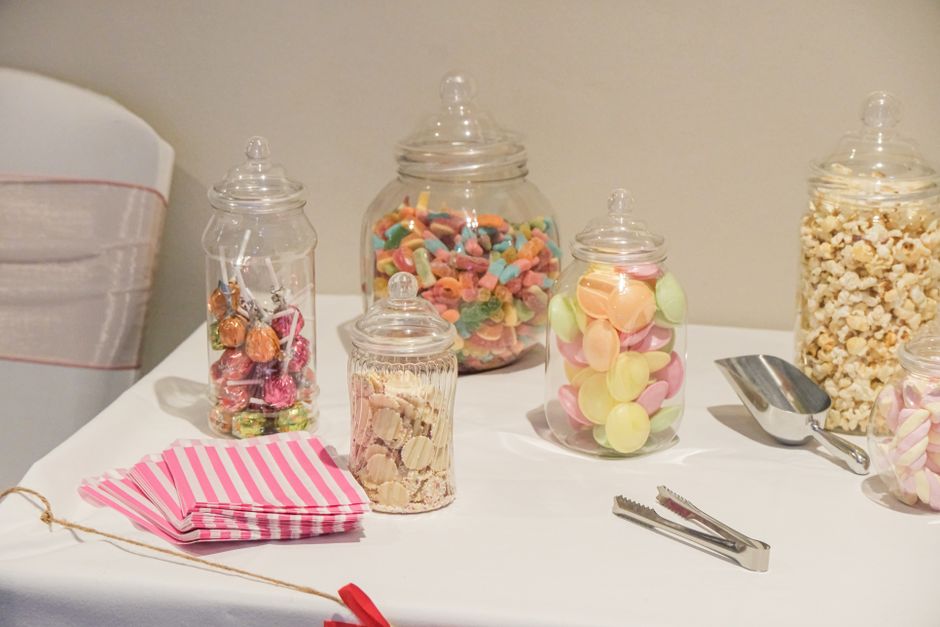
Late-night food (served around 10 to 11 PM) is consistently rated by guests as one of the most appreciated elements of any wedding reception. Guests have been dancing for two to three hours and are genuinely hungry again, and a snack station resets the energy of the reception for the final hour.
Options that work: mini burger sliders, individual pizzas, soft pretzels, french-fry cones, donuts, grilled cheese, dumplings, late-night taco bar. Cost: $6 to $14 per guest for a curated late-night station.
If your budget is constrained, consider replacing the traditional wedding favor with a late-night snack. The favor budget is roughly the same and the late-night snack delivers significantly more guest satisfaction.
The caterer relationship is one of the most important in wedding planning, second only to the venue. Sign with a caterer who: provides itemized quotes (not lump sums), offers a tasting before booking, has a clear and structured contract, and has worked at your specific venue or similar venues recently.
In the final two weeks, send your caterer a definitive guest count, a final dietary-restriction list, the day-of timeline with food-service slots specified, and a single point of contact for any day-of questions. Most catering disasters trace to ambiguous communication in the final week — clear written communication eliminates almost all of them.