Flowers and decor


Wedding corsage ideas tend to get squeezed into a last-minute errand, even though corsages appear in nearly every formal photo taken with the mothers, grandmothers, and honored guests standing closest to the couple. Unlike the bridal bouquet or centerpieces, corsages are worn by people who are not otherwise part of the wedding party's coordinated look, which makes getting the size, style, and color right a little trickier than it first appears.
Corsages have shifted noticeably from the pinned, pastel arrangements common a generation ago. Wrist corsages built on adjustable bands, pinless designs, and artificial "real touch" flowers have become the default choice for many 2026 weddings, largely because they solve the two biggest complaints about traditional corsages: pin holes in expensive dresses and blooms that wilt hours before the reception even starts.
This guide covers who typically wears a corsage, the differences between wrist, pin-on, and shoulder styles, how to choose colors that fit the wedding palette without upstaging the bridal bouquet, and the small supplies, like corsage pins and storage boxes, that keep everything looking sharp from getting-ready photos through the last dance. Specific products worth ordering ahead of time are called out along the way, since corsages are one of the easier wedding details to source online rather than through a florist.
Whether the plan is a single corsage for each mother or a full set for grandmothers, stepmothers, and hostesses, there is a version of this small but visible detail that fits almost any budget and dress code.
A corsage is a small arrangement of flowers, real or artificial, worn by a woman as a personal accessory rather than carried or pinned to décor. Traditionally the term covers anyone in a formal role who is not part of the bridal party lineup carrying a bouquet: mothers of the bride and groom, grandmothers, stepmothers, and sometimes honored guests such as a hostess or officiant's spouse.
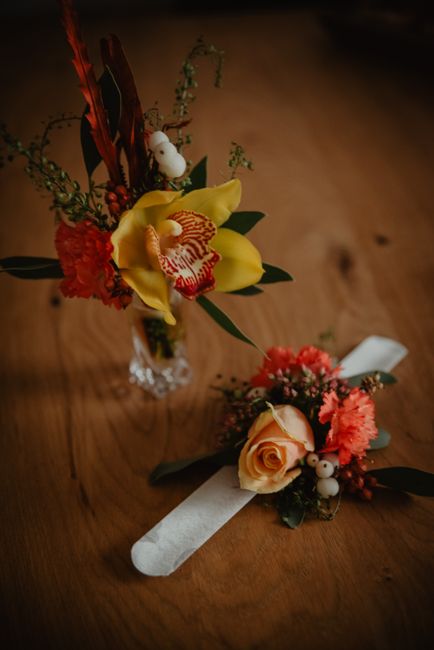
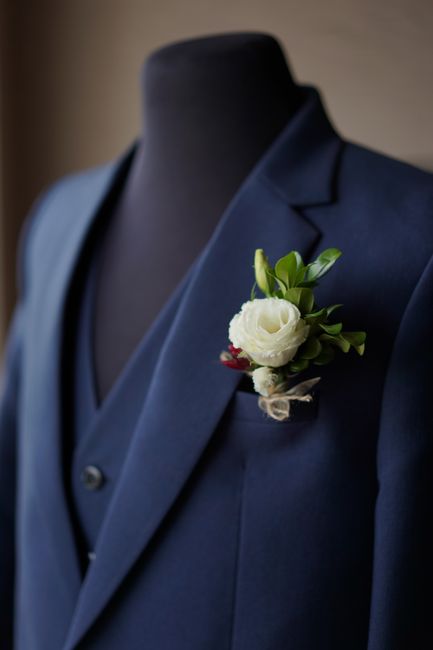
The corsage functions as the female counterpart to a boutonniere, and the two are frequently ordered as a matched set so that a mother's corsage and a father's boutonniere share the same flower and ribbon. This pairing also shows up in wedding boutonniere ideas, since many suppliers sell corsage-and-boutonniere combinations designed to be split between a couple.
Deciding who receives a corsage is mostly a matter of family tradition and budget rather than a fixed rule. Most weddings order one for each mother and grandmother at minimum, then extend to stepmothers, great-grandmothers, or a special aunt if the budget and family structure call for it. Because corsages are worn rather than carried, they also need to hold up through hugging, dancing, and a full day of photos, which is worth keeping in mind when choosing a style.
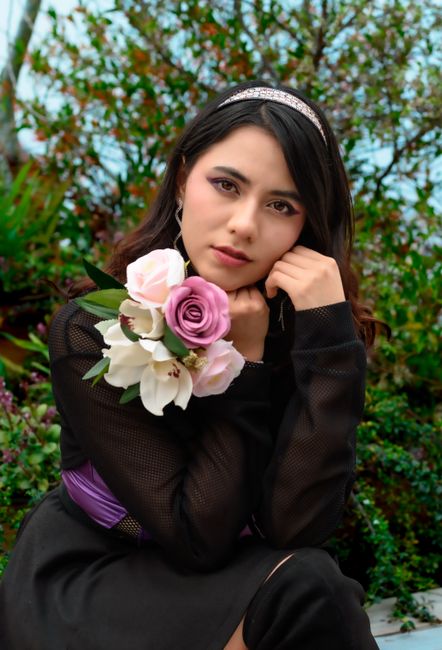
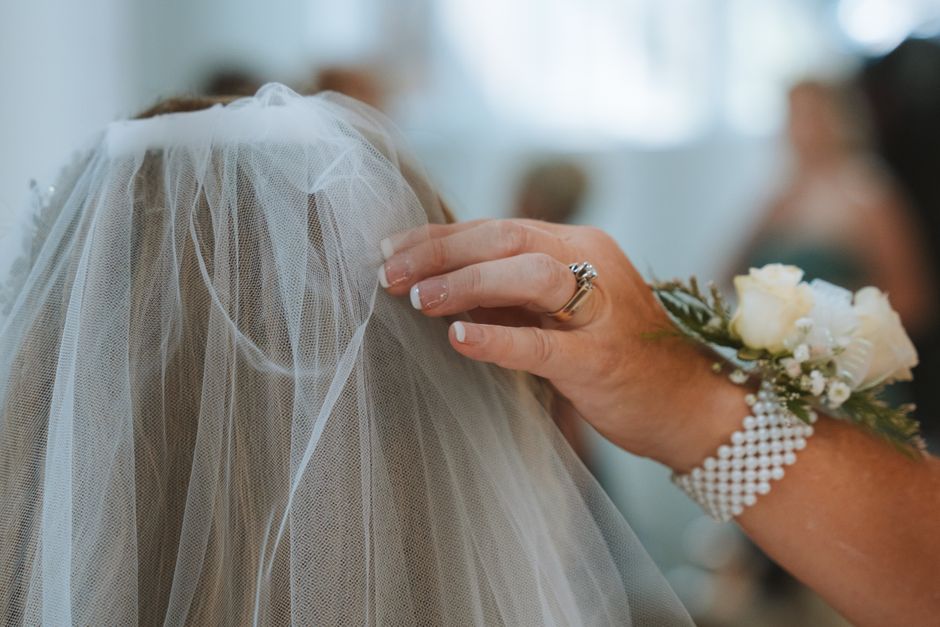
Wrist corsages sit on an elastic or ribbon band worn around the wrist, which avoids the need to pin anything into delicate fabric. This makes them the most popular option for mothers wearing silk or beaded dresses that a pin could snag or tear, and the band is easy to slide on during photos without help from a florist or bridal party member.
Pin-on corsages attach directly to a garment, usually near the shoulder or on a lapel-style collar, using one or two corsage pins pushed through the fabric and stem. They photograph slightly larger and more traditional than wrist styles, but they carry a small risk of fabric damage on delicate materials and typically need a second person to pin them on securely.
Shoulder corsages are a less common third option, larger in scale and worn across the shoulder rather than at the wrist or lapel, often chosen for more formal or vintage-themed weddings. A set like the BMQDSM Wrist Corsage Set of 4 covers the wrist and shoulder use cases in one order, with an adjustable band that fits most wrist sizes and enough pieces to outfit both mothers plus two grandmothers from a single purchase.
For most modern weddings, wrist corsages have become the default recommendation simply because they are easier to put on, easier to keep track of during the reception, and less likely to end up damaged or lost compared to a pinned style.
Corsage colors generally follow the same logic as boutonnieres: either match the bridal bouquet directly, or pick a complementary accent shade that ties into the wedding's broader palette without duplicating the bride's exact flowers. Ivory, blush, and soft white remain the safest choices because they coordinate with nearly any dress color a mother or grandmother might already own.
Deeper jewel tones such as burgundy, plum, and navy have become popular for fall and winter weddings, particularly when paired with the kind of layered look found in broader wedding centerpiece ideas, where repeating one or two accent colors across the reception space and the corsages creates a more cohesive overall look.
One detail worth planning around: mothers and grandmothers usually choose their outfits independently of the couple's color scheme, so it helps to ask what they plan to wear before finalizing corsage colors, rather than assuming everyone will coordinate automatically. A neutral corsage in cream or dusty rose tends to work across the widest range of dress colors if that conversation does not happen early enough.
Metallic accents, like a thin gold wire wrap or a small pearl spray tucked into the greenery, are an easy way to tie a corsage into a metallic-themed wedding without changing the base flower color at all.
Most weddings order corsages for the mother of the bride, mother of the groom, and both sets of grandparents at a minimum, which puts the typical count between two and six. Weddings with larger extended families sometimes add corsages for stepmothers, great-grandmothers, or a grandmother figure who raised one of the partners, so it is worth confirming the full guest-of-honor list before placing an order.
Sizing matters more for corsages than for boutonnieres, since an oversized corsage can look disproportionate on an older guest or clash with an already-detailed dress. A single-bloom or two-bloom design generally photographs better on most people than a large, multi-flower cluster, which tends to look better suited to a bridal bouquet than a personal accessory.
As with boutonnieres, ordering one or two extra corsages beyond the confirmed headcount is inexpensive insurance against a broken elastic band, a last-minute addition to the family lineup, or a guest of honor who was not initially on the list but should not be left out once everyone else has one.
Even wrist corsages sometimes need a pin, whether to secure a stray petal, attach a small accent to a garment, or handle a last-minute pin-on request from a guest who prefers that style. Having a supply of pins on hand during the getting-ready hours prevents a single missing pin from turning into a bigger problem right before photos.
A large pack like Phinus 220-Piece Corsage Pins provides far more pins than a single wedding needs, but the low per-pin cost makes it worth having spares for boutonnieres, hair accessories, and any last-minute repairs that come up over the course of the day.
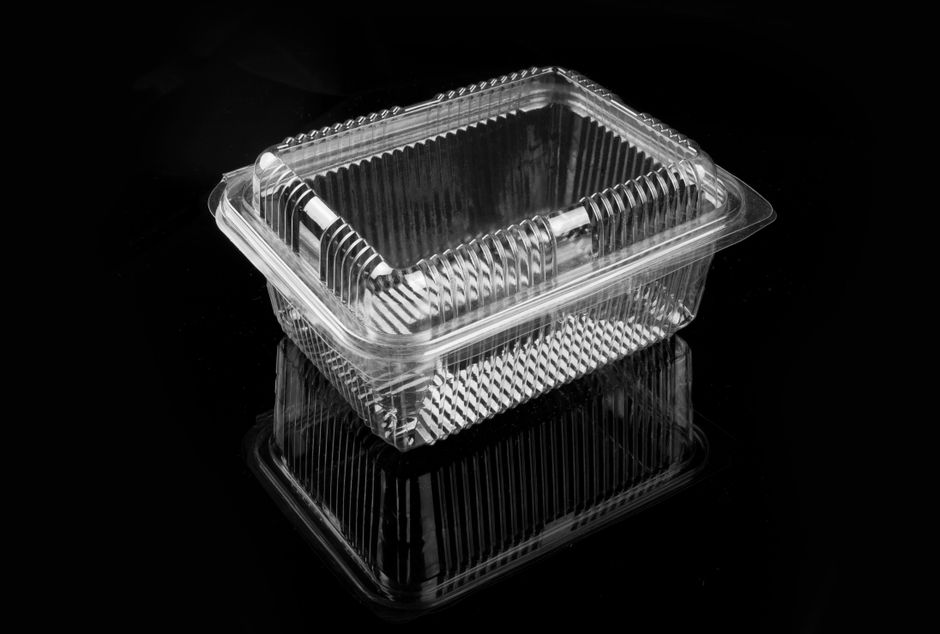
Fresh corsages also need protection between assembly and the ceremony, particularly if there is a gap of several hours between a morning florist pickup and an afternoon ceremony. A set of Bright Creations Clear Plastic Corsage Boxes keeps each corsage protected from crushing and moisture loss while it sits in a refrigerator or cooler bag until it is time to hand them out.
Ordering corsages online as a pre-assembled set has become a common alternative to a florist order, especially for artificial or silk versions that do not need to be picked up the day before the wedding. Buying a matched corsage-and-boutonniere set in one order also simplifies coordinating colors between a mother and father, since both pieces come from the same batch of materials rather than being ordered separately.
The Abbie Home Wedding Wrist Corsage and Boutonniere Set is a practical example of this approach: a matching wrist corsage and lapel boutonniere pair, ready to wear with no refrigeration or last-minute florist pickup required, which works well for a mother-and-father pairing or for outfitting a grandmother and grandfather together.
A florist remains the better choice when an exact match to the bridal bouquet's fresh flowers matters more than cost or advance ordering, since a florist can pull directly from the same stems used elsewhere in the wedding. For most other cases, particularly destination weddings or large families ordering several corsages at once, pre-made sets purchased online offer meaningful savings without a noticeable difference in how they look in photos.
Artificial corsages can be ordered months in advance since they do not degrade in storage, which makes them one of the easier wedding details to cross off the planning list early. This is particularly useful for anyone also working through mother of the bride gift ideas, since corsages and gifts for mothers are often finalized around the same point in the planning timeline.
Fresh corsages, by contrast, are typically finalized two to four weeks before the wedding and assembled the day before or the morning of the ceremony. They should be kept refrigerated in a sealed container until as close to photo time as possible, since heat and direct sunlight can wilt petals within an hour at an outdoor venue.
A designated person, often a bridesmaid, planner, or family member not otherwise occupied with getting ready, should be responsible for distributing corsages just before the wedding party lines up for photos. This avoids the common scramble of corsages sitting forgotten in a refrigerator while everyone else is already posed and waiting.
Corsages are typically worn by the mother of the bride, the mother of the groom, and grandmothers on both sides. Some families extend this to stepmothers, great-grandmothers, or another guest of honor, depending on family structure and how many people the couple wants to formally recognize.
A corsage is worn by women, usually on the wrist, shoulder, or pinned to a dress, while a boutonniere is the male equivalent, pinned to a suit or tuxedo lapel. The two are frequently ordered as matched sets so a mother and father, or a grandmother and grandfather, wear coordinating flowers.
Wrist corsages are generally the safer choice because they avoid pinning into delicate fabric and are easy to put on without assistance. Pin-on corsages can look more traditional and slightly larger in photos, but they carry a small risk of snagging fine fabrics and usually need help attaching them securely.
Fresh corsages from a florist usually run between $15 and $35 depending on the flowers used and the region, while artificial corsage sets bought online often cost a fraction of that per piece when purchased in a multi-pack. For four to six corsages, the savings from buying a set can add up quickly.
Artificial corsages can be ordered months ahead of time since they do not wilt or degrade in storage. Fresh corsages from a florist are typically finalized two to four weeks before the wedding and assembled the day before or the morning of the ceremony itself.
Yes, particularly real-touch latex-coated designs, which are difficult to distinguish from fresh flowers at normal photo distances. Fresh flowers still have a slight edge in extreme close-ups, but artificial corsages hold up for an entire day without wilting, which matters more for most families than a marginal difference in close-up detail.