Wedding Dress Garment Bag Ideas: Best Bridal Gown Bags


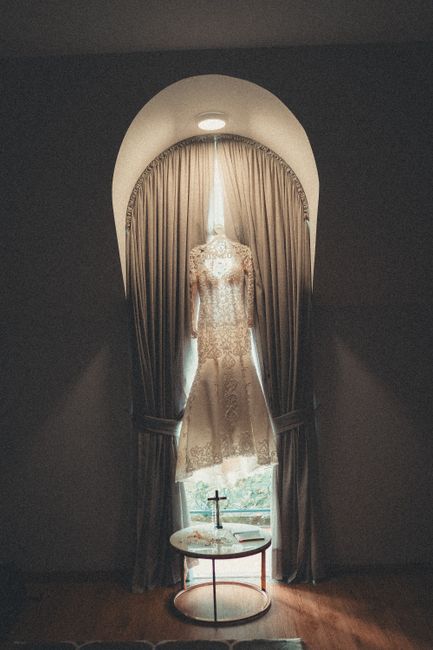
A wedding dress garment bag is one of the least glamorous purchases on any planning list, and one of the few that can save the most expensive item you will wear. Between the bridal salon pickup, the drive to the venue, the hotel closet, and the long wait before the ceremony, a gown gets moved, lifted, folded, brushed against car doors, and hung in rooms you do not control. The right bag keeps dust, spills, snagging, and creases away from all of it.
The tricky part is that bags marketed for wedding dresses vary enormously. Some are thin plastic covers that trap moisture. Others are heavy travel bags built for suits that squash a full skirt flat. A few are genuinely well made, with extra length, wide gussets, breathable fabric, and pockets that hold the veil, shoes, and jewelry. Knowing which features matter for your gown saves you from buying twice.
This guide walks through the decisions in the order you will actually face them: fabric, length, width, travel features, personalization, and what to do with the bag once the wedding is over. Along the way you will find five specific bags that cover the most common situations, from a simple closet-storage cover to a roomy option for a ball gown skirt.
Whether you are flying to a destination wedding or just carrying the gown from your bedroom to the car, a few minutes of comparison now means one less thing to worry about while you are getting ready.
What a Wedding Dress Garment Bag Actually Needs to Do
A garment bag has three jobs: protect the dress from dirt and damage, let the fabric breathe, and keep the skirt shaped so it arrives without deep creases. Most people only think about the first one. The second matters just as much, especially if the gown will hang for more than a few weeks. Sealed plastic traps humidity, and trapped moisture is what causes yellowing, musty smells, and mildew on silk, satin, and lace.
The third job is where size comes in. A bridal gown is usually longer than the 54- or 60-inch covers sold for everyday dresses, and many skirts are fuller than a standard bag allows. A bag that is too short lets the hem drag on the floor or fold under, which leaves a crease line and invites dirt. A bag that is too narrow compresses tulle and layered skirts so they come out flat and wrinkled.
Before shopping, measure your gown from the shoulder strap or bodice top to the hem while it is hanging, then add a few inches. Ask the bridal salon for the finished length if you are not sure. As a rule, 70 to 72 inches covers most full-length gowns, while very long trains or cathedral lengths may need a bag designed for extra length or a plan to bustle and fold the train inside.
If you are still shopping for the gown itself, our wedding attire vendors directory can help you find a salon that includes a basic garment bag with purchase, though these are often thin and best treated as a short-term cover only.
Breathable Fabric vs. Plastic Covers
The first choice is material. Clear plastic and vinyl covers are cheap and let you see the gown at a glance, but they are meant for short-term protection, such as a few hours between the salon and the car. Left on for weeks, they hold in moisture and, over a long enough time, can transfer residue or discoloration onto delicate fabric.
Breathable fabrics, such as cotton, cotton blends, and non-woven polypropylene, allow air to circulate while still blocking dust and light. These are the better choice for the months between your final fitting and the wedding, and for storing the gown afterward. Many breathable bags include a clear panel or window so you can check the dress without unzipping the whole cover.
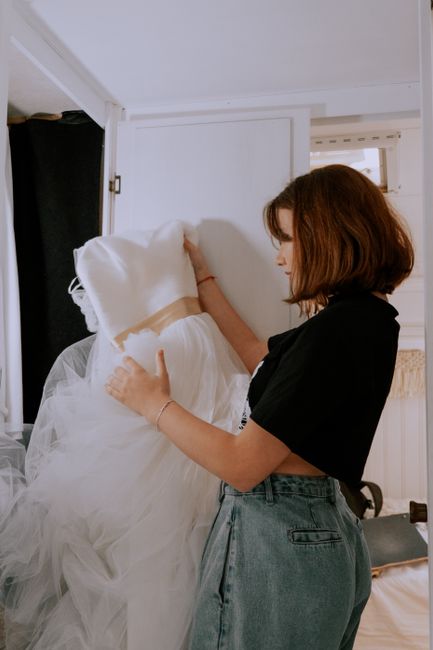
If the gown will live in your closet for a long stretch, the MISSLO cotton wedding dress garment bag is a sensible pick. At a 72-inch length with a cotton build designed for storage, it lets the fabric breathe while keeping dust off, and bags in this style usually land somewhere in the $25 to $45 range. Pair it with a padded hanger, and check our guide to wedding hanger ideas for options that support heavy bodices without leaving shoulder marks.
One practical note: whichever fabric you choose, hang the gown by its internal hanging loops where the bodice has them, and use a wide padded hanger rather than a thin wire one. A garment bag cannot make up for a hanger that stretches the straps.
Length, Width, and Gusset Depth for Full Skirts
Gusset depth, the width of the fabric panel along the side of the bag, is the feature most buyers overlook. A flat bag with no gusset works for a slim sheath or crepe column dress. A ball gown, A-line with crinoline, or any skirt with several layers of tulle needs a gusset of at least 8 to 10 inches, and sometimes more, so the skirt can hang without being crushed against the sides.
Look at the dimensions listed with the product, not just the length. Many bags that call themselves "72 inch" are only wide enough for a standard day dress. For a voluminous skirt, you want a bag with an expanded bottom, an adjustable gusset, or a tri-fold design that gives the lower half extra room.
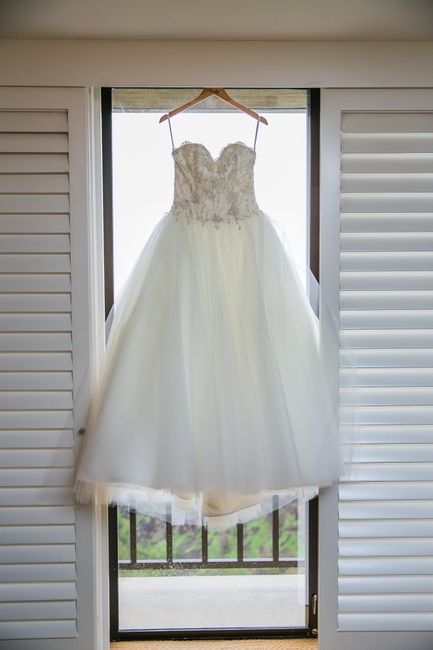
For puffy gowns, the 72-inch gusseted garment bag with 8-inch and 20-inch expansion is designed to give a full skirt room to breathe, and similar bags typically cost around $20 to $35. If your dress is closer to a fitted silhouette with a modest skirt, a bag with a 10-inch gusset and accessory pockets, like this 72-inch bridal garment bag with a 10-inch gusset, gives you room for the dress and a place for the small items that always seem to go missing.
When the dress is already in the bag, give the skirt a gentle fluff before zipping rather than stuffing it in. Bunching the fabric into the bottom is the quickest way to arrive with creases that need a steamer, which we cover in our wedding dress steamer guide.
Travel-Friendly Garment Bags for Flights and Road Trips
Travel changes the requirements. You need something durable enough to survive overhead bins and trunk space, with handles that hold up under the weight of a beaded bodice, and a closure that stays shut. Waterproof or water-resistant fabric is a real advantage here, because a surprise rain shower between the car and the venue entrance is common in every season.
For flights, most airlines let you carry a wedding dress on board, and many flight attendants will hang a garment bag in a closet near the front if you ask politely when boarding. Fold-over bags with sturdy handles make this easier, since you can carry the bag over your arm through the airport and then lay it flat in a rental car. Check your airline's current policy a few weeks ahead rather than relying on memory, because rules on closet space vary.

The MISSLO 72-inch waterproof wedding dress garment bag is a good example of a travel-ready option. It is built for hanging and folding, resists moisture, and tends to cost roughly $25 to $40. Look for reinforced handles and a zipper that runs most of the length of the bag, which makes loading the gown much easier with a second person helping.
For driving, hang the bag from a coat hook inside the car rather than laying it across the back seat, where the weight of other items can press on the skirt. If you must lay it flat, place it on top of everything else and keep the hem supported.
Personalized and Photo-Ready Garment Bags
Many couples treat the garment bag as part of the morning photo set. A hanger shot with the bridesmaid robes and flowers is a staple of getting-ready coverage, and a bag that looks clean, white, and uncluttered photographs far better than a black suit carrier. Some bags are monogrammed or embroidered with a name or wedding date, which also makes them a thoughtful gift from a bridesmaid or mother-of-the-bride.
If you plan to include the bag in photos, pick a white or ivory option with a clear window so the gown is visible without being fully exposed. Check that the zipper is smooth and quiet, since a stuck zipper in front of the photographer is not the look you want. Hang it somewhere with natural light, away from clutter such as hairspray, phone chargers, and snack bags.
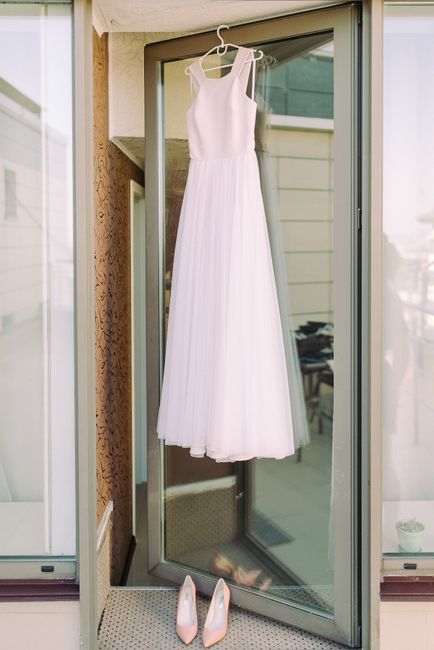
A personalized option such as this embroidered breathable 72-inch bridal garment bag with mesh pockets combines the breathable fabric you want for storage with a custom touch that doubles as a keepsake. Personalized bags generally cost more than plain ones, often in the $35 to $60 range, and production time can add a week or two, so order early enough to allow for it.
Pockets, Windows, and Small Features That Help on the Wedding Morning
The smaller features on a garment bag matter most in the hours before the ceremony, when you are juggling a long to-do list. Interior and exterior pockets keep shoes, a veil, undergarments, jewelry, and a small sewing kit in one place so nothing gets left in a hotel room. Mesh pockets let you see what is inside, and a zippered pocket protects small pieces like earrings or a hair comb.
A clear window at the top of the bag lets you check the bodice and neckline without opening the zipper. That is useful when you are hanging the dress in a venue closet and want to confirm it is still in good shape before you start dressing. A bag with a full-length zipper, rather than a partial one, makes it easier for two people to ease the gown out without stretching the fabric.
Think about what else belongs with the dress. Pack your slip or shapewear, the shoes you will wear, a veil in its own tissue-lined pouch, and a mini emergency kit with safety pins, clear tape, and a seam ripper. Our wedding emergency kit essentials list covers the items most worth carrying.
Label the bag clearly with your name and phone number, particularly if the gown will be transported by a friend, family member, or hotel staff. A luggage tag or a strip of masking tape on the zipper pull is enough, and it prevents the mix-up that happens when several garment bags end up in the same room.
Using the Garment Bag After the Wedding
Once the ceremony is over, the garment bag has one more role to play. Do not zip the gown into a travel bag and leave it there for months. Before any long-term storage, the dress should be professionally cleaned, because invisible stains from champagne, sweat, and food can oxidize and turn yellow over time. After cleaning, move it into a preservation box or a breathable storage bag.
If you plan to keep the gown for a decade or longer, a preservation box with acid-free tissue is the standard recommendation, and our guide to wedding dress preservation kits walks through the options. A breathable garment bag works well for shorter-term storage or for dresses you may wear again, such as a reception outfit, a rehearsal dinner dress, or a gown you plan to re-wear.
Store the dress somewhere cool, dark, and dry, away from attics, basements, and exterior walls where temperature swings are common. Avoid direct sunlight, which can fade fabric, and keep the bag off the floor so moisture cannot wick up from below.
Wedding Dress Garment Bag FAQ
- What size garment bag do I need for a wedding dress?
Most full-length wedding dresses fit a 70- to 72-inch bag. Measure your gown from the top of the bodice to the hem while hanging, then add two to four inches. If your skirt is full, look for a gusset of at least 8 to 10 inches so the fabric is not compressed. For a long train or a ball gown, choose a bag marketed for puffy skirts or one with an expandable bottom.
- Is it better to use a plastic or fabric garment bag for a wedding dress?
Fabric is better for anything longer than a day or two. Breathable materials such as cotton or non-woven polypropylene let air circulate, which protects against yellowing and mildew. Clear plastic is fine for the short trip home from the salon, but it should come off as soon as you arrive. Many couples use a plastic cover for transport and a breathable one for storage.
- Can I bring my wedding dress on a plane in a garment bag?
Most airlines allow a wedding dress as a carry-on, and many will hang it in a closet if space is available. Fold the bag over your arm for security, and ask a flight attendant about closet space when boarding. Rules differ by carrier and aircraft, so confirm the current policy a few weeks before departure instead of assuming. Avoid checking the gown if you can.
- How long can a wedding dress stay in a garment bag?
A breathable garment bag is suitable for storing a dress for several months to a few years in a cool, dry place. For long-term preservation, such as ten years or more, the gown should be cleaned and stored flat in an acid-free preservation box. Never leave a dress in a sealed plastic bag for an extended time, since trapped moisture can damage the fabric.
- Should I hang or fold a wedding dress in a garment bag?
Hang it whenever possible, using a wide padded hanger and the dress's internal support loops if it has them. Hanging prevents creases and keeps the bodice supported. If you must fold the dress for a flight or a long drive, use tissue paper between layers, fold along the softest lines, and unpack and steam it as soon as you arrive.
- Do I need a special garment bag for a dress with a long train?
Not always, but you do need extra length or a plan for the train. Many 72-inch bags fit a sweep or court train when the train is gently folded inside. For cathedral lengths, ask your bridal salon how they package and bustle the train for travel, then choose a bag with enough length and gusset to match.