Planning advice


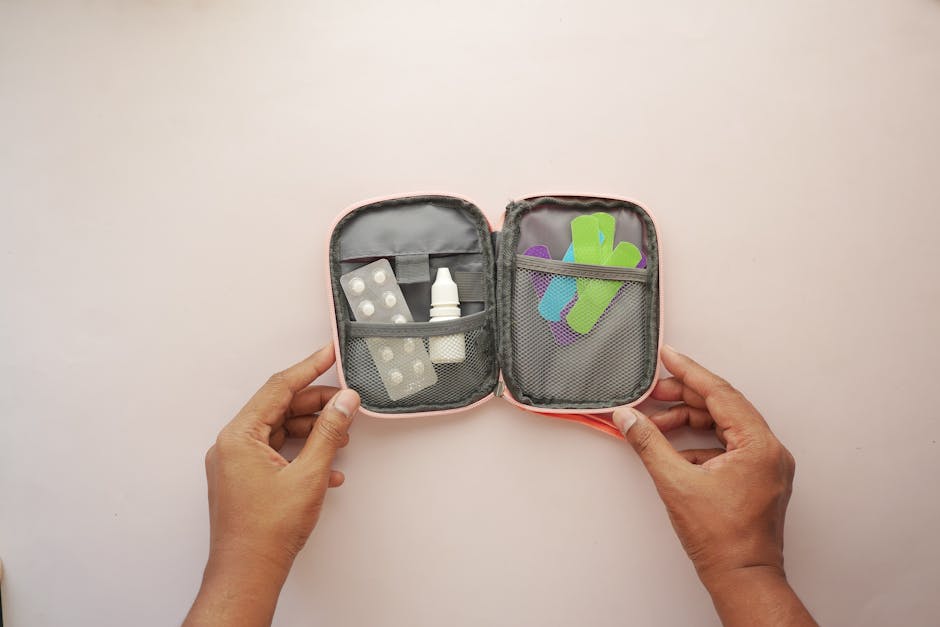
A wedding emergency kit is the small, quietly heroic bag that turns a popped seam, a coffee spill, or a sudden headache into a five-second fix instead of a thirty-minute crisis. By 2026, packing one has become as standard as printing a seating chart — and for good reason. The average wedding involves more than 100 moving pieces between hair, makeup, attire, ceremony, photography, and reception, and even a tightly coordinated day can throw a curveball nobody planned for.
You do not need to overthink it. The best wedding emergency kit is not a bulging suitcase of every product imaginable; it is a curated set of essentials your bridal party can actually find and use within seconds. Think bobby pins where you can grab them, a stain pen close to the dress, headache tablets ready before the toasts, and a backup pair of cushioned flats waiting under the head table. When the kit is intentional, you forget it exists — which is precisely the point.
There is also a financial case for the kit. Couples who skip it end up paying hotel-gift-shop markups, expensive replacement accessories, or coordinator runs some venues charge by the hour. A 2026 wedding emergency kit costs $40 to $90 to build from scratch; pre-built bridal kits on Amazon run $30 to $50 with 40 to 60 essentials included. Either way, it is one of the highest-value $50 you will spend.
In this guide we walk through 50 wedding emergency kit essentials, organised into the categories that actually fail on the day: beauty touch-ups, wardrobe repairs, stain control, health and comfort, items for the groom and groomsmen, and the practical question of who carries the kit and where it lives. Each section flags the wedding emergency kit checklist items worth buying ahead of time, and the few worth splurging on so you only have to pack them once.
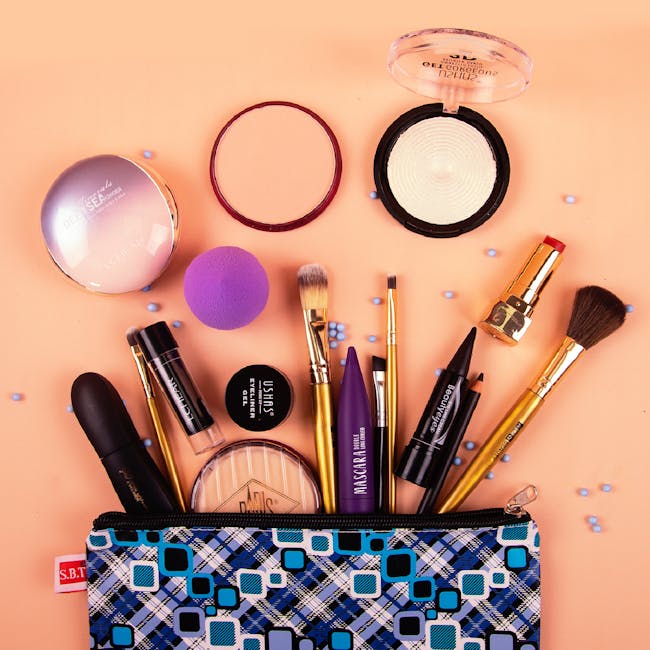
Makeup is usually the first thing a bride or partner wants to retouch after the ceremony, and the items below are the difference between a confident grin and an awkward "give me five minutes." Pack travel sizes wherever possible — full-size bottles take up space you do not have.
Pre-built bridal emergency kits often bundle most of these items together, which can save 30 to 45 minutes of sourcing. If you would rather skip the DIY route entirely, a curated set like the AOLRNALI Bridal Emergency Kit packs more than forty wedding-day essentials — bobby pins, blotting paper, a mini sewing kit, basic pain relievers, and a clear makeup pouch — for around $30 to $45, which works out cheaper than buying each item separately.
Wardrobe fixes are the single most common wedding emergency. Straps snap, hems catch on heels, buttons pop off groomsmen jackets, and bustles fail mid-reception. The good news is that 95% of these mishaps take less than three minutes to fix if you have the right tools on hand.
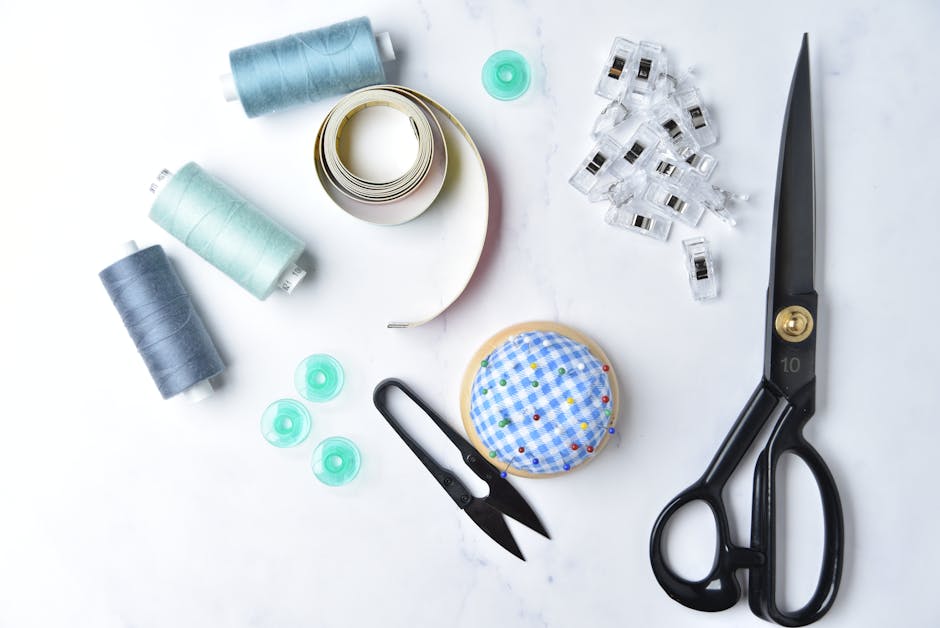
Outdoor 2026 weddings have made dress weights particularly popular — small invisible weights that discreetly stick to the inside hem of a skirt and stop wind from lifting the fabric during the ceremony. For broader wardrobe fixes, a compact option like the AUERVO Mini Travel Sewing Kit tucks multicoloured threads, needles, scissors, buttons, and a tape measure into a zip pouch the size of a deck of cards, and runs around $8 to $14. Combined with a strip of fashion tape and a handful of safety pins, it covers most of the wardrobe disasters a wedding can throw at you.
A spilled glass of red wine, a smudge of lipstick on a collar, or a streak of makeup down the bodice of a white dress — every wedding photographer has stories. The fix is almost always a $5 product that takes 30 seconds to apply if you packed it.
The cardinal rule of stain emergencies: always blot, never rub. Rubbing pushes the stain deeper into the fabric and can fray delicate materials like silk or lace. For everything short of a vintage gown, a pen like the Tide to Go Instant Stain Remover Pen, 3-pack is the single most-recommended item on every wedding emergency kit list, costing about $8 to $12 — stash one in the bride's clutch, one with the maid of honour, and one in the main kit so a spill is never more than five seconds away from a fix.
Wedding days are long. Most couples are on their feet from a 7 a.m. hair-and-makeup call until midnight, and even the most relaxed timeline can produce a headache, blistered heel, or queasy stomach. The wellness portion of your wedding emergency kit checklist is where small investments produce the biggest payoff.
Comfortable footwear is part of the wellness category for a reason. Wearing brand-new heels for 12 straight hours is, mathematically, the leading cause of post-ceremony tears that have nothing to do with emotion. A foldable pair such as the Rolly Foldable Ballet Flats rolls up small enough to slip into a clutch and unfolds into cushioned ballet flats for the dance floor, usually $24 to $32 a pair, and they pay for themselves the first time the band picks up the tempo.
Most wedding emergency kits focus on the bride, but the groom, groomsmen, and bridal party will need their own pocket of essentials. Roughly half of all day-of fixes — popped shirt buttons, scuffed dress shoes, missing cufflinks — happen on the groom's side of the suite. Pack a parallel mini-kit so the best man is not running to the front desk five minutes before the ceremony.
If your wedding party has more than six people, build a second wardrobe-repair pouch that lives with the bridesmaids. Sharing one pouch between eight people across two suites guarantees that the pouch will be in the wrong room at the worst possible moment. A few of our other planning articles — like the 10 secret tricks for a stunning bridal entry — are worth skimming for last-minute prep ideas.
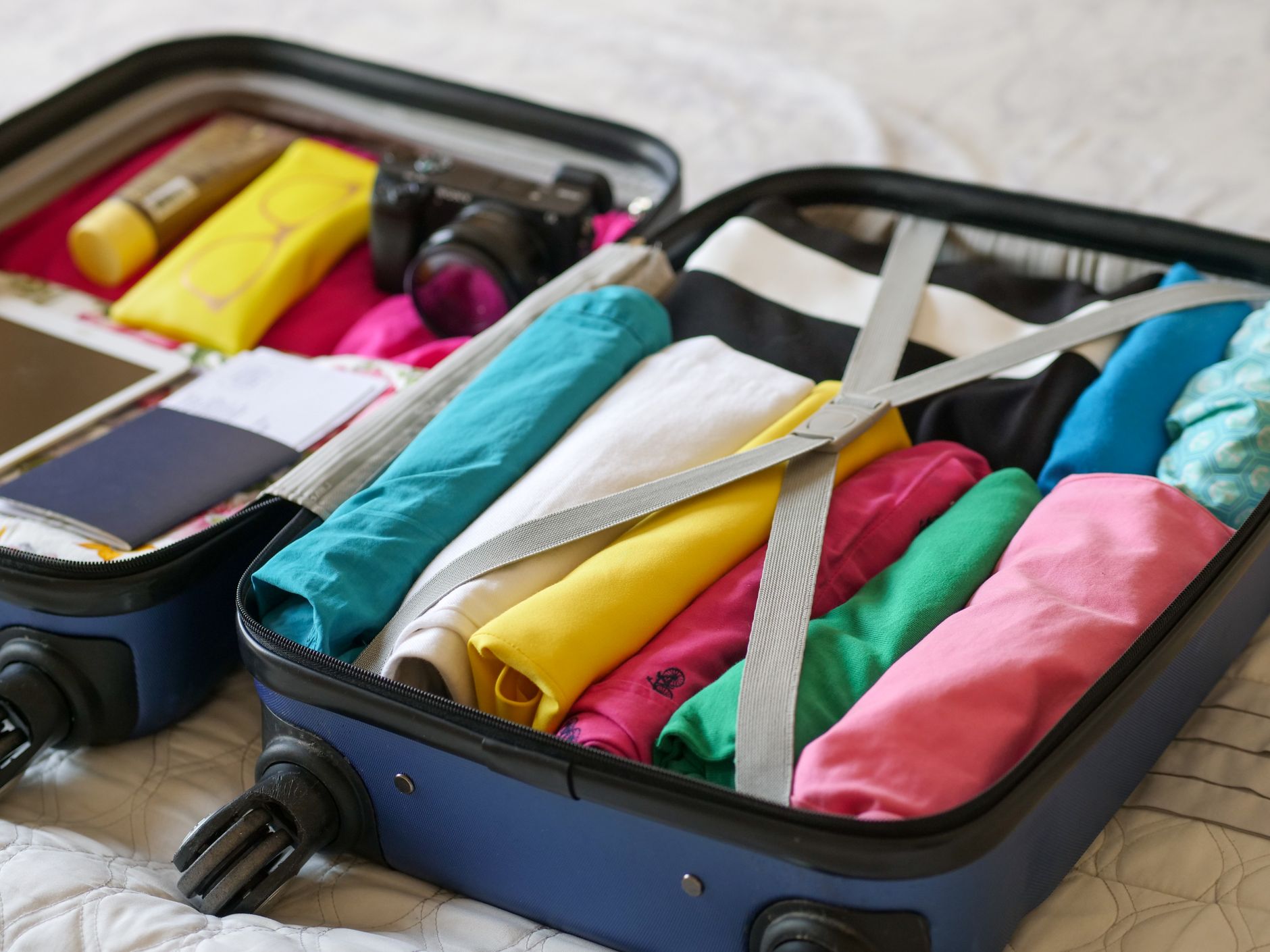
A wedding emergency kit only works if it is in the right place at the right moment. After the kit itself is built, three logistical decisions matter: how you pack it, where it lives during the day, and who is responsible for it. Skip any of those and the perfect kit becomes the perfect kit that lives in someone's hotel room while the bride sheds a tear in the bridal suite.
For storage, the kit should live in two places. The "lite" version — a small clutch with stain pen, lipstick, bobby pins, breath mints, and a sewing kit — travels with the maid of honour during the ceremony and reception. The full kit stays in the bridal suite or the venue's green room, where it can be accessed during the day but is not constantly underfoot. If you want a pre-organised version that ships ready to label, the Seven Uncles Bridal Emergency Kit (36 pieces) arrives in labelled compartments for sewing, hair, manicure, and personal care, and runs $32 to $45 — a thoughtful bridal shower gift if you would rather skip the DIY route entirely. For broader venue prep, our guide to 5 main things to remember when choosing a wedding venue is a good companion read.
Aim to build your wedding emergency kit at least one week before the wedding, not the night before. Use that final week to test every item — try the sewing kit, uncap the stain pen, check the hairspray nozzle, and confirm the painkiller blister packs are not expired. About 20% of last-minute kit failures come from items that worked fine in storage but had dried out, leaked, or been quietly borrowed by someone in the household.
Assign one named person on each side of the wedding party. On the bride's side, this is almost always the maid of honour or the day-of coordinator. On the groom's side, it is typically the best man. Tell them where the kit lives, which pouch holds what, and how to find you discreetly. A printed wedding emergency kit checklist taped to the inside of the tote is a simple way to make sure replacements know exactly what is where.
Expect to spend $40 to $90 if you build a wedding emergency kit from scratch with mid-range products, or $30 to $50 for a pre-built bridal kit from Amazon with 40 to 60 essentials included. Adding a foldable pair of flats and a phone charger usually adds another $25 to $40. Splurging on the foundational items — a quality stain pen, a real sewing kit, and reliable pain relievers — pays back many times over compared with cheap substitutes that fail on the day.
Yes, especially if the suites are in different rooms. The groom's side has its own common emergencies — popped shirt buttons, scuffed shoes, a missing cufflink, a wilted boutonnière — and dividing items between two pouches means nobody is running across the venue at the worst possible moment. Keep the groom's mini-kit smaller and focused on suit repairs, breath mints, deodorant, cufflinks, and a phone charger.
A phone charger with a long cable. The bride, groom, photographer, planner, and DJ all rely on a phone for cues, music backups, vendor calls, or last-minute texts to guests. Pack a 10-foot cable plus a small portable battery — you will be glad the moment someone hits 5% battery during cocktail hour. Other commonly forgotten items include small bills for tips and a spare pair of contact lenses or backup glasses.
Absolutely, and many bridal parties build a small group-text checklist a few weeks out so essentials are spread across multiple people. Guests can bring extras of items they already use — lip balm, a Tide pen, a tiny sewing kit, painkillers, or breath mints. Pair this with wedding welcome bag ideas for out-of-town guests and you will have most of the day's mini-emergencies covered before they happen.