Wedding Favors Guests Will Actually Use: 30+ Picks for 2026


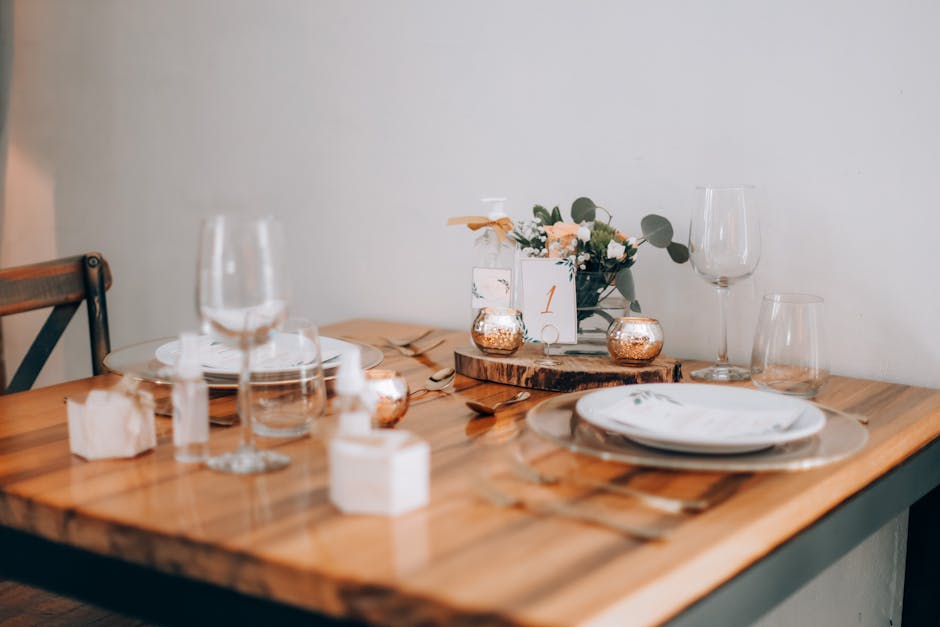
The feedback every wedding planner hears after the honeymoon is some version of the same regret: "We spent four hundred dollars on favors and walked into the venue the next morning to find a quarter of them still on the tables." It is the most over-budgeted line item in modern weddings, and the easiest to fix. The wedding favors guests will actually use in 2026 are not the printed-name trinkets of 2015 — they are small consumables, practical tools, and self-care items that go straight into a pocket, a purse, or a fridge on the way home.
The shift is partly generational. Gen Z couples — now forty-one percent of the wedding market — read a personalised shot glass as something they would never display, and they extend that judgment to their guests. The favors with the strongest reception in 2026 weddings are the ones that disappear before the cleanup crew arrives: mini honey jars, matchbooks, lip balms, useful bottle openers, and packets of wildflower seeds that get planted the following spring.
This guide walks through the categories of wedding favors guests will actually use, with specific product picks at the price point most couples land on (one to four dollars per guest), plus how to present favors so they get picked up.
Why "useful" beats "memorable" in 2026 wedding favors
The traditional favor playbook said pick something that will sit on a guest's shelf and remind them of your wedding. That produced thousands of branded shot glasses, framed photos, and printed coasters that ended up in donation bins. The 2026 playbook is the opposite: pick something a guest uses up or uses often, and let the wedding memory live in the experience rather than the souvenir.
The strongest signal in vendor data is that consumable favors have a take-home rate above ninety percent, while branded keepsake favors hover around sixty-five percent. The remaining thirty-five percent is exactly the pile you find on the tables the morning after. A six-dollar customised tumbler that gets left behind costs more than a one-dollar honey jar that goes home with every guest.
The other reason useful favors win is the photo. Guests post a phone photo of a beautifully wax-sealed honey jar far more often than they post a printed shot glass. The aesthetic of "small, useful, well-packaged" is what reads as a 2026 wedding rather than a 2015 one. If your event also includes thoughtful wedding welcome bag ideas, the favor on the place setting should feel like a companion piece, not a redundant gift.
Edible and consumable wedding favors guests devour
Edible favors are the largest category of 2026 wedding favors guests will actually use, and mini honey jars have become the default for outdoor and garden weddings. Honey is a small luxury that sits in a kitchen for months and gets used a teaspoon at a time, and a two-ounce hexagon jar with a wooden dipper photographs as a tiny work of art at every place setting. Adjacent options include single-origin chocolates, small-batch jam, single-serving olive oil bottles, and stamped paper bags of espresso beans.
Pricing lands between one and four dollars per guest, which puts a hundred-guest wedding in the $100–$400 range — almost always less than branded keepsakes. Edibles also skip custom design fees, because the food does the work and a simple "thank you" sticker is enough.
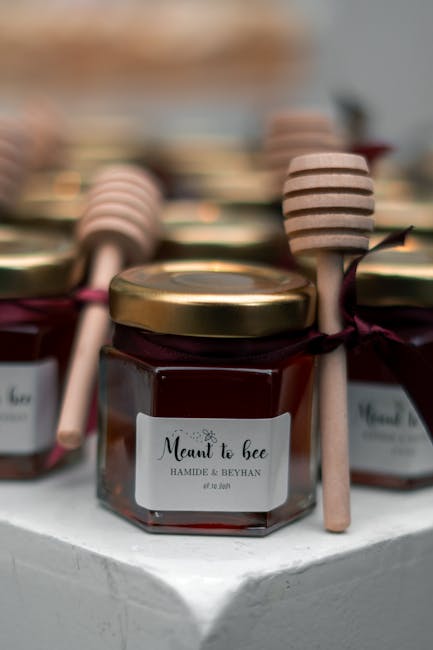
A reliable, well-priced set is the AuroTrends Mini Honey Jars 48-Pack with Wooden Dippers. It includes forty-eight three-ounce jars with gold sealing lids, dippers, bee charms, "thank you" stickers, and jute twine for around $35 to $45. Buy honey separately — a one-pound jar fills twelve to fifteen jars, so a hundred-guest wedding needs five to seven pounds ($50 to $90 from a farmer's market). Per-guest cost lands around $1.25 to $1.50, and take-home rate is essentially one hundred percent.
If honey doesn't fit your palette, the same logic applies to small jars of locally made jam, a single-serving olive oil tin, or a stamped paper bag of beans from your favourite coffee shop.
Personalised matchbooks — the breakout 2026 wedding favor
The matchbook is the favor that has surged hardest in the last eighteen months. Couples reach for the flat-format matchbook (about thirty matches per book) because it is the rare branded favor that gets used immediately — guests light their first match the same night to a sparkler or candle — and it slips into a wallet. The format photographs beautifully when fanned across a bar.
The 2026 matchbook aesthetic is foil-stamped, flat black or white, with the couple's name plus date in a clean serif. The novelty matches with photos of the couple's faces — popular five years ago — are out. The replacement is restrained, restaurant-style foil stamping that reads as adult signage rather than wedding souvenir.
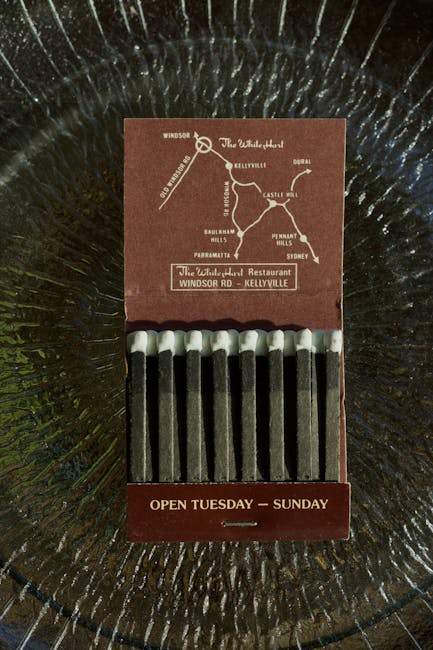
The benchmark is the Weddingstar Personalised Foil-Stamped Wedding Favor Matchbooks 50-Pack — two-inch-square matchbooks with thirty wooden matches inside, custom-stamped in gold, silver, rose gold, or copper foil with up to two lines of text. Fifty-pack runs $40 to $55 — under $1.10 per favor. Lead time is about two weeks.
Hand matchbooks out at the bar with a note pointing guests to the fire pit, candle-lit lounge, or sparkler send-off. If sparklers are part of your night, the same matchbook lights the wedding sparkler send-off without anyone hunting for a lighter at midnight.
Practical tools — bottle openers and small utilities
The third strongest category is practical tools small enough to slip into a pocket: bottle openers, mini multitools, luggage tags, and keychain flashlights. The unifying feature is that they get used the day, week, and years after the wedding, without needing the date stamped on them.
The most-bought tool in 2026 is the vintage heart-key bottle opener. The shape — an antique-style oversized key with a bottle-opener cutout in the bow — reads as wedding-appropriate without being twee, and the keychain ring at the top clips easily onto a keyring. Couples typically attach a "to have and to hold" or "key to my heart" paper tag with jute twine, which gives the favor a wedding moment without engraving the metal.
A consistent best-seller is the Vintage Heart Key Bottle Opener 12-Pack with Kraft Tags. Each opener is three inches long in antiqued copper with a kraft-paper tag, jute twine, and an organza pouch. The twelve-pack runs $20 to $28, putting per-guest cost at $1.75 to $2.50. Buy ten percent extra to cover "can I take one for my partner who couldn't make it" requests.
Other tools at a similar price point include LED keychain flashlights (especially for outdoor or barn weddings), compass keychains for destination weddings, and small leather luggage tags for travel-themed celebrations.
Self-care favors with everyday utility
Self-care favors are the category that has grown most among female-skewing guest lists, and the leader is the personalised lip balm. The mechanics fit perfectly — small, low-cost, immediately useful — and the "your favor came in handy right now" moment happens repeatedly through the night as guests reach for them between dances. Hand cream tubes, mini perfume samples, and solid lotion bars sit in the same category.
The aesthetic to look for is a clean cylindrical tube with a thin printed band, not a chunky cartoonish design. The favor should look like something a guest carries in a daily purse.
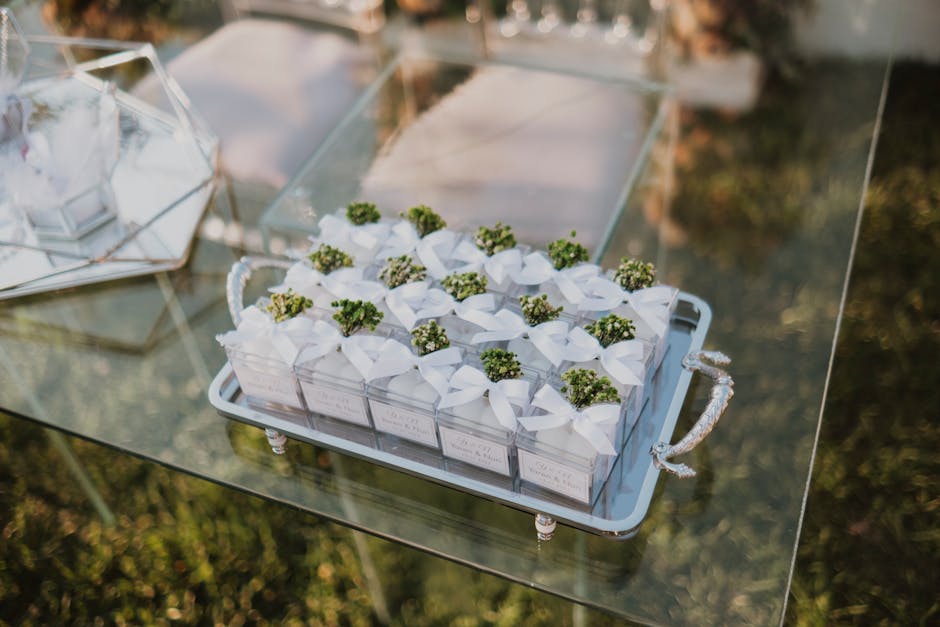
A go-to product is the Belladonna Custom Lip Balm Bulk 65-Pack with Personalised Labels. Each tube is made in the USA with vitamin E, shea butter, and beeswax in a vanilla flavour, with custom labels in your choice of design template — floral, minimalist, monogram, or custom photo. The sixty-five-pack runs around $55 to $70, landing at roughly $1.00 to $1.10 per favor. Lead time is three to four weeks.
Set the lip balms at the bathroom amenity tray rather than the dinner table — guests reach for them at the exact moment they need one, which is more memorable than picking one up at the place setting. A small basket labelled "for touch-ups" at each bathroom doubles the perceived thoughtfulness.
Eco-friendly and plantable wedding favors
Eco-friendly favors are no longer a niche subcategory in 2026 — they are the default for outdoor, garden, vineyard, and barn weddings. The category includes plantable wildflower seed packets, seed paper hearts, mini succulents, reusable bamboo straws, and small-batch bar soap.
The standout is the personalised wildflower seed packet. The favor reads as a literal continuation of the wedding — the guest plants it, and a season later wildflowers grow in their yard with the wedding date as the planting reference. Take-home rate is high because the favor is functionally a small piece of mail, and per-guest cost is among the lowest in the category.
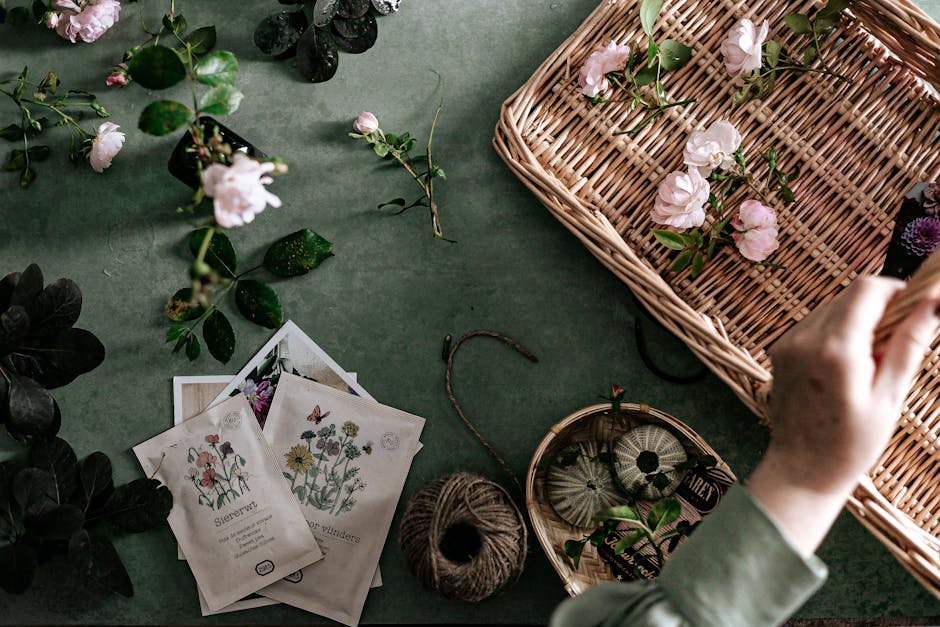
A handmade, well-reviewed option is the Wedding Wildflower Seed Packet Favors 100-Pack with Custom Verse. Each packet is a four-by-six paper sleeve printed with your names, date, and a short verse, filled with forty to fifty premium wildflower seeds — zinnias, cosmos, poppies, and bachelor's buttons. The hundred-pack runs around $65 to $90, which lands at $0.65 to $0.90 per favor — the most cost-efficient personalised favor in this roundup.
Add a small handwritten note encouraging guests to "plant in spring" with brief sowing instructions. For a fall wedding where guests can't plant right away, mention that the seeds keep for two years in a cool drawer.
How to choose and present wedding favors
Three questions narrow the favor decision fast. First, what is your venue setting — outdoor and garden weddings benefit from seed packets and honey jars, indoor and city weddings work best with matchbooks and lip balm, destination weddings lean into compact items that fit in carry-ons. Second, what is your guest count — under fifty guests can support a five-dollar favor, hundred-guest weddings work best at one to two dollars per guest, three-hundred-guest weddings need to land under a dollar per guest. Third, who is your guest list weighted toward — older guests favour consumables, mixed-age weddings favour matchbooks and bottle openers, female-skewing lists favour self-care.
Presentation matters as much as the favor. The two-second test guests apply is whether the favor looks intentional or thrown together. A matchbook tucked under the napkin reads better than fifty matchbooks dumped in a basket at the door. Build the favor into the wedding place card styling at each setting rather than treating it as a separate prop. A one-sentence handwritten note from the couple — not a printed card — lifts the perceived value of any favor more than any packaging upgrade.
Wedding Favors FAQ
- How much should we spend on wedding favors per guest in 2026?
The standard benchmark is $1 to $4 per guest, with most couples landing between $1.50 and $2.50. A hundred-guest wedding in that range spends $150 to $250 total — roughly one percent of an average $25,000 to $35,000 budget. Couples spending more than $5 per guest are usually buying keepsakes with lower take-home rates than consumables at half the price.
- Do guests actually take wedding favors home?
It depends on the favor type. Edibles and small consumables have a take-home rate above ninety percent. Branded keepsakes (printed shot glasses, photo frames, custom coasters) hover around sixty to seventy percent. Practical tools fall around eighty percent. Take-home rate is the best metric for evaluating a favor before you order.
- When should we set out the wedding favors?
The most common placement is one favor at each guest's place setting, set out during the reception flip. The alternative is a favor table near the exit — useful when favors are bulky or when guests pick from an assortment. Exit-table placement needs signage; place-setting placement is the safer default.
- What wedding favors should we avoid in 2026?
The highest leave-behind rates go to printed shot glasses, custom photo frames with the couple's picture, branded mason jars without anything inside, full-size candles with the wedding date, and any favor heavier than four ounces. Heavy or breakable favors get left because guests don't want to manage them. Photo-based favors get left because guests feel awkward displaying someone else's photo at home.
- Are eco-friendly wedding favors actually cheaper?
Usually yes. Seed packets at $0.65 to $0.90, plantable seed-paper hearts at $1.00 to $1.20, and small succulents at $2.50 to $3.50 are all in or below the standard favor budget. The exception is potted plants — anything in a real terracotta pot with live soil runs $4 to $6 once you factor in pot, soil, and care.
- Do we need different favors for adults and kids?
Not strictly, but a small separate option for children meaningfully improves the family-guest experience. Place the standard adult favor at every seat and add a mini activity book, crayons, or candy bag at children's settings. All-in cost is usually under $30 even for ten or fifteen children, and parents remember the detail far longer than the favor itself.