Wedding Photo Album Ideas to Keep Your Memories in Print


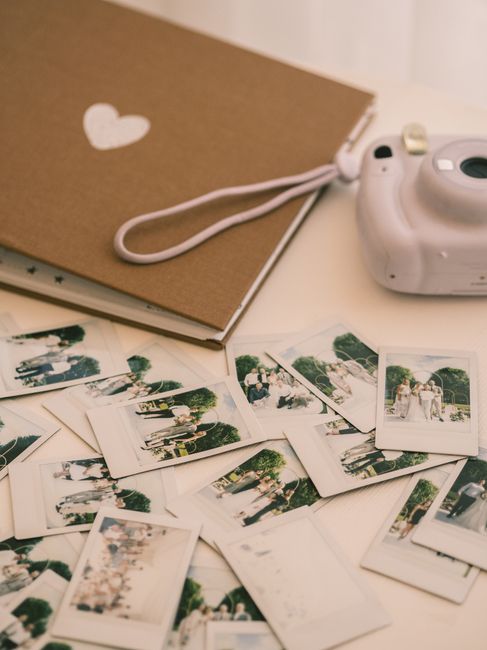
Wedding photo album ideas have become more interesting as couples rethink what a wedding album should be. Most couples now walk away from their wedding with a gallery link holding somewhere between 500 and 1,500 professional images, plus hundreds more from guests' phones. It's a wonderful problem to have, but a link in an inbox is easy to forget. Printed photos, on the other hand, end up on the coffee table, get pulled out at anniversaries, and get handed to grandchildren decades from now.
The challenge is that "wedding album" now covers a wide range of formats. There are heirloom flush-mount albums designed by your photographer, printed photo books you lay out yourself online, classic slip-in albums that hold loose 4x6 prints, scrapbook-style albums with sticky pages, and instant-photo guest books that guests fill in during the reception. Each one suits a different budget, a different amount of time, and a different kind of storytelling.
Plenty of couples end up with more than one. A formal album tells the polished version of the day, while a casual slip-in album or scrapbook holds the candid shots, the blurry dance-floor photos, and the snapshots your aunt took of the dessert table.
This guide covers the main album styles, how to choose between them, how to narrow a huge gallery into a story worth flipping through, and how to store prints so they still look good on your twenty-fifth anniversary. Along the way you'll find a handful of well-reviewed albums and storage options that make each approach easier.
Heirloom Albums, Photo Books, and Slip-In Albums Compared
Before comparing specific wedding photo album ideas, it helps to understand the three broad categories, because they differ far more in cost and effort than in appearance.
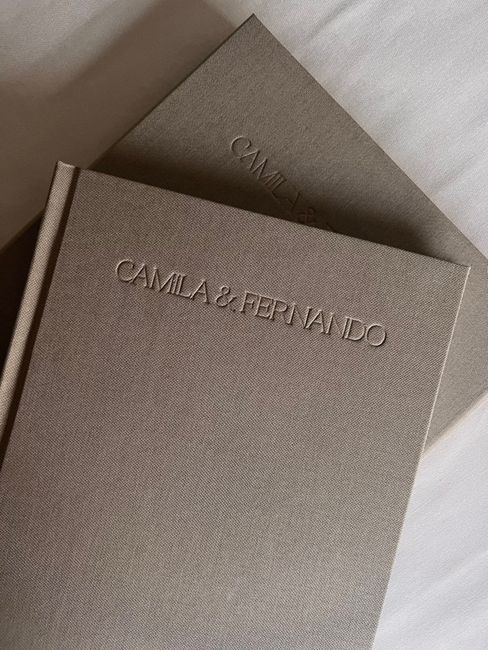
Heirloom or flush-mount albums are usually sold by your photographer. Photos are printed directly onto thick, rigid pages that lie completely flat when open, so a single image can stretch across both pages without a gutter cutting through someone's face. Covers come in leather, linen, or velvet, often with debossed names or dates. These albums typically cost anywhere from $600 to well over $2,000, and your photographer handles the design. They're built to last generations, which is why many couples consider them worth the investment.
Printed photo books are the do-it-yourself middle ground. You upload images to an online service, drag them into templates, and receive a bound book a week or two later. Prices usually land between $50 and $250 depending on size and page count. The quality has improved a great deal, though pages are thinner and the binding is less durable than an heirloom album.
Slip-in and self-adhesive albums are the most flexible and affordable option. You order prints, which cost pennies each at most labs, and arrange them yourself. Nothing is permanent, so you can add photos from guests as they trickle in, swap out images, or reorganize later. These albums are ideal for the hundreds of images that won't make the formal album but are still worth keeping.
If your budget allows only one, think about how you'll use it. A single polished book for display suits a flush-mount or photo book, while a family that loves pulling out photos at every gathering may get more use from a large slip-in album.
Linen Slip-In Albums for Easy, Elegant Storage
Slip-in albums with fabric covers are having a moment, and it's easy to see why. They look far more refined than the plastic-sleeve albums of past decades, they cost a fraction of a custom book, and they take almost no design effort. You print your favorites at a standard size, slide them into pockets, and the album is done in an evening.
The key features to look for are acid-free pages, which prevent yellowing and chemical damage over time, and pockets sized for your prints. Most couples print at 4x6 because it's the default size at nearly every photo lab and online service, and it matches the 3:2 shape of most professional camera files, so nothing gets awkwardly cropped. Look for albums with a writing line or memo space beside each pocket if you want to note who's in the photo or what was happening. Those short captions become more valuable every year, especially when younger relatives start asking who everyone is.
A good example is the Beautiful Linen Photo Album for 4x6 Pictures, which holds up to 200 prints across 100 pages, with a sage linen cover, gold floral accents, and lines beside each pocket for short notes, usually selling for around $25 to $35. The 200-photo capacity is a sweet spot for a curated collection: large enough to tell the full story from getting ready through the send-off, but small enough that you're forced to pick favorites instead of printing everything.
High-Capacity Albums for Guest Snapshots and Family Photos
The professional gallery is only part of the record. Guests capture moments the photographer never sees: the flower girl asleep under a table, the cousins teaching grandma a dance move, the view from the back row during the vows. Once you gather these images, you may find you have several hundred worth printing.
For that volume, a high-capacity album saves shelf space and keeps everything in one place. Albums in this category typically hold 500 to 1,000 photos, arranged several to a page. They're less about careful layout and more about completeness, which makes them ideal for the unfiltered, joyful chaos that the formal album leaves out.
To collect guest photos, set up a shared album or QR code on your reception tables, or ask a tech-savvy friend to gather images in the week after the wedding. Give yourself a deadline, such as your one-month anniversary, so the project doesn't stall. Then print in batches and fill the album chronologically.
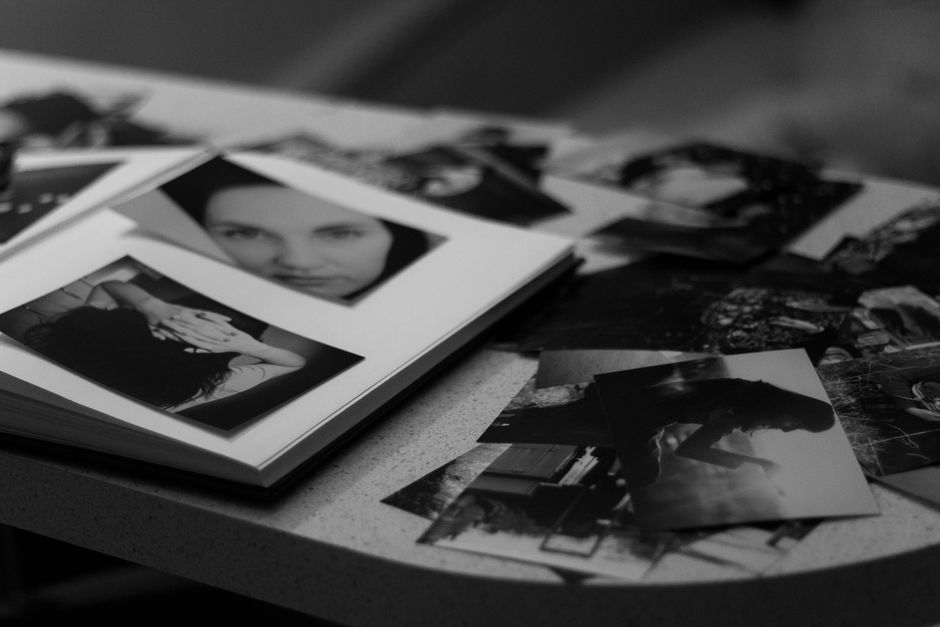
The potricher Linen Hardcover Photo Album holds 600 4x6 photos across 60 sheets, with a gray linen cover and a front window for a title photo, and generally costs around $30 to $45. The front window is a nice detail for a wedding album, since you can slip in a favorite portrait or a printed card with your names and date, so the album is easy to find on a crowded bookshelf.
Self-Adhesive Scrapbook Albums for a Hand-Made Story
If you like the idea of an album that feels personal and a little imperfect, a self-adhesive scrapbook is one of the most rewarding wedding photo album ideas. Instead of fixed pockets, each page has a light adhesive surface under a clear film. You lift the film, arrange photos of any size, add keepsakes, and press the film back down.
That flexibility lets you include the paper trail of your wedding alongside the photos. Think about pressing in a copy of your invitation, a ceremony program, a pressed flower from the bouquet, a menu card, the handwritten note your partner gave you that morning, or a ticket stub from your first date. Mixing 4x6 prints with larger 5x7 or 8x10 portraits creates a more magazine-like layout, and blank space around the photos gives you room for handwritten captions.
A few tips help these albums hold up. Use a gentle hand when lifting the film, since the adhesive weakens if you reposition items too many times. Keep bulky items like dried flowers thin, or the album won't close evenly. And write captions with an acid-free pen so the ink doesn't bleed or fade.
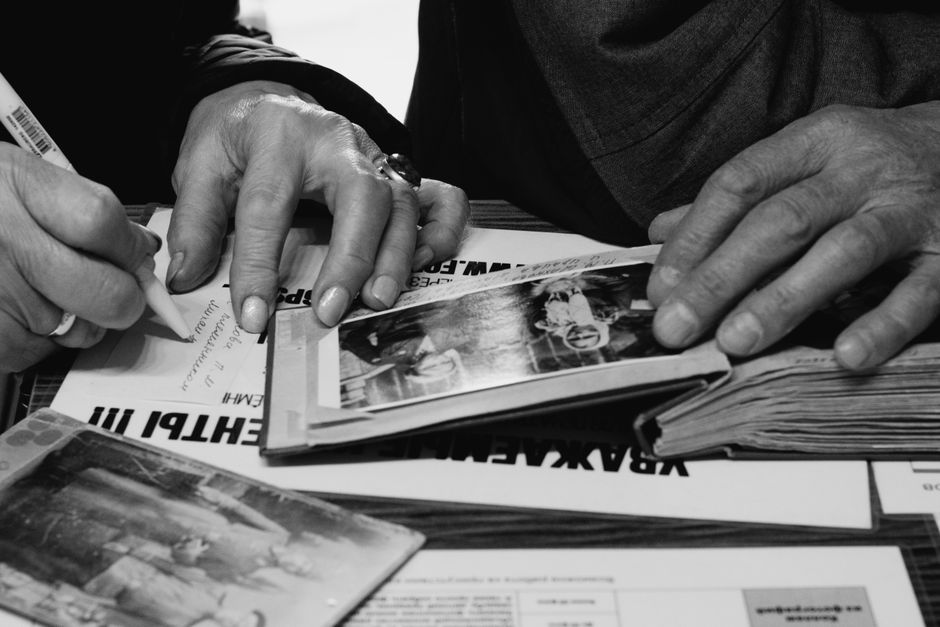
The HenPisen Large Self Adhesive Scrapbook Album has 40 magnetic pages that fit 4x6 through 8x10 photos, a linen cover, and comes with a metallic pen and a plastic smoothing board, typically priced around $20 to $30. Including the pen and board means you have what you need to start the same afternoon, and the larger page size gives enough room for a full invitation suite alongside a portrait.
Instant-Photo Guest Book Albums
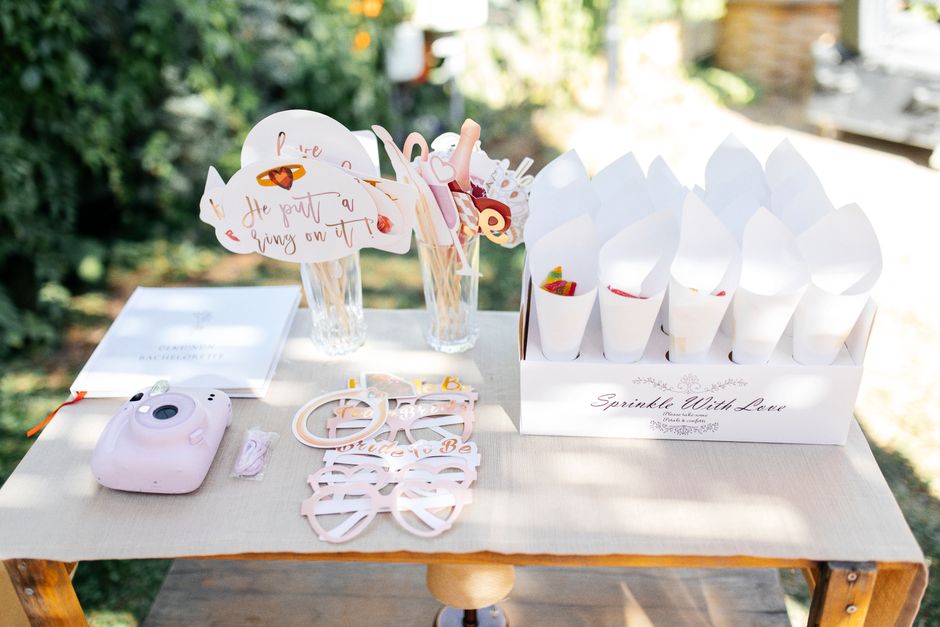
One of the most popular wedding photo album ideas doesn't wait until after the wedding at all. An instant-photo guest book lets guests snap a picture with an instant camera, tuck it into the album, and write a message beside it. By the end of the night you have a finished album full of faces and handwriting, with no printing or assembly required.
Setting one up is simple. Place an instant camera, a few packs of film, the album, and a couple of pens on a small table near the entrance or the bar. Add a sign with short instructions so guests know what to do. A good rule of thumb is one pack of film for every eight to ten guests, since some people will take more than one photo. If you have a photo booth, you can also ask the attendant to print a second copy of each strip for the album. Our guide to wedding guest book alternatives covers more ways to gather notes from guests, and pairing the table with a few wedding photo booth props tends to produce livelier snapshots.
The Arcoalbum Wedding Guest Book with Pockets for Instax Photos combines photo pockets with writing space on each page and is designed specifically for instant film, usually costing around $30 to $50. Purpose-built pockets matter here, because instant prints are thicker than standard photos and can pop out of generic sleeves or warp an album that isn't designed to hold them.
How to Curate and Sequence Your Wedding Photos
Whichever album you choose, the hardest part is narrowing hundreds of images into a story. A few simple steps make it manageable.
Start with a quick first pass. Go through the full gallery and mark every photo you love without overthinking it. Most couples end up with a few hundred favorites. On a second pass, cut duplicates and near-duplicates. If there are six nearly identical shots of your first kiss, choose the one with the best expressions and let the rest go.
Next, think in chapters rather than individual photos. A typical wedding album follows the day in order: getting ready, details like the dress, rings, and invitations, the first look or processional, the ceremony, family portraits, couple portraits, cocktail hour, the reception entrance, toasts, first dances, cake cutting, dancing, and the send-off. Aim for a handful of strong images per chapter, with one standout shot to anchor each section.
Balance matters, too. Mix wide shots that show the setting with close-ups of hands, faces, and small details. Include candids alongside posed portraits, since the laughing, unguarded moments are often the ones that mean the most years later. And make sure every important person appears at least once. Grandparents in particular will look for themselves.
Finally, don't rush. Check your contract for album credits that expire, but otherwise a thoughtfully edited album a year later beats a hurried one that includes everything.
Protecting Your Prints for the Long Haul
Prints can last a lifetime or fade within a decade, depending largely on how they're stored. Light, heat, humidity, and acidic materials are the main enemies, so a few habits go a long way.
Keep albums out of direct sunlight, which fades colors surprisingly quickly even through a window. Store them in a closet or on an interior shelf in a room with steady temperature, never in an attic, garage, or basement where heat and moisture fluctuate. Handle prints by the edges, since the oils on your fingers can leave marks over time. And always choose acid-free, lignin-free albums, envelopes, and boxes, which won't release chemicals that yellow and weaken photo paper.
It's also smart to keep a backup of prints that didn't make it into an album, along with your invitation suite and other paper keepsakes. An archival storage box keeps everything organized and protected, and it's much easier to pull extra copies from a labeled box than to reorder from a gallery that may have expired. Finally, download your full digital gallery and keep it in at least two places, such as an external drive and a cloud service, so you can always reprint if something is damaged.
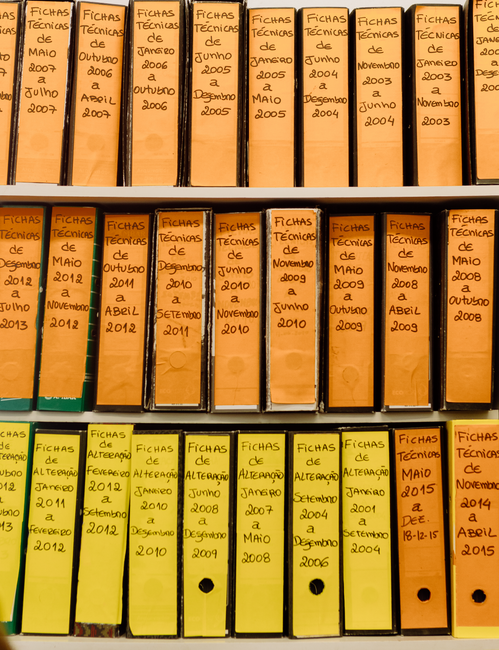
The Lineco 4x6 Photo Storage Box is acid-free and lignin-free, holds up to 1,000 4x6 prints, and includes 12 acid-free envelopes for sorting, generally costing around $20 to $30. Lineco is well known for archival materials used by framers and collectors, and the metal-reinforced corners let you stack several boxes without crushing them.
If you're looking for a meaningful way to revisit your photos, printing a few new favorites each year makes a sweet tradition, and it pairs nicely with the ideas in our guide to wedding anniversary gift ideas.
Wedding Photo Album FAQ
- How many photos should go in a wedding album?
Most formal wedding albums hold between 60 and 150 photos, which is enough to tell the whole story without feeling repetitive. Casual slip-in albums can hold far more, often 200 to 600 prints. Start by choosing one or two standout images per chapter of the day, then fill in with supporting shots until the story feels complete.
- What size prints are best for a wedding photo album?
The 4x6 size is the most practical choice for slip-in albums because it's inexpensive to print, widely available, and matches the shape of most camera files without cropping. For scrapbook or photo-book layouts, mix in 5x7 and 8x10 prints for portraits and hero images so the pages have visual variety.
- When should we make our wedding photo album?
There's no fixed deadline, but many couples start within three to six months of receiving their gallery, while the memories are still fresh. Check your photographer contract for any album credits with an expiration date. Otherwise, a first-anniversary target gives you a natural goal without adding pressure during the busy months after the wedding.
- Is a professional wedding album worth the cost?
A professional flush-mount album is worth it if you want a durable, display-quality heirloom and don't want to design it yourself. Pages are thick, lie flat, and are built to last generations. If budget is tight, a printed photo book or linen slip-in album offers a beautiful result for a fraction of the price.
- How do we collect photos from wedding guests?
Share a QR code on your reception tables that links to a shared album, or ask a friend to gather images from guests during the week after the wedding. Set a clear deadline for uploads. An instant-photo guest book also works well, since guests leave printed photos and notes during the reception itself.
- How should we store our wedding photo album?
Keep the album in a cool, dry, dark place, such as a closet shelf in a climate-controlled room, and avoid attics, basements, and garages. Choose acid-free materials, handle prints by the edges, and keep a digital backup of your full gallery in two separate places so you can reprint anything if needed.