Wedding Wine Box Ceremony Ideas: Sets, Letters & Tips


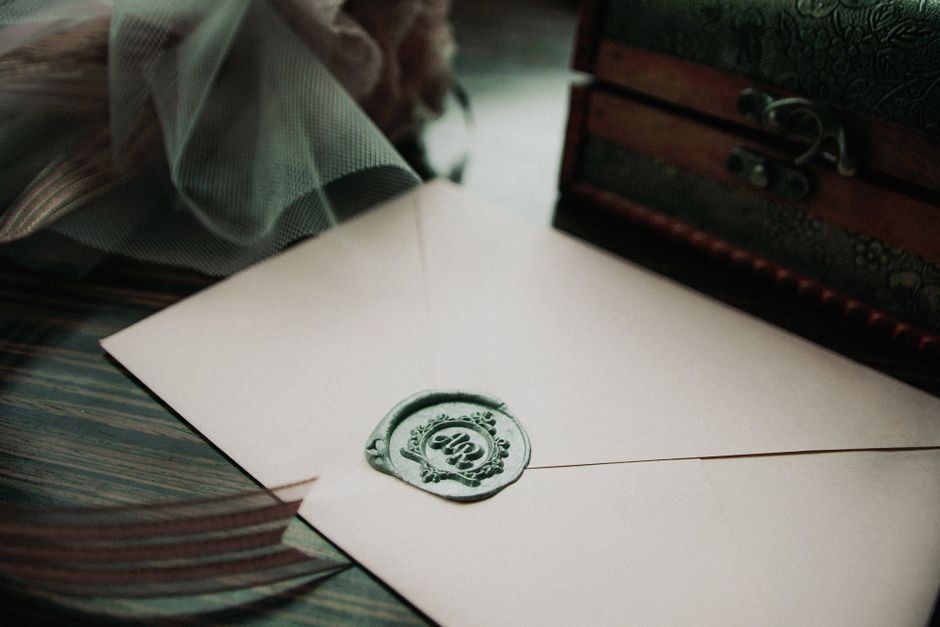
A wedding wine box ceremony is a small ritual with a long payoff. Before the wedding, you and your partner each write a private love letter and keep it secret. During the ceremony, you place both letters and a bottle of wine inside a wooden box, seal it, and agree to open it on a future anniversary or during a hard stretch of married life. It takes about three minutes to perform, yet it gives your ceremony a moment that guests remember long after the vows blur together.
The idea has spread quickly because it solves a problem many couples face. Traditional unity rituals like sand pouring or candle lighting can feel borrowed from someone else's wedding, while a wine box ceremony is built from your own words and your own favorite bottle. It also works in nearly any setting, from a vineyard patio to a courthouse garden to a backyard with folding chairs, and it needs no electricity, fire permit, or cleanup.
Part of the appeal is how little it costs compared with its emotional weight. A ready-made box, a good bottle, and two sheets of stationery can come in well under what you might spend on a single centerpiece. The main investment is time spent writing something honest, and most couples say that was the most meaningful part of the entire planning process.
This guide covers how the ceremony works, how to choose a box, which wines age well, what to write in your letters, and where to place the ritual in your ceremony timeline. You will also find tested box and kit recommendations, plus answers to the questions couples ask most often.
How a Wine Box Ceremony Works Step by Step
The structure is simple, which is why it fits into almost any ceremony format. About a week or two before the wedding, each partner writes a love letter without showing it to the other. Letters go into envelopes, which stay sealed. A bottle of wine, chosen together or separately, is wrapped or tucked into a box along with the letters and any small extras such as a photo, a ticket stub, or a pressed flower.
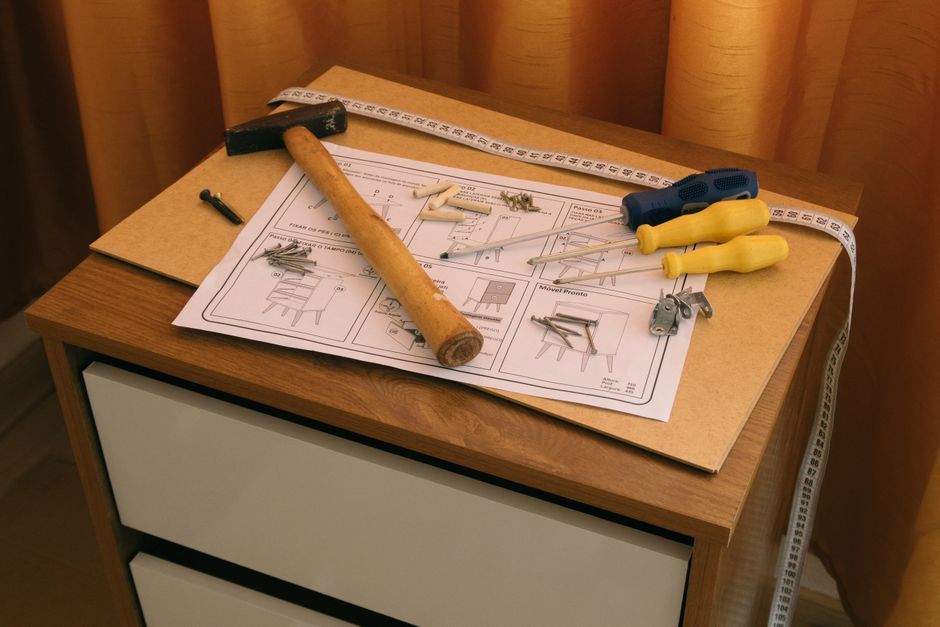
At the ceremony, your officiant introduces the ritual in a minute or less, explaining that the box will stay closed until an agreed date or until the couple needs encouragement. You each place your letter inside, the bottle goes in beside them, and then you close the lid. Some boxes use a small latch with a lock and key, others use nails and a tiny hammer, and a few use screws that you tighten with a screwdriver, which makes a lovely photo.
After the ceremony, the box goes home with you or sits on a display table at the reception so guests can see it. Many couples have a trusted friend carry it to the car so it does not get lost in the gift pile. The box then lives on a closet shelf, ideally somewhere cool and dark, until the day you open it together.
The most common opening dates are the first anniversary, the fifth anniversary, or the tenth. A popular alternative is writing two reasons on the lid: one that says "open on our fifth anniversary" and another marked "open in case of emergency," so the same box covers both celebration and rough patches.
Choosing the Right Wedding Wine Box
Box choice shapes both the look of the ritual and how well it protects what is inside. Start with the material. Solid wood and walnut veneer look polished on camera and hold up for decades, while pine and bamboo are lighter, usually less expensive, and well suited to rustic or outdoor weddings. Whatever you pick, check that the interior is deep enough for a standard 750 ml bottle lying flat or standing, depending on the design, plus a stack of envelopes.
Closure style matters more than couples expect. A hinged lid with a lock and key is the cleanest option for an indoor ceremony, because nothing needs to be hammered or tightened while you are in formal attire. A nail-and-hammer closure photographs beautifully but can slip in nervous hands, so rehearse it once at home. Screw closures feel romantic and are easy to reopen on your anniversary without damaging the wood.
Finally, think about personalization. Engraved names and a wedding date turn a generic box into a keepsake you will happily display on a shelf. If you prefer to keep costs down, a plain box with a handwritten label can look equally intentional, especially at a barn or garden wedding.
For a classic, widely loved option, the Weddingstar Love Letter Ceremony Box is a walnut-style box designed for exactly this ritual, typically priced around the mid-double digits, and its lockable design keeps the ceremony tidy. If you want something with more sentimental flair, the Personalized Wine and Letter Box Keepsake lets you add a photo on the lid with your names and wedding date engraved on the side, generally in the same price neighborhood, which makes it a natural gift to display after the wedding.
Picking the Wine for Your Box
The bottle is not just a prop, so choose it with the opening date in mind. If you plan to open the box on your first or fifth anniversary, a sturdy red such as a Cabernet Sauvignon, Syrah, or red blend generally handles years of storage well. Many couples pick a bottle from a vineyard they visited together, the wine from their first date, or a vintage from their wedding year, which adds a story to the opening.
Plan for a longer wait with more care. If you intend to wait ten years or more, ask a local wine shop about a bottle built for aging, and keep in mind that most inexpensive wines are made to be enjoyed within a few years of release. A mid-priced bottle with good structure is a better bet than the cheapest one on the shelf, but there is no need to spend a fortune. Sentiment matters more than the label.
Not every couple wants wine in the box. Bourbon or whiskey keeps indefinitely when stored upright and sealed, which makes it a smart choice for a decade-long wait. Craft beer is better for a one-year box since it fades faster. If one of you does not drink alcohol, consider a bottle of sparkling cider, a tin of tea, whole-bean coffee, or a jar of local honey, though some of these are best swapped out before opening. Whatever you choose, store the box away from sunlight and heat, and keep it off a shelf above a radiator or inside a hot attic.
For ideas on the drinks you will serve to guests that day, our guide to wedding signature drink ideas helps you pair a story with each pour.
What to Write in Your Love Letters
The letters are the heart of the ceremony, so treat them with the same care you would give your vows. Aim for one to two pages. Write by hand if you can, since handwriting becomes more precious with time, and use good paper that will not yellow quickly. A fountain pen or a smooth gel pen on cream stationery looks lovely and ages well.
Start with the present. Describe what you love about your partner today, including small, specific details such as the way they hum while cooking or how they text you a photo of every dog they pass. Then move to the past, recalling a moment when you realized this was the person you wanted to marry. Finish with the future, naming a hope for the years ahead and a promise for the hard days.
Because you will not open these letters for years, write with the reader in mind. Mention where you live, what you are worried about, what you are looking forward to, and what you hope will be true by the day you open the box. Couples who open their letters on an anniversary often say that the ordinary details, like the song stuck in your head that week, were the parts that made them cry.
Keep the tone honest rather than polished. If you are nervous, say so. If you are unsure about something in the future, say so. A letter that sounds like you speaking over coffee will always beat a letter that sounds like a greeting card. If you are also writing vows, our guide to wedding vow books covers keepsake ways to carry them to the altar.
Wine Box Kits With Tools and Accessories
If you want the whole ritual in one package, a kit saves time. Most kits include the box plus a few tools or accessories so you are not hunting through the junk drawer for a hammer ten minutes before the ceremony. Typical add-ons include a small hammer and nails, a wine opener, stationery, and a printed ceremony script that your officiant can read from.
The Weddingstar Custom Engraved Wooden Wine Gift Box with Accessories Set bundles a wooden wine box with accessories and a signature-script engraving, usually priced a little above a basic box, and suits couples who want a polished look without sourcing extras separately. For couples who want to write more than a letter, the Wine Bottle and Letter Box with Removable 4x6 Card Tray has room for photos, notes, and small mementos alongside the bottle, generally in the budget to mid-range, which makes it a smart time-capsule choice.
Whichever kit you choose, test every part before the wedding. Check that the lid closes with both letters and the bottle inside, that the lock turns smoothly, and that the key is stored somewhere other than the box. Many a couple has sealed a box and then realized the key was inside. Hand the key to your officiant, your maid of honor, or the best man for safekeeping until the ceremony ends.
Where to Place the Ritual in Your Ceremony
Timing affects how smoothly the ceremony flows. The most common slot is right after the vows and before the ring exchange, or immediately after the rings and before the pronouncement. Placing it after the vows keeps the emotional momentum going, because guests are already tuned in and moved by what they have just heard. Placing it just before the kiss lets you finish with a quiet, intimate moment instead of a loud one.
Keep the script short. A good officiant introduction takes thirty to sixty seconds and explains that the box holds private words meant to be read on a future anniversary. Many couples then ask a loved one to hand over the letters, which turns the moment into a small group experience. If you have children or step-children, they can add their own notes, photos, or drawings to the box, which makes the ritual a family unity ceremony rather than a couple-only one.
If you are weighing this ritual against others, our guide to wedding unity ceremony ideas compares sand, candle, handfasting, and painting options so you can pick the one that matches your style.
Storing and Opening Your Box Years Later
Storage decides whether your bottle survives to the opening day. Keep the box in a cool, dark, stable spot such as an interior closet, away from windows, heating vents, and garages. Wine prefers temperatures between 50 and 60 degrees Fahrenheit, but a steady room temperature is far better than swings between hot and cold. If you are sealing a bottle for a decade or longer, think about a bottle stored on its side so the cork stays moist.
Choose an opening date and write it somewhere you will not lose it. Put a reminder on your shared calendar, tell a friend, and write the date on the outside of the box. Some couples add a short card on the lid that says "Open on our fifth anniversary, with takeout and tissues," which sets the tone.
When the day arrives, make it an event. Clear an evening, cook your favorite meal, pour the wine, and read each other's letters out loud, or read them silently and then swap. Record a short video of your reaction, since many couples treasure that clip as much as the letters. Then write a new pair of letters and start the cycle again with a fresh bottle, which turns a one-time ritual into a long-running tradition.
Wedding Wine Box Ceremony FAQ
- What is a wedding wine box ceremony?
A wedding wine box ceremony is a ritual in which a couple seals love letters and a bottle of wine inside a box during their wedding. The box stays closed until a chosen anniversary or until the couple needs encouragement. It works as a unity ceremony alternative and doubles as a keepsake that grows more meaningful with time.
- What do you write in wine box ceremony letters?
Write one to two pages describing what you love about your partner today, a memory that made you sure about the marriage, and a hope for your future together. Include small everyday details, since those are the lines couples most enjoy rereading years later. Keep the tone honest, handwritten if possible, and private until the box is opened.
- What kind of wine should go in the box?
Choose a bottle that matches your opening date. A structured red such as Cabernet Sauvignon or Syrah handles several years of storage well, while a mid-priced bottle suits a first or fifth anniversary. For a ten-year wait, ask a wine shop for a bottle made to age, or swap in bourbon, which keeps indefinitely when sealed.
- When should you open the wine box?
Most couples open it on a first, fifth, or tenth anniversary. Many add a second date marked "open in case of emergency" for difficult stretches in the marriage. Whatever you choose, write the date on the box and add a calendar reminder so it does not get forgotten in the back of a closet.
- Who keeps the box after the wedding?
The couple keeps it. Assign a trusted friend or family member to carry it from the ceremony to the reception and then to your car so it does not get lost in the gift pile. Store it in a cool, dark closet at home rather than a garage or attic, where temperature swings can damage the wine.
- How long does a wine box ceremony take?
The ritual takes about two to three minutes, including the officiant introduction, placing the letters and bottle in the box, and closing the lid. Practice the closure once at home if you are using a hammer, screws, or a lock and key, so nothing sticks or slips during the ceremony itself.