Bachelorette Party Survival Kit Ideas: What to Pack & Buy


Bachelorette party survival kit ideas are worth planning early, because a well-stocked kit solves most weekend problems before anyone has to ask. Blisters, a headache at brunch, a stained dress before dinner, a dead phone on the way to the bar: each one is small, and each one can drag down the mood of a group trip if nobody has the fix on hand.
A survival kit is simply a small bag, handed to each guest at check-in, that holds the items people tend to forget or run out of. It can be as light as five or six products or as detailed as a themed gift. Either way, it signals that the host thought about the weekend from the guests' point of view, and it saves everyone a late-night trip to a drugstore in an unfamiliar town.
Kits also work as the party favor, which means you are not buying a separate gift on top of the trip costs your friends are already covering. A practical bag that gets used all weekend beats a keepsake that gets left behind in the hotel room.
This guide covers what to put in a kit, how to match the contents to the type of trip, which bags and products are worth buying, how much to budget, and how to assemble a dozen kits in about an hour. If you are planning other details of the weekend, our guide to bachelorette party favor ideas covers the gifts that sit alongside a kit.
What Every Bachelorette Survival Kit Should Include
Start with a core list that works for any trip, then add extras based on the destination. The core list covers the basics people actually reach for: pain reliever, an electrolyte drink mix, a stain remover, blister protection, lip balm, a phone charger or portable battery, hair ties, breath mints, and a few adhesive bandages.
Keep every item small and individually wrapped. Guests are carrying these bags through airports, rideshares and hotel lobbies, so a kit that weighs a pound feels like a burden by Saturday afternoon. Single-dose packets, travel-size tubes and flat items such as blister pads or sheet masks take almost no room and still cover the common problems.
Think in categories rather than brands. One item for recovery (pain reliever and electrolytes), one for comfort (blister pads, lip balm, hair ties), one for emergencies (stain remover, safety pins, bandages), and one for fun (a sticker, a temporary tattoo, a note with the weekend schedule). When each category is covered, you can swap products freely based on price and availability without leaving gaps.
Resist the urge to overfill. Six well-chosen items feel generous; fifteen feel like a pile of samples. If you have a long list of ideas, split it into two tiers: items every guest gets, and a few optional extras kept in a shared basket in the suite for anyone who wants more.
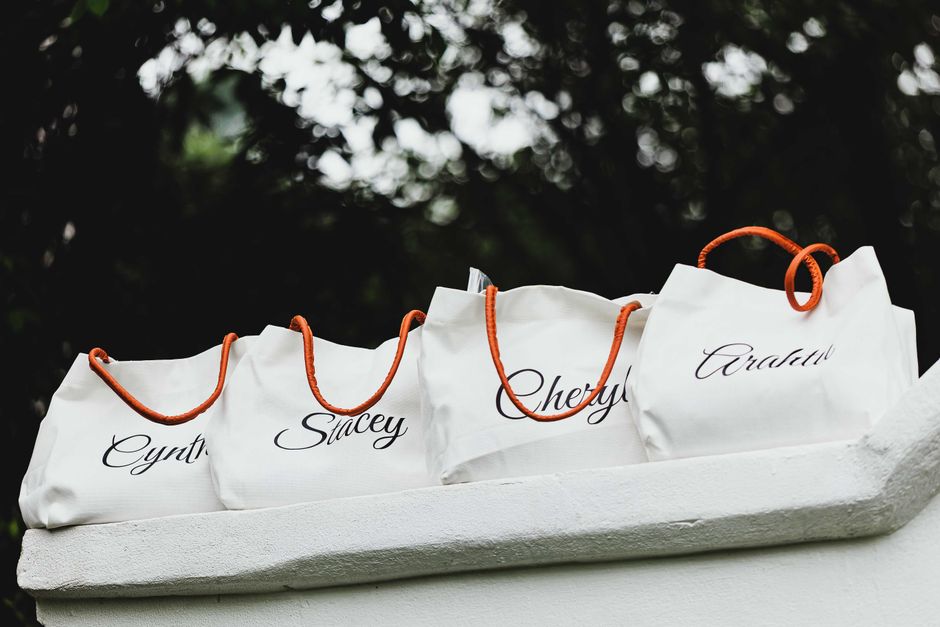
Finally, label the bag. A name or initial on each kit prevents the usual mix-up when a dozen identical bags end up in a pile by the door.
Hangover Recovery Items That Actually Help
The recovery pocket is the part of the kit guests will thank you for most, and it is also the easiest to get wrong by cramming in novelty items. Focus on three things: hydration, a pain reliever, and something to settle the stomach or add a little salt and sugar for the morning after.
For hydration, individually portioned electrolyte sticks are the simplest choice. Liquid I.V. Hydration Multiplier in Lemon Lime is sold in packs of individual serving sticks, typically around $20 to $25 per pack of 16 servings, and each stick mixes into 16 ounces of water. Tuck one or two sticks into every kit and you have covered Saturday night and Sunday morning.
For pain relief, single-dose packets are tidier and more discreet than a bottle. Individually wrapped Advil ibuprofen packets typically run $15 to $20 for a bulk multi-pack, which covers well over a dozen kits with plenty left over for the group chat. Each packet is sealed and clearly labeled, so nobody is guessing what is in the bag. Add a note reminding guests to follow the label and to ask a pharmacist if they have any questions about what is safe for them.
Round out the recovery pocket with a few salty crackers or a small packet of pretzels, a travel pack of antacid tablets if you like, and a mint or two. Skip anything that needs refrigeration or could melt in a warm hotel room. For a deeper list of what to include and how to customize it, see our guide to wedding hangover kit ideas.
Pre-Filled Kits When You Are Short on Time
Not every host has an evening to spare for sorting products into bags, especially when the maid of honor is also managing the itinerary, the group chat and the dinner reservations. A pre-filled kit trades a little customization for a lot of time saved.
A set of pre-filled bachelorette party hangover kits costs about $40 to $55 for ten kits, arrives already stocked with electrolyte packets, pain relief and other recovery basics, and removes the shopping and assembly entirely. At that price, each kit works out to roughly $4 to $5.50, which is hard to beat if you were planning to buy the pieces separately.
The best use of a pre-filled kit is as a base layer. Hand them out as they come, then add one personal touch per guest: a handwritten label, a sticker, a small candy, or a themed accessory such as a sash pin. That extra thirty seconds per bag makes the kit feel chosen rather than bought in bulk.
Check the contents before you commit. Some kits lean toward novelty items, so confirm that the listing includes the practical basics your group is likely to use, and plan to supplement anything missing. If the trip is longer than a weekend, order a few extra kits so guests who run through theirs on Saturday are not left empty-handed on Sunday.
Whichever route you choose, order early. Shipping delays and sold-out listings are the two most common reasons a kit shows up late or half-finished.
The Bag Itself: Totes and Containers That Get Reused
The container matters as much as the contents. A flimsy paper bag tears on the way to the car, while a good tote becomes the bag guests carry to the beach, the pool or the brunch spot all weekend. Choose something sturdy enough to hold a water bottle, sunscreen and the kit itself without sagging.
A personalized canvas bachelorette tote bag costs around $16 to $24 depending on customization, comes in heavyweight cotton canvas that holds its shape under real weight, and can typically be personalized with each guest's name or role alongside the trip's location and date. Because the tote doubles as the party favor, you are not spending separately on a keepsake.
If the budget is tight, consider the cheaper alternatives. Zip pouches, drawstring bags and clear toiletry cases all work well for the kit contents, and clear bags are handy because guests can see what is inside without digging. Pick a color or finish that matches the weekend theme, and keep the same style for the whole group so the bags look intentional when everyone is gathered for photos.
For flights, keep the liquid rules in mind. Anything over the carry-on limit should be packed in checked luggage or left out of the kit and kept in the suite. Mention this in the group chat when you share the packing list so guests are not surprised at security.
Delivery timing helps too. If you are mailing totes to guests ahead of the trip, include a short packing note so they can bring the bag filled with their own essentials, and hand out the kit contents at check-in.
Stain, Blister and Emergency Fixes
Hangover items get the attention, but the small emergency pocket is what saves an outfit. A stain on a dress ten minutes before a reservation is the kind of problem a single pen can solve, as long as someone has packed it.
The Tide To Go instant stain remover pens come in a pack of five and cost under about fifteen dollars. They are small enough to fit inside a clutch, and one pack gives you enough to split between a few kits and still keep a spare in the suite. Remind guests to dab the stain rather than rub it, and to rinse with cold water if the fabric allows.
Beyond stains, the most useful emergency items are blister cushions or moleskin, adhesive bandages, safety pins, double-sided fashion tape, a mini sewing kit and a few hair ties. Nights out in new shoes almost always end with a blister by the second evening, and a small pack of cushions is far more valuable than another bottle of lotion.
Add a portable phone charger if the budget allows, or ask guests to bring their own and keep a few spare cables in the suite. A dead phone can mean a missed rideshare, a lost group chat or a photo nobody can find the next day.
If the bride is also assembling a larger kit for the wedding itself, our list of wedding emergency kit essentials shares many of the same basics at a larger scale.
Matching Your Kit to the Type of Trip
A lake house weekend, a beach trip, a city night out and a desert resort each call for slightly different contents. Build the core kit first, then add two or three destination extras so the bags feel tailored rather than generic.
For a beach or pool weekend, add sunscreen packets, lip balm with SPF, an elastic wristband for a room key and a small waterproof pouch for a phone. For a city trip with plenty of walking, swap in blister pads, a foldable pair of flats in the suite for emergencies, and a small pack of tissues. For a mountain or lake cabin, think bug spray wipes, a headlamp and warm socks.
Consider the group, too. If most guests are heading out for a quiet dinner and a spa day, skip the party-themed items and focus on comfort: sheet masks, hand cream, a sleep mask and herbal tea. If the plan is nightlife, put the recovery items front and center and add something for the morning after, such as a salty snack and a small bottle of water.
Finally, tie the kit to the theme. A matching sticker, ribbon or label in the bride's chosen colors turns a practical bag into part of the weekend's decor. Our bachelorette party decoration ideas have more ways to carry a theme from the suite to the table.
Budgeting and Assembling Kits in One Hour
Most kits land between $8 and $25 per guest depending on how many items you include and whether the bag is personalized. A simple pouch with six basics sits near the low end, while a personalized tote with electrolyte sticks, pain relief packets and extras sits near the top. Decide on a per-guest budget before you start shopping, then work backward from there.
Buying in bulk is the best way to save. Multi-packs of single-dose pain relievers, stain pens and hydration sticks cost much less per item than travel-size versions bought one at a time. Splitting a bulk order between two or three hosts is a good way to share the cost while keeping the contents consistent.
To assemble quickly, set up an assembly line. Lay out all the bags in a row, place each item in its own pile, and move down the line dropping one product into each bag. A dozen kits take about thirty to forty minutes this way, and a second person can add labels or tags at the end.
Do a final check before you seal the bags. Count the items in each one, confirm that nothing leaks or has melted, and make sure names are spelled correctly. Pack the finished kits into a single box or checked bag with a little padding.
Hand them out at check-in, or leave one on each guest's bed with a short welcome note and the weekend schedule. First impressions matter, and a ready-made kit tells guests the trip has been thought through.
Bachelorette Survival Kit FAQ
- What should I put in a bachelorette survival kit?
Start with pain reliever, electrolyte mix, stain remover, blister protection, lip balm, hair ties, mints and adhesive bandages. Add two or three extras based on the destination, such as sunscreen packets for a beach trip or fashion tape for a night out. Keep each item small and individually wrapped so the bag stays light enough to carry all weekend.
- How much should I spend on each survival kit?
Most hosts spend between $8 and $25 per guest. A simple pouch with six basics sits at the low end, while a personalized tote with recovery items and extras costs more. Buying single-dose packets and stain pens in bulk lowers the per-kit cost significantly, and splitting an order with another host makes it cheaper still.
- When should I hand out the kits?
Hand them out at check-in or place one on each guest's bed with a welcome note and the weekend schedule. That way, everyone has what they need from the first evening. If you are mailing totes ahead of the trip, include a short packing list and give out the filled contents on arrival.
- Can I buy pre-filled kits instead of making my own?
Yes. Pre-filled kits save shopping and assembly time and often cost about $4 to $5.50 each in a ten-pack. Check the listing to confirm it includes the practical basics your group will use, and add a handwritten label or one small extra so each kit feels personal.
- Are survival kits allowed in carry-on luggage?
Most items are, but liquids over the carry-on limit must go in checked bags. Single-dose packets, stain pens, blister pads and bandages are easy to pack. Check current airline and security guidelines before you travel, and keep any full-size liquids in the suite rather than in each guest's kit.
- Should I include alcohol in the kit?
Only if you know everyone drinks, and even then it is a good idea to include a non-alcoholic option. Many hosts skip alcohol entirely and focus on recovery, comfort and emergency items, which every guest can use.