

Wedding Hangover Kit Ideas Guests Will Actually Use
Open bar, late toasts, and a dance floor that does not quit until midnight: it is a great night for guests, and a rough morning for more than a few of them. Wedding hangover kit ideas have become one of the most appreciated small gestures a couple can leave behind, a way of saying you thought about the next day and not just the party itself. Guests remember the kit long after they have forgotten the centerpieces.
A good hangover kit solves a real problem instead of just decorating a table. It gives someone at a hotel at 7 a.m., without a pharmacy in sight, exactly what they need to function through brunch, a flight home, or a Sunday drive. That practicality is what separates a hangover kit from a purely decorative favor, and it is exactly why guests actually use them instead of leaving them behind in the hotel room.
This guide walks through the essentials worth including, from pre-filled options you can order in bulk to the individual pieces if you would rather build your own. You will also find packaging ideas that keep the kits looking intentional rather than thrown together, plus guidance on where to place them and how many to order.
By the end you will have a clear plan for a kit that fits your budget and guest count, whether that means a simple bag of essentials or a fully coordinated set placed in welcome bags and hotel rooms alike.
How to Build a Wedding Hangover Kit Guests Will Actually Use
The best hangover kits stick to a short list of genuinely useful items rather than a long list of novelty ones. At minimum, aim for a pain reliever, something for hydration, and one comfort item like an eye mask or mints. Anything past that is a bonus, not a requirement, so resist the urge to cram in ten different products just because they are cheap in bulk.
Think about who is receiving the kit before you finalize contents. A kit for hotel-room welcome bags can be a little more elaborate since guests will open it in private, while a kit left as a favor at the reception table should be compact enough to slip into a bag or pocket on the way out. Destination weddings and multi-day celebrations tend to justify a more complete kit, since guests are more likely to be drinking across several events rather than one night.
Keep any medication in its original-style packaging or clearly labeled single-serving packets, and skip loose pills of any kind. Guests should be able to identify exactly what they are taking without guessing, and clear labeling also protects you from liability concerns around handing out unmarked medication. When in doubt, stick to items sold specifically as individually wrapped, travel-ready servings.
Pre-Filled Kits vs. Building Your Own
Once you know roughly what you want inside, the next decision is whether to buy a pre-filled kit or assemble each piece yourself. Pre-filled kits save significant time, especially for guest counts over 50, since someone has already sourced and portioned every item into a single bag. Building your own gives you more control over brand, quantity, and how the final presentation looks, at the cost of more assembly hours.
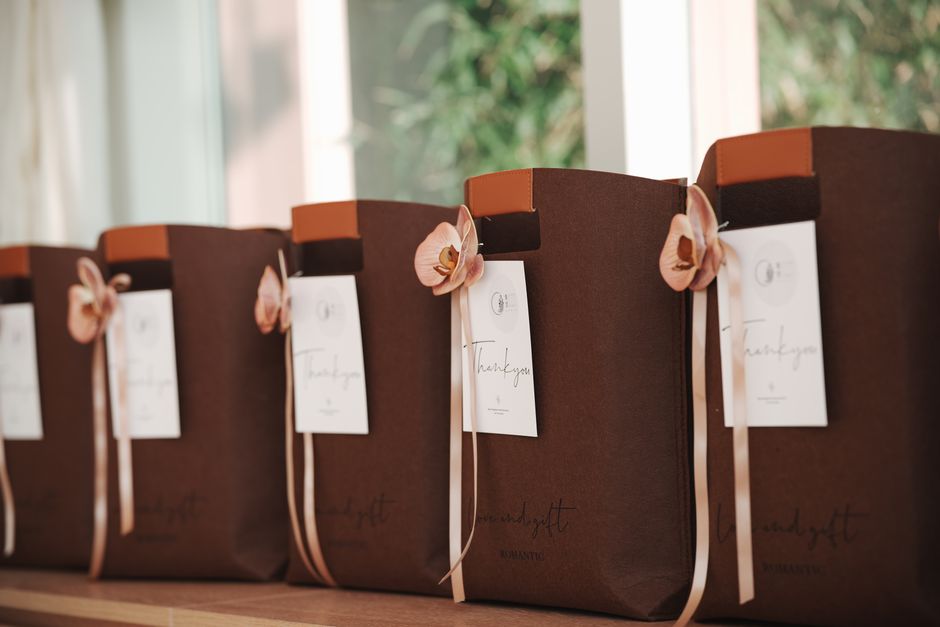
For couples who want a shortcut, a pre-filled hangover recovery kit built specifically for weddings and celebration weekends is an easy starting point, usually running $8 to $15 per kit depending on quantity ordered. Each bag already includes core recovery items in individually wrapped servings, so you can order in bulk and simply add a tag or ribbon rather than sourcing five separate products.
If you go the DIY route instead, buy each component in bulk separately and portion it into bags yourself, which typically costs less per kit but adds real assembly time the week of the wedding. A middle-ground approach many couples land on is buying one or two pre-filled kits to see the format in person, then replicating the concept with their own packaging and a curated mix of the individual products below.
Electrolyte and Hydration Essentials
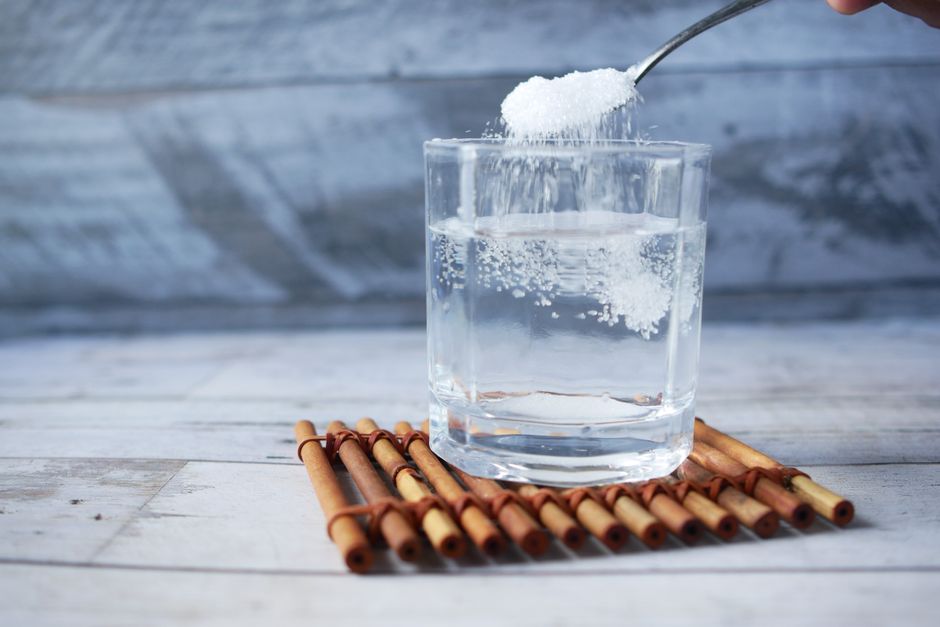
Dehydration is the actual mechanism behind most hangover symptoms, which makes an electrolyte drink mix the single most useful item you can include. A hydration powder that dissolves into a full glass of water does more for a guest's morning than any pill, and it doubles as a genuinely nice thing to have around even for guests who did not overdo it at the bar.
A widely used option here is Liquid I.V. Hydration Multiplier in Lemon Lime, sold in single packs of individual serving sticks, typically around $20 to $25 per pack of 16 servings. Each stick mixes into 16 ounces of water and delivers more electrolytes than a standard sports drink, making it easy to portion one or two sticks per kit without buying a full case for every guest.
Buying a single multi-serving pack and splitting it across dozens of kits is usually more cost-effective than buying individually packaged single sticks elsewhere, so check the per-serving price before committing to a format. If your venue has limited access to bottled water the next morning, consider pairing the powder with a small water bottle in the kit itself so guests are not stuck without anything to mix it into.
Pain Relief and Recovery Basics
After hydration, a mild pain reliever is the item guests reach for most, and it is worth choosing a format that is clearly labeled and easy to dose correctly at 7 a.m. with a headache. Individually wrapped packets are the standard choice for hangover kits because they are sealed, sanitary, and obviously store-bought rather than repackaged from a shared bottle.
A reliable pick is individually wrapped Advil ibuprofen packets, sold in bulk multi-packs that typically run $15 to $20 for enough packets to cover well over 100 kits. Each packet contains a standard two-tablet dose, sealed and labeled exactly as it would be at a pharmacy, which keeps things simple and clearly identifiable for anyone reaching into the kit half-asleep.
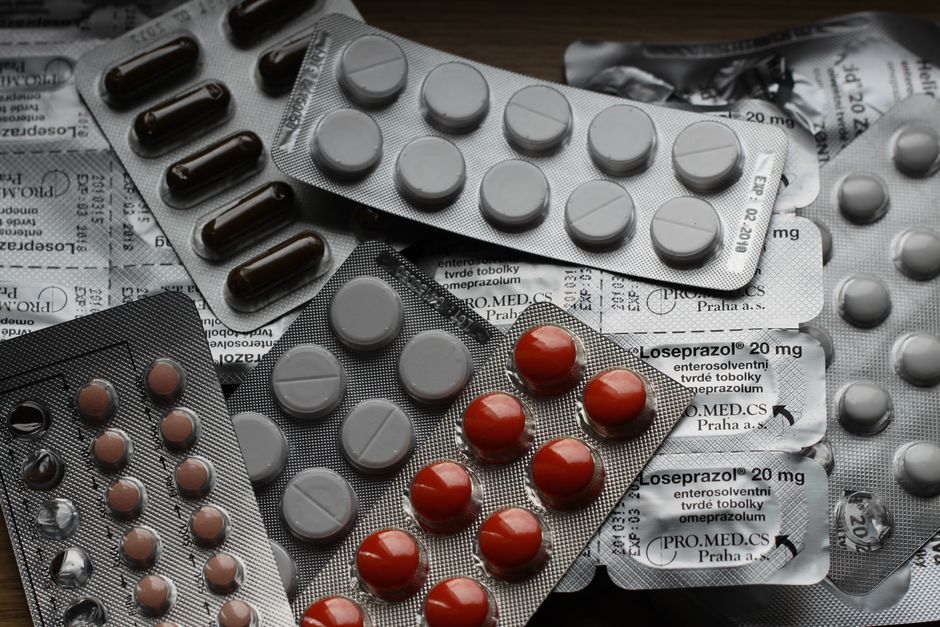
Round out this section of the kit with a small pack of antacid tablets if your budget allows, since an upset stomach is nearly as common as a headache after a long night of drinking and dancing. Keep every medication item in its original manufacturer packaging rather than repackaging pills loose into a bag, both for guest safety and to avoid any confusion about dosage or expiration.
Packaging: Bags, Tags, and Presentation
A hangover kit reads as a thoughtful gesture or a leftover pharmacy bag almost entirely based on packaging, so it is worth spending a little extra time here even if the contents themselves are simple. A small kraft bag with handles, a coordinating tag, and everything arranged so the contents do not shift around inside makes the same $10 of supplies feel considered rather than tossed together.
A practical option for the bag itself is a set of small kraft paper bags with handles, sold in bulk packs of 50, generally around $12 to $18 per pack. The natural kraft finish suits almost any wedding palette, and the handles make the kits easy for guests to carry back to their hotel room or car without everything spilling loose.
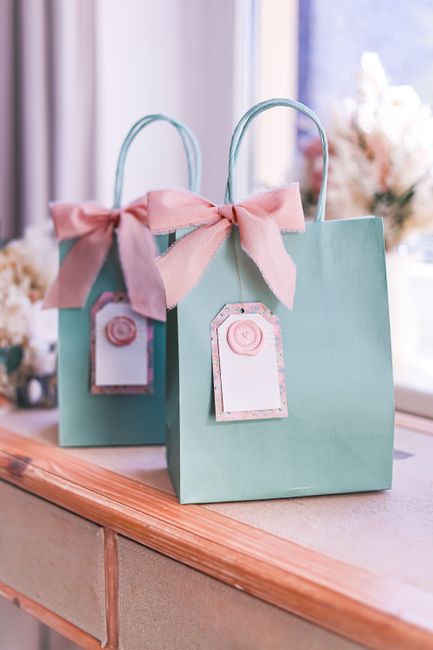
Add a short, friendly tag rather than over-explaining the contents; something like "For the morning after" or "Recovery kit — you're welcome" gets the joke across without needing paragraphs of copy. If you are already making wedding favor tags for other parts of the reception, reuse the same font and cardstock here so the hangover kits read as part of the same coordinated favor lineup rather than a separate afterthought.
Comfort Extras: Eye Masks and Other Add-Ins
Once hydration and pain relief are covered, a few comfort extras round out the kit without adding much cost. A sleep or eye mask is the most popular add-in, useful both for the actual wedding night if a guest wants to nap before the reception ends and for blocking out morning light in an unfamiliar hotel room the next day.
A good bulk option is a pack of personalized satin sleep masks, sold in bulk quantities and often printable with a name, initial, or short phrase, generally running $1 to $2 per mask depending on the pack size ordered. Ordering in bulk keeps the per-guest cost low while still giving the kit a personalized touch that a plain drugstore mask would not have.
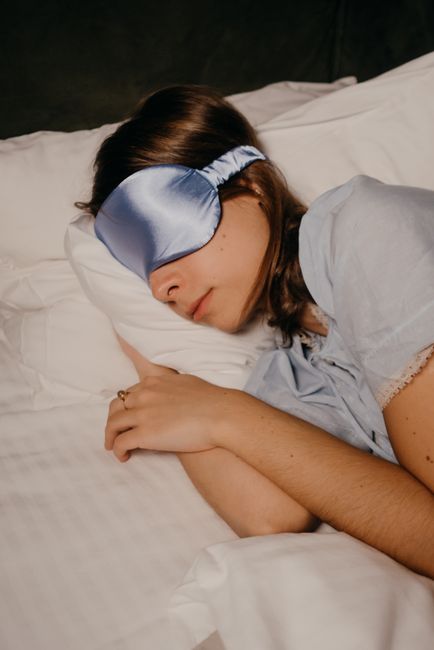
Beyond the eye mask, small extras like mints, a bandage or two, and a single hair tie round out the kit at almost no added cost and cover the handful of small annoyances guests actually run into after a long night. Skip anything bulky or expensive here; the goal is a light, useful add-on, not a second gift.
Where, When, and How Many to Order
Hangover kits do the most good when they are somewhere a guest will actually find them the next morning, which usually means the hotel room rather than the reception table. If you are already assembling wedding welcome bags, the hangover kit slots naturally inside as one component rather than a separate item guests have to track down on their own.
For guests not staying at a block hotel, a small basket near the exit or coat check lets people grab a kit on their way out at the end of the night, which works well for local weddings where most guests are driving or taking a car home rather than checking into a room. Label the basket clearly so it reads as an intended favor rather than leftover supplies.
Order kits for your full guest count rather than just the number of hotel rooms, since kits are inexpensive enough that a few extras rarely feel wasteful, and running short in front of guests looks worse than having a handful left over. Most couples order supplies four to six weeks ahead and assemble kits the week of the wedding, which leaves enough runway to reorder any component that arrives short or damaged.
Wedding Hangover Kit FAQ
- What should go in a wedding hangover kit?
At minimum, include a pain reliever in individually wrapped packets, an electrolyte or hydration drink mix, and one comfort item like an eye mask. Optional extras include antacids, mints, a bandage, and a hair tie. Keep the list short and useful rather than padding it with novelty items guests are unlikely to use.
- How much does a wedding hangover kit cost per guest?
Most hangover kits run $3 to $8 per guest depending on whether you buy a pre-filled kit or assemble one yourself. Pre-filled options sit toward the higher end of that range but save significant assembly time, while building your own from bulk supplies typically lands closer to $3 to $5 per kit.
- Should hangover kits go in the hotel room or at the reception?
Hotel rooms work best for out-of-town guests, since the kit is there waiting when they need it most the next morning. For local guests driving home, a basket near the exit at the end of the night is more practical, since they will not see a kit left in a hotel room they never check into.
- Are hangover kits only for destination or multi-day weddings?
No. Any wedding with an open bar and a late reception benefits from offering one, since the morning-after discomfort is the same regardless of whether guests are traveling. Multi-day and destination weddings simply make the value more obvious, since guests are drinking across several consecutive events rather than one night.
- Can I make a hangover kit without including medication?
Yes. A kit built around an electrolyte drink mix, mints, a bottle of water, and an eye mask still covers most of what guests need and avoids any concern about distributing medication. This is a common choice for couples who want to keep the kit simple or who have concerns about liability around handing out pain relievers.
- How far in advance should I order hangover kit supplies?
Order all components four to six weeks before the wedding so you have time to reorder anything that arrives damaged or short, then assemble the finished kits the week of the wedding. Pre-filled kits can typically be ordered a little closer to the date since there is no individual assembly required on your end.
PREV ARTICLE
NEXT ARTICLE
Related articles
Unique ideas
Bridal Shower Favor Ideas Guests Will Actually Keep
Unique ideas