Style and attire



Looking astonishing as a bride is not about being unrecognizable to yourself in the wedding photos. The brides who look most beautiful in their final galleries are not the ones who transformed themselves dramatically for the day — they are the ones who showed up looking like the most rested, polished, comfortable version of themselves. The dress, the hair, and the makeup are supporting cast; the bride's own face and presence are the center of every photograph.
The framework below covers the elements that most affect how you actually look on camera: skin preparation, hair and makeup choices, dress fit, posture and confidence, and the small day-of habits that show up in photos. None of it requires extreme effort, and none of it requires spending thousands more than you already are. It does require starting earlier than most brides do.
Skin is the foundation of how you photograph, and it is the element with the longest lead time. Skin transformation takes months, not weeks. The skincare investments that genuinely pay off in wedding photos:
Hair on the wedding day matters less than skin but more than makeup for how you photograph. The single most important step is the hair trial — a working session with your stylist 6 to 10 weeks before the wedding where you test the actual style with the actual products on your actual hair length.
Bring to the trial: a photo of your wedding dress (especially the neckline), your veil if you are wearing one, three reference photos of the style you want shot from different angles, and full makeup so you can see how the hair reads with the rest of the look.
After the trial, photograph yourself from multiple angles — the salon mirror lies, the camera does not. If something does not work in photos, adjust now. The wedding morning is not the time to discover that your romantic half-up looks flat from the side.
Wedding-day makeup needs to be heavier than your everyday look (because of camera flash and full-day longevity) but lighter than what most makeup artists default to (because heavy bridal makeup ages quickly and reads as overdone).
Principles that consistently produce flattering bridal makeup:
Have a full makeup trial 4 to 8 weeks before the wedding. Take photos in different lighting (indoor, outdoor, with flash). Adjust based on what the photos show, not what the salon mirror shows.
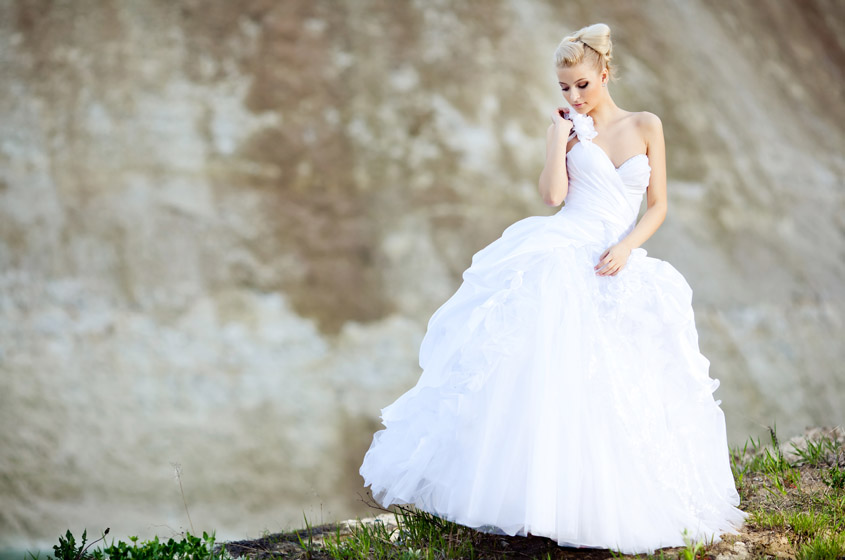
A perfectly fitted off-the-rack dress will photograph better than a poorly fitted designer gown. Dress fit is the single biggest visual differentiator between a bride who looks polished and one who looks slightly off in photos.
Schedule three alterations fittings — first fitting 8 to 10 weeks out (initial alterations), second fitting 4 to 6 weeks out (refinement), final fitting 1 to 2 weeks out (final adjustments and bustling). Do not skip the third fitting; bodies and dress fit shift in the final weeks.
Budget $300 to $1,200 for alterations on a typical wedding gown in 2026, more for heavily beaded or constructed dresses. This is one of the few wedding line items where spending more reliably produces a better visual outcome — a skilled alterations specialist is worth the premium over a budget tailor every time.
The bride's posture in wedding photos affects how the dress looks, how the bouquet sits, and how the overall image reads more than nearly any other variable. Three small adjustments that consistently improve photos:
Practice in front of a mirror in the weeks before the wedding. Most brides do not realize their default standing posture reads as tense in photos until they see the gallery. A few minutes of mirror practice before the wedding day creates muscle memory that shows up in every photo.
During the ceremony and reception, breathe. Many brides hold tension in their face and shoulders for hours, which shows up as a slightly forced expression in candid shots. Conscious slow breathing, especially during the ceremony, produces more natural-looking emotional expressions.
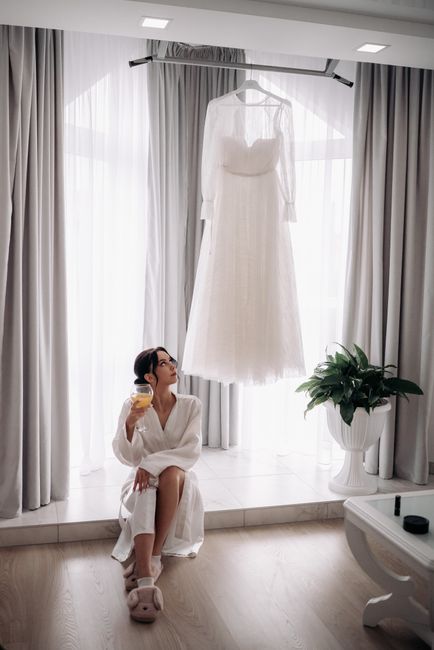
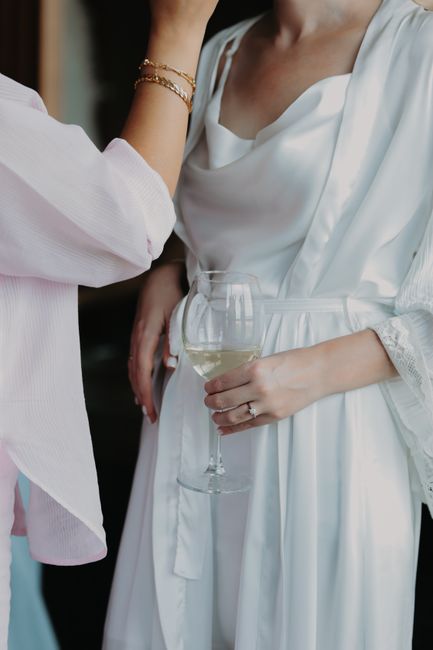
The choices you make on the wedding morning shape how you look more than the prep work that came before. The morning habits that consistently produce good results:
Confidence reads on camera in a way that no makeup or hair styling can replicate. The bride who knows she looks good and trusts her plan will photograph as confident regardless of dress, makeup, or venue. The bride who is anxious about how she looks will photograph as anxious regardless of how much was spent on hair and makeup.
Confidence on the wedding day comes from two things: feeling prepared (which comes from doing the trials, the alterations, and the skin prep on schedule) and feeling supported (which comes from being surrounded by people who love you). Trust the work you have done. Trust the people around you. The astonishing-bride photos are the ones where the bride is so present and so confident that nothing else in the frame matters.