Wedding Dessert Table Ideas: Display, Décor and Layout Tips


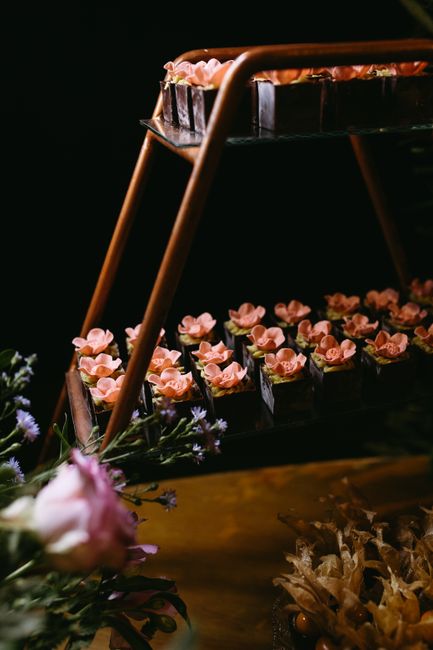
A dessert table is one of the few reception features that guests photograph, return to twice and talk about on the drive home. If you are collecting wedding dessert table ideas, you are probably trying to solve two problems at once: how to make the sweets look beautiful, and how to make sure nothing runs out or melts before the first dance. Both are very solvable with a little planning.
The good news is that a dessert table is flexible. It can sit alongside a traditional wedding cake, replace the cake entirely, or act as a late-night snack station when guests need a second wind. It can be built around macarons and mini tarts for an elegant ballroom, or around cookies, donuts and brownies for a relaxed backyard celebration. The format adapts to nearly any budget, because you can scale the number of dessert types up or down without losing the effect.
What makes a table look polished is rarely the desserts themselves. It is the height variation, the repeated colors, the clear signage and the practical details such as tongs, napkins and take-home boxes. A bakery tray set flat on a tablecloth looks like a buffet; the same treats on stands at three heights look like a display. This guide walks through how to choose a layout, decide how much to order, build the display, and shop for the supplies that do the most visual work.
Choose the Right Location and Layout
Where the table lives affects how it looks in photos and how well the desserts hold up. Start by choosing a spot that is away from direct sun, air vents and the main bar line. A table positioned near the entrance to the dance floor tends to get steady traffic, while one tucked in a corner may be forgotten until late in the evening. Many couples place the table within sight of the cake or head table so the room feels visually balanced.
Think about access from both sides. A table pushed against a wall limits you to one guest-facing side, which makes it easy to dress but harder for crowds to move through. A freestanding table lets guests approach from every direction, but it needs a finished back, so plan for a floor-length linen or a tall decorative arrangement that hides crates and spare trays.
Size matters more than most planners expect. A good rule of thumb is one six-foot rectangular table for every sixty to seventy-five guests, with extra room in front so people can pause without blocking others. For larger guest lists, two smaller stations placed at opposite ends of the room reduce lines and keep sweets fresh, because you can refill one while the other stays stocked.
Finally, ask your venue about power, refrigeration and timing. Ice cream, mousse and anything cream-filled need cold storage until shortly before service, while chocolate-dipped treats can warm and sag in a hot tent. Tell your caterer or a trusted friend exactly when the table should be assembled so desserts come out at the right moment, usually just before or after the cake cutting.
How Much Dessert Do You Actually Need?
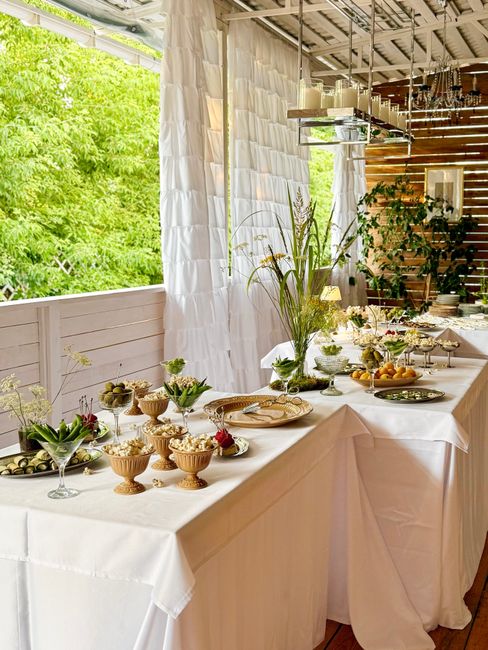
Over-ordering is expensive and under-ordering is memorable for the wrong reasons, so it helps to use a formula. If a dessert table sits alongside a wedding cake, plan for three to four bite-sized pieces per guest. If the table replaces the cake, plan for five to seven pieces per guest, because it is serving as the only sweet course. Guest counts matter, but so does the timing of your reception: an evening event with a late dinner usually sees heavier dessert consumption than an afternoon brunch.
Break the total into categories so the table feels varied without becoming wasteful. A reliable mix is roughly forty percent small baked goods such as cookies, brownie bites and mini cupcakes, thirty percent plated or cup-style desserts such as mousse, tiramisu or mini pies, twenty percent candy or chocolate, and ten percent a showpiece such as a small cake, a croquembouche or a donut wall. Having a few items that can sit out safely for hours, such as cookies and wrapped candy, gives your caterer a buffer.
Dietary needs deserve their own row. Label gluten-free, nut-free and vegan options clearly, and keep them physically separated from items that contain common allergens. A small card in front of each tray is enough, and guests will appreciate not having to ask. If you have several guests with serious allergies, a sealed individual treat made by a dedicated bakery is safer than a shared tray.
Pick Flavors and Dessert Types That Photograph Well
The most photogenic tables usually pick a palette first and flavors second. Choose three or four colors drawn from your florals and linens, then look for desserts that echo them. Pale blush macarons, white chocolate bark and cream-colored meringues feel soft and romantic, while berry tarts, dark chocolate truffles and red velvet cupcakes read as bolder and richer.
Seasonality helps both flavor and budget. Spring and summer weddings suit lemon bars, strawberry shortcake cups and fruit tarts. Autumn tables shine with apple cider donuts, pumpkin whoopie pies and caramel-dipped pretzels. Winter lends itself to hot chocolate stations, peppermint bark and spiced shortbread. Choosing in-season ingredients usually lowers the bakery price and improves taste.
Mix textures as well as flavors. Pair something creamy, like a mousse cup, with something crisp, like a biscotti or shortbread, and add a chewy item such as a brownie. Include at least one small, clean, hand-held option that guests can eat in two bites while holding a drink and wearing formal clothes; powdered sugar and sticky glazes are fun in theory but messy in a silk dress.
Do not overlook personal touches. A nod to the couple, such as the grandmother's cookie recipe, the pie from your first date or a regional specialty, gives guests a story to share. Even one item with meaning turns the table from generic into memorable. If you are considering skipping the cake altogether, our guide to wedding cake alternatives covers other ways to build a sweet centerpiece without a traditional tiered cake.
Use Stands and Levels to Add Height
Height is the single most effective styling trick for a dessert table. When everything sits at the same level, the eye has nowhere to travel and the table looks flat. Create a visual triangle by placing your tallest piece toward the back or center, medium pieces on either side and low pieces at the front. Mix stands, trays, boxes and risers wrapped in linen to build those levels without buying a full matching set.
Cake stands are the easiest way to do this, and a set in graduated sizes lets you repeat the same finish across the table for a cohesive look. A Hedume three-pack of round gold metal cake stands in 8, 10 and 12 inch sizes typically costs around thirty dollars, and the metal finish pairs well with both white linens and colorful sweets. Use the largest for cupcakes or macarons, the middle for cookies, and the smallest as a pedestal for a single showpiece. For a deeper look at materials and sizes, see our guide to wedding cake stand ideas.
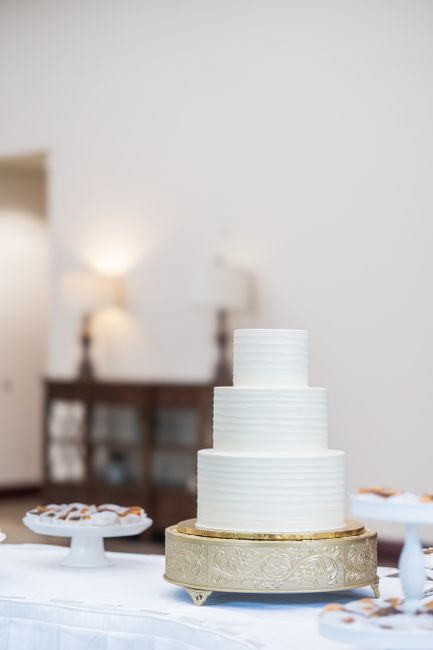
Wooden crates, acrylic risers and upside-down glass bowls under a platter all create height at almost no cost. Cover boxes with a matching cloth or lay a runner over a stepped arrangement so the surface looks intentional. Test the arrangement a day early with empty plates, because it is much easier to move a stand than to rebuild a display with finished desserts.
Add Jars, Cups and Serving Tools
Not every dessert needs a tray. Glass jars and cups add transparency, make candy look abundant and let you serve items that would not hold their shape on a plate. Tall apothecary jars filled with wrapped chocolates, jelly beans or pastel candies create vertical anchors at either end of the table and help the display feel balanced. A MyGift four-piece set of clear glass apothecary jars with lids generally runs around thirty-five to forty dollars, and the lids keep dust and insects away during an outdoor reception.
Individual dessert cups let guests take a portion without a plate, which shortens lines. Parfaits, panna cotta and mini trifles all work well in small clear cups with spoons tucked in, and they travel nicely from the kitchen without smearing. For candy, offer scoops rather than tongs so guests can fill a bag or box more quickly. A set of twelve gold plastic candy scoops usually costs under ten dollars, which makes it an easy way to supply every jar.
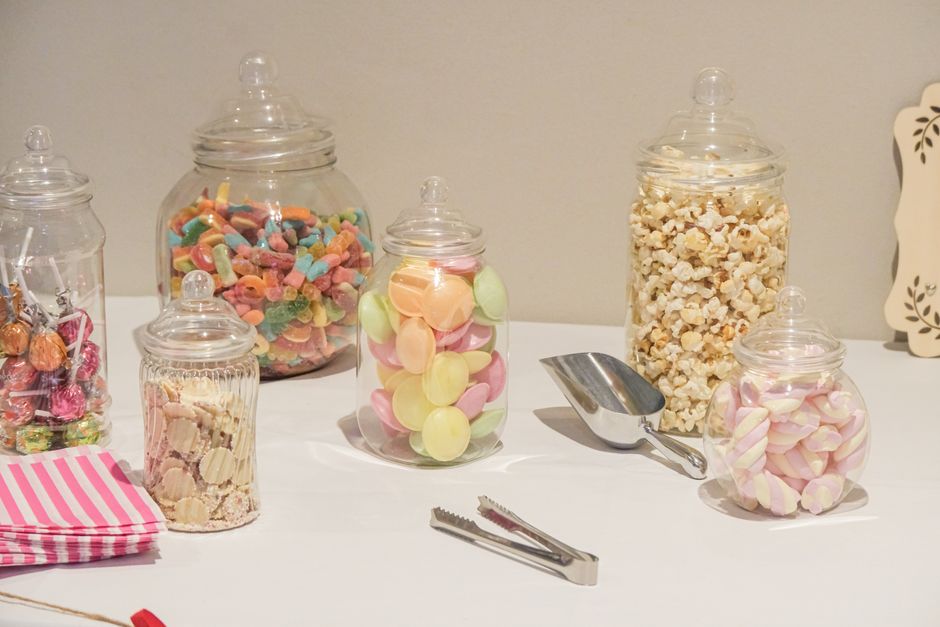
Do not forget the practical gear. Provide a separate set of tongs or a scoop for each tray, and label them if you have allergen-sensitive items. Stock plenty of small plates, forks and napkins at both ends of the table, because a shortage of plates is the fastest way to create a bottleneck. If you are serving a showpiece cake or a large tart from the table itself, a sturdy server makes cutting far less stressful. An Orblue wedding cake knife and server set generally costs around fifteen to twenty dollars and photographs nicely for the ceremonial first cut. Our wedding cake cutting set guide compares more options if you want something engraved or heirloom quality.
Style the Table with Décor and Signage
Once the structure is in place, décor ties the table into the rest of the room. Start with the linen, choosing a color that contrasts with your desserts. Pale tablecloths make dark chocolate and berry tones stand out, while a deep jewel-tone cloth makes white and pastel sweets pop. A runner, a ruffled skirt or a draped garland of greenery can soften the front edge and add texture.
Flowers and greenery connect the table to your centerpieces. Low arrangements work best because tall ones block the view of the sweets and shade the lighting. Scatter a few loose blooms or sprigs between stands, and use real fruit such as figs, berries or citrus slices as natural accents. Candles in glass holders or small string lights tucked behind the display add warmth in the evening, though keep flames away from linen and paper.
Signage keeps the table organized and helps guests understand what they are choosing. Use small labels on each tray for flavor and allergens, and add one larger sign, such as "Sweet Treats" or "Love Is Sweet," as a headline. Acrylic signs look clean and modern, and there are many pre-made options for dessert and buffet tables. Pick a font and color that matches your invitations so the table feels like part of the same design.
Offer Take-Home Boxes and Last-Look Touches
A take-home option solves several problems: guests who are full now still get to enjoy dessert later, you waste less food, and the table doubles as a favor. Stack small boxes or bags near the end of the table with a sign inviting guests to fill one on their way out. Kraft boxes, window boxes and wax-paper bags all work, and tying them with ribbon or a stamped tag makes them look intentional.
For candy, small bags with a tag and a scoop of mix-and-match sweets are inexpensive and popular. Our wedding candy buffet guide covers bag sizes, quantities and sign wording if you want to add a self-serve section. Provide a few extra boxes so guests can claim a treat for someone who stayed home, and place the stack close to the exit so it is the last thing people see.
Before the doors open, do a final walkthrough. Check that every tray is level, every stand is stable and every label faces the guest. Make sure tongs are clean, napkins are stocked and the lighting is not too dim to see the colors. Assign one person, ideally your caterer or a trusted friend, to monitor the table through the evening, replace empty trays and wipe up spills. A tidy table in the last hour looks as good as it did at the start.
Wedding Dessert Table FAQ
- How many desserts should I order per guest for a wedding dessert table?
Plan three to four bite-sized pieces per guest if you are also serving a wedding cake, and five to seven pieces per guest if the dessert table replaces the cake. Add roughly ten percent extra to cover late arrivals, second helpings and any items that break or melt during setup. Varying sizes helps, since a mix of mini and regular portions stretches your budget without making the table look sparse.
- How much does a wedding dessert table cost?
Costs vary widely by region and bakery, but many couples spend between five and fifteen dollars per guest depending on how many items they order and whether they hire a baker or assemble it themselves. Buying a few items from a grocery or warehouse store and dressing them up with stands, jars and signs is a common way to lower the price without losing the effect.
- When should the dessert table be set up and opened?
Set the table up shortly before it opens, ideally within the hour before service, so desserts look fresh. Most couples open it right after dinner or just after the cake cutting. If it also serves as a late-night snack, refresh it with new trays at the same time so guests see a full display again when the dance floor slows down.
- Can a dessert table replace a wedding cake?
Yes, many couples skip the traditional cake and serve a dessert table instead. To make it feel complete, include a small showpiece such as a mini cake or a tiered stand of cupcakes that you can cut together for photos. Order more pieces per guest than you would with a cake, and make sure the table is placed where it is easy to find.
- How do I keep desserts fresh and safe on a warm day?
Keep the table out of direct sun, bring out trays in small batches and store cream-based or chilled items in refrigeration until the last moment. Choose treats that tolerate heat, such as cookies, brownies and wrapped candy, if the venue is outdoors. A shaded tent, a fan and ice trays under metal platters can also help.
- Do I need a separate sign for allergens?
It is wise to label each tray with the dessert name and any common allergens, such as nuts, dairy, eggs or gluten. Small cards are enough, and they save guests from asking a server. If you have guests with severe allergies, separate those items physically and use dedicated tongs.