

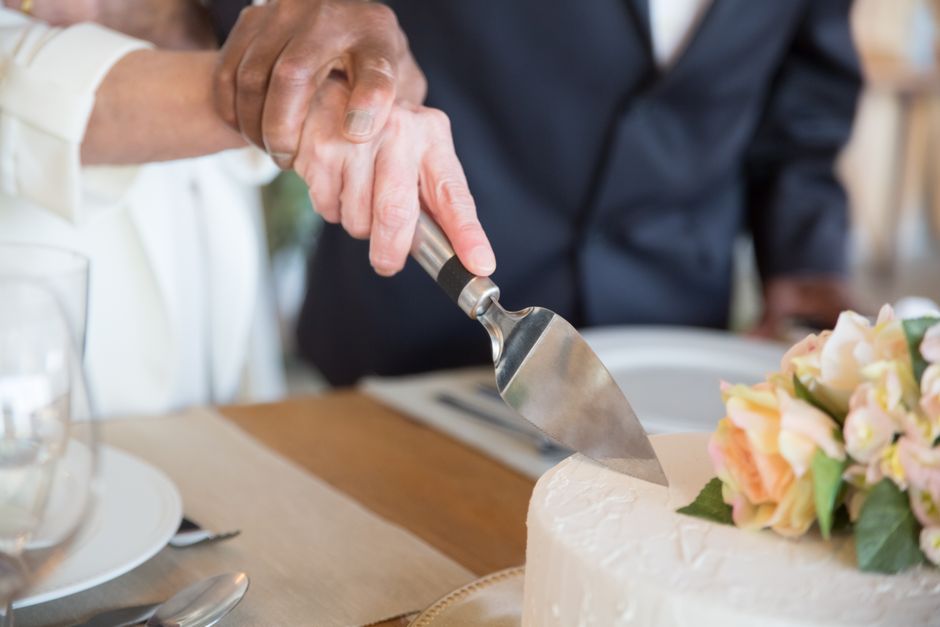
Wedding Cake Stand Ideas for Every Style and Budget
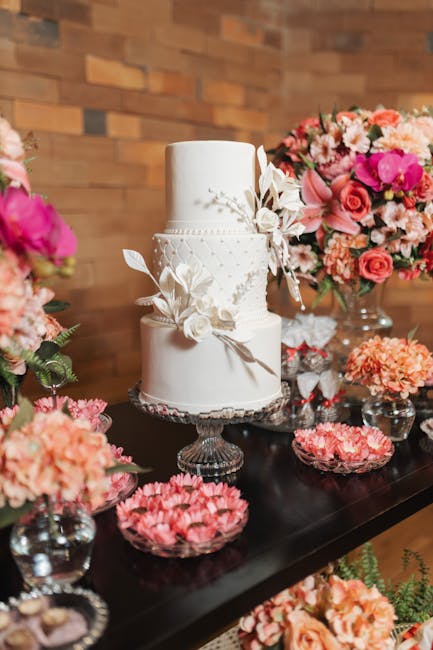
The cake stand is one of those details that quietly does a lot of work. It lifts the cake to eye level, frames it against the rest of the dessert table, and sets the tone for whether the moment reads as classic, rustic, modern, or playful. Good wedding cake stand ideas start from that realization: the stand is not just a plate on a stick, it is the pedestal that turns a cake into a centerpiece. Choosing the right one is part practical and part stylistic.
The practical side comes down to size and stability. A stand that is too small leaves the bottom tier hanging over the edge, and a base that is too light wobbles the moment someone leans in for a photo. The stylistic side is where the fun lives, because there is a stand to match nearly any aesthetic, from glossy white porcelain to hammered gold metal to a raw wood slice pulled straight from a barn wedding mood board.
This guide walks through the main styles couples reach for, what each one suits, and roughly what to budget in 2026. It also covers how to size a stand to your cake, a few budget and do-it-yourself routes that look far more expensive than they cost, and the styling tricks, florals, height, and backdrop, that make the finished display photograph beautifully. Whether you are buying, renting, or building, the goal is a stand that holds the cake safely and looks intentional.
By the end you should know exactly which direction fits your venue and palette, and have a shortlist of specific stands worth considering. Let's start with the question that trips up the most couples: how to choose the right one.
How to Choose the Right Wedding Cake Stand
Before you fall for a finish, get the fundamentals right, because a gorgeous stand that cannot safely hold your cake is just expensive decor. The first measurement that matters is diameter. As a rule of thumb, the stand should be at least two inches wider than the bottom tier of the cake so the base has a visible border and nothing overhangs the edge. For a typical three-tier wedding cake with a ten-inch base tier, that means a twelve to fourteen-inch stand.
Weight and stability come next. Tiered cakes are genuinely heavy, often fifteen to twenty-five pounds once stacked, so the stand needs a broad, weighted base that will not tip when the cake is carried in or cut. Ceramic and porcelain stands tend to be reassuringly heavy, while thin metal or acrylic stands should have a wide footprint to compensate. Always check the manufacturer's weight rating and confirm the surface is food-safe if the cake sits directly on it.
Style is the final filter, and it should echo the rest of your decor rather than fight it. Match metals to your hardware and flatware, keep white-on-white for a clean modern look, or lean into wood and greenery for something rustic. If your cake is the showpiece, a simple stand lets it shine; if the cake is understated, a more decorative stand can carry the visual interest. Coordinate the stand with your wedding cake topper ideas so the top and bottom of the cake feel like one considered design.
Classic White Ceramic and Porcelain Cake Stands
A white ceramic pedestal is the little black dress of cake stands. It works with almost every palette, photographs cleanly under any lighting, and never looks dated, which is why it remains the default for classic, romantic, and minimalist weddings alike. The bright, neutral surface lets the cake and its florals take center stage, and the weighted base gives you confidence that a heavy tiered cake will sit securely.
For a dependable workhorse, the KOBIKOBI 10-inch white ceramic cake stand hits the sweet spot at around $25 to $35. It is food-safe, has a non-slip weighted base, and the raised edge keeps a single-tier cake or a cluster of cupcakes from sliding. Ten inches suits a smaller cutting cake or a one-tier design beautifully; for a full multi-tier cake you would size up, but for many couples this is exactly the clean, classic look they picture.
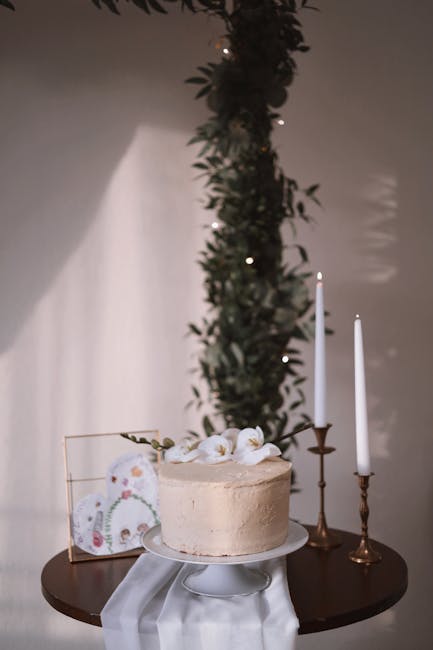
If your cake is going on a dessert table alongside other treats, a matching set of white stands at varying heights creates a cohesive, gallery-like display. The trick with all-white is texture: a glossy glaze reads modern, while a matte or scalloped finish leans softer and more traditional. Either way, white ceramic is the safest bet if you want a stand you will not second-guess in the photos.
Decorative and Textured Pedestal Stands
When you want the stand itself to add a little character, decorative pedestals with ruffled edges, scalloped trim, or fluted columns bring a vintage, garden-party softness that plain white cannot. These details catch the light and add dimension, which is especially welcome for a simple buttercream cake that might otherwise look bare. They suit romantic, English-garden, and tea-party themes particularly well.
A pretty option in this vein is the YHOJOY 10-inch white cake stand with a ruffle trim, usually around $20 to $30. The ruffled edge gives it a delicate, almost lacy silhouette that flatters a single-tier cake or a tower of cupcakes, and because it is still white it keeps that timeless, palette-friendly quality while feeling a touch more special than a flat-edged plate.
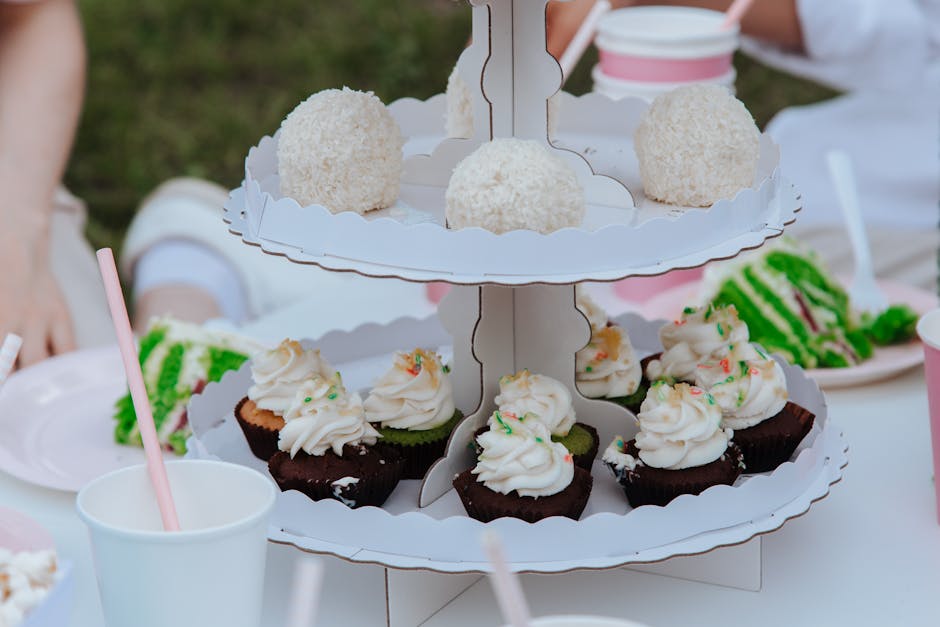
Texture does not have to mean fussy. A milk-glass hobnail stand, a fluted ceramic column, or a beaded-edge plate all add interest while staying refined. If you are mixing several stands on a dessert table, vary the textures but keep the color story tight, all white, all milk glass, or all pale blush, so the display reads as curated rather than mismatched. Decorative stands are the easy way to inject personality without committing to a bold color or metal.
Gold and Metallic Cake Stands
Nothing says celebration quite like a metallic stand catching the light. Gold, rose gold, and brushed brass stands bring warmth and a hint of glamour, and they pair naturally with candlelight, greenery, and jewel-toned palettes. For modern, art-deco, or luxe weddings, a metallic pedestal can be the single detail that elevates the whole dessert display from sweet to striking.
A flexible choice here is a graduated metal set such as the Hedume three-pack of round gold cake stands in 8, 10, and 12 inch sizes, typically around $30 to $40 for all three. Buying a nested set means you can use the largest for the cake and the smaller two for cupcakes, macarons, or a cheese course, and the matching finish ties the whole table together. After the wedding they double as serving stands for parties, so the spend keeps earning its keep.
If your cake is the star, choose a metallic stand with clean lines so it frames rather than competes. If you want the stand to be a feature, an ornate filigree or hammered-texture base adds drama. Just be mindful of finish consistency: a true gold and a rose gold read very differently next to each other, so commit to one tone across your stands, your wedding place card holders, and your other table hardware for a polished, intentional look.
Tiered and Dessert-Table Display Sets
Not every couple wants a single towering cake, and the rise of dessert tables, mini cakes, doughnut walls, and macaron towers has made multi-piece stand sets genuinely useful. A coordinated set of stands at different heights turns a flat table into a layered display, drawing the eye up and giving guests an inviting, abundant spread to graze from. This is also a smart route if you are skipping a traditional cake.
For this look, a multi-piece set like the six-piece rose gold metal cake stand set at around $35 to $45 gives you several risers and rounds in one purchase. Staggering heights across the table, tall stands at the back, shorter ones in front, creates depth and lets every dessert be seen rather than hidden behind the cake. A matching finish keeps it cohesive even when the treats themselves are a colorful mix.
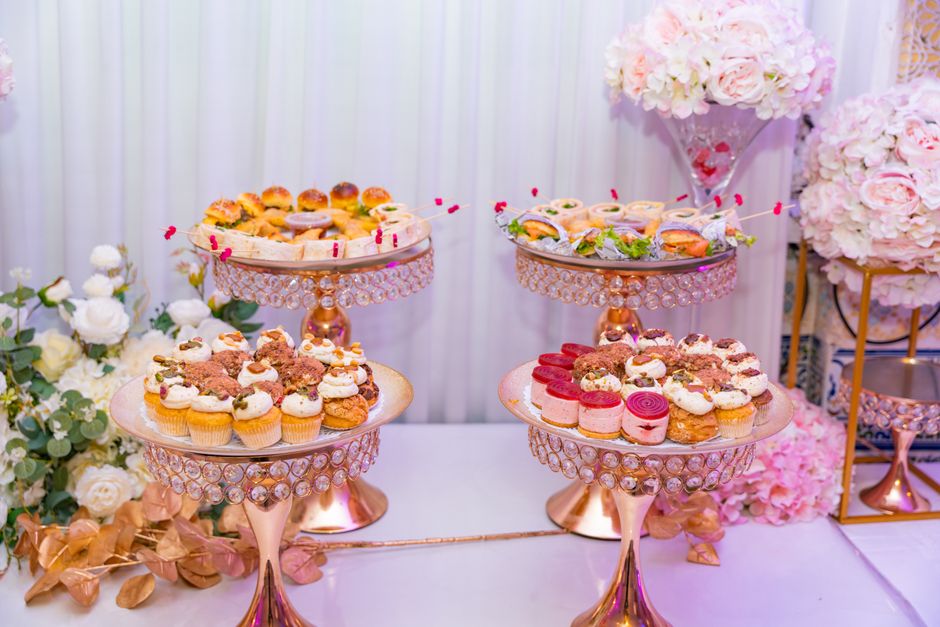
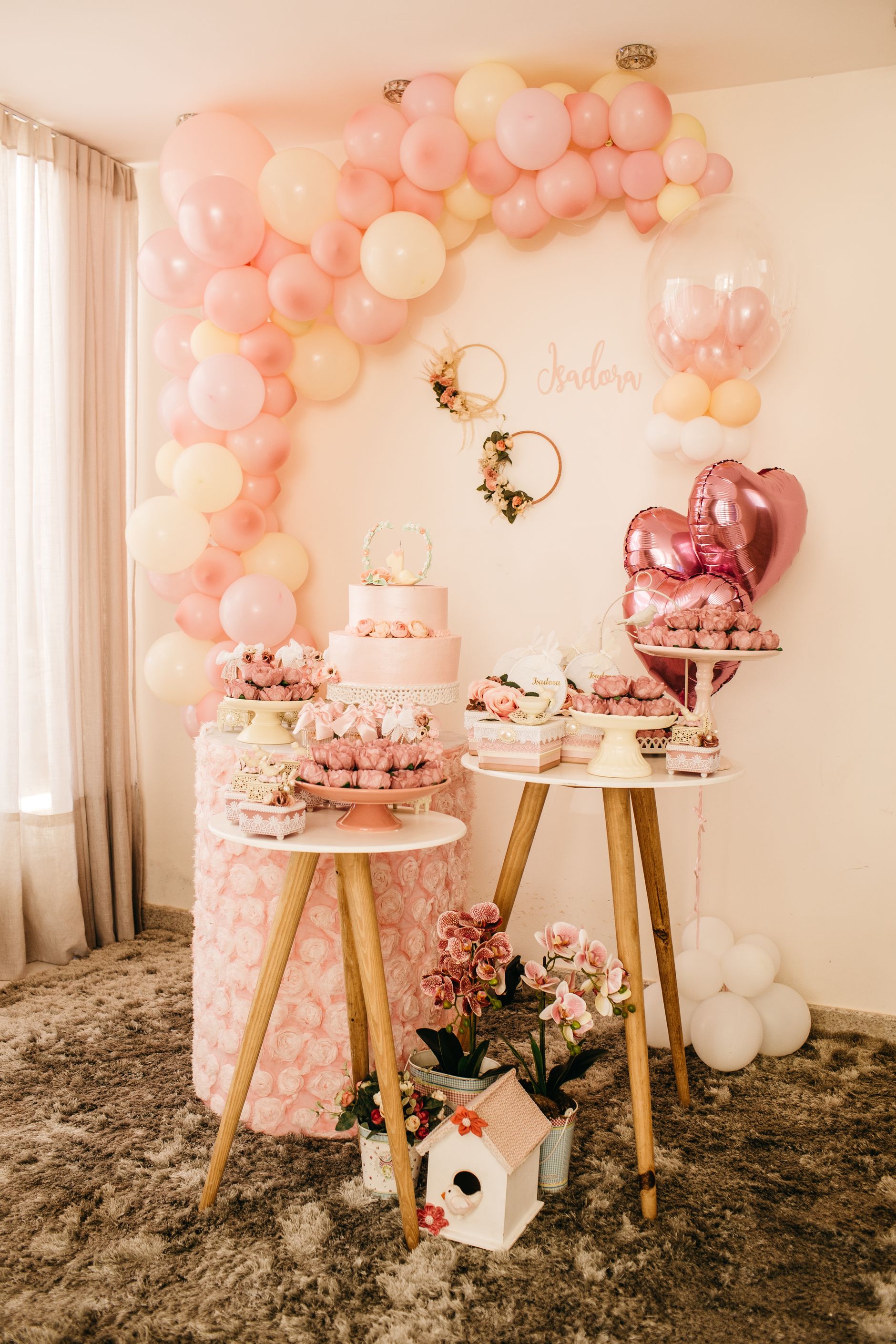
When styling a dessert table, leave a little breathing room between stands so it reads as elegant rather than crowded, and repeat one or two colors, your wedding palette, to unify everything. If you are leaning fully into the no-traditional-cake trend, our guide to wedding cake alternatives pairs naturally with a display-set approach and is worth a read before you finalize the table.
DIY and Budget Cake Stand Ideas
A beautiful cake stand does not have to be a line item you dread. Some of the most charming displays are built for a fraction of the price of a designer pedestal, and they often suit rustic, boho, and outdoor weddings better than anything store-bought. The classic budget hero is a wood slice: a thick round cut from a log, sanded and sealed, gives an organic base that looks made for greenery and wildflowers.
Other inexpensive routes are surprisingly versatile. A sturdy cake drum, the heavy cardboard rounds bakers use, can be wrapped in ribbon, foil, or fabric to match your palette for just a few dollars. Stacking a decorative plate on a short candlestick or a wide pillar with strong adhesive creates a custom pedestal at any height. Even an overturned vintage crate, a marble tile on small risers, or a tray set on a wooden box can become a stand with the right styling.
The keys to making a budget stand look intentional rather than improvised are stability and finish. Make sure whatever you build can hold the cake's full weight without flexing, keep the surface clean and food-safe with a board or parchment under the cake, and dress the base with the same flowers or greenery you use elsewhere so it ties in. Done well, a fifteen-dollar wood slice can look every bit as considered as a premium stand, and it doubles as a keepsake afterward.
Styling Your Cake Stand: Florals, Height, and Backdrop
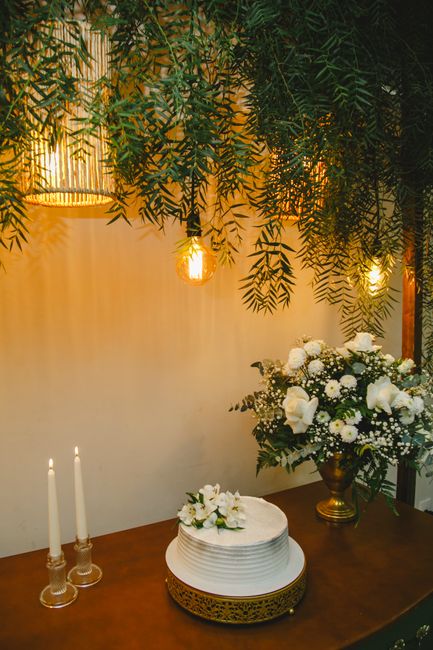
The stand is the foundation, but styling is what makes the cake photograph beautifully. Florals are the fastest upgrade: a loose ring of greenery and a few blooms around the base of the stand connects the cake to your overall flowers and softens the transition from cake to table. Echo the bouquet or centerpiece flowers so the cake feels part of the same design language rather than an afterthought parked in the corner.
Height and placement matter more than people expect. A cake set too low disappears among the plates and platters, so give it a stand tall enough to sit above the surrounding desserts, and place the table where it can be seen, not jammed against a wall in shadow. If the cake is a focal point for photos and the cutting moment, treat it like one: clear the space around it, and make sure the lighting hits it rather than backlighting it into a silhouette.
Finally, think about the backdrop. A draped fabric panel, a greenery wall, a vintage door, or a simple neutral linen behind the cake removes visual clutter and gives photographers a clean frame. A few candles or string lights add warmth in the evening. Coordinate the backdrop with your signage so the dessert area feels designed; pairing it with matching wedding welcome sign ideas is an easy way to make the whole zone look like one cohesive vignette rather than separate pieces.
Wedding Cake Stand FAQ
- What size cake stand do I need for my wedding cake?
The stand should be at least two inches wider than the bottom tier of your cake so the base shows a clean border and nothing overhangs. For a common three-tier cake with a ten-inch base, choose a twelve to fourteen-inch stand. When in doubt, ask your baker for the exact base-tier diameter and size up slightly rather than down.
- How much does a wedding cake stand cost in 2026?
Simple ceramic or metal stands typically run $20 to $45, while larger, ornate, or designer pedestals can reach $60 to $150 or more. Multi-piece dessert-table sets fall in the $35 to $60 range. Renting from your venue or baker is often $10 to $30, and do-it-yourself options like a sealed wood slice can cost under $20.
- Should the cake stand match my wedding metals and decor?
Yes, coordinating the stand with your existing hardware, flatware, and table accents makes the dessert table look intentional. Commit to one metal tone, gold, rose gold, or silver, across your stands and accessories, or keep an all-white look for a clean, classic feel. The stand should echo your palette, not introduce a competing one.
- Can I use a cake stand for a dessert table without a traditional cake?
Absolutely. Multi-piece stand sets at varying heights are ideal for displaying cupcakes, mini cakes, doughnuts, macarons, or a cheese course. Stagger the heights to add depth and keep one or two colors consistent so the spread reads as curated. This is a popular route for couples skipping a single tiered cake.
- Is it better to buy or rent a wedding cake stand?
Buy if you want a specific style, plan to reuse it, or are building a coordinated dessert display, since stands work well for parties afterward. Rent if you want a large or premium stand for one day only and would rather not store it. Many bakers and venues include stand rental, so always ask before purchasing.
- How do I keep a heavy tiered cake stable on the stand?
Choose a stand with a wide, weighted base rated for the cake's full weight, often fifteen to twenty-five pounds for a tiered cake. Place a food-safe cake board under the cake, set the stand on a level surface, and avoid thin or top-heavy designs. For very tall cakes, internal dowels in the cake itself matter as much as the stand beneath it.
PREV ARTICLE
NEXT ARTICLE
Related articles
Flowers and decor
Wedding Cake Topper Ideas: 25 Stylish Picks for 2026
Flowers and decor
Top 10 Wedding Cake Tips You Must Know for 2026
Flowers and decor