

Style and attire


Bridal fashion in 2026 has settled into a quieter, more confident place after several years of dramatic swings. The pendulum that took us from puff sleeves to plain slips and back again has steadied, and what we are seeing this year is a more individual, less trend-driven approach. The defining feature of the season is choice — every silhouette and decade has a credible foothold, and brides are picking based on what fits their body and venue rather than what is on the cover of a magazine.
The trends below are organized by where they are showing up and how to wear them. Use this as a filter when you walk into a bridal salon, not a checklist. Trying on what feels current is useful; buying a dress because it is current is not.
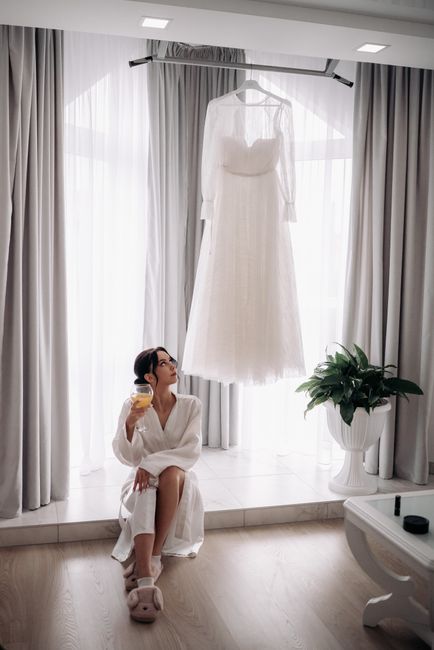
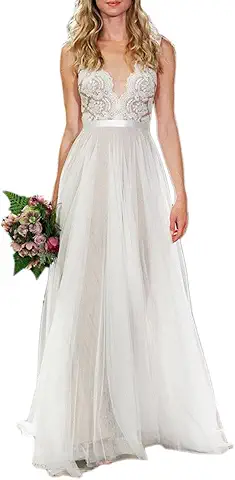
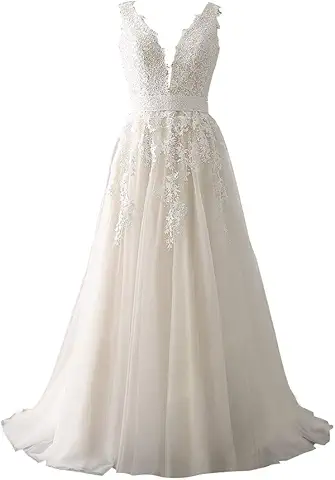
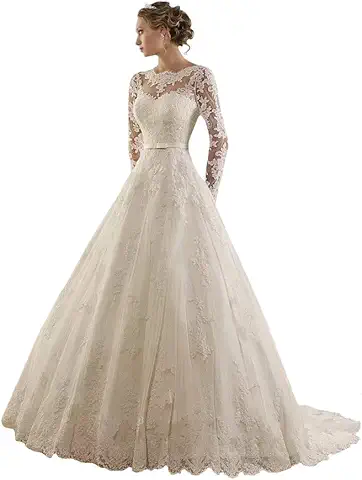
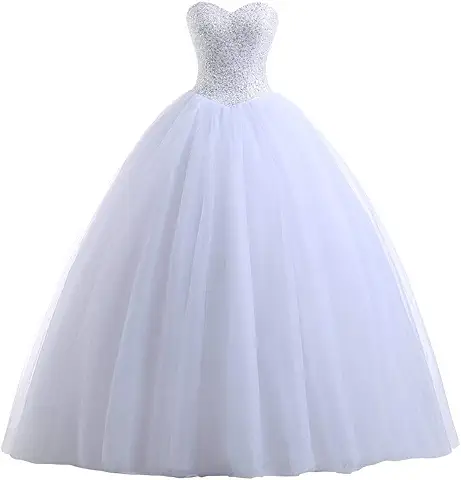
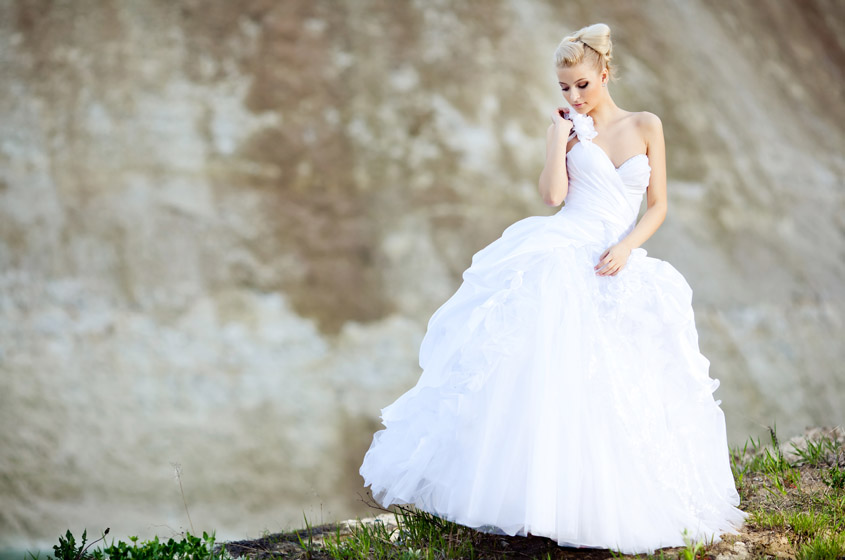
Three silhouettes dominate 2026 collections. The slim column with a dramatic train (often detachable for the reception) is the front-runner — flattering on most frames, elegant in photos, and easy to dance in once the train comes off. The structured ball gown is having a strong return after several years on the bench, especially in mikado, satin-finish silk, and heavier crepe. And the relaxed A-line — soft, unfussy, often without major embellishment — has captured the bride who wants something timeless without going minimalist.
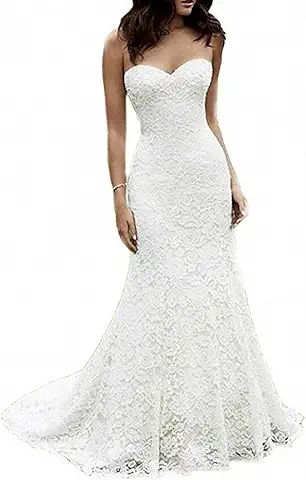
The mermaid silhouette has quietly receded in 2026 collections, though it remains the right call for brides who want something bold and figure-defining. Sheath dresses in matte crepe (popularized in the late 2010s and early 2020s) have moved from trend to wardrobe staple — they read as classic now rather than trendy, which is exactly what longevity in wedding photography demands.
Fabric is doing more work than embellishment in 2026 collections. The materials below are the ones designers are leaning into.
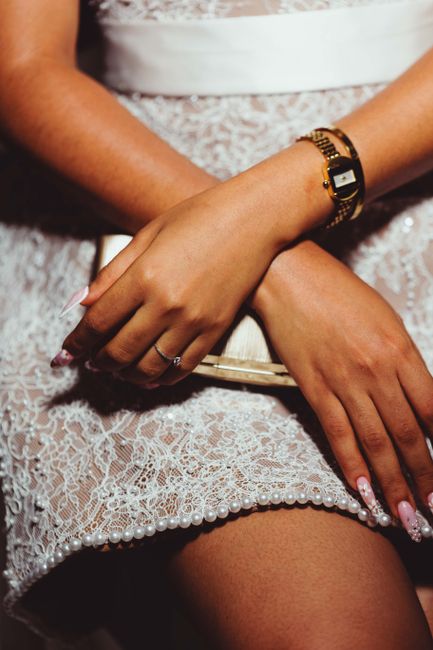
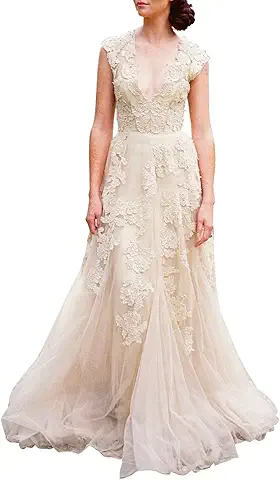
Tulle and lace are still present but no longer the default. If you have always pictured yourself in lace, the lace is still beautiful — but be aware that an all-lace gown will read more traditional in 2026 than it did even three years ago.
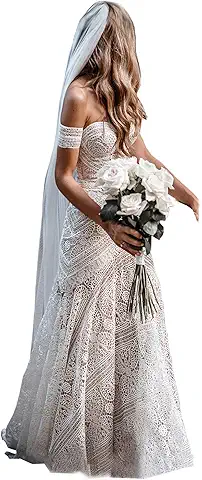
Square necklines and modified sweethearts are the most-requested necklines in 2026 — both photograph beautifully and flatter most frames. Halter necklines and asymmetric one-shoulder designs have had a quiet resurgence after years of off-the-shoulder dominance.
Sleeves have settled into three options that all read as current: long fitted sleeves (sheer or solid), elegant cap sleeves, and strapless. The puff sleeve, which dominated collections a few years ago, has retreated. It is no longer the obvious choice — but it has not become dated either, so brides who genuinely love the look can still wear it without their gown reading as last-season.
The detail to watch: bows. Big fabric bows at the waist, on the shoulder, or at the back of a column dress are the most-shared bridal detail of the year. A well-placed bow turns a simple dress into an editorial moment without adding embellishment cost.
Off-white and warm tones now outnumber pure white in most 2026 collections. Champagne, oyster, ivory, and antique cream are all photograph-friendly alternatives that flatter a wider range of skin tones than bright white. Even brides who think they want pure white often find that a soft champagne reads more flattering and warmer in photos.
True color — blush, sage, pale blue, even soft black — is having a moment for second-look reception dresses, rehearsal-dinner gowns, and second weddings. The bride who wants something nontraditional has more credible mainstream options in 2026 than at any point in the past two decades. If you are open to color, it is now a legitimate and well-supported choice rather than an act of rebellion.
Knowing what is fading is as useful as knowing what is rising. The trends below are not dead — but they will read as last-decade in photos eight years from now.
Buy the dress that flatters you, not the dress that is trending. The most common regret among brides one year out is choosing a fashion-forward gown that looked exciting in the salon and bland in the photos. Pick the silhouette that suits your frame, then layer in current details (a square neckline, a bow at the waist, a champagne tone) to keep the dress feeling of-its-moment without committing to a full-trend look.
Allow 8 to 10 months from purchase to wedding day for a custom-ordered gown, plus another 6 to 10 weeks for alterations. Off-the-rack and sample sales can shorten the timeline considerably, but inventory turns fast — if you fall in love with a sample-sale dress, decide that day.