Wedding Easel Ideas: Stands for Signs, Charts & Photos


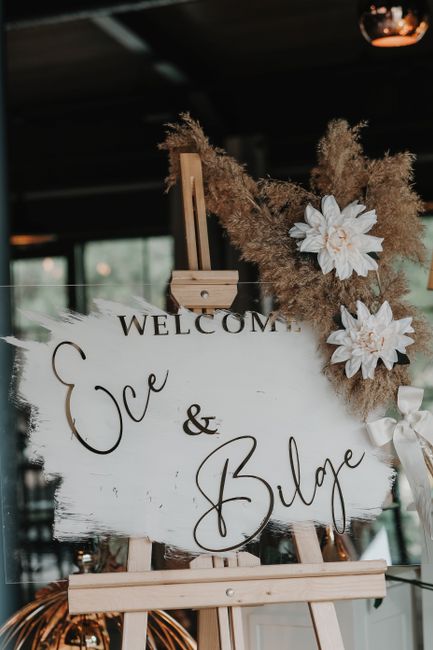
Wedding easel ideas rarely make the top of a planning checklist, yet almost every sign, chart, and portrait at your celebration depends on one. A welcome board, a seating chart, a bar menu, and a framed engagement photo all need something to hold them at eye level, and a good stand is the difference between a display guests can read and one that leans, tips, or blends into the wall behind it.
Easels also do more than prop things up. Their style sets the tone of the entrance and the reception: slim brass stands read as polished and modern, natural wood suits rustic and garden settings, and clear acrylic stands nearly disappear, letting your artwork take over. Because they come in tabletop and floor-standing sizes, one category covers everything from a small bar sign to a large seating chart.
The practical side matters just as much. Wind, uneven grass, heavy acrylic, and crowded entrances all test a stand in ways that a living-room photo never shows. A flimsy easel that looked fine online can end up on the floor during cocktail hour, and a stand that is too short forces guests to crouch to read the names on a chart.
This guide walks through where to use easels, how to choose sizes and materials, which styles suit which venues, and how to keep everything steady. You will also find a short checklist for setup day and answers to common questions.
Where to Use Easels at a Wedding
Start by listing every item that needs display, because that list decides how many easels you buy and what sizes they should be. Most couples end up with between four and eight: a welcome sign at the entrance, a seating chart or escort display, a bar or drink menu, a ceremony sign, a photo display, and sometimes a guest book sign or a memorial portrait.
The welcome sign usually needs the largest stand because it is the first thing guests see and is often photographed. Pair it with a floor easel at least four feet tall so the board sits near eye level. If you want signage ideas to match, our wedding welcome sign ideas guide covers wording, materials, and sizes that read well from a distance.
Seating charts come next. A chart with many names needs a big surface and a sturdy base, since guests crowd around it and lean in. Plan on a stand tall enough to keep the top row of names above shoulder height, and place it where a line can form without blocking the door.
Smaller items call for tabletop easels: the bar menu, a framed quote, a guest book sign, a donation or card box sign, and framed family photos on a memory table. Because these sit on tables, keep them compact so they do not crowd centerpieces or the guest book itself.
Finally, think about the ceremony. An easel beside the aisle can hold a framed photo of a loved one who cannot attend, an unplugged-ceremony sign, or a short program note. These are quiet details, but they photograph well and help guests feel included.
Floor Easels for Welcome Signs and Seating Charts
Large floor easels are the workhorses of wedding signage, and the choice usually comes down to a wooden tripod, an A-frame, or an adjustable studio style. Tripods are the most familiar and fold flat for transport. A-frames have a wider footprint that resists tipping. Adjustable studio easels let you change the height and angle, which helps when a sign is heavy or the floor is uneven.
For a big statement near the entrance, a tall adjustable stand is hard to beat. The VISWIN 63-inch adjustable wooden easel folds flat for transport and holds posters, canvases, and large framed prints at eye level, which makes it a practical choice for both the ceremony entrance and the reception lobby. Its adjustable height means you can lower it for a smaller board or raise it for a tall chart.
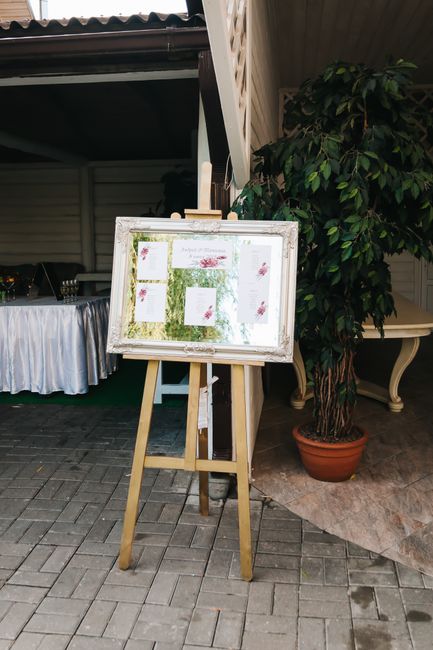
When you pick a floor easel, check the maximum canvas height and weight it can support. Foam board and canvas are light, but framed glass or thick wood panels can pull a thin tripod forward. If your sign is heavy, choose a model with a lip that holds the bottom edge and a back brace that locks in place.
Think about color too. Natural wood blends into rustic, barn, and garden settings, while black or white metal stands suit modern ballrooms. If your sign has a busy design, a plain wood easel keeps attention on the artwork rather than the stand.
Finally, test the setup at home. Put your actual sign on the easel, nudge it, and see whether it stays level. Ten minutes of testing beats discovering a wobble on the wedding morning.
Tabletop Easels for Menus, Signs and Cards
Tabletop easels are the quiet helpers of reception decor. They hold bar menus, favor signs, dessert labels, and framed notes without taking up floor space, and they let you repeat the same sign style across stations so the room feels coordinated.
Brass is the favorite finish for tabletop stands because it suits gold, champagne, and neutral palettes. The brass display easels work well for smaller framed signs on a table. They are seven-inch malleable brass frames that hold a card or a lightweight sign, and at roughly $15 to $25 for a small set they are friendly to the budget. For larger signs, a wooden tripod or A-frame easel is more stable, especially outdoors.
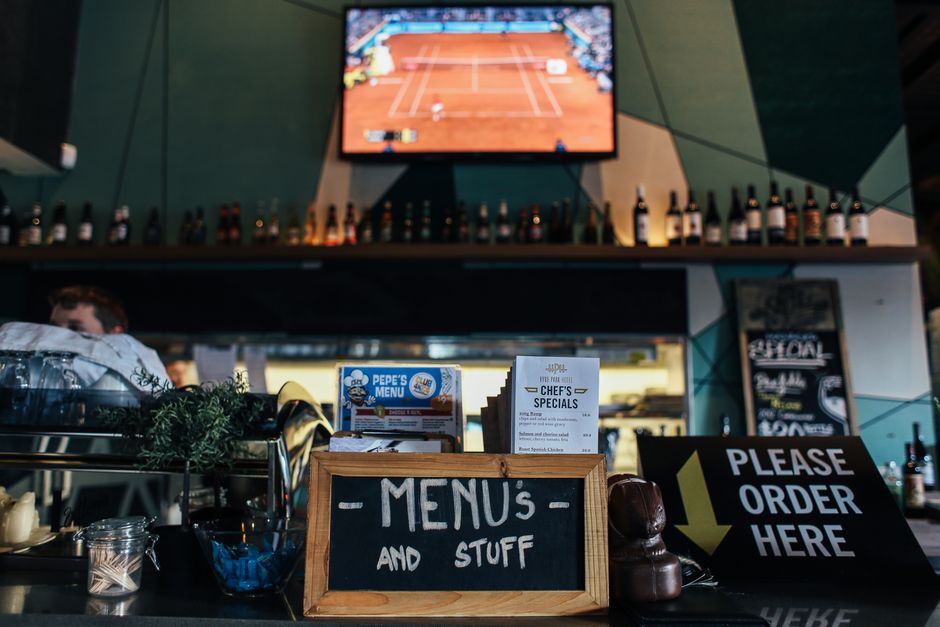
If you need something a little taller, the ACL Brass Easel Display Stand in the 12 inch size holds a framed menu sign comfortably, and a pair of them can flank the bar for symmetry. Brass easels are inexpensive, fold flat for storage, and suit gold and glam styles. Check the weight of your sign before choosing a stand: acrylic is heavier than paper, and a flimsy easel can tip.
Keep sizes consistent where you can. Three different easel heights on one bar can look cluttered, while a matching pair looks intentional. Place signs at a slight angle toward the line of guests, and keep the text large enough to read from three or four feet away.
Tabletop easels also work for family photos. A cluster of small framed portraits on mini stands makes a warm memory table, and brass keeps the frames looking cohesive even when the photos come from different decades.
Signs That Pair Well With Easels
An easel is only half of the display, so choose signs that suit the stand. Weight, thickness, and finish all affect how a sign sits. Thin acrylic and foam board are light and forgiving. Wood panels and framed glass need sturdier stands with a good ledge.
Clear acrylic is popular because it works with any color scheme and looks clean in photos. A simple, reusable option is the Cards and Gifts Acrylic Wedding Sign, an 8 by 10-inch clear acrylic sign with a matching base that requires no tape or hardware. It runs around $15 to $20, reads from a few feet away, and packs into a moving box without scratches for reuse at bridal showers, anniversaries, or graduations. Because it has its own base, it also works without an easel when you run out of stands.
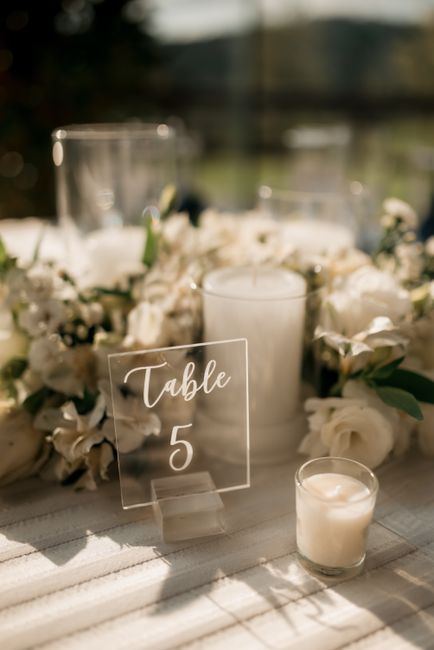
For the bar, a customizable sign lets you list your own drink names. The Personalized Signature Cocktail Bar Menu Sign is an acrylic sign you can customize with your own drink names and descriptions, which saves you from designing and printing something yourself. Check the proof carefully before ordering, since a misspelled cocktail name is the kind of error you only notice once the sign is on the bar. If you want more drink-sign inspiration, see our wedding bar sign ideas.
Consider font and contrast as well. Thin script lettering looks lovely up close but disappears at a distance, especially on clear acrylic against a busy background. White or black lettering on a plain surface is the safest bet for anything guests need to read quickly, like table assignments.
Choosing Easel Size, Height and Material
Size is the decision that goes wrong most often, so measure before you buy. A floor easel for a welcome sign should hold the board with its center around 55 to 60 inches from the ground, which is close to average eye level. A seating chart can sit a little lower, since guests lean in, but the top row should still be easy to see.
For tabletop stands, match the easel to the sign. A good rule is that the easel should be slightly taller than the sign's height, with a lip or ledge deep enough to hold the bottom edge. If a sign hangs below the ledge, it can slip. If it is too heavy for the stand, the legs can spread under the weight.
Material changes both the look and the stability. Wood is sturdy and natural. Metal stands are slim and often foldable. Acrylic stands are nearly invisible but can slide on smooth tables. Bamboo and rattan are lightweight and suit boho or coastal themes, though they are less stable outdoors.
Weight matters most for outdoor weddings, where a breeze can topple a lightweight stand. If you are planning a garden or beach ceremony, favor wide-legged wooden easels, and think about adding weights or sandbags hidden behind the legs. A decorative cloth or greenery at the base can hide the weights and keep the look polished.
Do not forget storage and transport. Foldable easels fit in a car trunk and are easier for a friend or planner to carry to the venue. If you are buying several, choose one style so setup is quick and nobody has to figure out multiple assembly methods under time pressure.
Styling Easels for Different Wedding Themes
Once you have the right sizes, styling turns a plain stand into part of the decor. A little greenery, ribbon, or flowers at the base makes the display feel designed rather than simply parked at the door.
For rustic and barn weddings, use natural wood easels and pair them with chalkboards, wood slices, or kraft paper signs. Add a small bundle of wildflowers or eucalyptus at one leg for a relaxed look. Avoid heavy ornamentation, since the wood already carries the style.
For modern and minimalist venues, choose slim black or white stands with clear acrylic signs. Keep the layout clean, with one sign per easel and plenty of space around each. Neutral fonts and simple borders keep the look refined.
For glam and formal receptions, brass or gold stands with mirror or acrylic signs fit well. Add a few candles or a small floral arrangement beside the easel, and keep the signage consistent across the room. If you are also choosing frames for photos, our wedding picture frame ideas guide covers frame styles that pair well with metal stands.
For garden and outdoor settings, weight and wind come first. Choose a sturdy A-frame, lean the sign slightly back, and use hidden clips or ties so it cannot lift. Greenery at the base adds charm and hides any stabilizing weights.
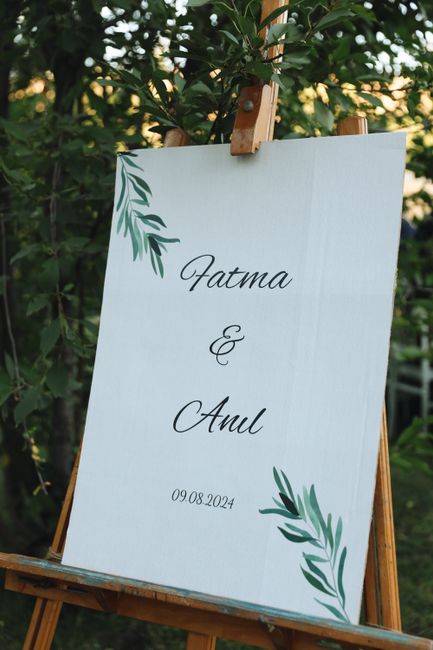
Whatever the theme, repeat one element across your stands, such as the finish, a ribbon color, or the sign font. That small bit of consistency ties the whole room together.
Setup Tips, Stability and Day-Of Checklist
Easels are simple, but a few habits keep them standing. Assign setup to one reliable person, such as a planner, a venue coordinator, or a friend, and give them a labeled list of which sign goes on which stand and where it belongs. Photograph the layout beforehand so they can match it.
Place easels on level ground. On grass, press the feet into the soil and check that all legs carry weight. On smooth floors, a small piece of rubber or a grippy pad under each leg stops sliding. In windy areas, anchor the stand or choose a heavier one.
Secure the sign itself. Foam board and canvas can slide off a ledge, so a few pieces of removable tape or small clips hold them in place without damaging the surface. For acrylic, check that the sign sits flush in the stand's groove.
Keep signs away from direct sun and candle flames. Heat can warp foam board and curl paper, and sunlight can fade printed colors over a long afternoon. If your entrance faces the sun, place the easel in shade or angle it so glare does not wash out the text.
Finally, plan teardown. Assign someone to collect easels, signs, and clips at the end of the night, and put everything in one labeled box. Signs make wonderful keepsakes, and a tidy pack-up keeps them from getting scratched or lost.
Wedding Easel FAQ
- How many easels do I need for a wedding?
Most weddings use four to eight. A typical list includes one floor easel for the welcome sign, one for the seating chart, one or two tabletop easels for the bar and signature drinks, and a few small ones for photos or a guest book sign. Count every sign first, then buy one stand per item, plus one spare.
- What size easel is best for a welcome sign?
Choose a floor easel that holds your board with its center near eye level, around 55 to 60 inches from the ground. A stand about 60 inches tall suits most 24 by 36 inch signs. Check the stand's maximum canvas height and weight so the board sits securely and does not lean.
- Can an easel hold a heavy acrylic or wood sign?
Yes, but only if it is built for the weight. Choose a sturdy A-frame or adjustable wood easel with a deep ledge, and check the weight rating. Lightweight metal tripods can tip under heavy signs. If you are unsure, test with your actual sign at home before the wedding.
- How do I keep easels from blowing over outdoors?
Pick a wide-legged wooden easel, lean the sign slightly back, and add weight at the base with hidden sandbags or stakes. A bit of greenery or fabric around the legs hides the weights. Avoid large, flat signs in strong wind, since they act like sails.
- Should I rent or buy wedding easels?
Rent if you only need one or two large stands and the venue or a rental company offers them cheaply. Buy if you want a matching set, plan to reuse them for showers or anniversaries, or need tabletop stands, which cost little and fold flat for storage.
- Can I use something other than an easel to display signs?
Yes. Acrylic signs with built-in bases, chalkboards on a frame, ladders, wood crates, and mounted frames all work. Easels remain the easiest choice, since they are adjustable and portable, but a mix of display methods can look more interesting if the style stays consistent.