Wedding Reception Lighting Ideas That Actually Photograph Well


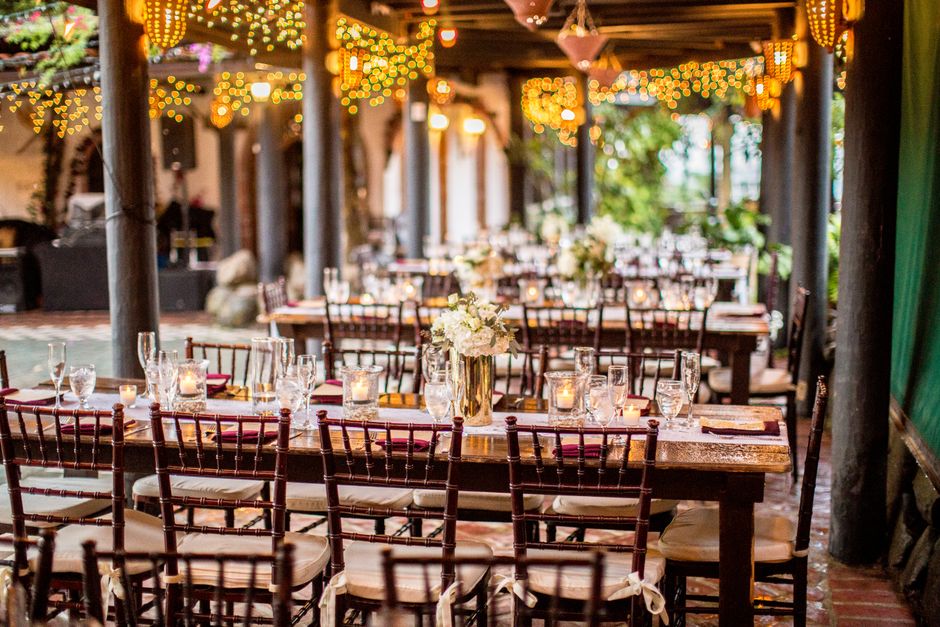
Good wedding reception lighting ideas do more work per dollar than almost any other decor category. The same string lights, uplights, and lanterns that make a room feel warm at 7 p.m. are what your photographer is fighting with (or working with) once the sun goes down, and the difference shows up in every reception photo from dinner through the last dance.
Most couples budget carefully for florals and linens, then treat lighting as an afterthought handled by whatever fixtures the venue already has. That's usually a mistake. Venue house lighting is built for general visibility, not for the warm, flattering glow that makes a reception feel intentional. A layer of your own lighting, even a modest one, changes the entire mood of a room for a fraction of what a floral upgrade would cost.
This guide walks through the lighting categories worth considering for a wedding reception: string and fairy lights, uplighting, lanterns and ambient accents, and the specific considerations for tents and outdoor spaces. Along the way you'll find product picks that reviewers and planners consistently recommend, plus the mistakes that show up most often in post-wedding photo regret.
Why Lighting Changes How Your Wedding Photos Turn Out
Photographers will tell you that lighting, not decor, is the single biggest factor separating a reception photo that feels warm and editorial from one that feels like a fluorescent-lit banquet hall. Harsh overhead lighting flattens skin tones and creates unflattering shadows under eyes and chins, while warm, layered lighting from multiple lower sources does the opposite: it creates depth, flatters faces, and makes a room look considered rather than default.
This matters most during the two windows when the most photos get taken: the reception entrance and toast, and the open dance floor later in the evening. Both moments benefit from having the harsh venue ceiling lights dimmed or off entirely, replaced by string lights, uplighting, or candlelight that sits closer to eye level and casts a softer, more directional glow.
Venues with a lot of white wall space, exposed rafters, or plain drop ceilings benefit the most from added lighting, since there's little in the room's existing architecture to create visual warmth on its own. A ballroom with ornate chandeliers or a barn with warm wood tones needs comparatively less help. Walking your venue at the time of day your reception will actually happen, not during a daytime tour, is the best way to judge how much lighting you'll actually need.
String Lights and Fairy Lights for Every Budget
String lights remain the highest-value lighting purchase for most wedding budgets, because a single strand does triple duty: overhead ambiance, backdrop texture, and a soft fill light for photos. Draped in a canopy pattern over a dance floor or dinner tables, they read as a designed ceiling feature rather than a strand of holiday lights, especially in warm white rather than cool white tones.
For a reception with exposed rafters, a tent, or an outdoor tree canopy, curtain-style string lights create a dramatic backdrop wall rather than an overhead canopy. The Twinkle Star 600 LED Window Curtain String Light (around $30) covers a 20 by 9.8 foot span with eight lighting modes and an IP44 waterproof rating, making it usable both as an indoor backdrop and a covered outdoor accent.
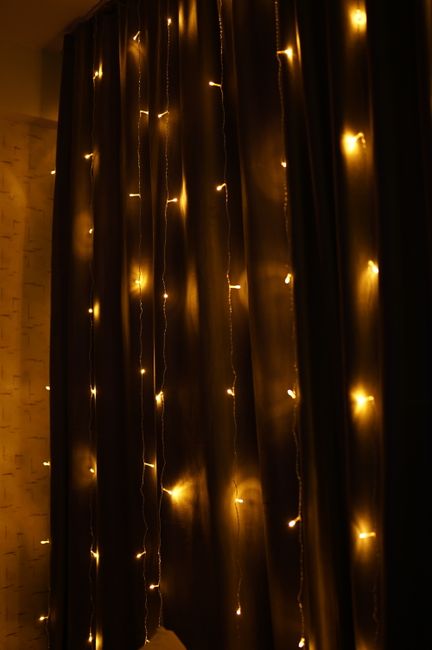
For tables, centerpieces, or any spot without a nearby outlet, battery-powered fairy lights solve the placement problem entirely. The Homemory 200 LED Battery Operated Long Fairy Lights (around $17) run 66 feet on three AA batteries with a built-in timer, so they can be tucked into centerpieces, wrapped around a cake table, or woven through a welcome sign display without a single visible cord.
Uplighting: The Fastest Way to Change a Room's Mood
Uplighting, small fixtures placed along a room's perimeter and aimed upward at walls or drapery, is the tool professional event designers reach for first when a venue's existing architecture needs the most help. A neutral or beige ballroom transforms almost entirely with a ring of uplights in a couple's wedding colors, without touching a single piece of furniture or fabric.
Modern battery-powered, wireless uplights have made this look accessible without hiring a full lighting company. The U'King 36W Wireless LED Uplights, 4-Pack (around $85 for four) are rechargeable, remote-controlled, and offer sound-activated and DMX modes, enough to wash a small to mid-size reception room's perimeter without running a single extension cord.
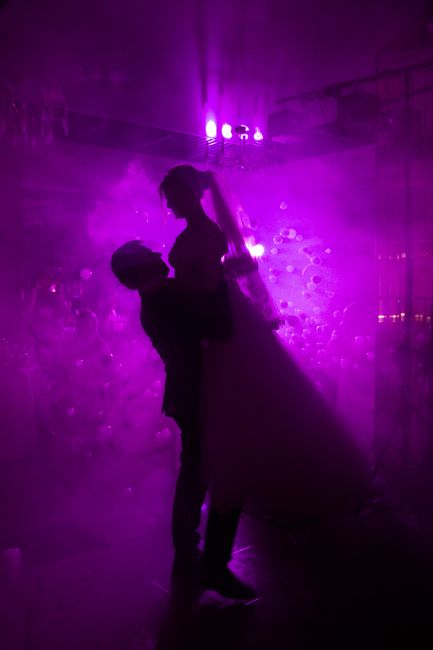
Four to eight uplights spaced evenly along a room's longest walls is usually enough to shift the entire color temperature of the space. Placing them behind large floral arrangements, draped fabric panels, or the head table backdrop hides the fixtures themselves while still casting the glow, which keeps the effect looking like ambient light rather than an obvious rented gadget.
Lanterns and Ambient Accents for Tables and Aisles
Lanterns solve a different problem than string lights or uplighting: they add warm, low-level light exactly where guests are sitting, which is often the area venue lighting handles worst. A cluster of lanterns down the center of a long table, mixed with candles and greenery, creates the layered, varied-height look that makes tablescapes read as designed rather than assembled from a single catalog.
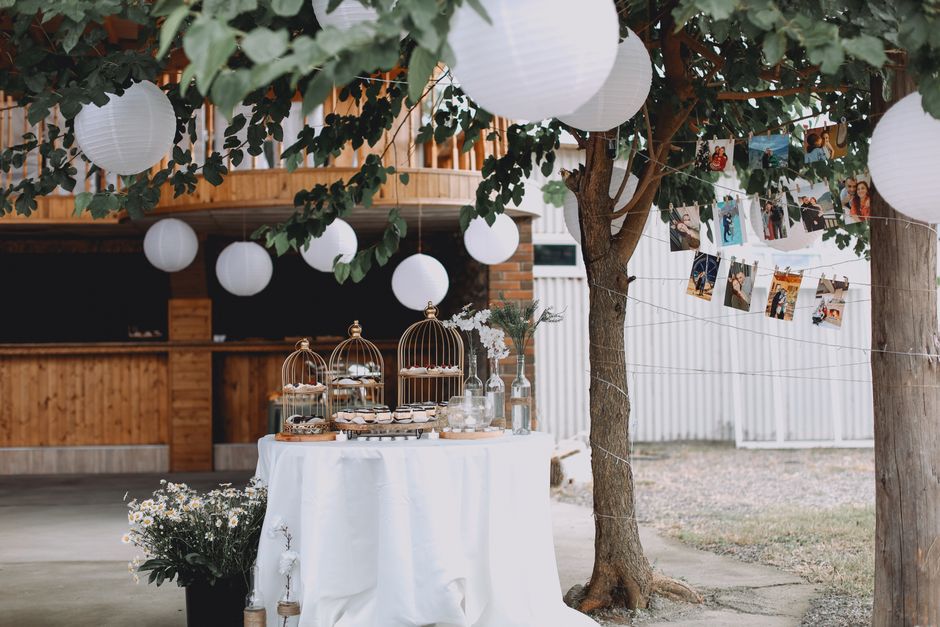
Paper lanterns in varying sizes, hung overhead in odd-numbered clusters, are a low-cost way to add visual interest to a plain ceiling without the cost of a full string light installation. The BESKIT 12-Pack Paper Round Lanterns (around $20) includes four sizes from 6 to 12 inches, enough to build several clusters of varying heights over a dance floor, bar area, or dessert table.
For table-level lighting, battery lanterns with a flicker-flame setting give the look of candlelight without the venue restrictions many spaces place on open flame. Pair them with your wedding centerpiece ideas so the lantern height and the floral height don't compete with each other or block guests' sightlines across the table.
Lighting for Outdoor and Tented Receptions
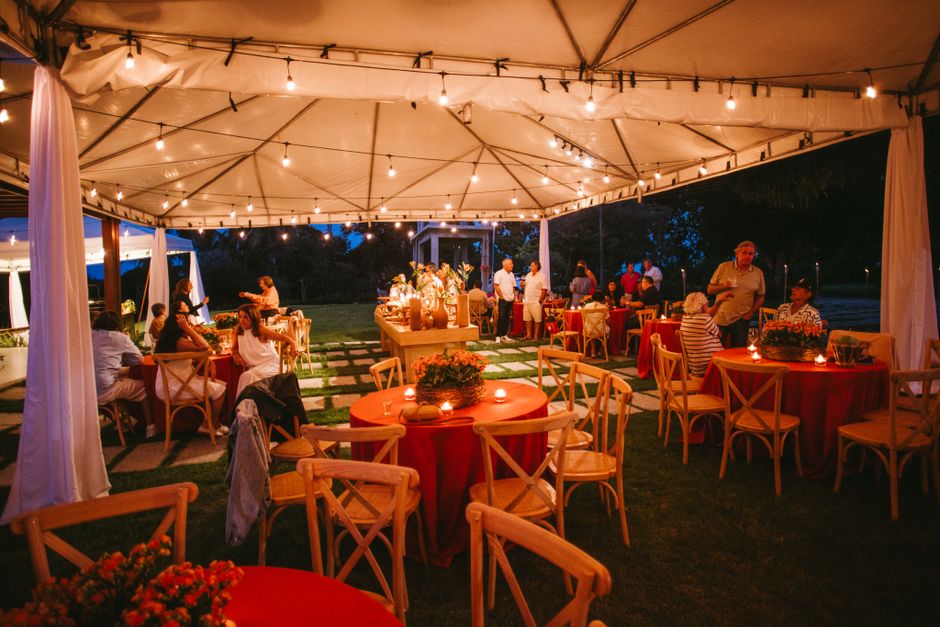
Outdoor and tented receptions face a lighting problem indoor venues don't: once the sun sets, you're building the room's entire lighting scheme from scratch rather than supplementing what's already there. Start by mapping where power access actually exists, since generator or extension cord runs determine what's realistic before you fall in love with a Pinterest board.
String lights strung between poles or tent structure form the backbone of most outdoor lighting plans, both for overhead ambiance and as a visual boundary marking where the reception space ends. If your ceremony space uses a decorated arch or arbor, extending a lighter version of the same string light treatment there ties the two spaces together visually; see our wedding ceremony arch ideas guide for structures that pair well with wrapped lighting.
Wind and moisture are the two real risks outdoors. Confirm any string lights or lanterns you buy carry at least an IP44 water resistance rating, and secure string light runs at both ends with tension, not just draped loosely, since even a moderate breeze can pull lightweight strands down over the course of a multi-hour reception. Battery-powered fixtures avoid the cord-management headache entirely, which is worth the tradeoff in runtime for most single-evening events.
Lighting the Dance Floor and Key Reception Moments
The dance floor deserves its own lighting plan separate from the rest of the room, since it's where the most candid, high-energy photos happen and where flat overhead light looks worst. Dimming or turning off harsh ceiling fixtures once dancing starts, then relying on string lights, uplighting, or a rented dance floor lighting package, is what gives reception dance photos the warm, slightly moody look couples usually point to as their favorite shots afterward.
Coordinate lighting changes with your DJ or band and your day-of coordinator so the shift from dinner lighting to dance lighting happens on cue rather than mid-song. Building this into your wedding day timeline as its own line item, even just "house lights down, uplighting on" a few minutes before the first dance, prevents it from getting missed in the handoff between vendors.
Grand entrances, cake cutting, and the first dance all benefit from having a single, brighter focal light rather than even lighting across the whole room, since it directs guest attention and gives photographers one consistent light source to work with instead of competing shadows from multiple directions.
Common Wedding Lighting Mistakes to Avoid
The most common mistake is relying entirely on a venue's house lighting and adding decor without touching the actual light sources. A gorgeous floral centerpiece under cool, harsh overhead lighting will still photograph flat; the lighting layer has to change for the decor investment to actually show up in photos.
Mixing color temperatures is the second most common issue. Warm white string lights next to cool white venue fixtures create a visually jarring, mismatched look in photos, even if neither individually looks bad in person. Standardizing on warm white (usually labeled 2700K to 3000K) across every added light source keeps the room's overall tone consistent.
The third mistake is under-ordering. A single strand of string lights looks sparse strung across a large room; most planners recommend calculating total run length first, then buying roughly 20 percent more than that estimate to account for draping angles, overlap at connection points, and any last-minute layout changes on setup day.
Wedding Reception Lighting Ideas FAQ
- How many string lights do I need for a wedding reception?
For an overhead canopy effect, plan for roughly 1.5 to 2 times the room's square footage in total light strand length, since lights are draped rather than laid flat. For a backdrop wall, measure the wall's width and height and multiply to get total coverage area, then match that to the curtain light's rated dimensions.
- What color temperature is best for wedding lighting?
Warm white, in the 2700K to 3000K range, is the standard choice for wedding receptions because it flatters skin tones and matches candlelight. Cool white (5000K and above) reads clinical and is best avoided except for specific modern or industrial-themed receptions.
- Can I use battery-powered lights for an entire reception?
Yes, for most accent and table-level lighting. Battery-powered string lights and lanterns typically run 6 to 10 hours on a full charge or fresh batteries, which covers a standard reception timeline, though it's worth testing runtime a few days ahead and packing spares for anything running the full evening.
- Is uplighting worth the cost for a small wedding?
Even a small ring of four to six uplights can meaningfully change a room's color and mood, and rechargeable wireless kits have brought the cost down enough that many couples now buy rather than rent. For very small or already warmly lit venues, the return is smaller, so it's worth walking the space at night first.
- Do venues allow real candles for wedding lighting?
Many venues restrict or prohibit open flame, especially near drapery or florals, so confirm your venue's policy before planning a candle-heavy tablescape. Battery-powered flicker-flame candles and lanterns have improved enough in recent years that most guests won't notice the difference from across a table.
- When should lighting be set up on the wedding day?
String lights, uplighting, and any fixture requiring a ladder or extension cord runs should go up during the venue's morning access window, well before florals and linens arrive, since lighting often needs to be tested and adjusted before other decor is placed around it.