Wedding Table Runner Ideas for Every Reception Style


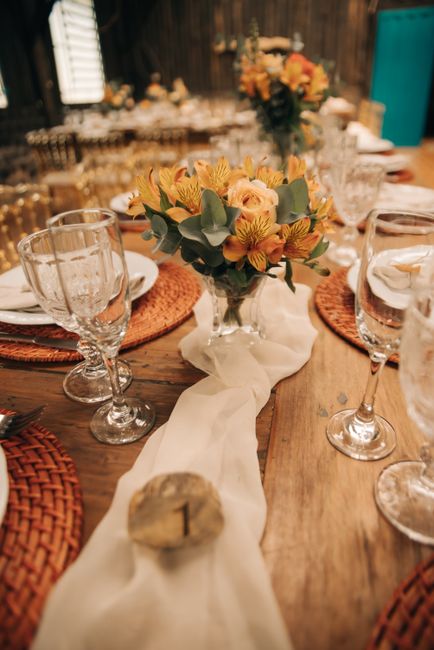
A table runner is one of the fastest ways to transform a bare banquet table into a finished tablescape, and it usually costs far less than a full tablecloth swap. Wedding table runner ideas range from airy cheesecloth strips for outdoor and vineyard settings to sequined runners that catch candlelight at a ballroom reception, so the fabric you choose ends up doing a lot of the visual storytelling for your day.
Runners also solve a practical problem: many venues rent plain white or ivory linens, and a runner lets you layer in your color palette and texture without renting custom tablecloths for every table. A twelve-foot farm table and a round table for eight both read differently once a runner is added, which is why runner choice is often one of the last decor decisions couples lock in before the wedding.
This guide walks through the main runner fabrics, how to match them to a wedding style, sizing and placement basics, and where to look for well-reviewed options if you are buying rather than renting.
How to Choose the Right Table Runner Fabric for Your Wedding Style
Fabric is the first decision, and it tends to follow the overall aesthetic of the wedding more than the color palette does. Cheesecloth and gauze read casual and textural, which suits barn, vineyard, and garden weddings where the goal is relaxed elegance rather than polish. Sequin and metallic mesh runners do the opposite: they reflect light and add sparkle, so they belong at evening receptions, ballroom weddings, and New Year's Eve or winter celebrations where the room is already dim and candlelit.
Velvet sits in the middle. It has weight and richness without shine, which makes it a strong pick for fall and winter weddings in jewel tones like emerald, burgundy, or navy. Chiffon and organza are the softest options, ideal for pastel spring and summer palettes where you want movement without heaviness.
A simple way to narrow the field: match runner texture to your dress code. Black-tie and formal weddings tend to favor velvet or sequin. Casual and semi-formal outdoor weddings lean toward cheesecloth, linen, or chiffon. If your venue already has ornate chandeliers or statement florals, a simpler runner keeps the table from competing with the rest of the room.
Cheesecloth and Gauze Runners for Boho and Rustic Weddings
Cheesecloth runners have become one of the most searched wedding table decor items over the last few years, largely because they photograph beautifully against wood farm tables and pair easily with dried florals, pampas grass, and taper candles. The fabric is intentionally loose-weave and slightly wrinkled, so it does not need ironing or steaming before the reception, which is a real time-saver on a wedding week timeline.
Most cheesecloth runners run around ten feet long and come in multi-packs, since a single length rarely covers a long farm table. Popular colors include dusty sage, blush, terracotta, and taupe, all of which sit well with the muted, earthy palettes common in boho and vineyard weddings.
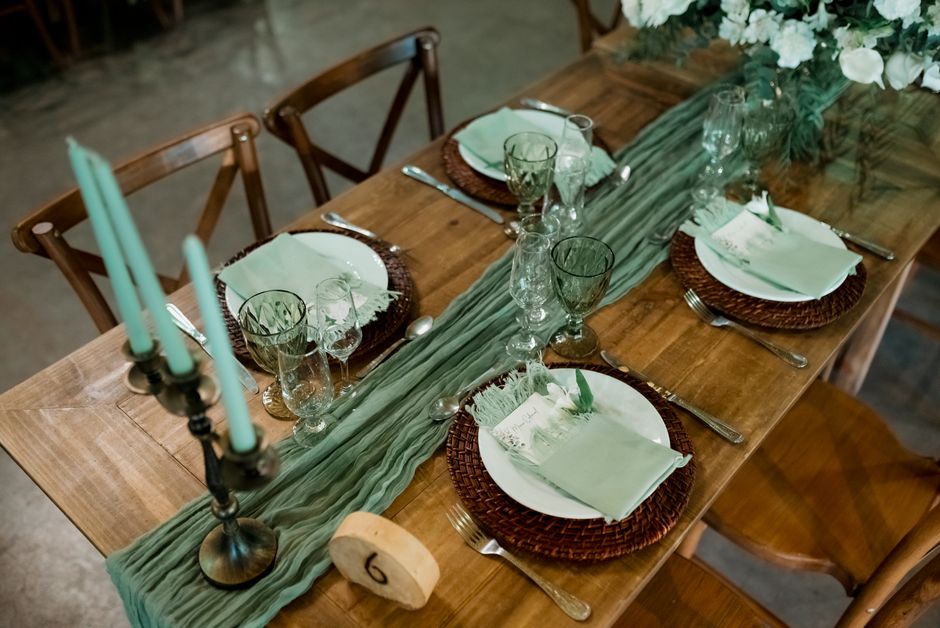
For a blush palette, the Cheesecloth Table Runners in Baby Pink come as a two-pack of ten-foot lengths, long enough to layer down a standard eight-person table with extra drape on each end. Because the fabric is so lightweight, it also works doubled up if you want a fuller, more gathered look down the center of the table.
Sequin and Metallic Runners for Glam Receptions
If your reception is happening after sunset in a ballroom, hotel venue, or tented space with string lights, a sequin runner earns its place. The sequins catch ambient light from candles and overhead fixtures, adding movement to the table even when nothing else on it is moving. Gold and rose gold are the most requested shades for warm, romantic palettes, while silver and iridescent finishes suit modern, monochrome tablescapes.
Sequin runners are typically sold in multi-packs of six-inch to twelve-inch widths and eighty-four to one-hundred-eight-inch lengths, which makes it easy to size a set to match your table count without buying one long custom piece. They also double as a quick refresh for the cake table, gift table, or sweetheart table, so many couples buy a couple of extra pieces beyond what the guest tables need.
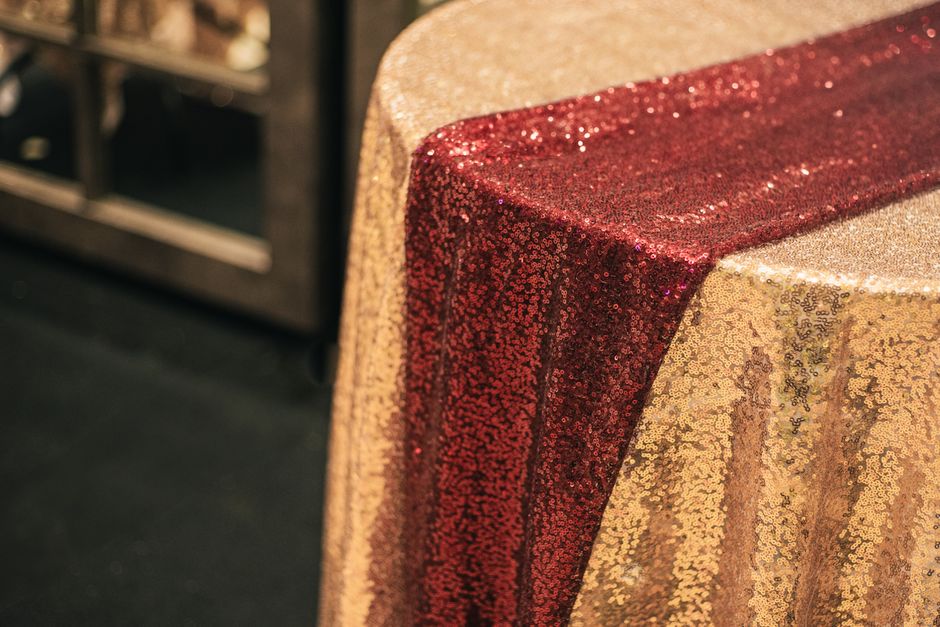
The Gold Sequin Table Runner, six-pack covers six tables at twelve by one-hundred-eight inches each, which is a practical quantity for a mid-size guest list without needing to special-order.
Velvet Runners for Winter and Moody Color Palettes
Velvet runners bring warmth and saturation to a table without adding shine, which is why they show up so often at fall and winter weddings. The fabric holds color well, so emerald, burgundy, plum, and navy velvet all read as deep and rich rather than flat, even under warm reception lighting. Because velvet has visible weight, it also drapes cleanly off the ends of the table instead of curling or bunching the way lighter fabrics sometimes do.
Pair a velvet runner with brass or gold flatware, taper candles, and a smaller, denser centerpiece rather than a tall airy arrangement. The goal is a table that feels layered and cozy, which suits indoor venues, barns with string lighting, and any wedding leaning into a moody, romantic color story.
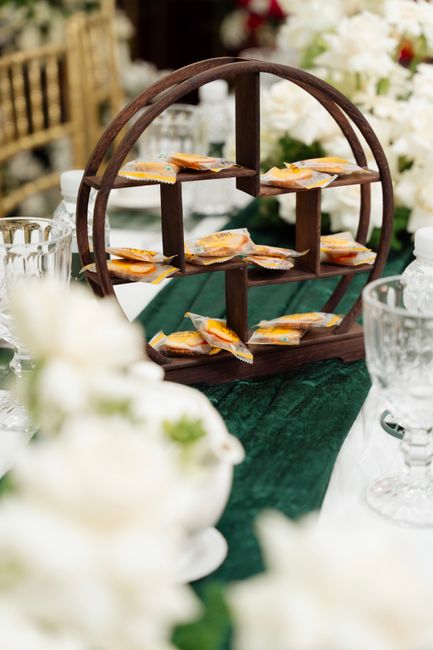
For warm palettes, the Gold Velvet Table Runner measures ten feet by twenty-nine inches, wide enough to sit under centerpieces rather than just along the table edge. For jewel-tone palettes, the Emerald Green Velvet Table Runner offers the same generous width in a deep green that pairs naturally with gold accents and white florals.
Table Runner Length, Width, and Placement Guide
Sizing a runner correctly makes a bigger visual difference than most couples expect. As a baseline, a runner should extend twelve to eighteen inches past each end of the table for a relaxed drape, though some couples prefer a fuller look with even more overhang on farm tables. Standard rectangular banquet tables, typically six or eight feet long, usually need a runner between eighty-four and one-hundred-twenty inches to achieve that overhang.
Width matters just as much as length. A narrow twelve-inch runner works well as a centered accent strip with a tablecloth showing on either side, while a wider runner in the twenty- to thirty-inch range can function almost like a table topper, covering most of the table's width. If your venue's tables are round rather than rectangular, a single straight runner reads best laid diagonally or paired with a second crossing runner rather than centered lengthwise.
Always order one extra runner beyond your exact table count. Fabric runners occasionally arrive with a pull, a fold crease that will not fully release, or a slightly off color match from a reprinted batch, and having a spare avoids a last-minute scramble during setup.
Color Pairing and Seasonal Runner Ideas
Runner color is one of the easiest ways to shift a neutral linen rental into something that looks custom. Sage, terracotta, and dusty blue read as spring and early summer. Rust, burgundy, and mustard suit fall receptions. Emerald, navy, and deep plum lean into winter, while ivory, blush, and champagne stay versatile across every season and pair with almost any floral palette.
Metallics deserve a separate note: gold sequin or gold velvet works with nearly any accent color because it functions more like a neutral with shine than a true color choice. If you are mixing multiple runner colors across tables, for example alternating sage and terracotta down a long reception, keep the runner width and fabric consistent so the variation reads as intentional rather than mismatched.
Consider your florals before finalizing runner color. A runner in the same family as your centerpiece flowers can visually flatten the table, while a contrasting but complementary shade, such as a sage runner under blush and white florals, gives the arrangement more definition.
Renting vs. Buying Table Runners
Most linen rental companies stock table runners alongside their tablecloths, and renting can make sense if you want a very specific fabric for a single night and do not want to store or launder anything afterward. Rental runners are usually pressed and delivered ready to use, which removes one task from the wedding week checklist, though the per-table cost adds up quickly once you factor in delivery and return fees.
Buying tends to be the better value when you need more than a handful of tables covered, since multi-packs of cheesecloth, sequin, or velvet runners on Amazon often cost less in total than a single night's rental for the same quantity. Buying also means the runners are yours afterward for an anniversary dinner, a friend's shower, or holiday hosting, which offsets the upfront cost over time. The tradeoff is that you become responsible for storage, and for fabrics like velvet, a bit of care between events to avoid crushing the pile.
A middle path some couples take is renting for tables that need a very specific custom color match, such as a head table runner dyed to an exact palette, while buying multi-packs for the guest tables where an exact shade match matters less.
Budget-Friendly Ways to Style Table Runners
Table runners are one of the more affordable wedding decor upgrades, especially compared to full linen rentals, and there are a few ways to stretch the budget further. Buying multi-packs rather than single runners typically brings the per-table cost down significantly, and most fabric runners can be steamed and reused for an engagement party, rehearsal dinner, or bridal shower before the wedding itself.
Layering a lower-cost runner with a few well-placed candles or a small floral garland often reads as more expensive than a single premium runner alone, since the eye takes in the whole tablescape rather than the runner in isolation. If your venue allows it, ask whether a friend or family member can steam and press the runners the morning of the wedding rather than paying a rental company's setup fee for something you can style yourself in under an hour.
For a cohesive look without a large spend, pick one runner style for guest tables and reserve a slightly different or upgraded runner for the sweetheart table, head table, or cake table so those focal points stand out.
---
Wedding Table Runner FAQ
- How many table runners do I need for my reception?
Count one runner per table, then add one or two extra as backups. For a typical reception with fifteen to twenty guest tables, most couples order eighteen to twenty-two runners depending on table length, since longer farm tables sometimes need two runners laid end to end.
- Can I mix different table runner fabrics at the same wedding?
Yes, many couples use one fabric for guest tables and a different one for the sweetheart table or cake table to make those spots stand out. Just keep the color palette consistent so the mix reads as intentional rather than mismatched.
- Do table runners need to be ironed before the wedding?
It depends on the fabric. Cheesecloth and gauze are meant to look slightly wrinkled and should not be ironed. Velvet and sequin runners generally arrive folded and benefit from a light steam, ironed only on the reverse side if needed, the night before or morning of the wedding.
- What table runner width works best for round tables?
A single runner laid diagonally across a round table, or two runners crossed in an X shape, tends to look more intentional than one runner centered lengthwise, since round tables do not have a natural head-to-foot orientation.
- Are fabric table runners reusable after the wedding?
Most polyester sequin and velvet runners hold up well through multiple events and can be reused for an engagement party, anniversary dinner, or holiday table. Natural cheesecloth and gauze runners are more delicate but can still be washed gently and reused once or twice.
- Should the table runner match the tablecloth or contrast with it?
Contrast generally photographs better. A runner in a shade or texture different from the tablecloth creates depth, while a runner that closely matches the tablecloth underneath can visually disappear in photos.