Wedding Table Number Ideas: 30+ Unique Picks for 2026


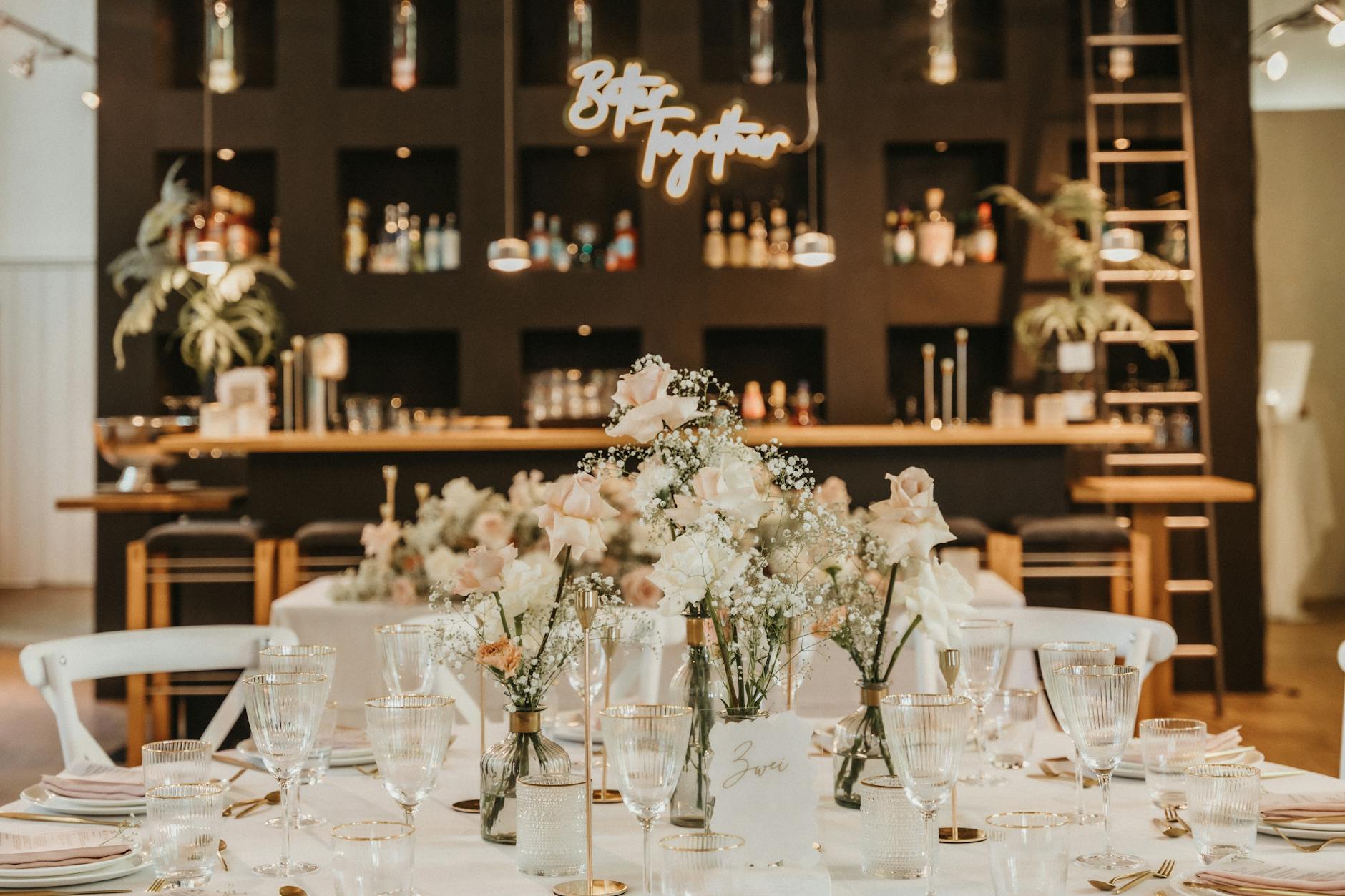
Wedding table number ideas might sound like the last detail on a long planning checklist, but they're one of the few design choices guests interact with directly. Table numbers tell people where to sit, anchor the visual style of the reception, and quietly show up in nearly every wide-angle photograph of the dinner. Done well, they pull the whole room together. Done as an afterthought, they pull the eye away from the centerpieces and stationery you spent weeks choosing.
In 2026, couples are leaning into table numbers as a design statement rather than a functional necessity. Acrylic stands have replaced paper place cards at the head table, and more couples are skipping numbers altogether in favor of named tables — cities they've traveled to, favorite books, or songs from their first dance playlist. Whatever direction you choose, the table number is a small but visible chance to make the reception feel like yours.
This guide walks through the strongest wedding table number ideas across five style directions — classic, rustic, modern, themed, and DIY — plus practical guidance on sizing, placement, and the mistakes that trip couples up most often. The right style depends on your venue, your centerpieces, and your guest count: a barn wedding with low florals suits a different solution than a ballroom with tall pedestals. Pick the look that disappears into your design when it should, and announces itself just clearly enough when guests need it to.
Classic and Timeless Table Number Styles
Classic wedding table numbers lean on traditional materials and clean typography. They look at home in cathedrals, country clubs, and hotel ballrooms — anywhere the wedding design skews formal. Think ivory cardstock, gold leaf, copperplate calligraphy, and white-on-black contrast.
The most reliable classic wedding table numbers for 2026:
- A folded ivory card with gold foil numerals, placed in a brass or gold metal frame
- A flat printed card propped against a small wooden or ceramic stand at the back of the centerpiece
- Calligraphy on heavy cotton paper — hand-lettered for small weddings, printed in a calligraphy font for larger ones
- A small framed sign in a vintage gold filigree frame, ideal for vineyard and estate weddings
- Roman numerals printed on linen-look cardstock for a slightly more formal feel than Arabic numerals
For classic weddings, the key is restraint. The numeral itself should be the only element on the card — no decorative borders, no flourishes. Pair the table number with your menu cards and place cards so the typography matches across the whole table setting and your broader wedding place card ideas.
Order classic numbers from a stationer who can match your invitation suite. Digital-printed matching sets typically run $30 to $60 for twelve to twenty signs; hand-lettered calligraphy runs $10 to $25 per number.
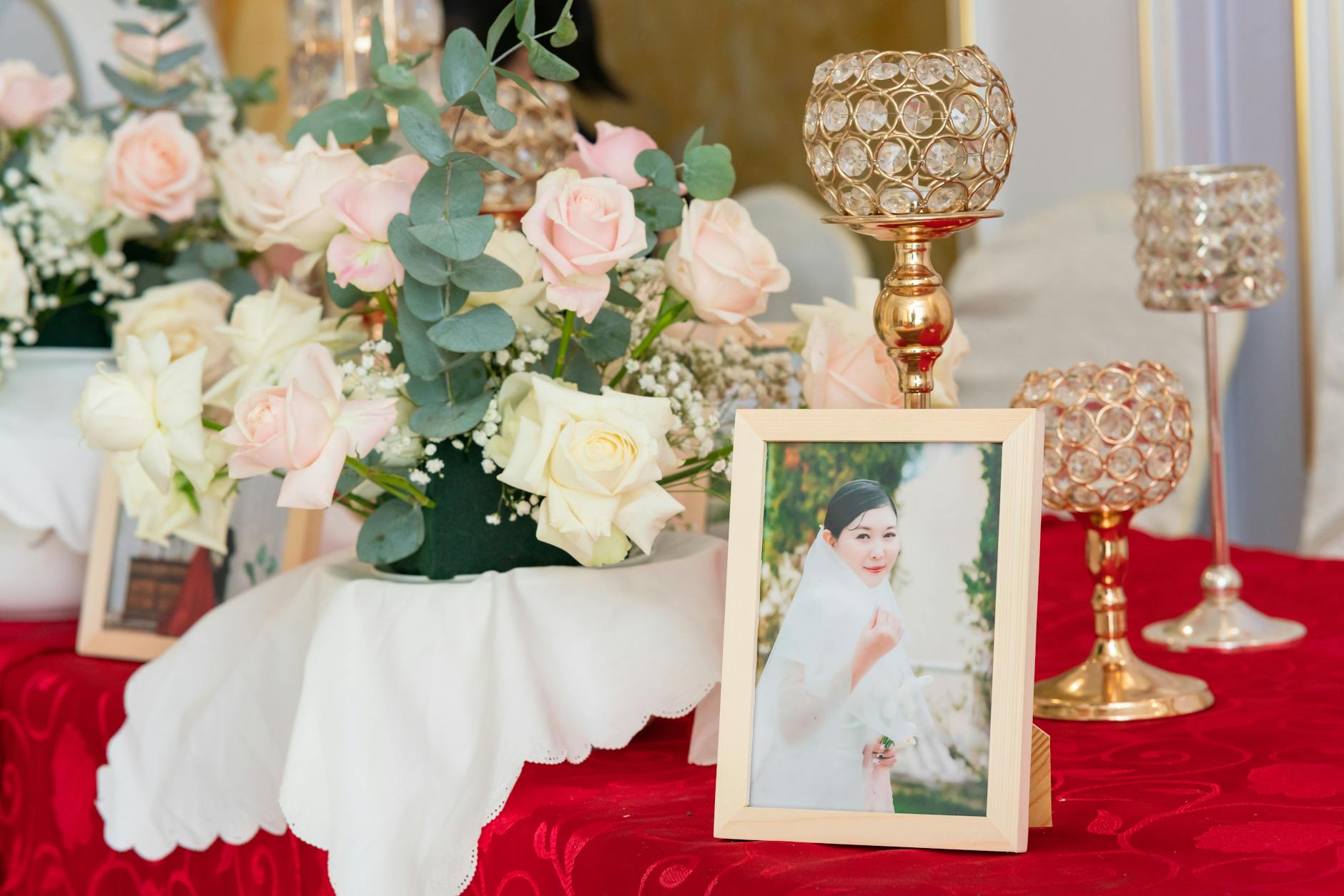
If you'd rather skip the bespoke route, a ready-made set like the JOYIT 20-Piece Wedding Table Numbers 1-20 with Place Card Holders pairs white-and-gold number cards with twenty matching metal stands for roughly $20 to $30 — the cheapest way to get a coordinated classic look without ordering custom prints. Either way, avoid flimsy paper cards in venues with overhead air conditioning or outdoor airflow; they blow over constantly and pull staff away from service.
Rustic and Outdoor Wedding Table Number Ideas
Rustic wedding table numbers do their best work at barn weddings, vineyard receptions, farm-to-table dinners, and any outdoor venue where wood, greenery, or linen anchors the design. They're warm without being twee, and they photograph beautifully against natural light.
The strongest rustic table number ideas for 2026:
- Slices of tree wood (typically birch, oak, or pine) with the number wood-burned into the surface
- Numbers painted in white or black on small chalkboards, framed in unfinished wood
- Numbers carved or branded into small wooden blocks that double as tea light holders
- Stamped metal tags hung from a small piece of driftwood or hemp twine
- Cotton or linen flags clipped to small wooden dowels, with the numeral hand-stamped or screen-printed
- Numbers written on smooth river stones placed at the base of the centerpiece
For a layered look, sit the rustic number alongside a small bundle of dried wheat, lavender, or eucalyptus tied with twine. This works especially well at the entrance to each table when guests are looking for their seats.
At barn or vineyard venues with long farm tables, scale up — a 6-by-8-inch wood slice is much easier to spot from a doorway than a 3-inch card.
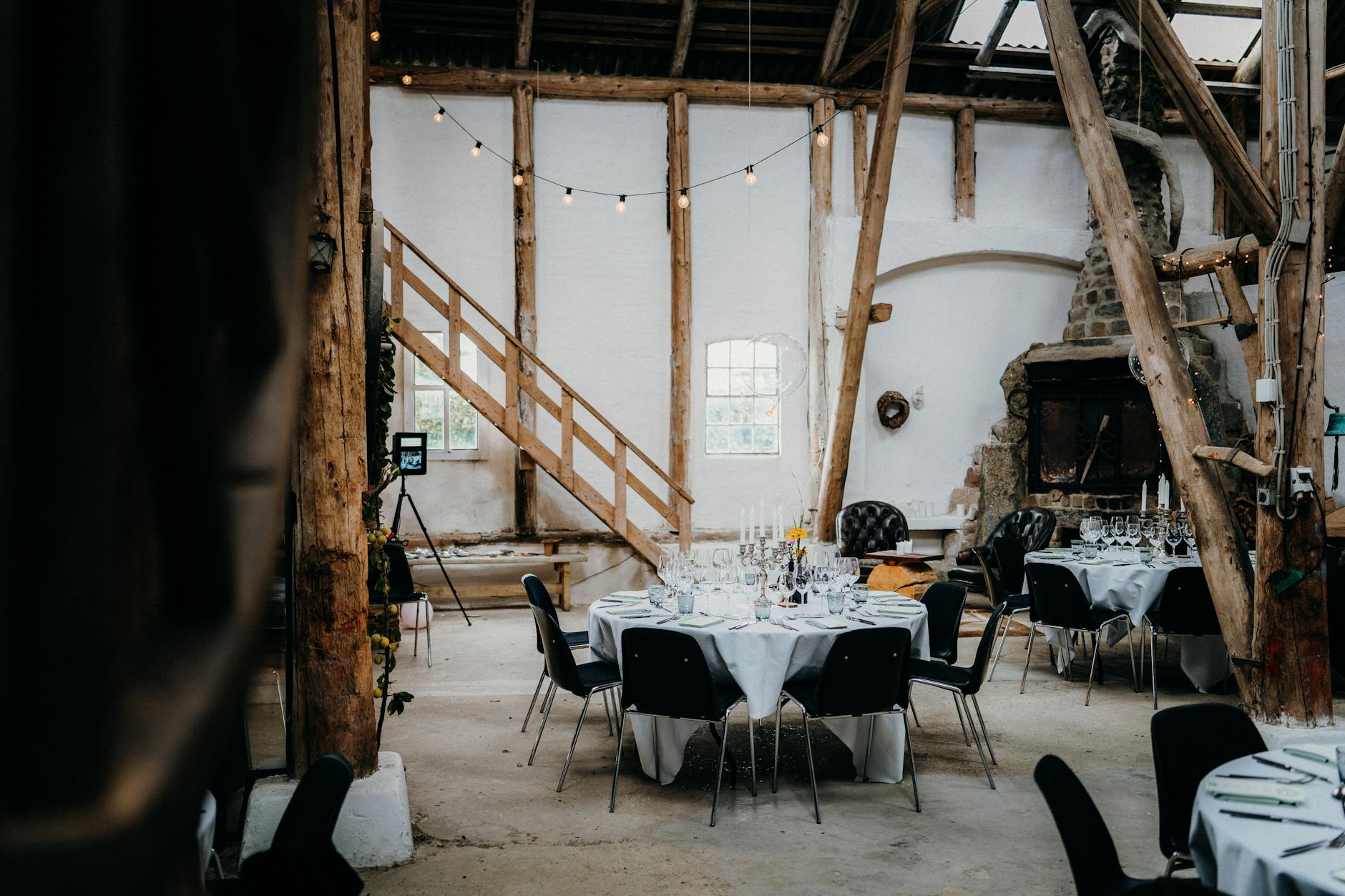
For couples who'd rather buy ready-made than burn numbers themselves, the Rustic Wedding Wood Slice Table Numbers Set 1-20 is a reliable workhorse — pre-cut birch rounds with numerals burned into bark-covered slices and flat bottoms so they stand without props, around $35 to $55. Look for cleanly sanded edges; the cheapest birch slices come with sharp bark that catches linens.
Modern and Minimalist Acrylic Table Numbers
Modern weddings have driven huge demand for acrylic table number signs since around 2022, and they remain the most-Instagrammed table number style of 2026. The appeal: a frosted or clear acrylic panel with minimalist black or gold lettering looks crisp in photos and works in nearly every reception space, from industrial lofts to garden tents.
The most popular acrylic wedding table numbers right now:
- Clear acrylic rectangles with black serif or sans-serif numerals
- Frosted acrylic with white painted numbers (especially photogenic against dark linens)
- Mirror acrylic with gold vinyl lettering for a slightly more glam look
- Hexagon or arch-shaped acrylic signs for couples who want shape variation
- Tall acrylic standees that sit at the back of low centerpieces and can be seen from any seat
Order acrylic numbers in sets that match your other reception signage — welcome sign, seating chart, menu signs. Sourcing from one Etsy seller or stationer keeps typography, color, and finish consistent across the room. Acrylic numbers typically run $8 to $25 each, and stands run $3 to $15; budget an extra $15 to $40 per setup if your signs don't ship with bases.
The current standout in this category is the UNIQOOO Frosted Arch Wedding Table Numbers Set 1-20 with Stands — frosted acrylic arches roughly 5 by 7 inches with crisp white numerals and matching display stands, around $35 to $50 for the set of twenty. The arch shape photographs especially well against dark linens. A common modern mistake to avoid: choosing fonts that look elegant up close but blur from across the room — pick bolder weights so guests can read the table from the entrance.
Themed and Personalized Table Names Instead of Numbers
Many couples in 2026 are skipping table numbers entirely in favor of named tables. The shift is partly practical — guests find named tables easier to remember than numbers — and partly personal. Named tables let the couple's story show up at the dinner without a lengthy toast.
Strong themes for named table seating in 2026:
- Cities the couple has traveled to or lived in together
- Songs from the couple's playlist (first dance, recessional, favorites)
- Favorite books, films, or TV shows that mean something to the couple
- National parks, hiking trails, or beaches for outdoorsy couples
- Important dates in the relationship (first date, engagement, big trips)
The trick with themed names is keeping them simple to navigate. Print a clear seating chart at the entrance so guests can find their table without confusion — our guide to wedding seating chart ideas covers the layouts that pair best with named tables. Pair each named table sign with a small caption — "Florence — where they met" or "Track 7 — their first dance song" — so the meaning is visible to all guests, not just the couple's close friends.
If you have more than ten tables, mix named tables with traditional numbers — number the tables 1 through 12 and add a smaller named line below each numeral ("Table 4 — Paris"). This keeps the seating chart simple while preserving the personal touch.
One practical caution: avoid theming tables in ways that hierarchy your guests. If "Table 1" is named after the couple's most meaningful place, guests at "Table 12 — the airport layover" can feel like an afterthought. Theme inclusively or stick to numbers.
DIY Wedding Table Number Ideas on a Budget
DIY wedding table numbers can save $50 to $200 on a wedding budget and often look more personal than store-bought signs. They're also the easiest reception detail to delegate — a friend with steady handwriting and a free afternoon can produce a full set in a weekend.
Quick, low-cost DIY wedding table number ideas:
- Print numbers on heavy cardstock at home and clip them into 4x6 wood photo holders
- Stamp numbers onto small canvas drop cloths with fabric ink, then drape at the back of each centerpiece
- Hand-letter numbers on terracotta mini pots and fill with succulents that double as favors
- Frame printed numbers in 4x6 dollar-store frames spray-painted matte gold or matte black
- Write numbers on a slice of dried citrus fruit and clip a small card behind for fresh, summery weddings
- Print numbers on heavy vellum and clip to a slim brass rod cut to 6-inch lengths
Two materials make DIY table numbers look more expensive: heavy cardstock (110 lb or higher) and a good printer (or a stationer who prints on your paper). Cheap, thin paper signals "DIY" instantly. Heavy paper with the right typography reads as deliberate, regardless of who printed it.
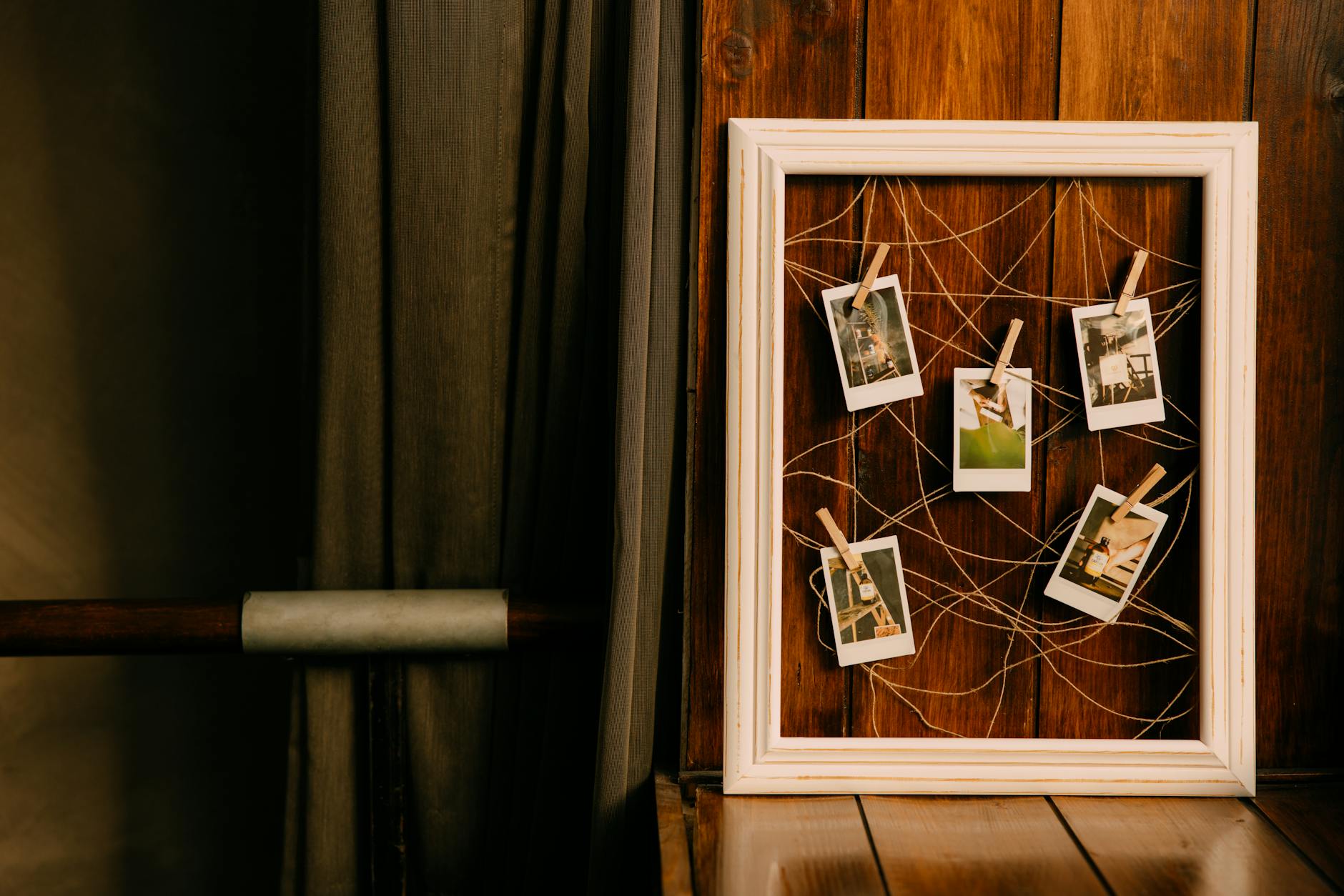
The cleanest base for DIY printed numbers is a set of rustic wood holders like the Wood Place Card Holders, 20-Pack with 20 Kraft Cards — natural wood blocks with metal clips sized for 4x6 cardstock, around $15 to $22 including blank cards you can print on. Total DIY cost for ten tables runs $25 to $75 in materials versus $150 to $250 for an equivalent acrylic set — and DIY often photographs better because it reads as intentional rather than mass-produced.
Choosing the Right Size, Stand, and Placement
Even the most beautiful wedding table number fails if guests can't see it from across the room. Size, stand, and placement decisions matter as much as design.
The size rules that work for most weddings:
- 5-inch by 7-inch is the minimum readable size for a seated guest 8 to 10 feet away
- 8-inch by 10-inch is better for venues with low light or long farm tables
- Tall signs (12-inch standees and taller) are best when centerpieces are tall and would otherwise block a smaller sign
Stand height matters as much as sign size. A 5x7 card lying flat against a centerpiece base is invisible from across the room. The same sign in a 4-inch stand elevates it to eye level and reads from anywhere. Look for stands that lift the sign at least 3 inches above the table linen.
Placement guidance that works at most reception venues:
- Place the table number on the entrance-side of the table — the first thing guests see when they walk up
- Avoid placing it between two centerpieces; pick one clear sightline
- For round tables, place the number on the side facing the seating chart and entrance
- For long farm tables, place a number at each end so guests find it whether they enter from the head or the foot
A common oversight: not testing visibility before the wedding. Set up one table number with a centerpiece a week before the wedding, walk 15 feet away, and check whether you can read it. If you can't, scale up. This is also a good moment to coordinate with your florist or wedding stationery vendor about centerpiece height and signage proportions so your wedding table numbers don't end up hidden behind a tall arrangement.
Common Mistakes to Avoid With Wedding Table Numbers
A few mistakes show up repeatedly with wedding table numbers, and they're easy to avoid once you've seen the pattern.
The most common wedding table number mistakes:
- Choosing typography that doesn't match the rest of your stationery suite — table numbers should belong to the same family as menus and place cards
- Skipping table 13 to be polite — it's better to use sequential numbers and explain seating clearly, or skip numbers entirely and use names
- Using numbers in colors that disappear against your linens (white numbers on white linens, gold on cream)
- Sourcing from multiple sellers with different paper textures and finishes — order all signs from one source for consistency
- Forgetting to order one extra in case a number gets damaged on the wedding day
- Choosing rustic or whimsical numbers for a formal venue where they clash with the architecture
- Placing the table number on the side of the table facing away from the seating chart
A subtler mistake: choosing a font you love that no one else can read. Highly stylized scripts and tightly-spaced calligraphy look beautiful in product photos but get lost on a busy table among glasses, plates, and centerpieces. Test legibility from a distance before ordering — or ask your stationer to send a single sample sign before committing to the full set.
Finally, confirm with your venue or planner how table numbers are placed during setup. Some venues default to placing numbers in the center of each table; others place them off-center. A two-minute conversation a week before the wedding prevents a setup mismatch when you're walking through the room for the first time on the day.
Wedding Table Number Ideas FAQ
- What size should wedding table numbers be?
A 5-inch by 7-inch sign is the practical minimum for a guest seated 8 to 10 feet away. Step up to 8-inch by 10-inch in low light or for long farm tables, and use 12-inch standees when centerpieces would otherwise block a smaller card.
- How many wedding table numbers do I need?
Order one table number per dining table, plus one extra. The spare covers any sign damaged in transit or lost during setup, since a single replacement rarely matches the original paper, ink, or finish if you have to reorder later.
- Should I use table numbers or named tables?
Both work — the choice comes down to guest count. Numbers scan faster at weddings with 15 or more tables, while named tables shine at smaller weddings where the couple's story can show up on each sign without overwhelming the seating chart.
- How much do wedding table numbers cost?
Most wedding table number budgets land between $25 and $300. DIY printed cardstock runs $25 to $75 for ten tables, pre-made acrylic or wood sets cost $35 to $85, and custom calligraphy from a stationer runs $10 to $25 per number — plus $15 to $40 for matching stands if needed.
- Where do you place table numbers on a wedding table?
Place each sign on the entrance-side of the table — the side guests face when searching for their seat. For round tables, that means the side toward the seating chart; for long farm tables, place a sign at both the head and foot. Avoid splitting the sightline between two centerpieces.
- Can I reuse or sell wedding table numbers after the wedding?
Yes — acrylic and wood sets resell well on Facebook Marketplace and wedding-resale groups, typically recouping 40 to 60 percent of cost within a week. Printed cardstock rarely finds a buyer, but local event-rental companies and wedding nonprofits often accept clean, neutral sets as donations.