Unplugged Wedding Ceremony Sign Ideas: Wording & Styles


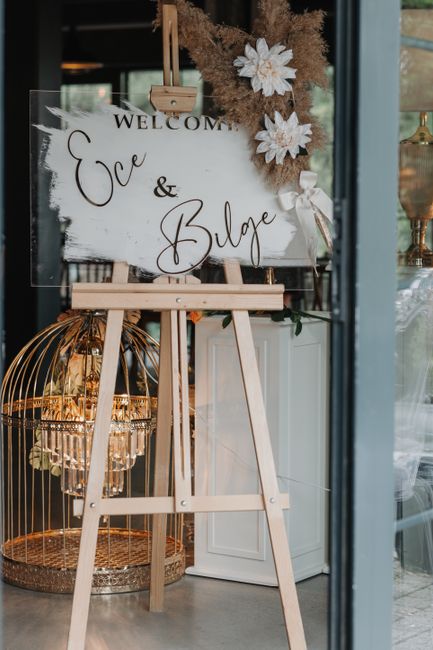
An unplugged wedding ceremony sign is the simplest way to ask guests to put their phones away while you exchange vows. It takes up one small spot near the entrance, costs less than most favors, and does a surprising amount of work. Guests read it as they find their seats, and the request lands before the music starts instead of in the middle of the processional.
The reason so many couples add one is practical. A guest leaning into the aisle with a phone held high blocks the view for everyone behind them, and it can block the professional photographer's shot of your first look down the aisle too. Phones also ring, light up, and chirp with notifications during the quietest moments of the ceremony. A clear, friendly sign gives you a way to set expectations without anyone feeling singled out.
The challenge is tone. Some couples want a firm request, some want a joke, and some only want to ask guests to hold off until after the kiss. This guide covers wording that works for each approach, the main sign styles, sizes and stands, where to put the sign, and how to back it up with other reminders so the request actually sticks. By the end you will know which unplugged wedding ceremony sign suits your venue and your guest list.
Why Couples Choose an Unplugged Ceremony
Going unplugged does not mean banning technology for the whole day. Most couples only apply the rule to the ceremony, which is usually twenty to thirty minutes long. Cocktail hour and the reception are open season for phone photos, videos, and social posts.
There are three common reasons couples make the call. The first is the photographer. Professionals work from specific angles and lighting setups, and a guest stepping into the aisle at the wrong moment can ruin an image you paid a lot for. The second is presence. Guests who film the whole ceremony tend to watch it through a screen, and the faces in your photos end up lit by phones instead of looking at you. The third is privacy. Some couples would rather decide when and where their wedding photos are posted online, and a no-phones sign gives them a graceful way to ask.
Unplugged Wedding Sign Wording Ideas
Wording sets the tone for the entire ceremony, so it is worth drafting a few options and reading them aloud. The best unplugged ceremony sign wording is short enough to read in about five seconds, positive rather than scolding, and clear about what you are asking.
Here are wording ideas grouped by tone:
- Warm and sincere: "We are so glad you are here. Please turn off your phones and be present with us for this moment."
- Short and simple: "Unplugged ceremony. Please silence and put away all devices."
- Gentle: "Today we're giving you the best seat in the house. Please enjoy it without a screen."
- Funny: "Our photographer is paid to be in your way. Please don't be in theirs."
- Playful: "Be here now, post later. Phones off until we say 'I do.'"
- Humorous with a promise: "Please leave the phones in your pockets. We'll share the photos with you soon."
- Ceremony-only: "Please keep devices away during the ceremony. Photos and videos welcome at the reception."
- Hashtag friendly: "Unplugged ceremony, plugged-in party. Share your photos at the reception with #YourHashtag."
A few wording tips make a real difference. Say what you want, not only what you don't. "Please enjoy this moment with us" lands softer than "No phones." Mention the time limit if you are only asking for the ceremony, because guests are more willing to comply when they know the rule has an end. Avoid long paragraphs; guests are walking past with programs in their hands and will skim. And if you want the sign to match the rest of your stationery, use the same fonts and colors as your invitation suite.
Unplugged Wedding Sign Styles: Acrylic, Wood, Chalkboard, and More
The sign itself can be anything from a printed card in a frame to a custom painted arch. These are the styles couples pick most often, along with what each does best.
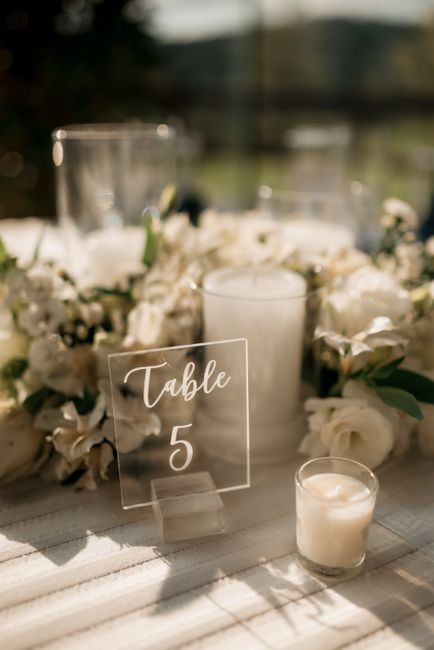
Acrylic signs are the modern default. Clear or frosted acrylic with white or gold lettering suits ballrooms, modern venues, and garden ceremonies, and the transparent surface lets flowers show through behind it. A simple reusable option is the Cards and Gifts Acrylic Wedding Sign, an 8 by 10-inch clear acrylic sign with a matching base that runs around $15 to $20. It is sized to read from a few feet away, which is the right range for a sign placed beside the entrance, and it can be used again at a shower or rehearsal dinner.
Wood signs fit barn weddings, vineyards, and backyard ceremonies. Painted or engraved boards give a warmer look, and they are sturdy enough to survive an outdoor breeze. Chalkboard signs are another rustic favorite and the easiest to customize, since you can write the wording yourself the morning of the ceremony. Their weakness is legibility. Chalk lettering looks lovely in photos but is harder to read from a distance, so use large, bold handwriting and a dark board.
Whichever material you choose, keep the design restrained. A single font, one or two colors, and generous empty space read faster than a busy layout. If you have a welcome sign at the entrance, keep the unplugged sign in the same family so the two look like a set; our guide to wedding welcome sign ideas covers matching styles in more depth.
Choosing the Right Size and Stand
Size is the detail couples most often get wrong. A small tabletop sign looks charming in the product photo and then disappears in a crowd of guests. As a general guide, a sign meant to be read at the ceremony entrance should be at least 18 by 24 inches if it stands on the ground, and at least 8 by 10 inches if it sits on a table.
Think about how guests will meet the sign. At most ceremonies, they arrive in a trickle, walk past a greeter or program table, and look for seats. A floor-standing sign on an easel catches the eye at standing height, while a tabletop sign works best when it sits right next to the guest book or the program basket where people already pause.
If you want a classic look, an easel is the traditional stand. The brass display easels work well for smaller framed signs on a table. They are seven-inch malleable brass frames that hold a card or a lightweight sign, and at roughly $15 to $25 for a small set they are friendly to the budget. For larger signs, a wooden tripod or A-frame easel is more stable, especially outdoors.
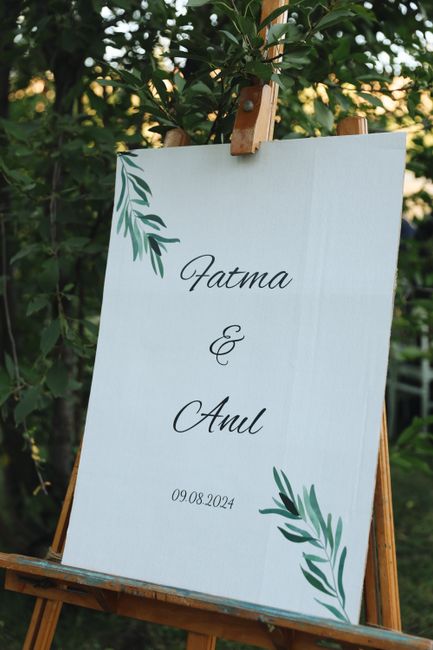
Weight matters outdoors. Even a light breeze can topple an acrylic sign on a small base, so ask your venue whether sandbags or stakes are allowed, or choose a sign with a wide, stable foot. For a lawn ceremony, a wood or foam board sign on a sturdy tripod usually holds up better than a freestanding acrylic piece. Test the sign's stability the day before if you can, and have a family member or coordinator responsible for setting it up and checking it before guests arrive.
Where to Place Your Unplugged Ceremony Sign
One sign at the entrance is a good start, but it is not always enough. Guests arrive in clumps, some are looking at their phones as they walk, and some will simply miss it. The most effective approach uses two or three placements so the message reaches people more than once.
Good spots include the ceremony entrance or the start of the aisle, the guest book or program table, the back of the final row of chairs where latecomers come in, and the cocktail area just before guests are seated. If you have ushers, a second sign beside the usher station catches people at the moment they are choosing seats. A small sign on the first row, or on every aisle seat, is another option for couples who want a gentler reminder at eye level.
Signs also have a second job after the ceremony. Once the vows are done, you can flip the message. A reception sign that reads "Phones welcome — post away" tells guests the rule has ended and invites them to share photos. If you have a candy buffet or dessert table, a coordinated set of acrylic wedding buffet and dessert signs runs around $18 to $25 and keeps your signage style consistent from the ceremony to the reception. Matching fonts across every sign makes the day feel designed rather than assembled.
Letting Guests Know Before They Arrive
A sign works best as a reminder, not as the first time guests hear the request. People who know the policy ahead of time are far more likely to follow it, and nobody feels caught off guard. There are several easy places to share the message early.
Your wedding website is the first. Add a short line to the FAQ or ceremony page, such as "We are having an unplugged ceremony and would love for you to be fully present with us. Phones and cameras are welcome at cocktail hour and the reception." Mention it in your invitation suite on the details card, and keep the wording friendly.
The printed program is another good spot. A short note at the bottom, in the same tone as your sign, reinforces the request right when guests are settling in with the program in hand. If you are still choosing programs, our wedding program ideas roundup has styles that leave room for a message like this.
Your officiant is the third and most underrated tool. A line at the start of the ceremony, spoken warmly, is very hard for guests to ignore. Something like "The couple has asked that we keep phones put away so everyone can be present together" takes ten seconds and reaches everyone, including guests who walked past the sign. Many officiants have a standard script for this, so ask yours to include it.
Working With Your Photographer and Handling Holdouts
Even with a great sign, a few guests will forget or decide the rule is not for them. Plan for that in advance so you are not thinking about it on the day.
Assign a polite enforcer. A coordinator, an usher, or a friend you trust can stand near the back of the ceremony, and a gentle reminder in a low voice usually works. Make it clear they should use a friendly tone, since the goal is to protect the moment, not to start an awkward confrontation.
Consider offering a compromise. A short, designated window for photos, such as the recessional or the first kiss, makes the rule feel reasonable. Many couples also share their professional photos within a few weeks, and saying so on the sign ("We'll share the photos soon") helps guests feel they aren't missing out. Provide a spot for phones to be used right after the ceremony too; a sign or a note by the exit that says "Phones back on" signals the rule has ended.
Some moments after the ceremony are fine for phones, such as an evening exit. If you plan a sparkler or bubble send-off, guests will want their cameras ready, and a little organization helps. A simple acrylic send-off sign at the bucket, like the Wedding Tags with Heart Shape Cards and Acrylic Send-Off Sign bundle, includes 100 heart-shaped sparkler tags and a clear sign with stand for around $20 to $30. See our wedding sparkler send-off ideas for how to light them safely and get a clean photo.
Unplugged Wedding Ceremony Sign FAQ
- What should an unplugged wedding sign say?
Keep it short and positive, and say what you are asking. Something like "We're so glad you're here. Please put your phones away and be present with us" works for most weddings. If you only want phones away during the ceremony, say so, and mention that photos are welcome at the reception. Aim for a message guests can read in about five seconds.
- How big should an unplugged wedding sign be?
A floor-standing sign at the entrance should be at least 18 by 24 inches so guests can read it as they walk by. A tabletop sign next to the guest book or program table can be smaller, typically 8 by 10 inches or larger. Test readability from a few feet away and go bigger if you have to lean in to see the words.
- Where should I put the unplugged ceremony sign?
Place one at the ceremony entrance and a second near the program table or the back row of chairs. Using two or three placements helps because guests arrive at different times and some will miss a single sign. Keep the sign to one side of the walkway so it does not block guests or compete with your backdrop.
- Do unplugged wedding signs actually work?
They work best when paired with other reminders. Most guests are happy to comply when they know the request ahead of time, so mention it on your wedding website and invitation details card, then add the sign and a short officiant announcement. A few guests will forget, so plan for a coordinator to quietly remind anyone holding a phone up.
- Is it rude to ask guests to put their phones away?
No. Asking guests to be present for a twenty-minute ceremony is a common and widely accepted request. The key is tone: use warm, friendly wording, explain that you want everyone to enjoy the moment, and make clear that phones are welcome afterward. Most guests appreciate knowing the couple's preferences.
- Can I allow some photos at an unplugged ceremony?
Yes. A partial unplugged policy lets guests take photos at the recessional or the first kiss while keeping devices away during the vows. State the exception clearly on your sign, for example "Please keep phones away until the kiss," so guests know exactly when it is fine to use them.