Style and attire


Bridal shapewear is the one wedding-day purchase almost nobody photographs but nearly every bride ends up wearing. It smooths lines under silk and satin, keeps a strapless bodice from shifting during a five-hour reception, and gives a fitted gown the clean, uninterrupted silhouette it was designed to show off. The right piece disappears entirely once the dress goes on; the wrong one shows through fabric, digs in by hour three, or restricts the exact movements a bride needs during a first dance.
The challenge is that wedding dresses are not built like everyday clothing, so everyday shapewear rarely works underneath them. Strapless necklines rule out anything with visible straps, backless and low-back cuts eliminate most standard bras and full-coverage bodysuits, and heavily boned or structured gowns need a layer underneath that won't fight the dress's own shaping. Picking shapewear before knowing the dress silhouette is one of the most common fitting mistakes brides make.
This guide breaks down bridal shapewear by dress silhouette rather than by brand, since the neckline and back of the gown determine which style will actually work. It covers strapless and sweetheart necklines, backless and low-back gowns, mermaid and fitted silhouettes, and A-line or ball gown styles, along with how compression level, sizing, and timing affect the final fit. Every product mentioned below is verified on Amazon at the time of writing.
Wedding dress fabrics are chosen for how they photograph and drape, not for how forgiving they are underneath. Satin, crepe, and mikado are especially unforgiving — they cling to whatever is beneath them and reveal panty lines, bra straps, and stomach creases that a busier print or heavier fabric would hide. A dress that looked flawless at the final fitting can look different once a bride is standing under bright reception lighting for hours rather than a few minutes in a fitting room mirror.
Shapewear's job in this context is narrower than most people assume. It is not primarily about changing body shape — it is about creating a smooth, consistent surface under the gown so the fabric drapes the way the designer intended, and about keeping everything in place through a ceremony, a full reception, and a going-away outfit change. Bodices with boning already do most of the actual shaping; shapewear underneath just needs to not interfere with that structure or bunch where the boning ends.
Comfort matters as much as smoothing here, arguably more. A bride in shapewear that's too tight will be visibly uncomfortable in photos and unable to eat, dance, or sit through a long toast without adjusting it. Sizing up rather than down, and choosing moderate rather than maximum compression, produces better wedding-day results than chasing the tightest possible fit.
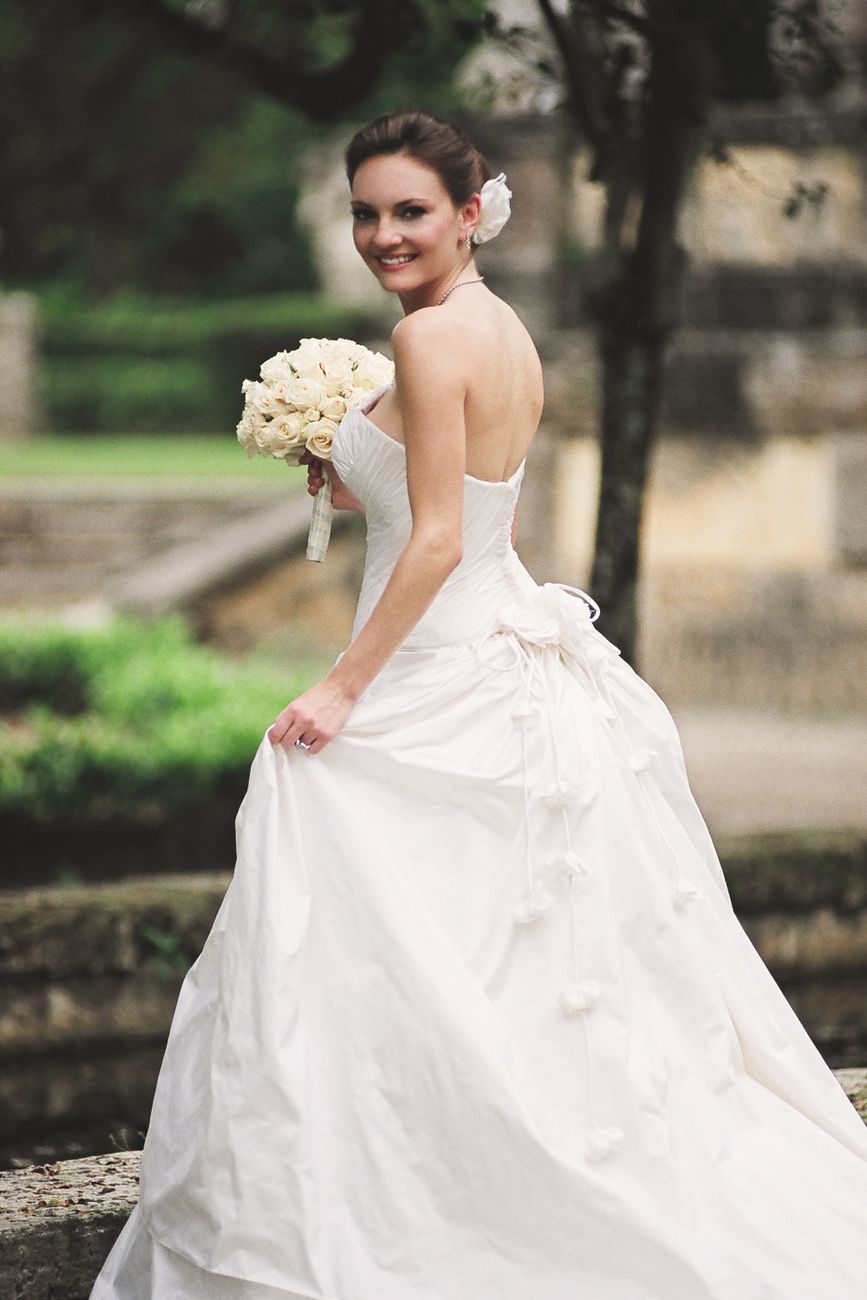
Strapless and sweetheart gowns are the most common silhouette and the trickiest to dress underneath, because any visible strap or seam at the shoulder breaks the clean line the neckline is supposed to create. The shapewear needs to stay up on its own, without shoulder straps, while still smoothing the torso.
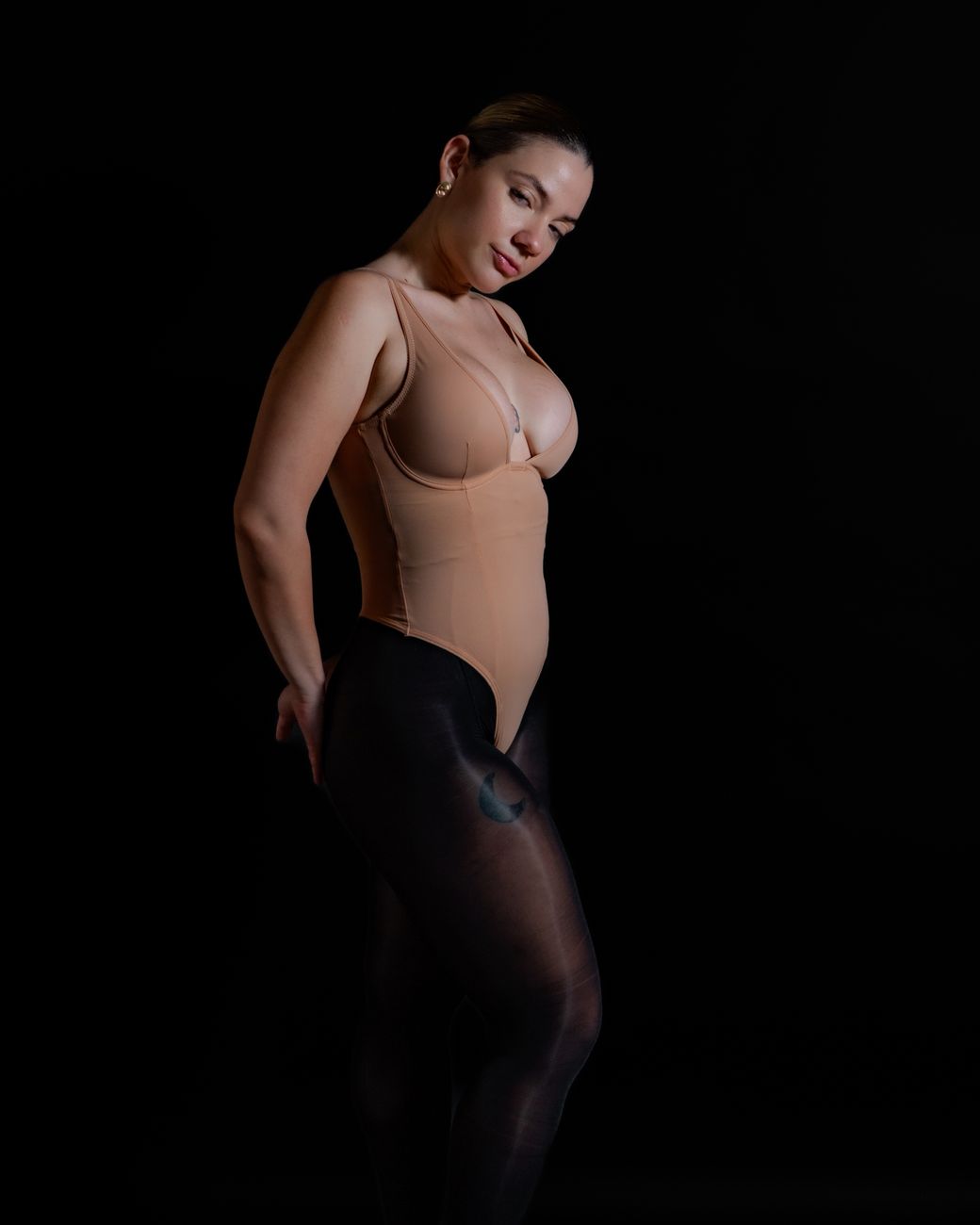
A strapless cupped bodysuit is the standard solution. It combines built-in cups with boning or a wide elastic band at the bust line to stay in place without straps, while the body of the suit smooths the waist and hips down to mid-thigh. Because it's a single piece rather than a separate bra and shaper, there's no gap at the waist where two garments meet and create a visible line under satin.
The Assets by SPANX Strapless Cupped Midthigh Bodysuit runs around $58 and is one of the most consistently recommended pieces for this neckline, with a silicone-lined top band that grips without slipping and moderate compression through the midsection that holds up through a full reception without feeling restrictive.
Backless and low-back gowns eliminate almost every standard shapewear option, since any back panel, band, or hook-and-eye closure will show above the dress's back opening. The dress itself does most of the visible work here, which means the undergarment needs to be closer to invisible than in any other silhouette.
Adhesive and low-back bras solve the coverage problem without a back band. They use silicone gel or fabric adhesive to stay in place on the skin, with cups that sit forward of where a standard bra band would be, leaving the entire back exposed exactly as the dress is cut to show it.
The Dominique Noemi Backless Strapless Longline Bustier Bra is a popular non-adhesive option for this cut, priced around $70, with light boning through the longline body that smooths the midsection while leaving the back entirely open. It works especially well for brides who find adhesive bras uncomfortable or unreliable through a long day of dancing.
Mermaid and trumpet gowns are cut close to the body from bust to knee, which means any shapewear underneath needs to be equally close-fitting with zero bunching, since the dress fabric has nowhere to hide extra volume. A seamless, double-layer bodysuit is the standard choice, since seamless construction avoids the visible ridges that a seamed garment can create under a tightly fitted skirt.
Zip-front designs make a meaningful difference in a fitted gown specifically, since pulling a compression garment on or off through a narrow mermaid skirt opening is difficult once the dress is already on. A zipper lets a bride put the shapewear on before the dress and adjust it without needing to remove either layer.
The YIANNA Seamless Shapewear Bodysuit with Zip-Up Closure runs about $40 and uses a double-layer, bonded-panel construction that stays flat under tightly fitted fabric, with the front zipper making it far easier to manage under a mermaid skirt than a pull-on style.
A-line and ball gown silhouettes are the most forgiving for shapewear, since the full skirt hides almost anything happening at the hip and thigh. The priority shifts from hiding visible lines to comfort and support through a long day, since the shapewear can be less aggressive without any risk of showing through the dress.
A full slip is often a better choice than a compression bodysuit in this silhouette, particularly for dresses in lighter or sheerer fabrics like chiffon or tulle overlays, where a slip adds opacity as well as smoothing. It also solves a separate problem specific to full skirts — static cling between the lining and the skirt fabric, which a slip's smoother synthetic surface prevents.
The JOYSHAPER High-Waist Full Slip Shapewear is priced around $30 and combines a smoothing high-waist brief with a flowing slip skirt that moves naturally under a full A-line or ball gown, without the tighter compression a fitted-silhouette bodysuit would need.
Shapewear compression is typically labeled light, medium, or firm, and the instinct to buy the firmest option available for a wedding day usually backfires. Firm compression restricts breathing and digestion over a multi-hour event that includes a meal, and it's far more likely to create visible bulges above and below the garment's edges than a moderate-compression piece worn in the correct size.
Sizing shapewear by a brand's specific chart, in inches, matters more than with regular clothing, since shaping garments are intentionally built smaller than standard sizing and rely on stretch for both fit and function. Ordering a true size rather than sizing down produces smoother results in photos than a piece that's technically "tighter" but creating pressure lines at the seams.
Most bridal shapewear brands recommend trying the garment on under the actual wedding dress, not just alone in a mirror, since a piece that looks fine on its own can still show through certain fabrics or create bulk where the dress has its own boning or seaming. This is worth doing at the final dress fitting if the shapewear has already arrived by then.
Shapewear should be ordered early enough to try under the dress at the final fitting, ideally four to six weeks before the wedding, so there's time to size up, down, or switch styles entirely if the first choice doesn't work with the gown. Ordering it the week of the wedding removes any margin for a fit problem.
New shapewear, especially firmer compression pieces, often needs a break-in period before it feels as comfortable as it will eventually be. Wearing it around the house for a few hours on two or three occasions before the wedding softens the fabric and helps identify whether a seam or band digs in during normal movement like sitting and walking, which is difficult to judge from five minutes in a fitting room.
It's also worth packing a backup pair of standard, comfortable underwear or lighter shapewear in the wedding-day emergency kit. A wedding emergency kit that includes a backup layer covers the rare case where the primary piece runs too small, rips, or simply becomes uncomfortable partway through the reception.
Most bridal shapewear should be hand-washed or run on a delicate cycle inside a mesh laundry bag, since the elastic fibers that create compression break down faster with machine washing and high heat than the rest of the garment. Skipping the dryer entirely preserves the stretch and shape for the wedding day itself, which matters more with a single-use purchase timed around one specific event.
Buying shapewear at least a full size cycle before the wedding also allows for a wash-and-wear test. Elastic-heavy garments sometimes fit differently after their first wash than straight out of the packaging, so washing once before the final dress fitting avoids any last-minute surprise in fit.
Brides who plan to keep the shapewear for regular wear after the wedding, rather than treating it as a single-occasion purchase, should look at the brand's guidance on compression garment lifespan — most shaping garments lose meaningful compression after 20 to 30 washes, which is a detail worth knowing before assuming a wedding-day piece will perform the same way a year later.
Not every bride does, but most fitted gowns in satin, crepe, or mikado benefit from a smoothing layer since these fabrics cling and reveal seams or lines that looser fabrics hide. Dresses with heavy structure, boning, or a full tulle skirt need it less, since the dress does most of the shaping on its own.
Order true to your current measurements using the specific brand's size chart in inches rather than sizing down for extra compression. Shapewear is already built smaller than standard clothing, and a correctly sized piece in moderate compression looks and feels better through a long day than an undersized piece in firm compression.
It shouldn't if the style is matched to the dress's neckline and fabric. Strapless dresses need cupped, strapless shapewear; backless dresses need adhesive or low-back designs; and thinner fabrics like chiffon benefit from a full slip rather than a compression bodysuit, which can create visible seam lines under sheer layers.
Moderate compression, correctly sized, is generally comfortable for a full wedding day including a reception meal and dancing. Firm compression is harder to tolerate for six-plus hours and is more likely to need adjusting, which is difficult to do discreetly once the ceremony has started.
Order it four to six weeks before the wedding so there's time to try it on under the actual dress at the final fitting and exchange it if the fit or style isn't right. This also leaves time for a wash-and-wear test, since some shapewear fits slightly differently after its first wash.