
Planning advice


A wedding rehearsal dinner welcome speech sets the tone for the entire weekend, which is exactly why it makes so many hosts nervous. Unlike the reception toasts the next day, this speech usually opens the whole event: it's the first time out-of-town family meets the wedding party in one room, and the first official "welcome" anyone hears. Getting it right doesn't require polish so much as structure and a clear sense of who's in the room.
Traditionally, the person hosting the rehearsal dinner gives this opening welcome, which historically meant the groom's parents, though today it's just as often both sets of parents together, the couple themselves, or a close family friend acting as an informal host. Whoever it falls to, the job is the same: thank people for traveling, set a warm and slightly informal mood, and hand the evening off to whoever speaks next.
This guide covers who typically gives the welcome speech, what to include, how to write one from a blank page, real opening lines to borrow, and the timing and etiquette that keep a rehearsal dinner program moving instead of dragging into a second hour of toasts.
The host of the rehearsal dinner gives the welcome speech, and historically that meant the groom's parents, since they traditionally paid for and organized the event. That custom has loosened considerably: many rehearsal dinners today are co-hosted by both families, planned and paid for by the couple, or hosted by a close relative standing in for parents who aren't able to take on the role.
Whoever hosts should plan to speak first, before any other toasts begin, since the welcome speech functions as the evening's official opening rather than just another toast in the lineup. If multiple people are co-hosting, it's worth deciding in advance who speaks and in what order, so two people don't both stand up trying to open the event.
If the couple is self-hosting, the welcome speech shifts slightly in tone: instead of welcoming guests to "their" dinner, the couple is welcoming guests to the weekend as a whole, which works especially well for destination-style rehearsal dinners with a high proportion of out-of-town family.
A welcome speech works best with four simple parts: a greeting and thanks, a note of gratitude to whoever helped put the evening together, a short story or observation about the couple, and a forward-looking line that hands things off to dinner or the next speaker. That structure keeps a first-time speaker from freezing on what to say next, since each part naturally leads into the one after it.
Thanking guests for traveling matters more here than at almost any other wedding event, since a rehearsal dinner guest list is disproportionately made up of people who flew or drove in specifically for the weekend. Naming a few specific people or families who came the farthest is a small touch that lands well without turning into a long list.
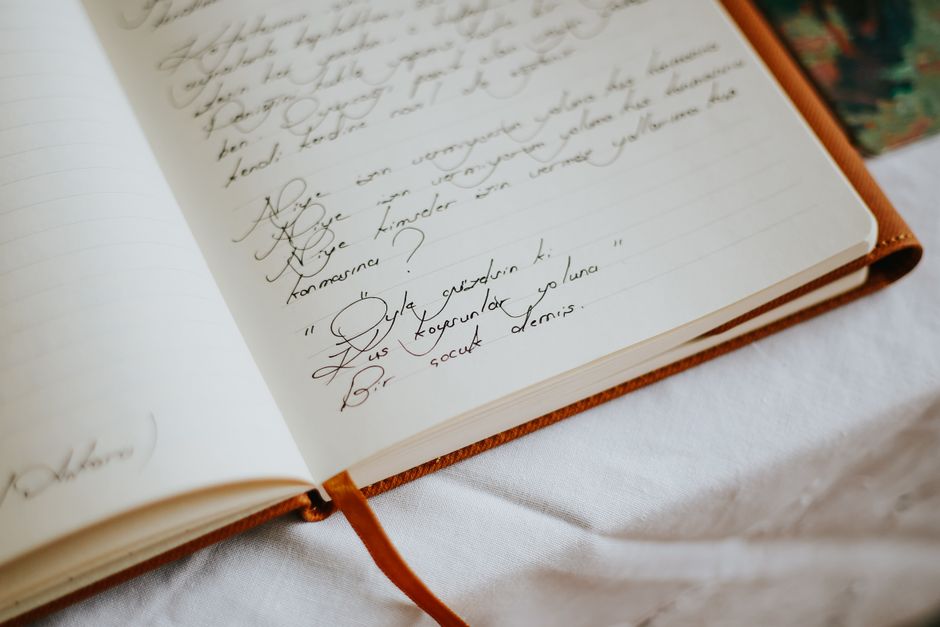
Many hosts find it easier to draft the speech by hand before typing it up, working through a few versions until the wording feels natural out loud. A Personalized Hardcover Leather Journal with Pen (around $25) gives the speech a dedicated home to live in through multiple drafts, rather than scattered across phone notes that are easy to lose track of the night before.
Start by writing down three or four specific memories or observations about the couple, then pick the one or two that fit a room mixed with grandparents, coworkers, and close friends. A story that's hilarious among close friends can fall flat — or worse, embarrass someone — in front of extended family, so this filtering step matters more than the writing itself.
Draft the speech to be read aloud, not read silently. Say each line out loud while writing it, since sentences that look fine on paper often run too long or feel stiff once spoken. Aim for three to five minutes total, which is roughly 400 to 600 spoken words at a natural, unhurried pace.
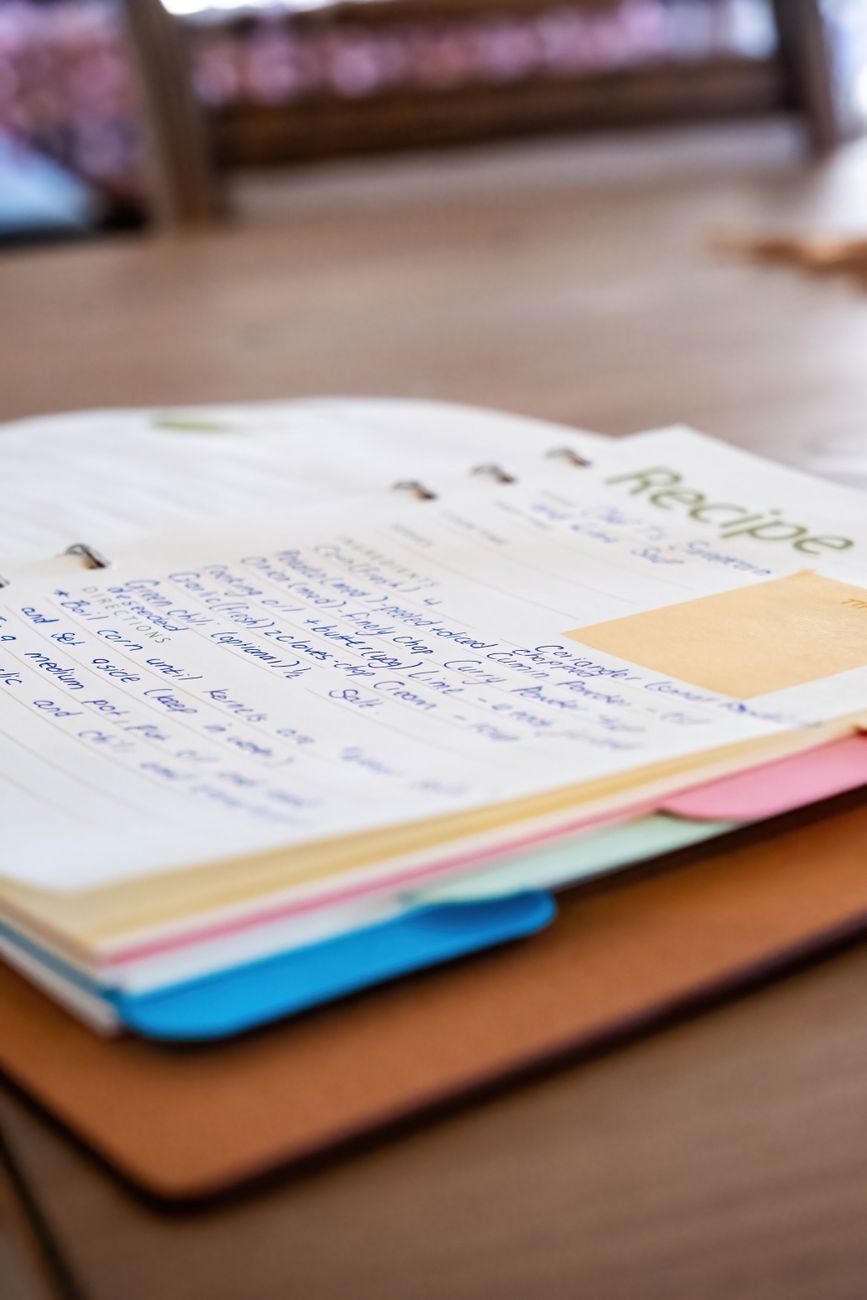
Once the wording feels settled, transfer the final version onto note cards rather than a full printed page, since cards are easier to hold steady and glance at briefly without losing eye contact with the room. A Ring-Bound 3x5 Index Card Set (around $8) keeps the cards in order and prevents the classic mishap of dropping a loose stack mid-toast.
Read the finished speech aloud at least twice before the actual dinner, ideally once to another person. A second set of ears catches unclear references — an inside joke nobody outside the immediate family will understand, or a name mispronounced — before it happens live in front of eighty people.
Opening lines set the tone for everything that follows, so it helps to have a few real examples rather than starting from a blank page. A warm, simple opener works better than a joke that might not land: "On behalf of our family, welcome — we are so glad every one of you made the trip to be here this weekend" does more work than an elaborate icebreaker.
For parents hosting: "Some of you traveled a long way to be here tonight, and we want you to know how much that means to us. Tomorrow is going to be a wonderful day, but tonight is about all of you — the people who've shaped [couple's names] into who they are." That structure thanks guests immediately, then pivots into the evening's purpose.
For a couple self-hosting: "We wanted tonight to be a chance to slow down before tomorrow gets busy — to actually talk to the people who mean the most to us, instead of just waving across a crowded room." This version leans into gratitude and intimacy rather than formal welcome, which suits smaller, more casual dinners.
Closing lines matter as much as openers. A simple handoff — "Please, everyone eat, drink, and enjoy tonight, because tomorrow we celebrate" — signals clearly that the floor is open for dinner or the next speaker without an awkward pause.
Rehearsal dinner welcome speeches run three to five minutes; anything longer starts to compete with dinner service and restless guests who traveled all day to get there. The welcome speech goes first, ahead of any toasts from the wedding party, since it functions as the opening of the event rather than a toast within it.
After the welcome, toast order typically follows: the best man or maid of honor, then any parents who didn't already speak, then occasionally the couple themselves closing out the evening. Confirming this order with anyone expected to speak — ideally a day or two in advance, not at the table — avoids the awkward moment of two people standing up at once or someone realizing mid-dinner they were expected to say something.
Building a loose written order for who speaks when pairs naturally with the rest of the weekend's schedule; working from a wedding day timeline the week before helps hosts see exactly where the rehearsal dinner toasts fit against everything else on the calendar.
Many hosts also use the evening to formally welcome extended family into the fold, and a nice pen makes signing a guest book or thank-you note afterward feel a little more deliberate. A Personalized Elegant Ballpoint Pen Gift Set (around $20) also works well as a small thank-you gift for whoever helped organize the dinner.
Rehearsal dinners are often held in restaurant back rooms, backyards, or rented spaces without built-in sound systems, which means a speech that felt confident in rehearsal can get lost the moment forty people start talking over plates and glasses. Testing the room's acoustics earlier in the day — not five minutes before the first toast — avoids the scramble of a host shouting to be heard.
For groups over 30 or any outdoor setting, a standalone speaker with a handheld microphone solves this cleanly without requiring a hired sound technician. A Portable Bluetooth PA Speaker with Dual Wireless Microphones (around $90) covers both the welcome speech and the toasts that follow, and doubles as music playback once speeches wrap up.
Smaller, more intimate dinners under 25 guests usually don't need amplification at all, but hosts who want the welcome speech recorded for family who couldn't attend often clip on a compact mic instead. A Wireless Lavalier Microphone for Phone Recording (around $30) captures clean audio directly to a phone, which is useful for anyone planning to share the speech later or splice it into a wedding video.
A well-set-up toasting moment also pairs naturally with the glassware on the table; hosts organizing a coordinated toast often pick up wedding toasting flutes ahead of time so the room has a visual cue for when it's time to raise a glass.
The most common mistake is treating the rehearsal dinner welcome speech like the reception toast, packing in every story and inside joke saved up over years. Save the longer, more personal material for the reception the next day, when the room is smaller in scope but the moment carries more weight; the welcome speech's job is narrower — greet, thank, and set the tone.
Reading directly off a phone is another frequent misstep, since phone screens dim, notifications interrupt, and the posture of looking down at a phone reads differently to a room than glancing at a card. Printed cards or a small notebook photograph better in candid shots and don't risk a text notification popping up mid-toast.
Skipping a rehearsal of the speech itself is the third common error. Even confident public speakers benefit from saying the words out loud once in the actual room, or close to it, since acoustics, nerves, and an audience change pacing in ways that are hard to predict from a quiet read-through at home.
Finally, going over time is a small thing that adds up across several speakers. A three-minute welcome speech that runs to eight minutes doesn't just affect the host — it pushes dinner service back and compresses every toast that was scheduled to follow.
Traditionally the groom's parents, since they historically hosted the event, though today it's often both families together, the couple themselves, or a close relative standing in as host. Whoever organizes and pays for the dinner typically gives this opening speech.
Three to five minutes is the standard range, which works out to roughly 400 to 600 spoken words at a natural pace. Going much longer starts to compete with dinner service and the toasts scheduled to follow.
The welcome speech goes first, since it opens the event rather than functioning as a toast within it. After that, the best man or maid of honor typically speaks, followed by any parents who haven't already spoken, with the couple sometimes closing the evening.
No. A warm, sincere welcome that thanks guests for traveling does more work than a joke that might not land with a mixed audience of family, coworkers, and close friends. Save bigger laughs for toasts later in the evening or the reception the next day.
Yes, particularly when the couple is self-hosting the rehearsal dinner or when parents aren't available to take on the role. The speech simply shifts from "welcoming guests to our dinner" to "welcoming guests to the weekend," which works well for smaller or more casual gatherings.
Reading from notes is standard and expected, even for confident speakers. Note cards or a small notebook work better than a phone, since they don't risk dimming, notifications, or an awkward "looking down" posture in photos.