Style and attire


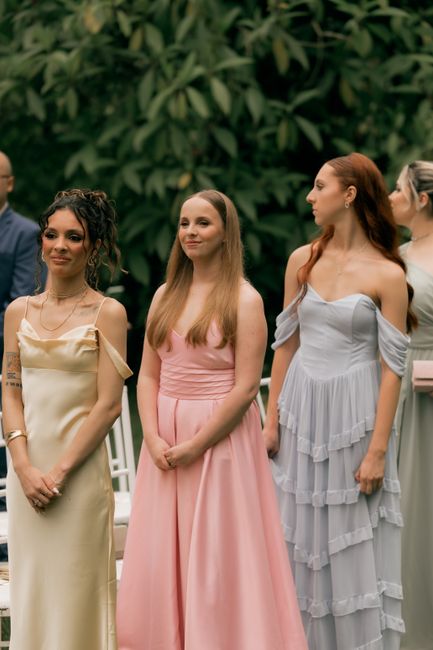
Finding the right wedding guest dress ideas starts with one question: what does the invitation actually ask for? Between "black tie optional," "cocktail attire," and "beach formal," dress codes can feel like a language of their own, and guessing wrong means either standing out for the wrong reasons or spending the whole reception second-guessing your outfit. The good news is that once you understand what each dress code actually means, choosing a dress becomes far less stressful.
This guide walks through wedding guest dress ideas organized by dress code, season, and venue, so whether the couple is hosting a barn wedding in October or a black tie gala downtown, there's a clear starting point. It also covers the shoes, wraps, and bags that pull a look together, along with a few etiquette rules worth knowing before you buy.
Every recommendation here favors versatility and comfort alongside style. A wedding guest dress should photograph well, hold up through hours of standing, dancing, and sitting at a dinner table, and travel easily if the ceremony and reception are in different locations. With a bit of planning, it's possible to find one dress that checks every box.
Most invitations list a dress code in the corner or on the details card, and each phrase carries specific expectations. "Black tie" means floor-length gowns in rich fabrics like silk, satin, or velvet. "Black tie optional" gives a little more flexibility, allowing a shorter formal dress instead of a full gown. "Formal" or "semi-formal" typically calls for a cocktail dress or a simple floor-length option in lighter fabric.
"Cocktail attire" is the most common wedding guest dress code and usually means a knee-length or midi dress in a polished fabric such as satin, crepe, or lace. "Casual" or "festive" leaves more room for sundresses, midi wrap dresses, or jumpsuits, especially for daytime or backyard weddings. "Beach formal" calls for lightweight, flowy fabrics like chiffon or linen blends that won't wilt in humidity or sand.
When a dress code isn't listed at all, the venue and time of day are the best clues. A vineyard wedding at 4 p.m. suggests something more relaxed than a hotel ballroom reception starting at 7 p.m. When in doubt, it's almost always safer to lean slightly more formal than the invitation implies rather than underdress.
Cocktail attire is the default for a huge share of weddings, which makes it worth having a reliable go-to. The sweet spot is a knee-length to tea-length dress in a structured or semi-structured fabric: think fit-and-flare silhouettes, wrap dresses, or a sheath dress with a bit of movement in the skirt. Solid jewel tones like emerald, sapphire, and burgundy photograph beautifully and work across most seasons, while champagne and dusty rose read a touch more romantic for spring and summer events.
A flowy floral maxi is a reliable middle ground for guests who want something a little more forgiving than a fitted cocktail dress but still dressy enough for an evening reception. The GRACE KARIN Floral Wedding Guest Dress is a flowy A-line style with a square neckline and pockets that works well for cocktail-attire weddings from spring through early fall, and it's under $50, which makes it easy to justify for a single-wear event.
Avoid anything overly casual, like jersey knit sundresses or anything with a hemline shorter than mid-thigh, since cocktail attire still implies a level of polish. A structured clutch and mid-height heel round out the look without overpowering it.
Black tie weddings call for full-length gowns, and this is one dress code where guests genuinely cannot overdress. Look for floor-length silhouettes in luxe fabrics: silk charmeuse, crepe, velvet for cooler months, or a beaded or sequined gown for a winter evening event. Solid, saturated colors tend to look more intentional than busy prints at this level of formality, though a subtle metallic or jewel-tone floral can work if the print reads as elegant rather than casual.
"Black tie optional" is more forgiving. A shorter formal dress, such as a fitted midi in satin or a structured cocktail dress with statement jewelry, is entirely appropriate and saves guests from buying a gown they may only wear once. The key indicator is fabric and fit: even a knee-length dress reads as formal when it's made from satin or crepe rather than cotton or jersey.
For destination or resort-style formal weddings, a column gown in a lightweight fabric like chiffon over a slip lining offers the elegance of black tie without the heaviness of velvet or heavy beading, which matters when the reception is outdoors or in a warm climate. Neutral tones like ivory (avoided, since that's reserved for the bride), champagne, or soft gray work well here, alongside deeper jewel tones for evening events.
Whatever the formality level, floor-length dresses should be hemmed to the correct shoe height before the wedding. A gown that drags on the floor is one of the most common formalwear mistakes, and it's an easy fix with a week's notice from a tailor.
Casual and festive dress codes are the most flexible, which can actually make them harder to shop for. A midi-length sundress, a wrap dress, or a fit-and-flare dress in a lightweight cotton or linen blend all work well for backyard, brunch, or early-afternoon weddings. Florals, gingham, and soft pastels suit daytime settings, while a solid-color midi dress works for guests who prefer a simpler look.
Jumpsuits have become a popular alternative to dresses for casual weddings, offering the same dressed-up-but-relaxed feel with the practical benefit of pockets and no worrying about wind or hemlines outdoors. A wide-leg jumpsuit in linen or crepe reads just as intentional as a dress for a garden or vineyard wedding.
Comfort matters more at casual events, since these weddings are more likely to include lawn games, extended cocktail hours outdoors, or a longer walk from parking to the ceremony site. Breathable natural fibers and a dress that doesn't require constant adjusting will make the day easier to enjoy. Layering pieces, like a lightweight cardigan or denim jacket, also work better with casual dress codes than they would with cocktail or formal attire, giving guests flexibility as the temperature shifts from afternoon ceremony to evening reception.
Fabric choice matters as much as silhouette when matching a dress to the season. For spring and summer weddings, look for breathable materials like cotton, linen, chiffon, and lightweight crepe in florals, pastels, or bright solids. These fabrics hold up well outdoors and won't cling in humidity. For an outdoor ceremony in direct sun, a dress with some structure in the bodice will photograph better than a fully sheer or flowy fabric that can look washed out in bright light.
Fall and winter weddings call for richer colors and heavier fabrics: burgundy, forest green, navy, and plum in velvet, wool blends, or heavier crepe. A long-sleeve dress or one with a defined waist works well when a coat will come off indoors. For outdoor fall or winter ceremonies, a warm wrap is essential rather than optional. The Cindy & Wendy Pashmina Shawl comes in dozens of colors, layers easily over sleeveless or strapless dresses, and folds small enough to carry in a bag until the temperature drops.
Transitional-season weddings, especially those with an outdoor ceremony and indoor reception, benefit from a dress that works with easily removable layers rather than one that's only right for a single temperature. A sleeveless dress with a shawl or blazer on hand covers both settings without requiring a full outfit change.
The right shoes and bag can make or break a wedding guest outfit, especially for outdoor ceremonies on grass or gravel. A block heel offers the height and polish of a stiletto with far more stability, which matters for standing through a ceremony and dancing later without needing a shoe change. The DREAM PAIRS Chunky Block Heel Sandals come in a range of colors and neutral finishes that pair with cocktail and formal dresses alike, and the adjustable ankle strap keeps them secure for a full night on the dance floor.
For a bag, skip anything larger than a clutch or small crossbody; wedding guest attire looks more polished without a bulky tote in every photo. The BABEYOND Pleated Satin Clutch is compact enough to hold a phone, lipstick, and cash for the bar, and the pleated satin finish dresses up even a simpler cocktail dress.
Jewelry should scale with the dress. A simple, patterned dress needs minimal jewelry, while a solid-color gown can carry statement earrings or a bold cuff. As a general rule, pick one focal point, either the dress, the jewelry, or the bag, rather than layering multiple statement pieces at once.
A few etiquette rules apply no matter the dress code. White, ivory, and champagne are off-limits for guests, since those colors are reserved for the bride, even at casual weddings where the rule feels less strict. All-black outfits are generally fine at modern weddings, though it's worth checking the invitation or asking the couple directly if the wedding has any cultural or religious guidelines that treat black differently.
Guests should also avoid anything that could be mistaken for a bridal party look, such as a dress in the exact shade the bridesmaids are wearing, and steer clear of overly revealing cuts for religious ceremony venues, which often have their own modesty expectations regardless of the reception's dress code. When a wedding is held at a place of worship, it's worth confirming shoulder coverage or hemline requirements ahead of time.
Finally, comfort should factor into the etiquette conversation as much as appearance. A dress that requires constant adjusting, shoes that can't handle a grass ceremony site, or a fabric that wrinkles irreversibly after sitting in a car for an hour will affect how the day feels far more than any subtle style misstep.
Wedding guest dresses don't need to be expensive, especially since most are worn once or twice a year. Setting a budget before browsing helps narrow choices quickly; dresses in the $40–$80 range from mainstream retailers are often just as photo-ready as pricier options, particularly in solid colors or classic silhouettes that don't rely on trend-driven details.
Buying dresses in versatile colors and cuts also stretches a wardrobe further. A midi wrap dress in a deep jewel tone can go from a spring cocktail-attire wedding to a fall semi-formal one with a simple change of shoes and jewelry. Renting is another option worth considering for black tie events, where a floor-length gown might otherwise sit unused in a closet after a single wear.
Ordering at least two to three weeks ahead of the wedding date leaves room for alterations and gives enough time to return or exchange a dress that doesn't fit as expected once it arrives. Reading recent reviews for sizing notes, since cut and fit can vary significantly between brands, will also help avoid a last-minute scramble the week of the wedding.
Yes, as long as the invitation says "formal" or "black tie optional" rather than strictly "black tie." A knee-length or midi dress in a polished fabric like satin or crepe, paired with dressier jewelry and heels, reads formal enough for most semi-formal or formal wedding guest dress codes. Strictly black tie weddings typically expect floor-length gowns.
White, ivory, and champagne are reserved for the bride and should be avoided at any wedding, formal or casual. Beyond that, most colors are acceptable, though it's courteous to avoid wearing the exact shade of the bridesmaid dresses if that color is known ahead of time.
Yes, black is widely accepted at modern weddings, especially for evening or formal events. It's worth checking with the couple only if the wedding follows specific cultural or religious traditions where black carries a different meaning.
Lightweight, breathable fabrics like chiffon, linen blends, or cotton work best for outdoor and beach weddings. Choose flat sandals or wedges instead of stiletto heels, which sink into grass and sand, and bring a light wrap for after sunset if the ceremony runs into the evening.
When no dress code is listed, use the venue, time of day, and invitation style as a guide. A formal invitation suite and an evening reception at a hotel or event space suggest cocktail attire or better, while a casual paper invite and a daytime backyard setting suggest a more relaxed sundress or midi dress is appropriate.
Yes, and it's common practice. Choosing a versatile silhouette and color, then changing shoes, jewelry, or a wrap between events, makes it easy to rewear a dress without guests noticing the repeat, especially if the weddings are months apart.