Wedding Disposable Camera Ideas: 12 Ways to Use Them


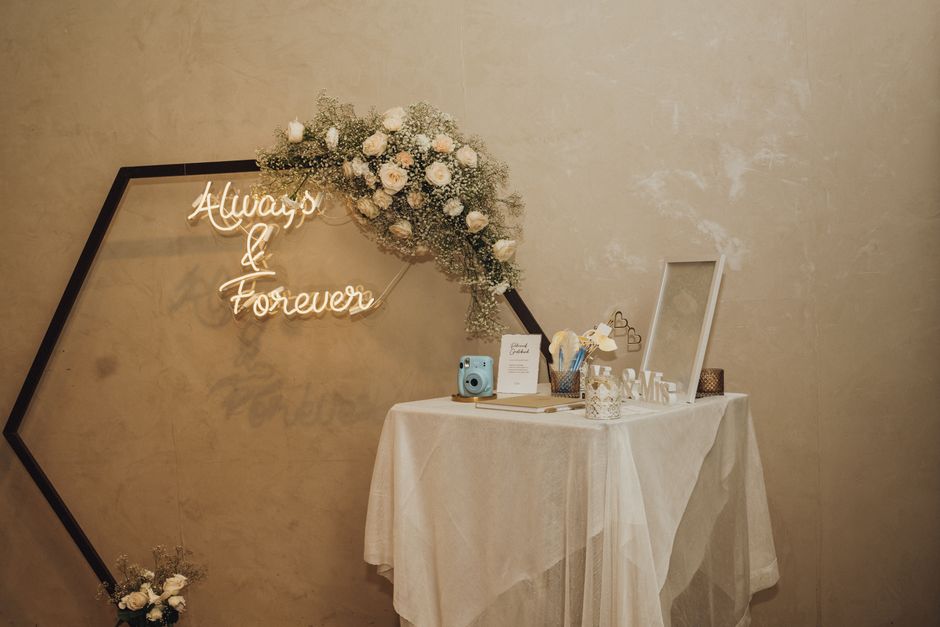
Wedding disposable camera ideas have moved from a nostalgic extra to a regular part of reception planning. Couples who hire a photographer still want the candid, slightly chaotic shots that only guests capture: the grandfather mid-dance move, the flower girl asleep under a table, the bridesmaids laughing at something no one else heard. A single-use camera on each table collects those moments with almost no effort from you.
The appeal is also practical. Guests are not tied to their phones, which keeps the dance floor and the toasts a little more present. The film look, with its warm grain and flash-lit faces, gives the pictures a texture that phone photos rarely match. And because no one sees the results until the film is developed, opening the envelope of prints a few weeks later feels like a second wedding day.
There are still decisions to make, though. You need to know how many cameras to order, where to put them, what to tell guests, and how to get the film developed afterward. A camera left in a bag or forgotten at a table is a wasted purchase, so a little planning pays off.
This guide covers twelve ways to use disposable cameras at your wedding, from simple table setups to a full photo scavenger hunt, plus quantities, signage, photo tips, and the developing step most couples forget until the last minute.
Why Disposable Cameras Still Work at Weddings
Guests take better candid photos than you might expect when they are given a simple, fun task. A disposable camera is easy to understand: wind the wheel, press the button, repeat. There are no settings, no screens, and no filters. Older relatives who feel awkward with phones often enjoy having something simple to hold, and younger guests treat the camera as a novelty.
Another benefit is variety. A professional photographer covers the ceremony, the portraits, and the major moments. Guests, on the other hand, are scattered across the room and see things at different angles. They photograph the back tables, the kids, the cocktail hour conversations, and the late-night snacks. These images fill in the story your professional gallery leaves out.
Film also forces a small pause. Each shot is limited, usually around 27 exposures, so guests tend to choose their moments instead of snapping fifty near-identical pictures. That limit is part of the charm, and it keeps the final batch manageable for you to sort and share.
Finally, disposable cameras double as décor and favors. A neat stack of cameras in a basket or a camera at each place setting looks intentional, and guests can see right away what the camera is for. Pair them with a small sign and you have an activity that requires no host, no schedule, and no extra staffing.
How Many Disposable Cameras to Order
A good starting point is one camera per table, which for a 120-guest reception with ten-person tables means about twelve cameras. Add two or three extras for the bridal party, the kids' table, and the cocktail hour area. If you have a guest list under 60, six to eight cameras is usually enough.
Think about your crowd. A younger, social group will fill a camera quickly, so you may want two per table. A more formal or older group may use a single camera across the whole evening. If you are hosting a destination wedding or a small gathering, you can hand each guest a camera instead, which gives everyone a keepsake and spreads the photo-taking more evenly.
Remember that each camera has a fixed number of shots. If you want coverage from the ceremony to the last dance, hand out cameras at the start of cocktail hour rather than leaving them for dinner only. A camera put out at 5 p.m. will often be full by 9 p.m., so consider holding a second batch to swap in later, particularly for large receptions.
Order a few more than you think you need. Cameras get left in cars, misplaced, or taken home by guests who forget to return them. Extras cost little and cover the gaps. If you are buying in bulk, a multi-pack is usually the most economical route.
Table Setups That Get Cameras Used
The most reliable setup is a camera at every table, placed where guests will see it when they sit down. A camera sitting on a plate or tucked beside a centerpiece gets noticed. A camera hidden inside a bag or box usually does not.
Try a few ideas. First, set one camera at the center of each table with a small tent card explaining what to do. Second, place cameras in a basket near the entrance with a sign inviting guests to take one to their seat. Third, attach a camera to the back of a chair with ribbon so it is visible but not in the way. Fourth, use the table number or name card as a base, so the camera looks like part of the setting.
For a coordinated look, wrap each camera in a paper band that matches your colors, or tie it with ribbon in the same shade as your napkins. If you are already working on table décor, our wedding photo booth backdrop ideas show how a styled corner can encourage guests to use the cameras there too.
For a ready-made option, the 21Supply 10 Pack Disposable Camera for Weddings is a multi-pack of 35mm single-use cameras aimed at wedding tables, which makes it simple to cover a mid-size reception in one order. Check the listing for the film speed and exposure count before ordering, since those details vary between brands and packs.
Signs, Cards, and Photo Prompts
A camera with no explanation often sits untouched. A small sign or card removes the guesswork and turns the camera into an invitation. Keep the wording short and friendly, something like "Capture the night: snap a photo, pass it on" or "Our photographer can't be everywhere, so we need you."
Add a few prompts to inspire shots. A card can list three or four ideas: the best dance move, someone you just met, the dessert table, a selfie with the couple's grandparents. Prompts give shy guests a reason to start and often produce funnier results than open-ended instructions.
Be clear about the return. Tell guests to leave the camera on the table or drop it in a box near the exit when it is full. If you do not say so, cameras vanish into purses. A labeled box at the door, with a sign such as "Cameras go here," keeps everything in one place and saves you from tracking them down the next day.
You can also set a photo scavenger hunt. Print a short list on a card, perhaps ten items such as "the oldest guest," "someone dancing," or "a toast in progress," and let each table work through it. A prize for the most creative set of photos, awarded after developing, keeps the game going beyond the reception.
Keep signs consistent with your other reception signage. If your welcome sign uses a certain font or color palette, use the same on the camera cards so the display looks cohesive rather than improvised.
Choosing Between Single-Use Camera Brands
Not all single-use cameras are the same. The main differences are film speed, flash, exposure count, and packaging. For indoor receptions, choose a camera with a built-in flash and fast film, usually ISO 800, so photos are bright without needing extra light. Cameras with ISO 400 film do well outdoors or in daylight but can look dark and grainy at night.
Exposure counts range from 24 to 39 shots, with 27 the most common. A higher count means more photos per camera, but it also means more developing cost. If you have many cameras, a lower count keeps costs in check.
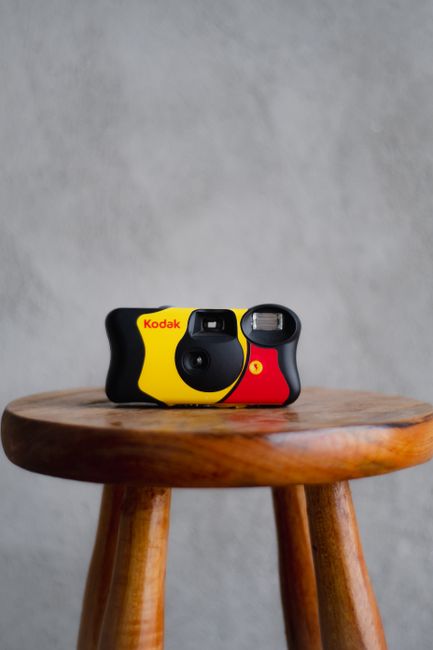
Brand names matter a little for reliability. The classic Kodak FunSaver 35mm Single Use Camera is the familiar choice, with a built-in flash and simple wind-and-shoot design, and it is easy to find in a variety of pack sizes. Wedding-specific multi-packs, often with decorative wrapping, add a design touch, though the camera inside is typically similar.
Check the date on the packaging when you buy. Film degrades over time, so choose cameras with an expiry date well after your wedding. Store them somewhere cool and dry until the event, away from heat and direct sunlight, which can fog film and flatten colors.
Instant Cameras as a Guest Book Alternative
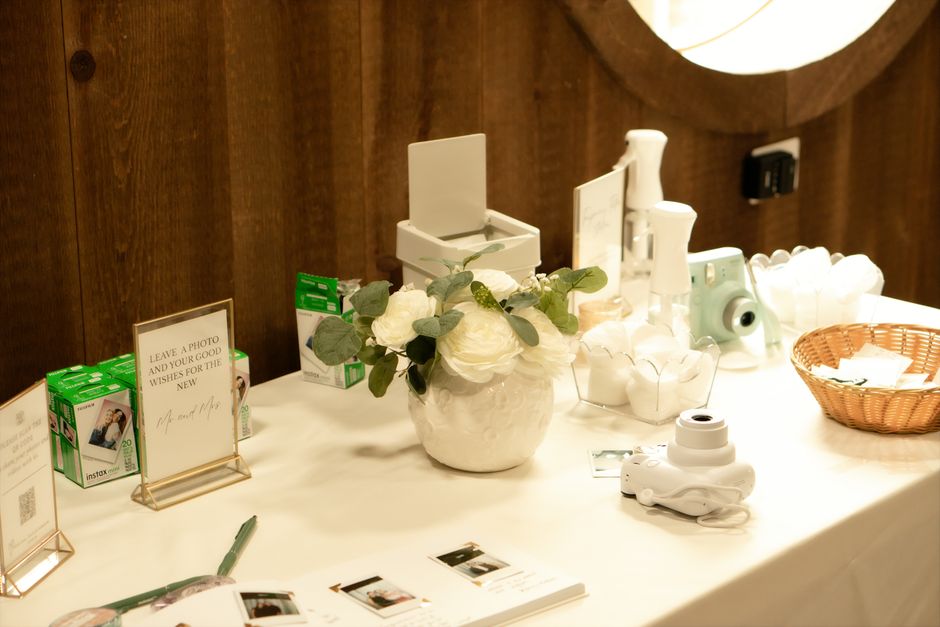
If you want guests to see their photos right away, an instant camera is the natural step up. A station with an instant camera, a stack of film, and a guest book or poster board lets each guest take a photo, tape it in, and write a note beside it. It doubles as a guest book and a photo activity, and the finished book is a keepsake you can display afterward. Our list of wedding guest book alternatives has more ways to collect messages and photos together.
The Fujifilm Instax Mini 12 Instant Film Camera is a popular, beginner-friendly choice that comes in several pastel colors and prints credit-card-sized photos. Instax cameras use their own film, so you will also need to buy film separately, and it is worth planning for more than you think you need since each shot uses one sheet.
Film is the main ongoing cost, and the Fujifilm Instax Mini Instant Film is the compatible option for Mini cameras. Buy at least two or three packs for a guest-book station, and keep a spare pack in case the station is busier than expected. Because each pack holds ten sheets, a 100-guest reception can go through film quickly.
Set the station near a well-lit area with a clean backdrop, and put a card beside the camera explaining how to use it. Point out the shutter button and the flash, and remind guests to hold the print flat as it develops. An attendant, such as a friend or a bridal party member, can keep the station tidy and help anyone who is unsure.
Tips for Better Guest Photos
Guests will take better pictures with a few simple instructions printed on the camera card. The most important: stay within about ten feet of your subject so the flash reaches, and keep your fingers away from the lens and flash. Flash on a disposable camera does not recharge instantly, so wait for the light or the ready indicator before pressing the button again.
Encourage guests to take pictures in well-lit areas. A dim corner may look charming in person but often turns out dark on film. The dance floor, the cocktail area, and the tables near the lights give the best results. Outdoor shots in the late afternoon have warm, flattering light, so hand out cameras during cocktail hour if the setting allows it.
Remind guests to wind the wheel after each shot. Many missed photos come from a forgotten wind, and a short reminder on the card avoids it. Tell them also not to open the back of the camera, which exposes the film and ruins every picture on it.
Do not worry about perfection. The best disposable-camera pictures are often slightly off-center, a little blurry, and full of life. If you treat them as a bonus layer on top of your professional gallery, you will enjoy them for what they are.
Developing and Sharing the Film
The step most couples forget is developing. Single-use cameras contain film that must be processed before you see a single image, and the sooner you do it, the better the results. Plan to collect all cameras at the end of the night, assign someone to bring them home, and send them for developing within a few weeks.
Options include local photo labs, drugstore photo counters, and mail-in services. Mail-in labs usually offer digital scans, which makes sharing easy. Request both prints and a digital download if you can, so you can post an album online and give a few prints to your parents. Costs vary by lab, so get a quote before sending a big batch.
Label each camera by table or location before you send it. That way, you can tell who took which photos and share them with the right group. Keep the cameras in a cool, dry place until they go to the lab, and avoid leaving them in a hot car, since heat can damage film.
Once you receive the scans, create a shared online album and invite guests to view it. A handwritten thank-you note with a favorite print is a thoughtful touch. If you are planning a keepsake, the prints can go straight into a book; our wedding photo album ideas cover options for displaying them.
Wedding Disposable Camera FAQ
- How many disposable cameras do I need for a wedding?
Plan on one per table, plus two or three extras for the bridal party and cocktail hour. For a 120-guest reception with ten tables, order about fourteen. If your guests are very social, consider two per table so no one runs out of shots before the dance floor opens.
- Are disposable cameras good for indoor receptions?
Yes, as long as they have a built-in flash and fast film. Look for ISO 800 for evening events, since ISO 400 film can look dark indoors. Remind guests to stay within about ten feet of their subject for the flash to reach, and to wait for the flash to recharge between shots.
- How do I get guests to actually use the cameras?
Place cameras where guests will see them, add a short sign explaining what to do, and include a few photo prompts. A simple scavenger hunt card also helps. Most guests will use a camera if it is visible, easy to understand, and clearly part of the event.
- How much does it cost to develop disposable cameras?
Developing costs vary by lab and by whether you want prints, digital scans, or both. Many labs charge per roll, so a batch of fifteen cameras can add up. Get quotes from a local lab and a mail-in service before the wedding so the cost is in your budget.
- What happens if guests take cameras home?
It is common, and usually fine, as long as you have a way to collect the film. Put a labeled return box near the exit and mention it in your sign. You can also ask guests to give the camera to the host before leaving. A few missing cameras are normal, so order extras.
- Can I use instant cameras instead of disposable ones?
Yes. Instant cameras give guests a print immediately, and a guest book station is a popular use. The tradeoff is cost, since each photo uses a sheet of film. Many couples do both, with disposable cameras on the tables and one instant camera at a dedicated station.