Wedding Handfasting Cord Ideas: Colors, Knots and Meaning


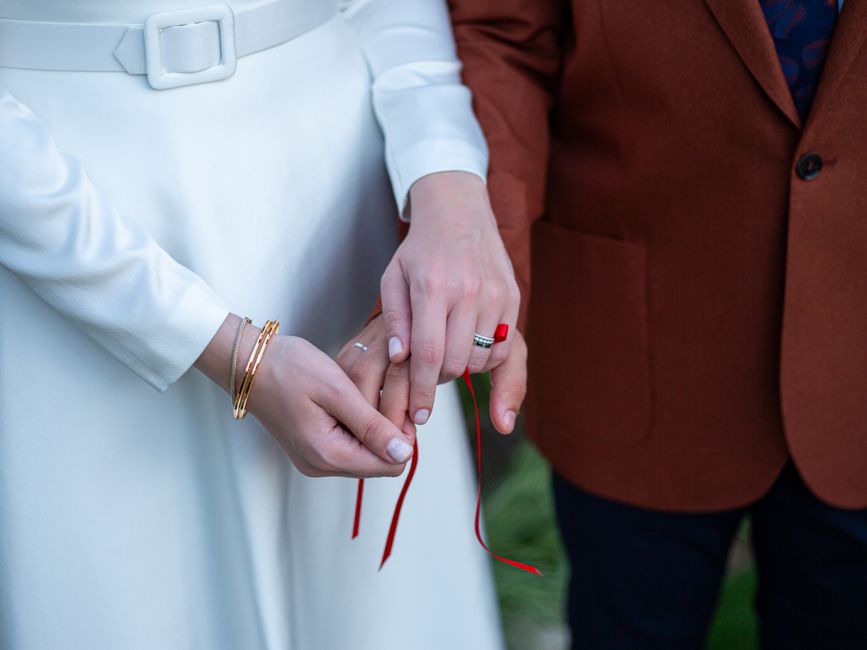
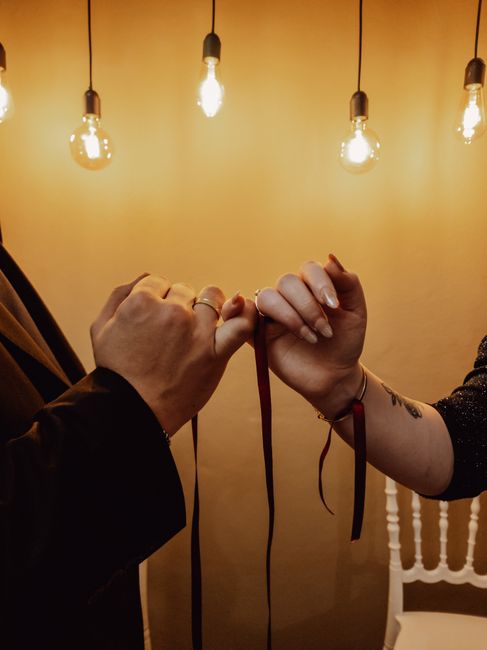
Few ceremony rituals photograph as well as a handfasting. Two hands clasped, a cord looped across the wrists, and an officiant speaking while the knot is drawn: it is a quiet, tactile moment that guests remember long after the readings blur together. If you are collecting wedding handfasting cord ideas, the good news is that the options have grown well beyond a single length of rope, with braided Celtic designs, palette-matched ribbons, charm-adorned cords, and multi-strand sets that let family members take part.
The tradition is old, and the phrase "tying the knot" is often traced back to it. Today it works for almost any couple, whether your ceremony is religious, civil, or entirely secular, because the ritual belongs to you rather than to a single faith. The cord becomes a keepsake afterward, which is a large part of why couples choose it over a purely verbal gesture.
Choosing a cord is mostly a matter of three decisions: what the colors should mean, how long and thick the cord needs to be, and whether you want the cord to be the star of the moment or a subtle detail. A cord that is too short will not wrap two wrists comfortably, and one that is too thin disappears in photos. This guide walks through each choice and points you to cords worth buying, with practical notes on length, care, and how the moment fits into the ceremony timeline.
What a handfasting is and how it fits your ceremony
A handfasting is a ritual in which the couple's joined hands are wrapped with one or more cords while the officiant speaks, and a final knot seals the binding. Historically it comes from Celtic and wider European customs, where it could mark a betrothal or a year-and-a-day commitment. Modern couples borrow the gesture without the legal weight, since your marriage is made official by the license and the vows rather than the cord.
Placement matters. Most couples do the handfasting right after the vows and before the ring exchange, or in place of a more familiar unity ritual. If you are comparing options, our guide to wedding unity ceremony ideas lays out how sand, candles, and cords compare, and it is worth reading before you commit.
The ritual usually takes two to four minutes, depending on how many wraps there are. A single wrap with one knot is quick and clean. A longer version has the officiant pause at each wrap to name a promise, such as patience, humor, or honesty, which turns the moment into a second set of vows. Plan on a script that is short enough that your arms are not held out for long, and ask your officiant to rehearse the wording with you ahead of time.
Choosing handfasting cord colors and what they mean
Color is where handfasting gets personal. Traditional associations vary by source, so treat them as a starting point rather than a rulebook. White or ivory commonly stands for purity and new beginnings, gold for prosperity and joy, red for passion, green for growth and fertility, blue for loyalty and calm, and purple for devotion and wisdom. Some couples choose colors tied to their own story, such as a school color or the shade of a place they met.
A practical rule is to limit yourself to two or three colors so the cord reads as intentional rather than busy. One neutral base, one accent that matches your florals, and one metallic thread is a balanced formula. If your palette is muted, an ivory cord with a single colored strand looks refined, while a bold palette can handle a cord that is entirely one rich shade.
Think about contrast with your outfits too. A white dress and a light cord can disappear in photographs, so many couples choose a cord with a darker or metallic accent that stays visible against the fabric. Hold the cord against your sleeve cuffs and bouquet stems before buying, ideally in daylight, since artificial light can shift how greens and blues read.
Finally, decide whether each color gets a spoken meaning. Naming them aloud gives the officiant natural pauses and gives guests something to hold onto while the knot is tied.
Classic Celtic braided cords for a traditional look
If you want the version most guests picture when they hear "handfasting," a braided Celtic-pattern cord in gold or ivory is the dependable choice. The woven texture catches light, drapes smoothly over the wrists, and holds a knot without slipping. It also suits almost any venue, from a barn to a garden to a chapel.
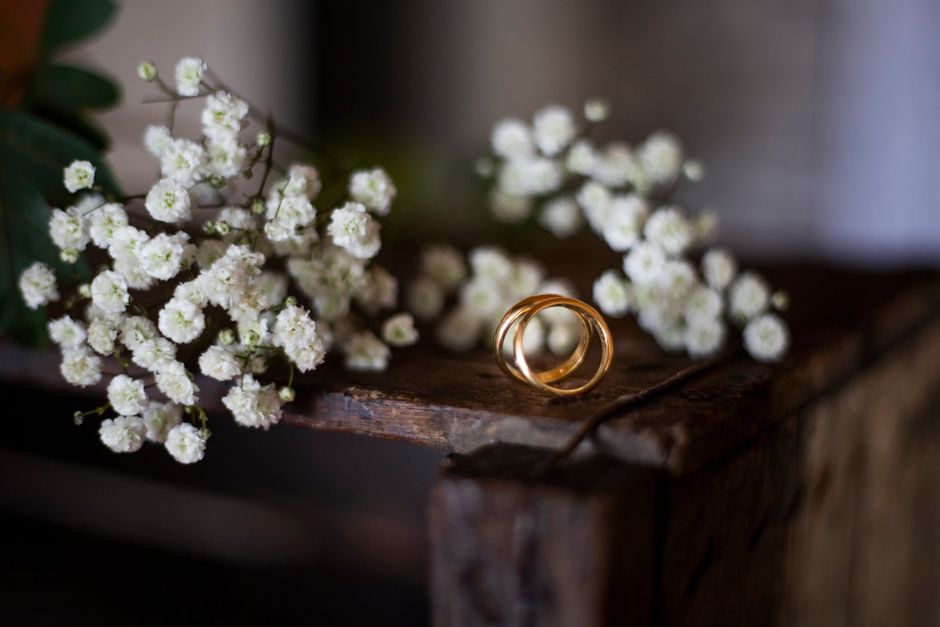
A well-reviewed option is the LIKEYO Gold Handfasting Cord with Traditional Celtic Pattern, which typically sells for somewhere around $10 to $20. It is a good starting point for couples who want an uncomplicated, elegant cord without paying handmade prices, and the gold tone works with ivory, blush, forest green, and navy palettes alike.
When you receive any cord, unwrap it a few days early and wrap it loosely around a friend's joined hands to test the length. Most ceremonies need at least four to six feet to allow for several wraps and a comfortable knot, and more if you plan multiple passes. Steam out any packaging creases on low heat, holding the iron or steamer a few inches away, because a creased cord will look flat in close-up photographs.
Ask your photographer to capture a detail shot of the finished knot against your hands, then another of the cord laid beside your rings. Those two frames are easy to get and tend to become favorites in the album.
Cords with built-in meaning: Celtic knots and crosses
Some couples want the cord itself to carry symbolism, so they choose designs with woven motifs such as Celtic knots, hearts, trees of life, or crosses. These are especially popular for ceremonies with a spiritual element, because the pattern gives the officiant something to reference while speaking. A heart knot suggests love without end, a tree of life suggests rooted growth, and a cross can nod to a faith tradition without making the whole ceremony religious.
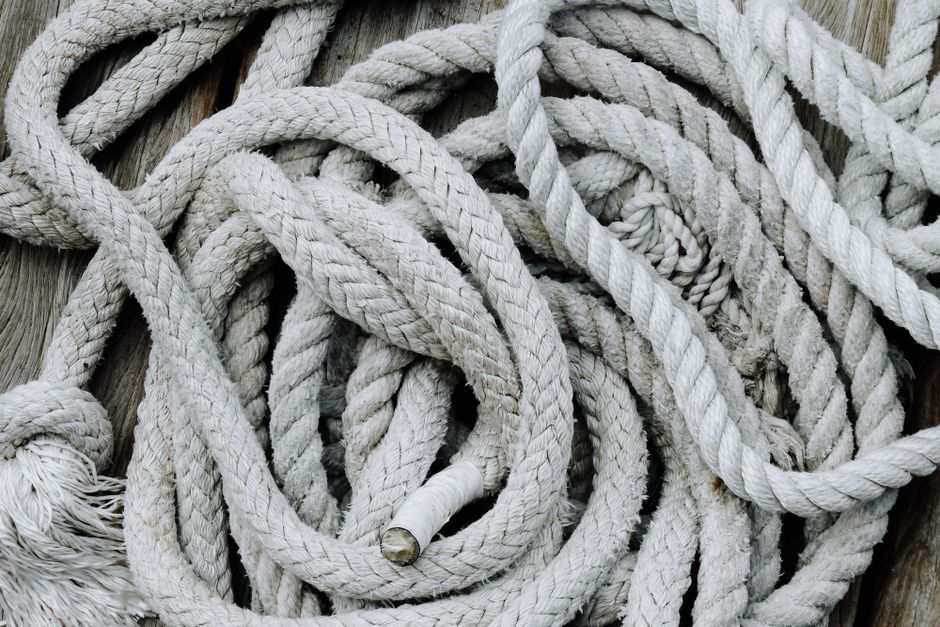
The Divinity Braid Ivory Celtic Gold Cross Wedding Handfasting Cord is a handmade-style option in that category, and prices for cords like it generally land between about $25 and $45. The ivory-and-gold coloring is neutral enough to work with a wide range of wedding palettes, and the cross detail gives a faith-friendly couple a subtle way to include it.
If you are working with an officiant, share the cord's design early so they can build a line or two of the script around the motif. It takes the ritual from a purely visual gesture to a spoken one, and it makes the cord feel chosen rather than purchased.
A cord with a detailed knot is also the easiest to display afterward. You can frame it in a shadow box with a copy of your vows, a program, and a pressed flower from the bouquet, which makes a keepsake that looks intentional on a wall instead of coiled in a drawer.
Palette-matched cords that echo your wedding colors
A cord does not have to look traditional to feel meaningful. Many couples now choose one in the exact shades of their wedding palette, so the ritual reads as part of the overall design. Navy and marsala, sage and cream, or dusty blue and blush all translate well into braided or woven cords, and the colors will echo your bouquets, ribbons, and bridesmaid dresses.
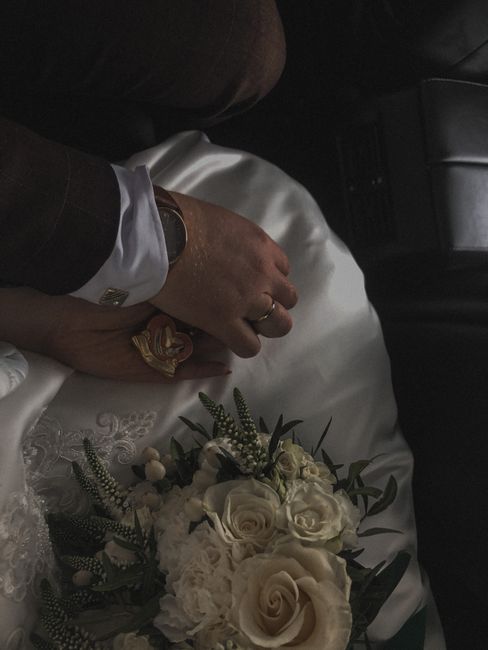
For a jewel-toned palette, the Navy, Marsala, Gold and Ivory Handfasting Cord Ceremony Braid from BraidedTogether is a six-foot braid with a Celtic knot pattern, and cords of this style usually cost around $20 to $40. Six feet is a comfortable length for several wraps, and the mix of deep colors holds up well against both light and dark outfits.
Before ordering, compare the listed colors against your fabric swatches and florist samples. Online photos can look more saturated than the real thing, and a navy that appears rich on a screen may read closer to black indoors. Many sellers offer custom color combinations if no stock option matches, but allow extra lead time, since handmade cords can take several weeks to ship.
If you are planning a winter or autumn ceremony, a deeper palette like this tends to look especially strong against wool coats and candlelight. For spring and summer, lighter blends of ivory, sage, and blush photograph more softly. Whichever direction you choose, keep the final cord within one shade family of your bouquet so the two pieces look related in the same frame.
Multi-cord sets that let family and friends take part
One of the most moving versions of handfasting involves more than the two of you. A multi-cord set gives each strand to a different person, such as parents, siblings, children from a previous relationship, or close friends. As each person steps forward to drape their cord, they offer a wish or a single word of blessing, and the couple's hands end up bound with the support of everyone who matters.
For blended families this is especially valuable, because it gives children a visible role instead of a seat in the front row. A child holding a single colored strand has a defined job, and the colors can be assigned to each family member in advance so the finished bundle looks deliberate.
The 6 Cord 3ft Nature Theme Handfasting Cord Set with Celtic Tree of Life fits this idea well, with separate strands in earthy tones that guests can hold or place in turn. Sets like this commonly cost in the range of $30 to $55. Because each strand is only about three feet long, it works best as a layered gesture rather than a single long wrap, so confirm that plan with your officiant.
Brief the participants at the rehearsal, ideally at your rehearsal dinner or the walkthrough before it, so nobody is improvising their words in front of a crowd. Short lines of one sentence each keep the ceremony moving and avoid the stumble of someone freezing mid-thought.
How to tie the knot: rehearsing the handfasting
The logistics are simpler than they look, but a rehearsal makes the difference between a graceful moment and a fumble. Start with the couple facing each other, right hand to right hand and left hand to left hand, forming an infinity shape if both hands are used. The officiant drapes the cord across the wrists, and then wraps it once for each promise or blessing in the script.
To finish, the officiant makes a loose overhand knot over the top of the wrapped wrists. The couple then gently pulls their hands free, leaving the knot intact so the cord can be lifted off and kept. This is the single most important thing to practice, because a knot pulled too tight will not slide off, and an overly loose one will fall apart before it is held up for guests.
Practice with your actual cord at home, not a shoelace, since fabric weight and texture change how it behaves. Keep the wrapping loose enough that no one's circulation is affected, especially in warm weather when hands swell slightly.
Afterward, the officiant should hand the cord to your photographer's line of sight or to a designated friend for safekeeping during the rest of the ceremony. To plan the surrounding rituals, our wedding vow books guide covers how to present your vows so the cord moment flows naturally from them. Store the finished knot in tissue paper in a dry place, away from direct sunlight, so the colors do not fade before you display it.
Wedding Handfasting Cord FAQ
- What does a handfasting cord symbolize?
A handfasting cord symbolizes the joining of two lives, with the wrapped hands representing partnership and the knot representing commitment. Each color and strand can carry its own meaning, such as loyalty, passion, or prosperity, which the officiant names during the ritual. The legal marriage still comes from the license and vows, so the cord is a symbolic addition rather than a legal act.
- How long should a handfasting cord be?
Most couples need a cord between four and six feet long for comfortable wrapping and a secure knot. A longer cord, up to nine or ten feet, allows more wraps for a longer script. If you are using several shorter strands from a set, plan for each to be draped in turn instead of wrapped repeatedly. Test the length at home with a friend before the ceremony.
- Can we keep the cord after the ceremony?
Yes, and keeping it is part of the appeal. When the knot is made correctly, you can slide your hands free and lift the knotted cord off in one piece. Store it flat or loosely coiled in tissue, or mount it in a shadow box with your invitation and a photograph, so it remains a visible memory of the day.
- Do we need an officiant to perform a handfasting?
An officiant makes the ritual smoother because they can speak the words and handle the cord while your hands stay still. That said, a friend or family member can lead the handfasting as part of a ceremony another officiant is conducting. Whoever does it should rehearse the wraps and the knot at least once beforehand.
- Is a handfasting only for Celtic or pagan weddings?
No. The ritual has Celtic roots, but many couples now use it in secular, interfaith, and even religious ceremonies, often with a Celtic knot cord that suits the style. If your faith community has guidelines about added rituals, check with your clergy first. Otherwise it can be adapted to fit nearly any wedding.
- When during the ceremony should the handfasting happen?
The most common spot is right after the vows and before the ring exchange. Some couples place it after the rings, as a final unifying gesture before the kiss. Either works, so choose the position that gives the cleanest pacing and the best light for photographs.