Wedding Shawl Ideas for Brides, Bridesmaids and Guests


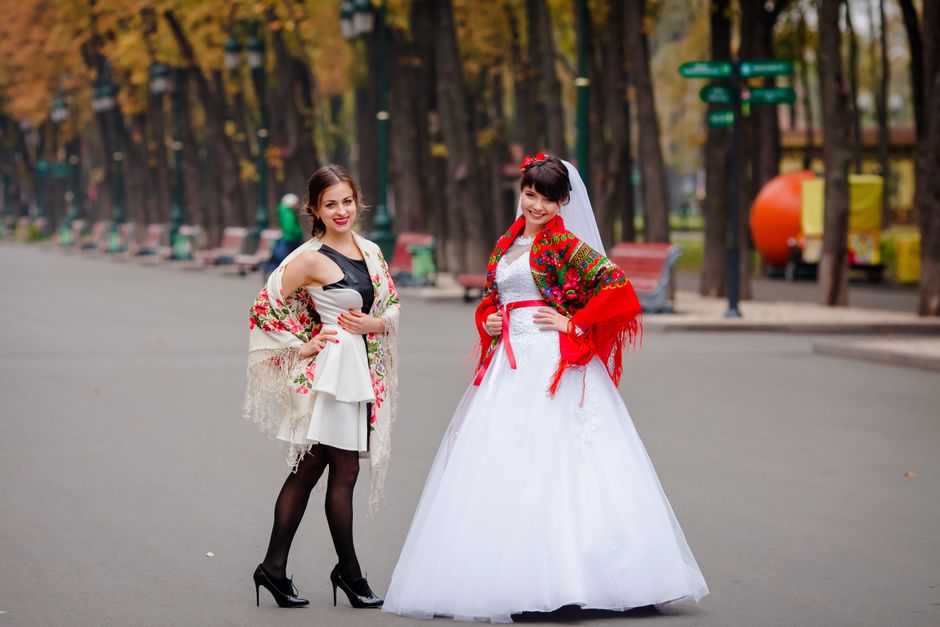
A good wrap solves a problem most couples do not plan for until the week of the wedding: the temperature drops, the sleeves are missing, and the photographer wants everyone outside at sunset. These wedding shawl ideas cover the options that actually work over a formal dress, from a light pashmina for a summer garden to a faux fur stole for a December ceremony. A shawl is also one of the few accessories that can be worn again, so it earns its place in the budget.
The choice is bigger than it looks. A wrap changes the line of a gown, covers shoulders for a church or temple ceremony, and shows up in nearly every posed photograph. That is why it deserves the same attention as shoes or jewelry. A heavy shawl on a delicate lace dress hides the detail you paid for, while a sheer wrap on a structured gown can look like an afterthought.
Think about who needs one as well. Brides often want a wrap for the ceremony and the first hour of photos. Bridesmaids appreciate a matching shawl in a coordinating color, which also doubles as a gift. Mothers and older relatives tend to be cold first and complain last, so having a few spares in a basket by the door is a small kindness.
Below you will find the main styles, how to match each one to your dress and season, and a few specific products with typical prices so you can compare quickly. Fabric, size, and care notes follow, along with a short FAQ at the end.
Start With Your Dress, Season, and Venue
Before you shop, look at three things: the neckline, the fabric of the dress, and the weather you expect at the actual time of the ceremony. A strapless gown leaves the shoulders and upper back bare, so almost any wrap works. A dress with a high lace back or illusion sleeves needs something that will not crush or snag the detail. If you are unsure, take the dress, or a photo of it, to a store and try a few wraps against it in natural light.
Season sets the weight. Spring and summer weddings call for sheer chiffon, lightweight pashmina, or open lace that adds a layer without trapping heat. Fall weddings suit a mid-weight wrap in a warm tone, and winter weddings need something with real insulation, such as a thick wool blend or faux fur. Evening ceremonies by water or in the mountains are colder than the forecast suggests, so check the overnight low, not just the daytime high.
Venue rules matter too. Many churches, mosques, and temples ask that shoulders be covered during the ceremony, and a wrap you can slip off afterward is easier than a jacket. Outdoor venues add wind, which means a very light scarf can blow around your face. Choose something with a little weight or a way to pin it in place, and bring a few small safety pins in the emergency kit.
Finally, think about the photographs. A wrap in a color close to the dress, whether ivory, champagne, or blush, blends into the picture and keeps the focus on the gown. A contrasting wrap in navy, burgundy, or forest green becomes a feature in its own right and works well on bridesmaids. For ideas on pulling the waistline together, our guide to wedding dress sash ideas shows how a sash and a shawl can complement each other.
Pashmina and Silk Wraps for Every Season
A pashmina-style wrap is the most flexible choice. It is a long rectangle of soft fabric, usually around 70 inches by 27 inches, that can be draped across the elbows, folded over the shoulders, or wrapped around the arms for warmth. It folds small enough to fit in a clutch or a bridesmaid tote, and it comes in dozens of colors, which makes matching a palette easy.
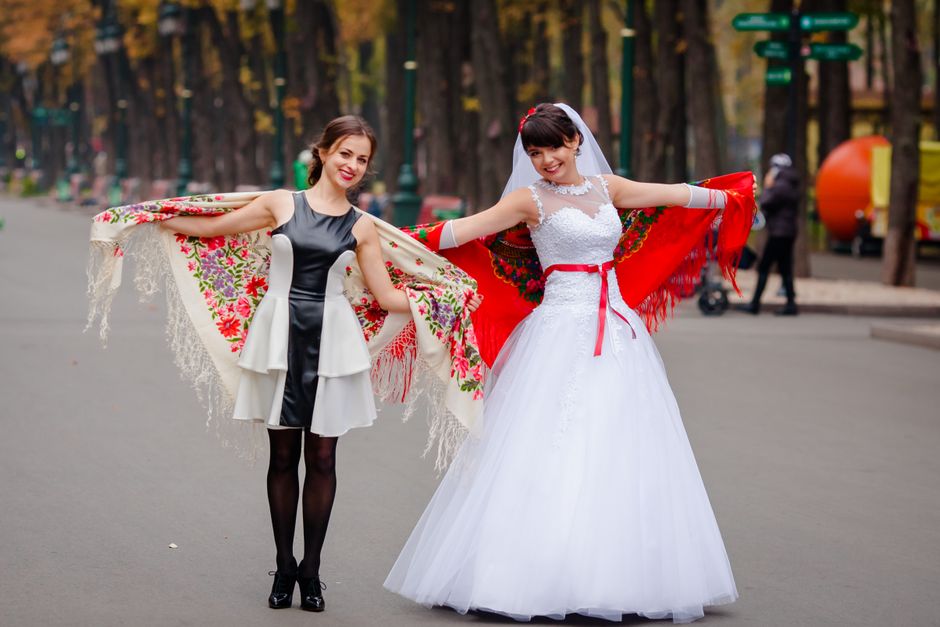
For a single wrap in a wide range of shades, the Cindy & Wendy Pashmina Shawl Wrap is a soft, large option made for evening dresses and bridesmaid use, and it typically sells for around $15 to $25. Because the price is low, many couples order one in each bridesmaid color and keep one in reserve for a guest who gets cold.
If you want a pair, the TwoYek 2 Pack Pashmina Shawls and Wraps gives you two wraps in one order, in combinations like black and camel, for roughly $20 to $30. This works well for a mother of the bride and mother of the groom, or for the bride to wear one at the ceremony and the second at the reception.
Silk and satin wraps are the dressier relatives. They have a smoother surface, a little shine, and a more formal drape, but they offer less warmth. They suit a summer evening reception and pair well with a slip dress. Whichever fabric you choose, steam the wrap before the wedding. Creases from the shipping bag show up clearly in photographs, and a handheld steamer takes about two minutes.
Lace Bolero and Shrug Options
A bolero is a short, fitted jacket that stops at or above the waist. It adds sleeves to a strapless dress without hiding the skirt, and it is the traditional answer when a ceremony requires covered shoulders. Lace versions are especially popular because they echo the detail on many gowns, and they photograph beautifully from behind, where the back of a dress is often the focal point.
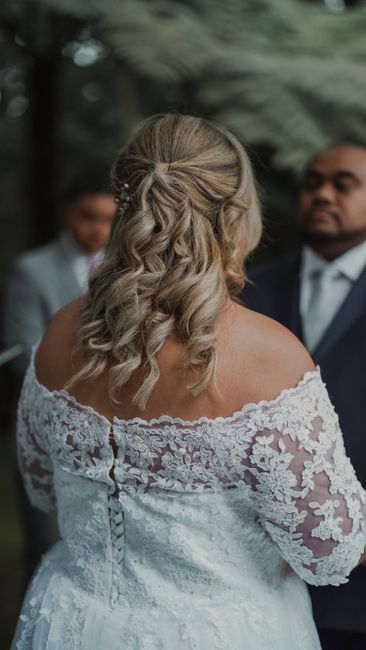
The Allegra K Lace Bolero Shrug is a lightweight cardigan-style shrug with three-quarter sleeves and a stand collar, and it usually costs around $20 to $30. It suits a bridesmaid or a guest as well as a bride on a budget. If you are wearing a gown with a lace bodice, hold the bolero up against it in daylight to check that the pattern and the color tone match, since lace in ivory and lace in white can look very different side by side.
Fit is the main difference between a bolero and a shawl. A shawl forgives a size or two, while a bolero needs to match your shoulders and arm length. Try it on with the dress, lift your arms as you would for a hug, and make sure the hem does not ride up or pull at the zipper. If you plan to wear a veil, pin it on first and then test the bolero, because a high collar can push the veil out of position.
Take care with jewelry. A lace bolero can catch on a bracelet or a delicate necklace chain, so choose smooth pieces and fasten them tightly. Our roundup of bridal jewelry ideas covers styles that work with sleeves and wraps without snagging.
Faux Fur Stoles for Winter Weddings
For a cold-weather wedding, a faux fur stole is both practical and dramatic. It sits across the shoulders, adds real insulation, and gives a formal winter look that a thin scarf cannot. Because modern faux fur is soft and realistic, it is also an easy way to get the vintage movie-star style without the cost or ethical concerns of the real thing.
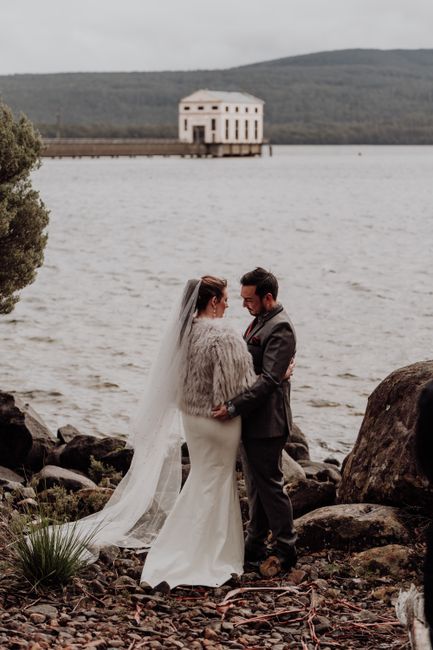
The CanB Women's 1920s Faux Fur Stole is a bridal wrap in a faux mink style designed for brides and bridesmaids, and it generally falls in the $25 to $40 range. It is large enough to cover the shoulders and upper arms, and the clasp keeps it in place when you move around the room. If you want a coordinated group, ordering the same stole in two or three tones gives a layered look in photographs.
Keep a few practical points in mind. Faux fur sheds a little when new, so brush it gently and shake it outdoors before you wear it near a dark outfit. It can also flatten if stored in a tight box, so hang it or lay it flat. If your dress has beading or sequins, test how the fur sits against it, since embellishments can snag the fibers.
Indoor receptions can get warm, which makes a heavy wrap uncomfortable. Plan a spot to put it down, such as the back of your chair or a coat rack held by your coordinator, and let a trusted friend watch it during dinner. For a winter celebration, a cold-weather plan is also worth a quick read of our guide to wedding umbrella ideas, because wet weather and fur do not mix.
Chiffon, Tulle, and Capelet Alternatives
Not everyone wants a traditional shawl. A capelet, a cape, and a sheer shoulder wrap all give the same coverage with a different feel. A capelet sits on the shoulders and stops around the upper arm, often with lace or beading that matches a gown. A cape drapes from the neck to the back of the knee and adds drama to a long train. A sheer chiffon or tulle wrap floats loosely and adds softness without bulk.
These pieces work best when the dress is simple. A plain crepe or satin gown looks polished with a lace capelet, while a heavily beaded dress is better served by a clean, solid wrap. If you plan to change into a second outfit for the reception, a wrap can be the single piece that links both looks, making the transition feel deliberate rather than rushed.
Think about movement. Chiffon is airy but catches the wind, so on an outdoor aisle it may need a small clip or a hidden pin at the front. Tulle holds a shape but can snag on rough surfaces like brick or wood railings. If your ceremony involves stairs, a long cape needs a quick check to make sure it will not catch under your heel.
Mixing and matching helps with a budget as well. Many brides wear one wrap for the ceremony and a different, warmer one for the evening, or lend the ceremony wrap to a bridesmaid afterward. A shared stash of three or four wraps in different weights covers almost any change in weather without a separate purchase for everyone.
Bridesmaid and Guest Shawls as Favors
A shawl can also be a thoughtful gift. Providing a wrap for the bridal party in a coordinated color ties the group together in photographs and covers anyone who forgot a layer. Some couples tuck a folded pashmina into each bridesmaid's getting-ready gift. Our list of bridal hair accessories ideas offers pieces that match a matching-wrap theme, so the whole group looks put together.
For guests, a basket of simple wraps near the door of an outdoor reception is a generous touch. Buy neutral colors such as ivory, gray, or charcoal, so they fit any outfit, and display them in a basket with a small sign. At the end of the night, guests often take them home, so count on losing a few and budget accordingly.
For bridesmaids, personalize where you can. A monogram on a corner or a small tag with a handwritten note turns an inexpensive wrap into a keepsake. Ordering a few weeks early leaves time for returns if a shade photographs differently than expected. If you are ordering online, ask for a color swatch or compare the product photo against your bridesmaid dress in daylight.
Care, Storage, and Final Tips
Check the care label before the wedding, not after a spill. Pashmina and silk wraps usually need dry cleaning or gentle hand washing, while many synthetic blends can be steamed or washed on a delicate cycle. Spot-clean makeup and food stains with a cool damp cloth right away, and never use hot water on fur or on any wrap with a lining.
Bring your wrap to the final fitting. Seeing it with the dress, shoes, and veil together lets you spot clashes in color or texture and make changes in time. Take a photo from the front and back, because a wrap that looks fine in the mirror may sit awkwardly from behind. If you plan to pin it, practice putting it on and off without help.
Pack a small kit for the day: safety pins, a lint roller, a travel steamer, and a spare clip. Assign someone to carry the wrap between photo locations so it does not end up on a chair or the floor. After the wedding, store it in a breathable cotton bag rather than plastic, away from direct light, so the color stays true.
Lastly, remember that a wrap can be reused. A pashmina turns into a travel blanket on the honeymoon, a lace bolero works at the next formal event, and a faux fur stole is useful for any winter party. Choosing something you will wear again makes the price easier to justify.
Wedding Shawl FAQ
- What should a bride wear over a wedding dress to stay warm?
A shawl, wrap, bolero, or faux fur stole all work. Choose the weight by season: chiffon or lace for spring and summer, a mid-weight pashmina for fall, and faux fur or a thick wool wrap for winter. Try it with the dress before the wedding to check fit and color.
- Should the shawl match the wedding dress?
It can, but it does not have to. A wrap in ivory, champagne, or blush blends into the dress and keeps the focus on the gown, while a contrasting color adds interest. Hold the wrap against the dress in daylight to compare undertones before you buy.
- How big should a wedding shawl be?
Most pashmina-style wraps measure about 70 inches long by 27 inches wide, which is enough to drape over both arms. Boleros and capelets are sized like clothing, so check the measurements and try them on with the dress to confirm a good fit.
- Can bridesmaids wear matching shawls?
Yes, and it is a popular way to unify a group in photographs. Order the same wrap in each bridesmaid color or one neutral shade for everyone. Buy a couple of spares in case of stains, and allow time for returns if the color does not match.
- How do I keep a wedding shawl from slipping?
Use a small clip, a brooch, or a hidden safety pin at the front or shoulder, and choose a fabric with a bit of weight. Very slippery silk and satin move more than wool blends, so test the wrap by walking, hugging, and sitting before the wedding.
- How much should I spend on a bridal shawl?
Many good options cost between about $15 and $40, so there is little need to overspend. Set aside a little more for steaming, alterations, or a monogram. If you plan to wear it again, a higher-quality wrap may be worth the extra cost.