Planning advice


A honeymoon packing list needs to cover more ground than an ordinary vacation packing list, because a honeymoon usually means new destinations, new documents to keep track of, and at least a few outfits that only get worn once. Couples heading straight from the reception to the airport often pack in a rush, which is exactly when passports get left in a drawer or chargers get left in a hotel outlet. A methodical honeymoon packing list removes that risk by breaking the trip into categories: documents, clothing, tech, health and beauty, and destination-specific gear.
The good news is that most of what makes a honeymoon packing list different from a regular trip checklist comes down to a handful of items worth double-checking, not a completely different suitcase. Marriage certificates, name-change paperwork, and a couple of pieces meant for photos need their own spot on the list. Everything else follows the same logic seasoned travelers already use: pack layers, compress what you can, and keep valuables and documents in the carry-on rather than checked luggage.
This guide walks through a full honeymoon packing list organized by category, along with the small gear upgrades — a real passport organizer, compression packing cubes, a universal adapter — that make the difference between a smooth departure and a stressful one. It closes with packing adjustments for beach, city, and adventure honeymoons, since a week in the Maldives calls for a different bag than a week in Rome.
Most couples start planning their packing list about two weeks before departure, once the dress and suit are dry-cleaned and put away and the wedding-day logistics are handled. That timing gives enough room to order anything missing without paying for rush shipping, and it means the honeymoon bag can be packed a few days ahead instead of the night before the flight.
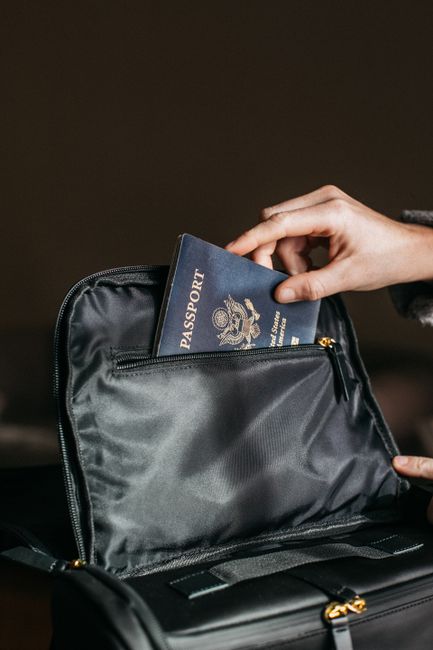
Every honeymoon packing list should start with the items that can't be replaced quickly if they're forgotten: passports, government-issued ID, the marriage certificate if flying internationally right after the wedding, travel insurance confirmation, hotel and flight confirmations, and any visa paperwork the destination requires. A few countries ask for the marriage certificate at customs if the couple is traveling on a joint name change or booking under a name that doesn't yet match the passport, so it's worth printing a copy even when it isn't strictly required.
Keep a mix of payment methods on hand — a primary credit card, a backup card stored separately from the first, and a small amount of local currency for tips and cash-only vendors. Photograph the photo page of each passport and email it to yourself before leaving, so a lost passport doesn't also mean losing the only record of the passport number.
A dedicated document organizer keeps all of this in one place instead of loose in a tote bag. The Family Passport Holder Organizer with RFID Blocking (around $16) holds both passports, boarding passes, cards, and cash in a waterproof case that fits in a carry-on's front pocket, and the RFID lining blocks skimming attempts at crowded airports and train stations.
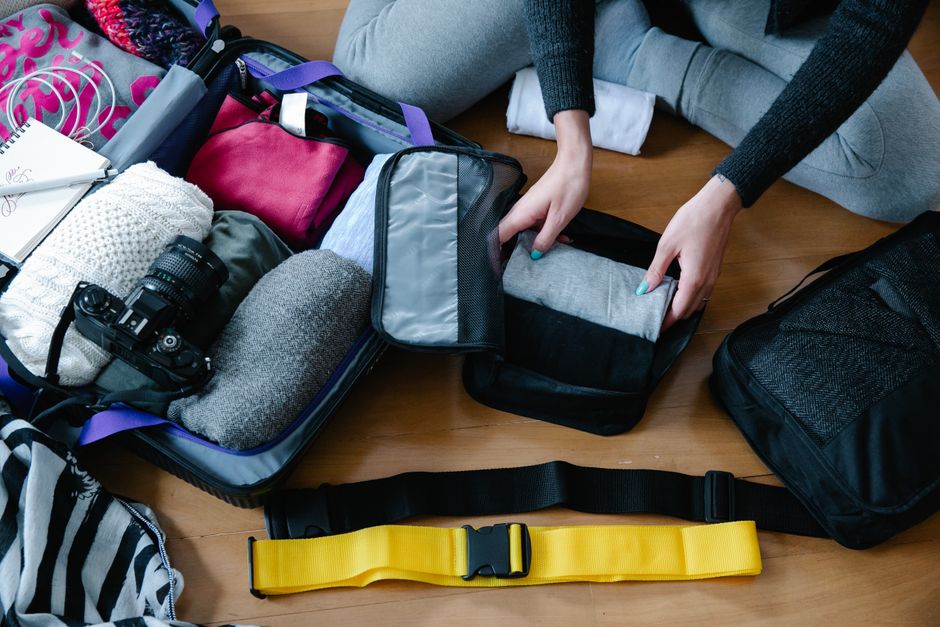
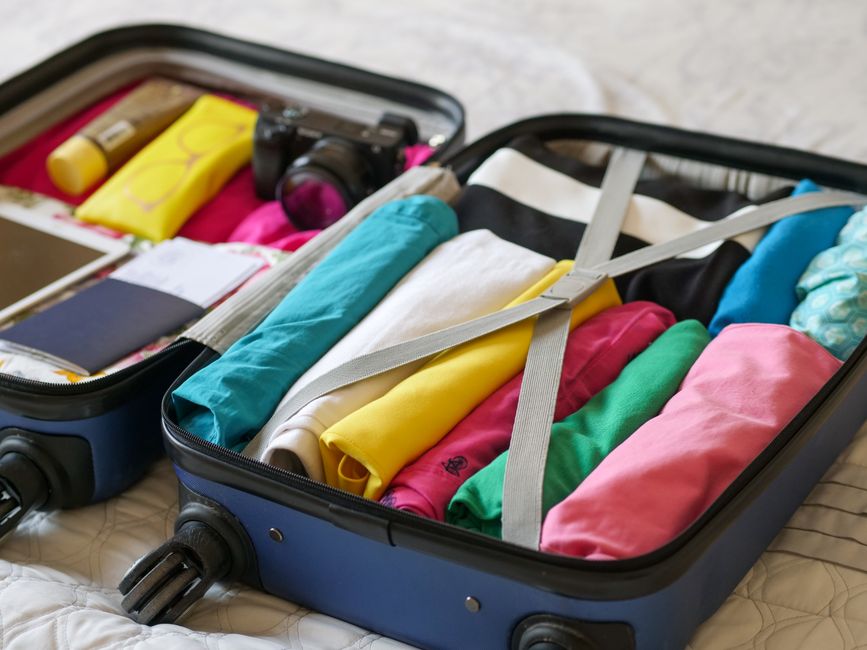
Packing cubes solve the two biggest honeymoon packing problems at once: fitting a week or more of outfits into carry-on-friendly luggage, and keeping that luggage organized once it's unpacked into a hotel closet for a few nights and then repacked for the next stop. Compression cubes go a step further than basic packing cubes by squeezing bulky items like sweaters, sundresses, and swimsuits down to roughly half their packed size, which leaves room for the outfits and souvenirs picked up along the way.
Sorting by cube also saves time at security and customs, since a cube of rolled clothing can be lifted straight out of the bag without unpacking everything else to find a specific item. Separate cubes for daytime outfits, evening outfits, and undergarments make it easy for one partner to grab what they need without digging through the other person's belongings.
The OlarHike 10-Set Compression Packing Cubes (around $30) come in a range of sizes for shirts, shoes, and toiletries, with double-zipper compression that presses air out of each cube once it's packed. The set is large enough to split between two travelers, so both partners can use the same organizing system.
Nothing derails the first day of a honeymoon like a dead phone battery in an unfamiliar airport, and outlet shapes vary enough between countries that a charger that works at home can be useless abroad. Before packing electronics, check the plug type and voltage for the destination — most of Europe, much of Asia, and Australia use different outlet shapes and sometimes different voltages than North America, and a device without built-in voltage conversion can be damaged by plugging straight in with only a shape adapter.
A single universal adapter with multiple USB ports removes the need to pack separate adapters for each device or juggle one outlet between two phones and a camera battery charger. Look for one rated for the specific region, since "universal" adapters vary in which countries they actually cover.
The HICHOR Universal Travel Adapter (around $20) covers more than 200 countries and includes three USB-C ports and two USB-A ports plus an AC outlet, so both partners can charge phones, a camera, and a portable speaker from one plug. It's compact enough to keep in a daypack for cafes and coworking spots along the trip, not just the hotel room.
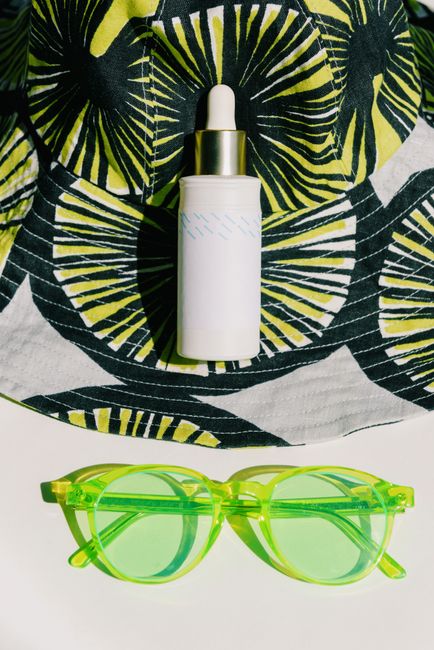
Sun protection deserves more thought on a honeymoon than on a typical weekend trip, since honeymooners often spend more consecutive hours outdoors than they're used to — pool days back to back with beach days, plus long stretches of sightseeing in unfamiliar climates. Many beach destinations, including parts of Hawaii, Mexico, and the Caribbean, restrict or ban sunscreens containing oxybenzone and octinoxate because of coral reef damage, so a reef-safe, mineral-based sunscreen isn't just a nice-to-have in those locations — it can be the only kind allowed in the water.
Pack sunscreen in the carry-on rather than checked luggage in case checked bags are delayed, and bring more than expected; hotel gift shop sunscreen tends to be marked up significantly compared to a bottle brought from home. A stick or travel-size tube also makes reapplication easier during the day without carrying a full-size bottle everywhere.
Coral Safe Reef Safe Mineral Sunscreen (around $15) is formulated without oxybenzone or octinoxate and meets the reef-safe requirements for Hawaii and Mexico, with a travel-friendly size that clears standard carry-on liquid limits.
Airlines charge anywhere from $50 to $200 or more for an overweight checked bag, and it's an easy fee to rack up on a honeymoon when gifts, wedding-night outfits, and souvenirs from the trip itself all compete for the same suitcase. Weighing bags before leaving for the airport — and again before the flight home, once souvenirs have been added — avoids an unpleasant surprise at the check-in counter.
A portable digital luggage scale takes the guesswork out of this. Hook it to the suitcase handle, lift, and the display shows the weight in seconds, which is far more reliable than trying to estimate by hand or borrowing a bathroom scale that isn't built for the job. The travel inspira Digital Luggage Scale (around $13) has a backlit display, a 110-pound capacity, and folds flat enough to pack in a side pocket for the return trip.
Most honeymoons include at least one or two outfits that are more about the occasion than practicality: a wedding-night look, a dressier outfit for a special dinner, and something photo-ready for a sunset excursion or rooftop bar. Packing these separately from everyday clothing — in their own packing cube or a garment bag — keeps them from getting wrinkled under swimsuits and hiking shoes.
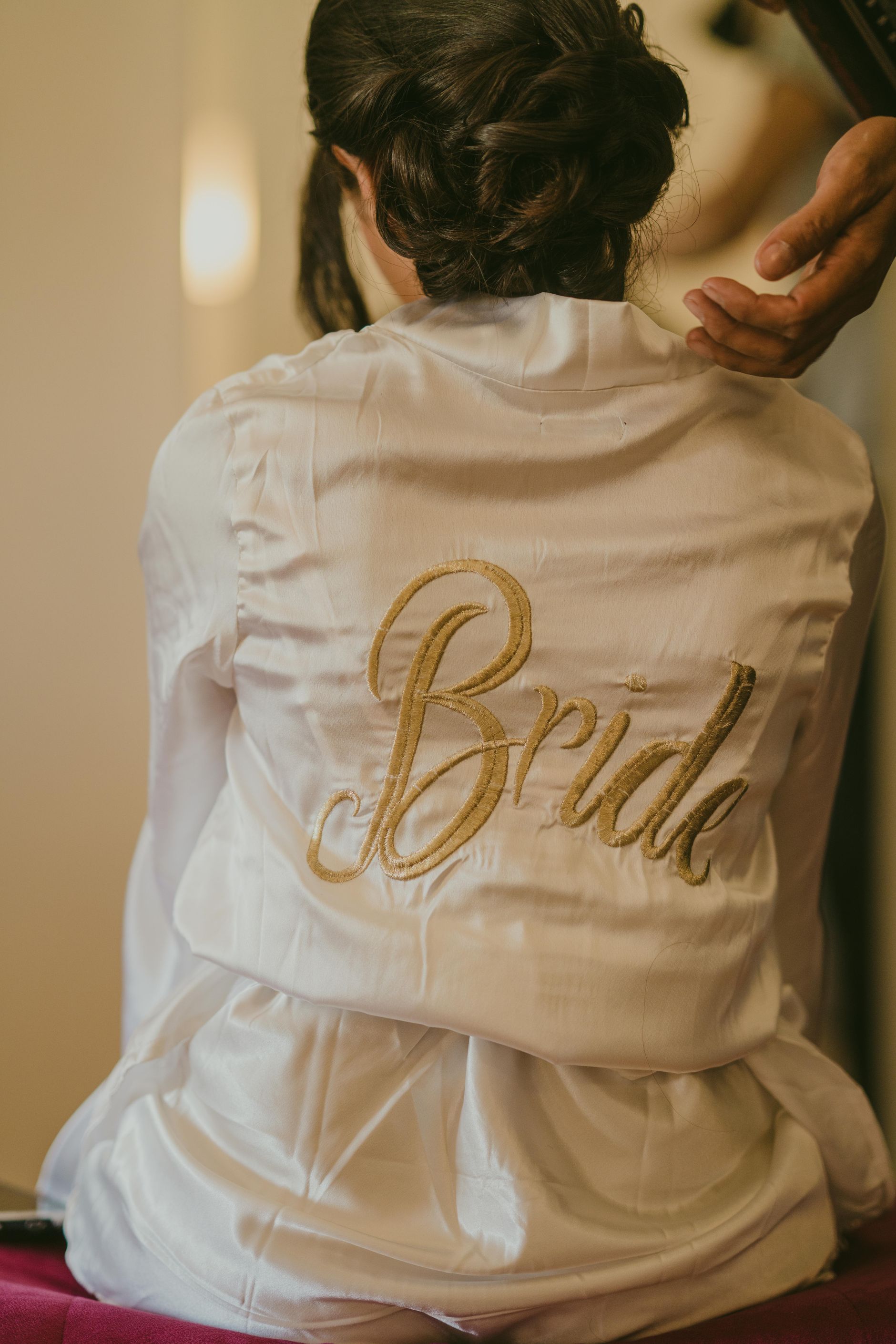
A robe or matching loungewear set for the first morning of the trip is a popular addition, both for comfort after a long travel day and for photos. Comfortable, breathable fabric matters more here than on the wedding day itself, since honeymoon mornings tend to involve room service and slower starts rather than a tight photography schedule.
Two to three dressier outfits usually cover a week-long trip without over-packing, especially if one piece can be reworn with different accessories for a second dinner out. Building this part of the honeymoon packing list around versatile pieces — a dress or button-down that works for both a nice dinner and an evening walk — keeps the suitcase lighter than packing a separate outfit for every single evening.
A beach honeymoon and a city honeymoon pull from mostly the same base packing list, but the details shift enough to be worth planning separately. Beach and island honeymoons call for three to four swimsuits so at least one is always dry, cover-ups that double as beach-to-dinner transitions, and water shoes for rocky shorelines or reef walking. Humidity also means packing lighter fabrics that dry quickly, since laundry access is often limited at resorts.
City honeymoons — think Paris, Tokyo, or Rome — lean more on comfortable walking shoes that still look put-together, a crossbody bag that keeps hands free for photos, and layers for temperature swings between air-conditioned museums and warm streets. Adventure honeymoons, whether that's hiking in Patagonia or safari in East Africa, need the most destination-specific research: closed-toe shoes rated for the terrain, insect repellent, and any prescription medications packed with extra doses in case of delays.
Multi-stop honeymoons that combine two or three of these settings in one trip benefit most from the compression packing cubes covered earlier, since sorting gear by destination leg — beach cube, city cube, adventure cube — makes it faster to repack between stops without laying out the entire suitcase each time.
Most couples start gathering honeymoon-specific items about two to three weeks before the wedding, then do the actual suitcase packing two to three days before departure. Starting early leaves time to order anything missing, like an adapter for a specific country, without paying for rush shipping during an already busy pre-wedding week.
Passports, the marriage certificate if it's needed for travel, jewelry including wedding rings not being worn, medications, and a change of clothes should stay in the carry-on. Checked bags occasionally get delayed or misrouted, and starting a honeymoon without a passport or wedding rings is a risk not worth taking for the extra packing space.
Five to six days of clothing usually covers a seven-day trip when at least one outfit is repeated or laundry is available partway through. Add two to three dressier looks for special dinners and one wedding-night outfit, but resist packing a completely new outfit for every single day, since it adds bulk without adding much practical value.
Most modern phone chargers, laptop chargers, and camera battery chargers are dual-voltage and only need a plug shape adapter, not a full voltage converter. Check the fine print on each device's charger — it usually lists an input range like 100–240V — before assuming a simple adapter is enough, since hair dryers and other high-wattage appliances often do need a true converter.
Assigning each partner their own set of packing cubes, even within a single shared suitcase, keeps mornings simpler and avoids digging through a partner's clothes to find a swimsuit. Color-coded or labeled cubes make this even easier when unpacking into a hotel closet for a multi-night stay.
Carry-on, when possible, both to keep it under the liquid limit and to guarantee it arrives even if checked bags are delayed. Travel-size, reef-safe sunscreen also tends to be hard to find locally at beach destinations that restrict certain sunscreen ingredients, so bringing enough for the whole trip avoids a scramble on day one.