

Planning advice


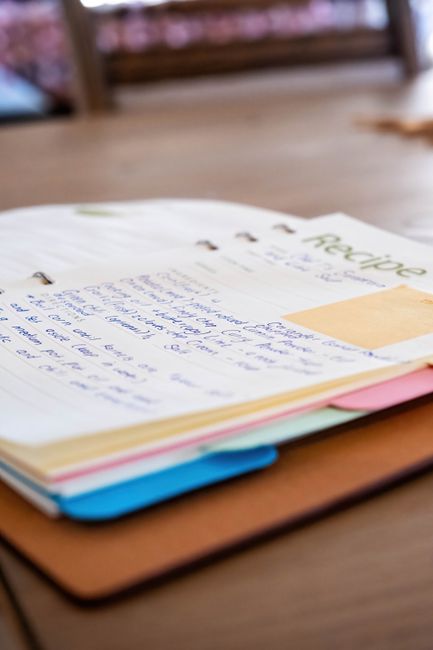
A wedding planner book gives engagement season a place to land that a phone app never quite replicates. Vendor contracts, seating charts, fabric swatches, and the scrap of paper with a caterer's cell number all end up in the same spot instead of scattered across five apps and a group text. For couples who think better with a pen in hand, or who simply want one object to hand a parent or maid of honor when they ask "where do things stand," a good planner book earns its shelf space fast.
Not every planner book solves the same problem, though. Some couples need a comprehensive binder that tracks a dozen vendors and a six-figure guest list; others just need a lightweight notebook to jot down ideas and keep a countdown visible on the nightstand. Budget-conscious couples benefit from a planner built specifically around cost tracking rather than one that treats the budget as an afterthought tucked in the back pages.
This guide breaks down the main categories of wedding planner books worth considering in 2026 — all-in-one binders, budget-first organizers, add-on tab systems for a binder you already own, and simple countdown notebooks — along with what actually separates a planner couples finish using from one that gets abandoned by month three.
Wedding planning apps are genuinely useful for guest RSVPs and seating chart drag-and-drop, but they fall short in a few specific ways a paper planner still wins. Vendor meetings go faster with a physical book open on the table, since there's no screen to angle toward a florist or no app to fumble through while a caterer waits for an answer. A planner book also survives a dead phone battery, a cracked screen, or the day-of chaos when six people need the timeline at once and only one phone is charged.
There's also a psychological benefit that shows up in how couples actually behave: a book physically fills up. Checked boxes and filled-in worksheets create visible progress in a way that toggling a checkbox in an app doesn't always register the same way. Wedding coordinators who work with dozens of couples a year consistently note that clients who keep a paper planner alongside a digital tool report feeling more in control of a fourteen-month process than clients using only an app.
None of this means paper replaces digital tools entirely — most couples end up using both, with the planner book as the single source of truth for anything that needs a conversation, a signature, or a look back over shoulder-to-shoulder with a partner or parent.
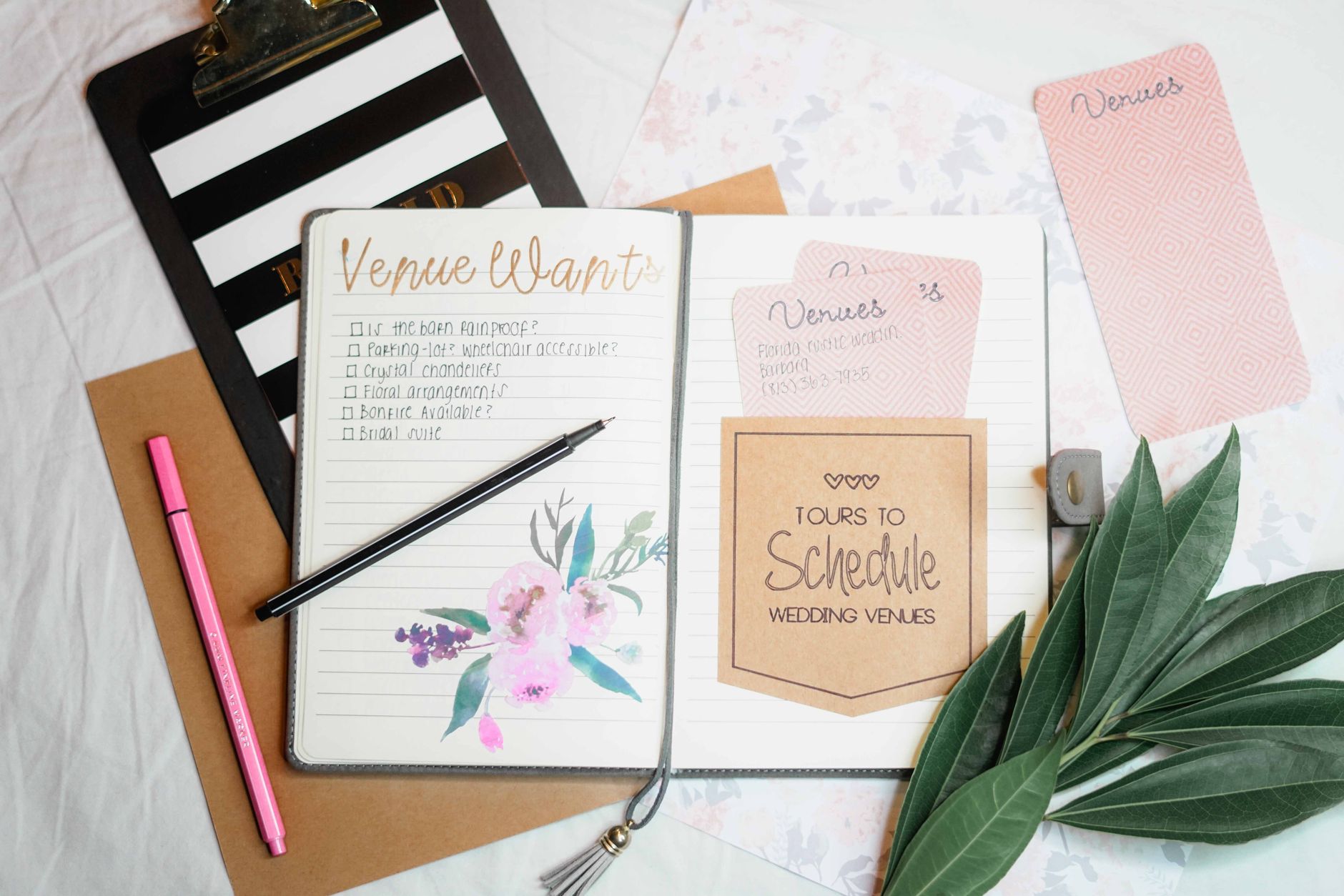
For couples managing a full-service wedding with several vendors, a comprehensive binder-style organizer is worth the investment. The Knot Ultimate Wedding Planner and Organizer (around $20) is built by the most-visited wedding planning brand in the country and ships in a binder format with pockets for swatches and business cards, a week-by-week countdown timeline, vendor tracking worksheets, and a detachable seating chart section.
What makes this style work for larger or more complex weddings is the pocket system — a fabric sample or a printed floor plan from the venue slides into a labeled sleeve instead of getting lost in an email thread. The week-by-week structure also forces a natural pacing: instead of feeling like fourteen months of undifferentiated tasks, the binder breaks the timeline into digestible chunks with a clear "what to do this week" prompt, which matters most in the first few months when the full task list can feel overwhelming.
The tradeoff is bulk. A full binder isn't something most couples carry to every vendor meeting; it tends to live at home as the command center, with a smaller planning book or checklist book covering more portable planning.
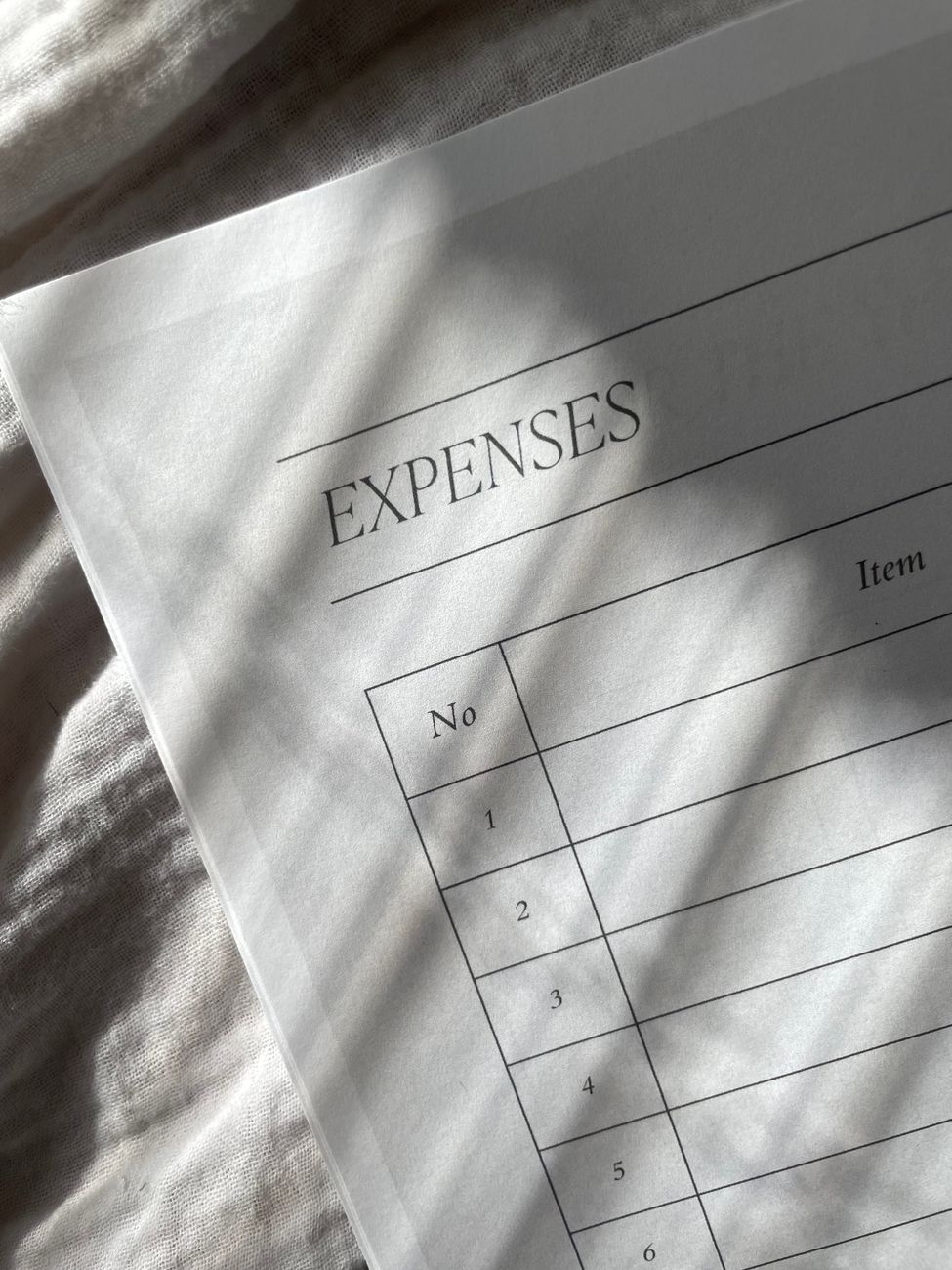
Weddings run over budget more often from a lack of visibility than from any single bad decision, which is why a planner built around cost tracking from page one is worth considering separately from a general organizer. The Budget-Savvy Wedding Planner & Organizer (around $22) by Jessica Bishop, founder of The Budget Savvy Bride, ranks among Amazon's top-selling wedding budget planners and structures every section — vendor comparisons, DIY project tracking, contract checklists — around a running total rather than treating cost as a side note.
The worksheets prompt couples to log a low and high estimate for each vendor category before booking anything, which surfaces where the real money is going before contracts get signed rather than after. That structure matters most for the categories that quietly balloon — florals, alcohol, and day-of rentals — since a running total makes an overage visible the same week it happens instead of at the final vendor payment.
Couples planning on a tighter timeline or budget also benefit from the DIY project sections, which include realistic time estimates for common projects like centerpieces or favors, helping avoid the common mistake of underestimating how many evenings a "simple" DIY project actually takes.
Not every couple wants to buy a pre-made wedding planner book, especially if they already own a sturdy three-ring binder or prefer building a custom system around their own priorities. For that group, a tab and divider system designed specifically for wedding planning does most of the organizational work without locking in someone else's structure. The Ahh Hah! Wedding Kit Organizer (around $15) includes pre-printed index tabs — covering categories like ceremony, reception, attire, and guest list — along with a table of contents page and spine inserts for a standard clear-view binder.
This approach works particularly well for detail-oriented planners who want to insert their own printed worksheets, spreadsheets, or contracts behind each tab rather than filling in someone else's pre-formatted pages. It's also the most affordable entry point into a structured paper system, since the binder itself can be a plain office-supply model rather than a specialty wedding product.
Couples who find a full binder overwhelming, or who are planning a smaller or shorter-timeline wedding, often do better with a lightweight notebook that covers the essentials without dozens of specialized sections. The Wedding Planner: 12-Month Countdown Notebook (around $10) keeps things simple with a month-by-month countdown structure, to-do lists, and checklist pages, without the pocket folders and tab systems a full binder includes.
The appeal here is portability and speed — a notebook this size fits in a bag for a vendor meeting or a coffee-shop planning session in a way a full binder doesn't. It's also a lower-commitment option for couples who aren't sure a full planning system is worth the money, or who plan to lean more heavily on a wedding day timeline and digital tools for the heavier logistics closer to the date.
A few practical details separate a planner book that gets used from one that ends up in a drawer by the second month. Dated versus undated matters more than it seems: a dated planner (2026, 2027) assumes a wedding date that fits neatly into printed months, while an undated planner works for any engagement length, including short ones under six months or long ones over two years. Couples who got engaged mid-year with a wedding date more than a year out are usually better served by an undated format.
Binding style affects daily usability, too. Spiral-bound and binder-style planners lay flat on a table during a vendor call, while perfect-bound notebooks tend to close themselves at the worst moment. Pocket folders are worth prioritizing for anyone collecting physical samples, invoices, or a printed floor plan, since a loose paper habit tends to lose exactly the document needed during a stressful week.
Finally, check whether the planner includes a dedicated budget section with room for a running total, a vendor contact grid, and a guest list tracker — the three sections couples reference most often across the full planning timeline. A planner missing all three usually needs to be paired with a separate notebook or spreadsheet, which defeats some of the point of buying an all-in-one system in the first place.
Most planner books get heavy use in the first few weeks of engagement, then quietly stop being opened once the initial excitement fades and daily life resumes. A few habits keep a planner book relevant through the full planning timeline rather than the first month. Scheduling a recurring 15-minute weekly check-in — a Sunday evening, for example — to update the budget tracker and cross off completed tasks keeps the book current instead of becoming a stale snapshot of month one.
Keeping the planner in one consistent location, rather than moving it between a bedroom, office, and car, removes the friction that causes most abandoned systems: if the book isn't within reach when a vendor calls, the details end up on a random sticky note instead. Assigning specific sections to specific tasks — the budget grid gets updated after every payment, the vendor contact page gets a new entry the same day a contract is signed — also prevents the common failure mode where a planner has beautifully filled-in pages for month one and blank pages for the rest of the year.
For couples building a full wedding registry alongside their planning binder, keeping both processes on the same weekly check-in cadence tends to catch overlapping decisions — like whether hosting a shower changes the guest list count — before they become last-minute surprises.
Yes, for most couples. A planner book and a wedding app solve different problems — the app is better for guest RSVPs, seating chart drag-and-drop, and vendor discovery, while the book is better for anything requiring a vendor meeting, a signature, or a quick reference when a phone isn't handy. Most couples end up using both rather than choosing one over the other.
A compact notebook or slim binder around 6x9 or 8.5x11 inches tends to be the sweet spot for portability, while a full comprehensive binder usually stays at home as a command center. Couples attending frequent in-person vendor meetings often keep a smaller notebook specifically for that purpose, separate from the main planning binder.
Undated planners work better for most engagements, since they don't assume a specific calendar year or a standard twelve-month timeline. Dated planners make sense only when the wedding date and engagement length line up neatly with the printed months, which is less common than it sounds given how variable engagement lengths are.
As soon as possible after getting engaged, ideally within the first few weeks. The earliest planning decisions — venue, date, and overall budget — set the framework for everything that follows, and having a dedicated place to track those first conversations prevents details from getting lost in text threads and browser tabs.
No, and it isn't meant to. A planner book organizes information a couple already has and needs to track; a coordinator brings vendor relationships, day-of logistics management, and problem-solving experience that a book can't replicate. Many couples working with a coordinator still keep a personal planner book for their own reference alongside whatever system the coordinator uses.
Filling in the first month enthusiastically, then abandoning it once the initial planning rush fades. A short weekly check-in — even just 15 minutes to update the budget and task list — keeps the book an accurate reflection of where planning actually stands, rather than a snapshot of engagement week one.