Wedding Registry Ideas Couples Will Actually Use in 2026



Building a wedding registry used to mean picking out formal china and matching towel sets, then storing most of it in a cabinet for a decade. Couples getting married in 2026 are taking a more practical approach, filling their registries with items they will genuinely reach for every week instead of once a year. The best wedding registry ideas balance function, quality, and a little bit of joy, so unwrapping each box feels like an upgrade to daily life rather than an obligation.
Guests want to give something meaningful, and a well-built registry makes that easy for everyone. When you mix higher-end splurge items with smaller everyday essentials, you give family and friends options at every price point while making sure nothing on the list goes unused. This guide walks through the categories worth registering for, specific products worth considering, and how to structure a list that actually gets used after the wedding.
Whether you're merging two households for the first time or upgrading from mismatched dorm-room gear, a thoughtful registry saves you from buying these items yourselves later. Below are the categories and products couples are prioritizing this year, along with tips for building a list that reflects how you actually live.
Why Traditional Registries Fall Short
The classic bridal registry template, built around fine china, crystal stemware, and formal serving pieces, was designed for a generation that hosted sit-down dinner parties on a regular basis. Most couples today eat more casually, cook more often at home, and live in smaller spaces where storage is limited. Registering for a dozen items you will use twice a year is a missed opportunity when guests are ready and willing to buy things you will use constantly.
That doesn't mean traditional items are off the table entirely. A few nice serving pieces are worth keeping for holidays and special occasions. The shift is in proportion: instead of building an entire registry around formal entertaining, treat those pieces as a small supplement to a list dominated by things you'll actually use on a random Tuesday night.
Rethinking your registry this way also makes it easier for guests. A gift-giver who isn't sure what "the good china" even means will feel far more confident buying a stand mixer or a coffee maker they recognize and can picture you using. Practical, well-reviewed items reduce decision fatigue for guests and increase the odds they buy something you'll love.
Kitchen Upgrades Couples Actually Use Every Day
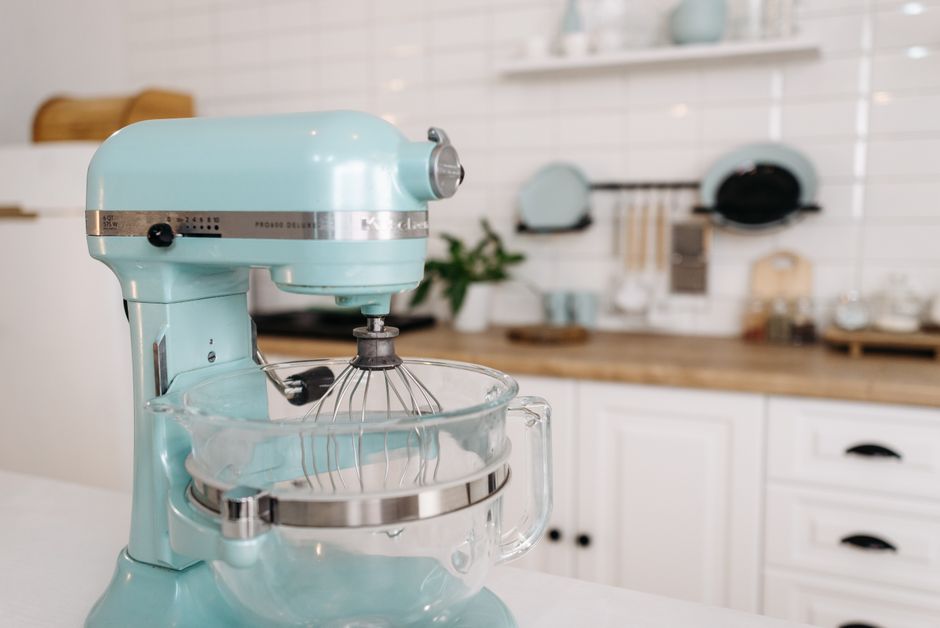
If there's one splurge-worthy item that consistently tops registry lists, it's a stand mixer. A model like the KitchenAid Artisan 5 Quart Tilt-Head Stand Mixer, priced around $430, handles everything from weeknight bread dough to birthday cake batter and holds up for decades with basic care. It's also one of the easiest items for guests to go in on together as a group gift, since multiple people can contribute toward one meaningful item instead of several smaller ones.
Beyond the mixer itself, think about what you actually cook on a weekly basis and register accordingly. Couples who bake often benefit from quality mixing bowls, measuring tools, and baking sheets. Couples who cook savory meals most nights might prioritize a sharp knife set or a high-capacity food processor. The goal is matching the registry to your real routines rather than an aspirational version of your kitchen.
Color and finish matter more than people expect here too. A stand mixer or major appliance sits on the counter permanently, so picking a finish that matches your kitchen means you'll actually want it visible rather than stored away. Most registry platforms let you link directly to a specific color, so take the extra minute to choose one you'll be happy looking at every morning.
Small Appliances Worth Registering For

Morning coffee routines are one of the most consistently used parts of a kitchen, which makes a good coffee or espresso machine a smart registry addition. The Nespresso Vertuo Next by De'Longhi, priced around $180, brews both espresso-style shots and full cups of coffee from the same machine, which suits couples with different coffee preferences under one roof.
Small appliances tend to be some of the most-purchased items on any registry because they hit a comfortable price point for guests who don't know the couple as well, like coworkers or distant relatives. A coffee maker, electric kettle, or toaster oven feels substantial enough to be a real gift without requiring the guest to guess at a major financial commitment.
When choosing which small appliances to add, prioritize ones that replace a daily habit you already have, like a coffee shop run or a takeout order, rather than items tied to hobbies you're hoping to pick up. Registries work best when every item maps to something you already do regularly, so the gifts integrate into your life immediately instead of sitting in a box waiting for "someday."
One-Pot Wonders for Busy Weeknights
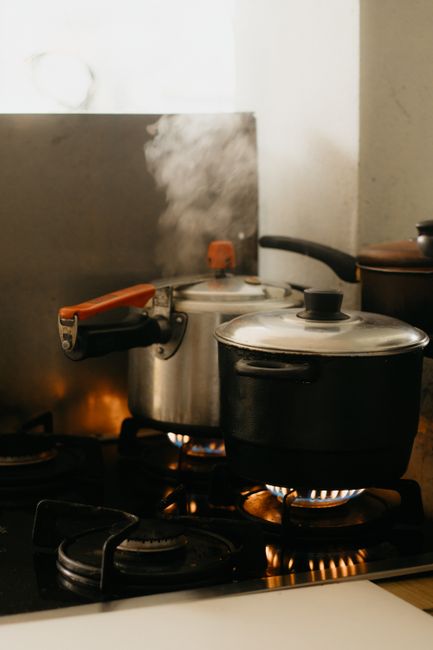
Between work schedules, social plans, and everything else that fills up a week, quick and low-effort cooking tools consistently rank among the most-used wedding gifts a year after the wedding. A multi-cooker like the Instant Pot Duo 7-in-1 Electric Pressure Cooker, priced around $90, functions as a pressure cooker, slow cooker, rice cooker, and steamer, which covers a lot of weeknight cooking needs in a single appliance.
These all-in-one tools are appealing registry items because they solve a real logistical problem: getting a healthy dinner on the table without much active cooking time. For couples who are still building their cooking confidence, a multi-cooker also lowers the bar for trying new recipes since most models come with companion apps and built-in programs that take the guesswork out of timing and temperature.
Register for accessories alongside the appliance itself when the platform allows it, things like extra sealing rings or a steamer basket. These add-ons are inexpensive enough that a guest looking for a smaller gift can pick one up, and they make the main appliance more versatile from day one instead of requiring a follow-up purchase later.
Cookware Worth the Splurge
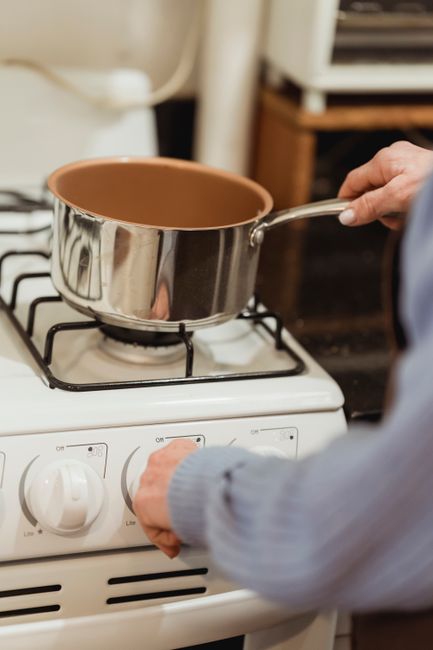
Good cookware is one of the few registry categories where spending more up front genuinely pays off over years of use. A piece like the Le Creuset Enameled Cast Iron Signature Round Dutch Oven, 5.5 qt., priced around $380, is the kind of item most couples wouldn't buy for themselves but will use weekly for soups, braises, and even baking bread, often for a lifetime with proper care.
Because cookware like this holds its value and rarely needs replacing, it's a strong candidate for a group gift from parents, siblings, or a handful of close friends splitting the cost. Registering for one or two premium pieces, rather than an entire matching cookware set, tends to work better since most couples already own a mix of pots and pans they're happy keeping.
If a full cast iron Dutch oven is out of budget for your guest list, consider registering for a smaller version or a complementary piece like a cast iron skillet. Either way, cookware in a color that complements your kitchen becomes something you're proud to cook with and display, not just something functional tucked in a cabinet.
Smart Home Gifts That Save Time
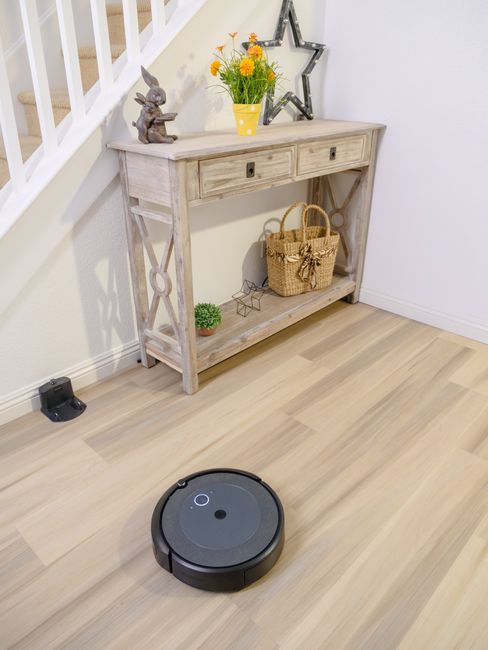
Household chores are one of the most common sources of friction for couples moving in together, and smart home devices that reduce that friction make genuinely thoughtful registry additions. A self-emptying robot vacuum like the iRobot Roomba Combo i5 Robot Vacuum & Mop, priced around $400, handles vacuuming and mopping on a schedule so it's one less recurring chore to split or argue about.
These bigger-ticket smart home items are natural group-gift candidates, similar to a stand mixer, since they carry real weight for a couple's daily routine but sit at a price point that's easier to manage split across several guests. If your registry platform supports it, a "contribute toward this item" option makes it simple for a group of coworkers or extended family to go in together.
Beyond vacuums, think about other recurring chores that a smart device could ease, like a smart thermostat, a video doorbell, or connected lighting. These items don't have the same emotional weight as cookware or china, but they quietly improve daily life in a way couples notice and appreciate for years.
Cash Funds and Experience-Based Registry Ideas
Not every meaningful registry item is a physical product. Cash funds, particularly honeymoon funds, have become a mainstream and widely accepted part of modern registries, especially for couples who are already established in a household and don't need traditional home goods. Most registry platforms now let you set up specific funds, like "airfare," "our first dinner out as a married couple," or "home down payment," so guests can contribute to something concrete rather than an anonymous cash gift.
Experience-based funds work particularly well alongside a smaller product-based registry rather than replacing it entirely. Guests who enjoy shopping for a tangible gift can still choose a kitchen item or home good, while guests who prefer contributing cash, or who live far away and want to skip shipping logistics, have an easy option that still feels personal.
Framing these funds clearly matters. A generic "cash fund" can feel impersonal to some guests, but a specific goal like funding a cooking class you're taking together on your honeymoon, or a piece of furniture for your first home, gives the gift a story. It also helps guests feel confident their contribution is going toward something you'll genuinely remember.
How to Build a Registry Guests Will Actually Use
Start your registry three to four months before the wedding so it's ready well before invitations go out, since many guests shop early to avoid last-minute stress. Walk through your current kitchen, bathroom, and living space together and make a genuine list of what's outdated, missing, or shared between two households for the first time, rather than starting from a generic template.
Spread your registry across a wide price range, from smaller items under $30 up through a few splurge pieces over $300. This gives every guest, regardless of budget or relationship closeness, something appropriate to choose. It's also worth registering at more than one retailer if your preferred items aren't all available in one place, though most couples find that one or two registries are easier for guests to navigate than three or four.
If you're also planning wedding welcome bag ideas for out-of-town guests, coordinate the tone between that gesture and your registry choices so the whole gifting experience feels consistent. Once the wedding is behind you and you're settling into married life, many of the same practical habits that shape a good registry, like keeping your morning routine simple, carry over into how you use these gifts; see our guide on building a wedding morning routine for related ideas on starting the day well as newlyweds. Finally, update your registry periodically as items sell out or as your preferences shift, and don't hesitate to swap something that no longer fits once you've had more time to think it through.
Wedding Registry Ideas FAQ
- When should we start our wedding registry?
Aim to have your registry live about three to four months before the wedding, ideally before invitations or save-the-dates go out. Many guests, especially those traveling from out of town, like to shop early rather than waiting until the last few weeks before the event.
- How many items should be on a wedding registry?
A good rule of thumb is 75 to 100 items across a wide range of prices, from small stocking-stuffer-style items under $30 up to a handful of bigger splurges over $300. This gives every guest, regardless of budget, several appropriate options to choose from.
- Is it okay to register for cash or a honeymoon fund?
Yes, cash and experience-based funds are now a standard and widely accepted part of wedding registries. Framing the fund around a specific goal, like a honeymoon activity or a piece of furniture, tends to feel more personal to guests than an open-ended cash request.
- Should we register at more than one store?
It's fine to register at two retailers if the items you want aren't all available in one place, but try to avoid spreading across more than that. Too many registries makes it harder for guests to keep track of what's already been purchased.
- What if a guest buys something that's already been purchased for us?
Most registry platforms update in real time and mark items as purchased once someone buys them, which prevents duplicate gifts in almost all cases. If a duplicate does happen, most stores allow an easy return or exchange, so it's rarely a real problem.
- Do we still need traditional items like china if we won't use them often?
No, registering for traditional items is entirely optional. Many couples today skip formal china and crystal altogether in favor of everyday cookware, appliances, and experience funds that better reflect how they actually live, and there's no obligation to include items you know will s