Wedding Mocktail Bar Ideas for a Crowd-Pleasing Menu


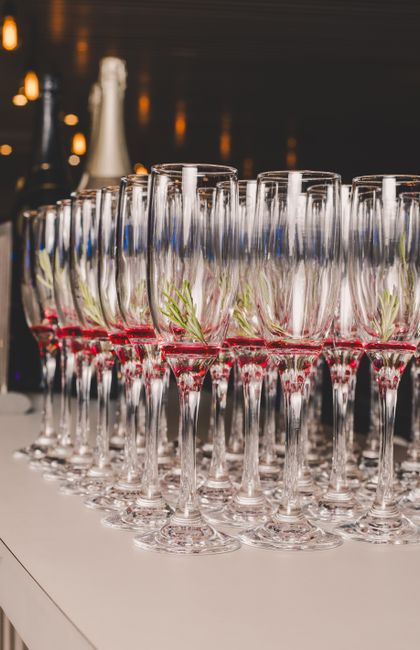
Wedding mocktail bar ideas have moved well past a lonely pitcher of lemonade next to the real bar. More couples are building an entire non-alcoholic menu with its own syrups, garnishes, and glassware, treating it as a real part of the reception instead of an afterthought for the designated drivers. Part of that shift comes from guest lists that increasingly include people who don't drink for religious reasons, health reasons, pregnancy, recovery, or simply personal preference, and part of it comes from couples wanting every guest to have something worth ordering twice.
A well-built mocktail bar also solves a practical problem for the couple footing the bar bill. A thoughtfully stocked non-alcoholic station costs a fraction of premium liquor, keeps lines at the main bar shorter, and gives kids, teenagers, and anyone driving home a drink that still feels like it was designed for the occasion rather than poured as a consolation prize.
None of this requires hiring a specialty mocktail caterer, though that's an option for bigger budgets. Most of what makes a mocktail bar feel intentional comes down to a handful of physical details: how the drinks are dispensed, what flavors are on the menu, how the glass is garnished, and whether the whole setup is labeled clearly enough that guests know what they're picking up. This guide walks through each of those pieces, with real products and price ranges for couples setting one up themselves.
Whether the mocktail bar is standing in for a full open bar or sitting alongside one as a second option, the goal is the same: guests should be able to glance at the table, understand what's being offered, and end up with a drink that looks like it belongs at the reception rather than one assembled from a juice carton in the kitchen.
Why Wedding Mocktail Bars Are Having a Moment
Non-alcoholic drink culture has grown well beyond wedding planning. Bars, restaurants, and grocery stores have all expanded their zero-proof sections over the past few years, which means guests now arrive at weddings with higher expectations for what a "mocktail" actually looks and tastes like. A watered-down juice blend doesn't clear that bar anymore, and couples who skip the extra effort often find their non-drinking guests quietly nursing water all night.
There's also a generational shift driving the trend. Younger couples getting married are more likely to be sober-curious themselves or to have close friends and family who don't drink, and they tend to see a mocktail menu as a normal part of hospitality rather than a special accommodation. Instead of asking a bartender to "make something without alcohol" on the spot, they're building the non-alcoholic menu with the same care as the cocktail list, sometimes even naming each drink after an inside joke or a place that matters to the couple.
The financial angle matters too. Premium spirits and champagne are some of the most expensive line items in a wedding budget, and every guest who orders from a well-stocked mocktail bar instead of the open bar is a guest who isn't running up that tab. A handful of quality syrups, some fresh fruit, and the right glassware cost far less than liquor by the bottle, which makes the mocktail bar one of the rare wedding upgrades that can actually reduce the overall bar bill while still upgrading the guest experience.
Setting Up a Self-Serve Mocktail Station
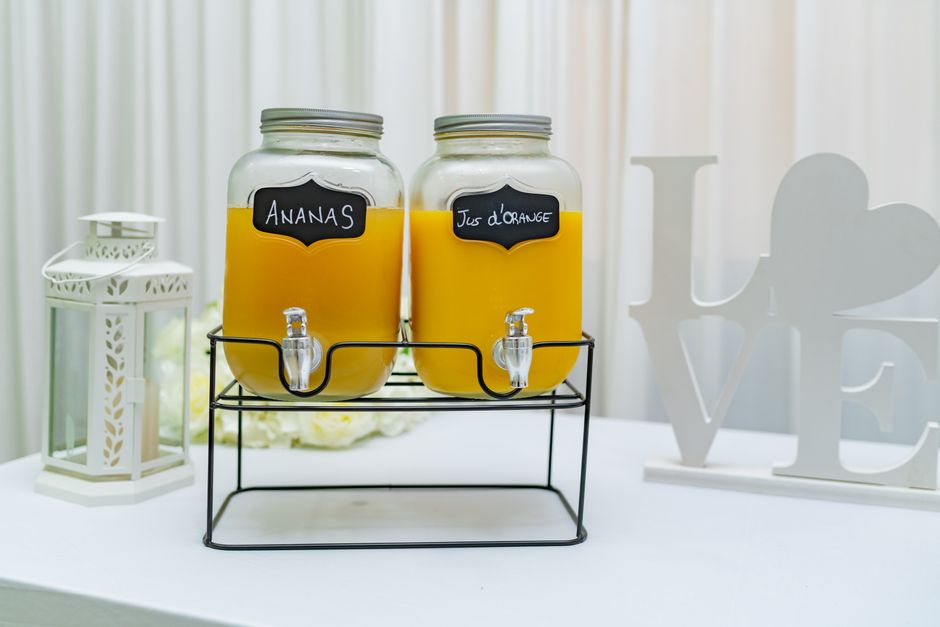
The setup matters as much as the drinks themselves. A self-serve station works well for cocktail hour or a casual reception, letting guests pour their own drinks from labeled dispensers without pulling a bartender away from the main bar. The classic setup uses two or three large dispensers, each holding a different pre-mixed mocktail, arranged next to glassware, ice, and a small chalkboard sign naming each option.
For a fully staffed reception, the same dispensers work as a backup station near the dance floor or lounge area, so guests don't have to walk back to the main bar every time they want a refill. Either way, a dispenser with a working spigot and a stand that lifts it above glass height makes pouring cleaner and keeps the table from turning sticky by the second hour.
The KSESTOR Acrylic Drink Dispenser with Stand holds 1.25 gallons, includes a removable ice core to keep drinks cold without diluting them, and runs around $35 to $45. The bamboo stand lifts the spigot high enough to fit a rocks glass underneath without tilting the whole dispenser, which is the detail that usually separates a station that runs smoothly from one that needs a helper standing next to it all night.
Building a Mocktail Menu Guests Will Actually Order
A good mocktail menu usually sticks to three or four options rather than trying to cover every flavor at once. A sparkling citrus option, something berry-based, and one warmer, spiced option covers most tastes without turning the station into a mixology class. Naming each drink, even something simple like "The Ceremony Spritz" or a nod to the couple's first date, does more to get guests to try one than any amount of fresh fruit garnish.
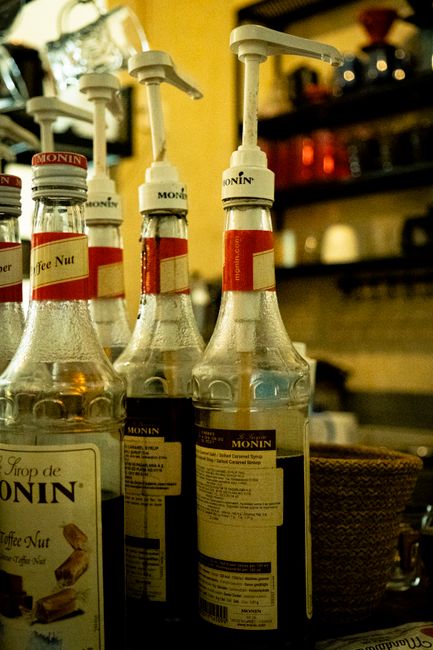
Pre-made syrups are the easiest way to get consistent flavor without a full bar setup or a bartender mixing each glass individually. A base of soda water or sparkling lemonade, plus one of these syrups, plus ice, gets close to a specialty drink in under a minute, which matters when a self-serve line is moving during cocktail hour.
The Bluestem Botanicals Cocktail & Mocktail Syrup Trio comes as a box of three 8-ounce bottles in flavors you choose yourself, priced around $28 to $34, and each bottle makes roughly a dozen drinks when mixed with soda water or juice. Because the flavors are selectable, it's easy to build a menu that actually matches the couple's color palette or the season of the wedding instead of settling for whatever a pre-set variety pack includes.
Garnishes That Make Every Glass Look Bartender-Made
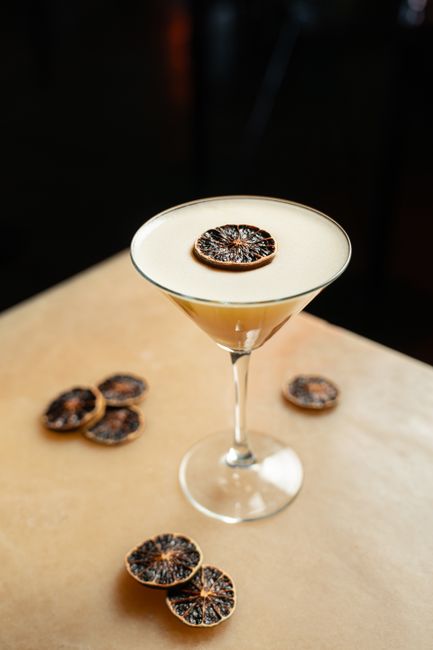
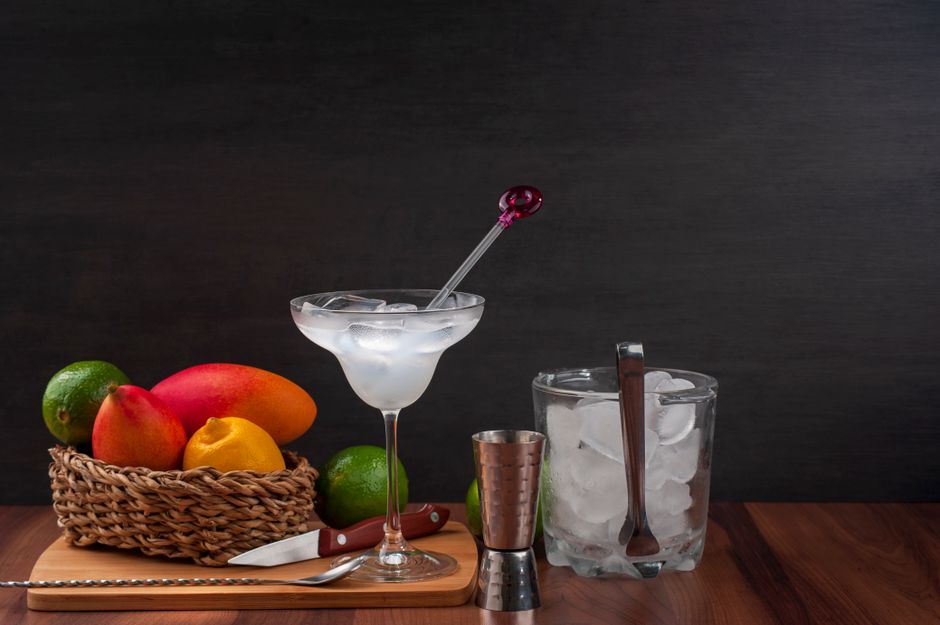
Garnish is where a mocktail stops looking like flavored water and starts looking like something a bartender built on purpose. A dried citrus wheel floated on top, a sprig of mint tucked against the rim, or a cocktail pick with a few skewered berries takes the same base drink and makes it photograph like a $14 specialty cocktail instead of a glass of punch.
Dried and dehydrated garnishes solve the logistics problem that fresh fruit creates at a wedding: fresh citrus browns within a few hours if it's cut too early, but dried slices hold their look and texture for the entire reception without needing a cooler nearby or someone slicing fruit right before the ceremony starts.
A set like the Cocktail Garnish Premium Gift Set includes around 70 dehydrated citrus slices plus 8 cocktail picks, runs about $20 to $26, and covers a mocktail bar for a mid-sized guest list without needing to restock partway through the night. Setting the garnishes out in small labeled bowls next to the dispensers lets guests build their own drink exactly how they like it.
Ice and Glassware Details That Elevate the Bar
Standard ice cubes melt fast, water down a drink within twenty minutes, and rarely look like much in photos. Large-format ice, whether spheres or oversized cubes, melts more slowly because of its lower surface-area-to-volume ratio, which keeps a mocktail from turning watery while guests are chatting near the bar instead of drinking right away.
Sphere ice also reads as more of a "craft" detail than standard cubed ice, which matters for a mocktail bar specifically, since part of the goal is signaling that the non-alcoholic drinks got the same attention as the cocktail menu. A Silicone Sphere Ice Ball Mold Set makes six large ice spheres per tray, costs around $12 to $16 for a set of two trays, and can be prepped days ahead since the spheres store easily in a gallon bag in the venue's freezer or a rented chest freezer.
Glassware matters too, though it doesn't need to be elaborate. Simple rocks glasses or stemless wine glasses read as more intentional than plastic cups, and renting glassware through the venue or caterer is usually cheaper per-piece than buying enough for the whole guest list. If the mocktail bar is self-serve, stacking glasses near the dispensers rather than pre-pouring keeps drinks from sitting out and going flat before anyone picks them up.
Signage and Personal Touches
Clear labeling is what turns a table of dispensers into a station guests actually understand. A small sign or chalkboard naming each drink, listing what's in it, and flagging that the station is alcohol-free (for guests specifically looking for that option) does more work than any garnish. Guests are far more likely to try something new when they know exactly what they're getting into.
Stirrers and drink picks are a small detail that still gets noticed, especially when they carry the couple's names, wedding date, or a short monogram. They also solve a practical problem: a stirrer makes it obvious which drink belongs to which guest at a shared table, cutting down on abandoned half-finished glasses that someone else assumes are trash.
Custom Wooden Stir Sticks for Weddings come in packs of 100, engraved with a name, date, or short phrase, and run about $16 to $22 per pack, which comfortably covers even a large reception with a few to spare for the head table. Pairing the stirrers with a matching hand-lettered sign, something that can double as a nod to the couple's wedding welcome sign, keeps the mocktail station visually consistent with the rest of the decor instead of looking like a separate afterthought.
Budgeting for a Wedding Mocktail Bar
A full mocktail bar setup for 100 to 150 guests typically runs $150 to $350 total when built from individually purchased components rather than hired through a specialty vendor. That figure covers two or three dispensers, three to four syrup flavors, garnishes, ice molds, glassware rental, and signage, which is a fraction of what the same number of guests would run up at an open bar over the course of a four-hour reception.
Couples who want to go further can hire a mobile mocktail catering service, which typically charges per-guest rates similar to a coffee cart, usually landing between $8 and $15 per person depending on the market and menu complexity. That option removes the DIY setup and staffing question entirely, but it's worth pricing against a self-serve station before committing, since many couples find the self-serve version covers 80 percent of the experience at a much lower cost.
Either way, positioning the mocktail bar as an equal partner to the main bar, rather than a smaller table tucked in a corner, changes how guests treat it. A station with the same lighting, similar glassware, and comparable presentation to the alcohol bar reads as a real option rather than a fallback, which is usually the difference between a mocktail bar that gets used all night and one that sits mostly untouched next to a stack of paper cups.
Wedding Mocktail Bar Ideas FAQ
- How many mocktail flavors should a wedding bar offer?
Three to four flavors is the sweet spot for most receptions. Fewer than that limits guests who want variety, while more than four slows down a self-serve line and makes stocking and restocking harder to manage during the reception.
- Do we need a bartender for a mocktail station, or can it be self-serve?
Self-serve works well for most receptions, especially with pre-mixed dispensers and clear signage. A staffed station makes more sense for larger guest lists or if the menu includes drinks that need to be shaken or built to order rather than poured straight from a dispenser.
- How much does a wedding mocktail bar typically cost?
A self-serve setup built from individual components usually costs $150 to $350 total for 100 to 150 guests. Hiring a mobile mocktail catering service instead typically runs $8 to $15 per guest, which trades a higher per-person cost for zero setup and staffing on the couple's end.
- Can the mocktail bar double as the kids' drink station?
Yes, and many couples set it up that way intentionally. Mocktails are naturally kid-friendly since they contain no alcohol, and putting the kids' table near the mocktail station means fewer trips back and forth to the main bar for parents managing young guests.
- What's the easiest way to make mocktails taste like more than juice?
Flavored syrups mixed with soda water or sparkling lemonade get closest to a specialty drink without requiring a bartender. A splash of syrup, ice, and a garnish does more for flavor and presentation than mixing juices alone, which tends to taste flat and overly sweet by the second glass.
- Should the mocktail bar be labeled as alcohol-free?
Yes. Clear signage stating the station is alcohol-free helps guests who are avoiding alcohol for any reason find it quickly without having to ask, and it also helps guests who might otherwise assume every drink table on-site contains alcohol.