


Wedding Officiants in San Antonio, TX
The San Antonio wedding market spans a wide range of venue types — Riverwalk hotels and historic missions, Hill Country ranch and vineyard venues to the north, downtown ballrooms, country clubs in Stone Oak and Alamo Heights, and historic homes and gardens. Couples planning a wedding in this metro work with officiants whose offerings, scheduling, and pricing fit the broader plan they're building. San antonio's hot summers and mild winters favor october-through-april outdoor ceremonies, with summer weddings typically scheduled for late afternoon or evening when temperatures drop, and that influences both ceremony timing and how a officiant integrates with the rest of the wedding day. October-april is peak san antonio wedding season; march-may and october-november in particular see the strongest saturday demand, which is why earlier engagement with vendors at the most popular categories tends to produce better availability and selection.
WeddingVenture's San Antonio officiants directory currently lists approximately 6 active officiant options for the area. Couples typically request itemized proposals from three to five comparable vendors before committing, comparing the offering, scheduling fit, and pricing across each. The right officiant for any wedding is the one whose work, working style, and pricing align with the couple's overall plan. The FAQ section below covers the most common questions couples in San Antonio ask when shopping for wedding ceremony.
24 Results
Also serving San Antonio from nearby
These vendors are based further out but cover this area.

Marriage2geaux
No two romances are the same and no two ceremonies are alike. We will work closely with you to design the perfect marriage ceremony that addresses your unique view of marriage. Your ceremony is the heart of your wedding day. My goal is to support you in sharing your love story, so that when you say "i do" you feel relaxed, prepared, and truly present to give your heart, to expe...
Slogan: Ready to write begining story of your wedding dreams
-
Verified and trusted vendor
-
WeddingVenture couples get special bundles from this vendor
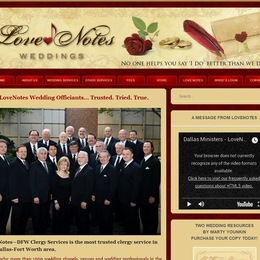
Lovenotes - Dfw Clergy Services
Weddings make up the majority of our business. More than 1000 Dallas/Ft. Worth wedding chapels, venues, and wedding professionals recommend LoveNotes Wedding Officiants to their brides and grooms. At LoveNotes, we are committed to performing your wedding your way. We will take you step by step through the planning process so you are well prepared for your wedding ceremony and f...
Slogan: No one helps you say andquot;i doandquot; better than we do
-
Verified and trusted vendor
-
This vendor consistently receives positive feedback
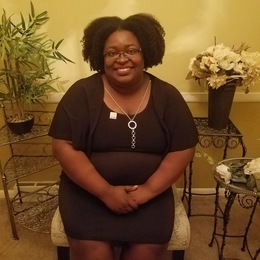
Love At Last
Love At Last is a wedding officiants in Dallas. Love At Last offers wedding ceremony services. Click View Details to learn more about Love At Last and to contact them for a free quote.
-
Verified and trusted vendor
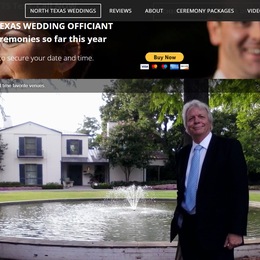
North Texas Wedding Officiant
We welcome ALL couples regardless of their race, faith or non-religious status, background, gender, sexual orientation, beliefs or lifestyle. We offer "Proxy Ceremonies" as well.
- 1
- 2
Top-Rated Wedding Officiants
Updated for 2026
Frequently Asked Questions
- How much does a wedding officiant cost in San Antonio?
- Wedding officiant pricing in the San Antonio market varies by experience level, ceremony customization scope, and whether the officiant attends the rehearsal. Standard ceremonies with a minimal customization run lower than fully bespoke ceremonies with extensive script collaboration. Religious-tradition officiants sometimes have separate fee structures (often connected to the religious institution rather than the officiant directly). Travel surcharges may apply for venues outside the standard service area.
- How far in advance should we book a wedding officiant in San Antonio?
- Most San Antonio couples book a wedding officiant three to six months ahead of the wedding date, though some popular officiants book earlier — especially for peak-season Saturdays. Religious-tradition officiants sometimes require pre-marital counseling sessions that take additional months. Civil officiants and non-religious humanist officiants typically have more flexibility on shorter timelines. Last-minute bookings within a few weeks are sometimes feasible for elopements and small ceremonies.
- What's typically included in a San Antonio wedding ceremony?
- A typical San Antonio wedding ceremony spans 20-40 minutes and includes a processional, an opening welcome, optional readings (literary, religious, or personal), the marriage address, vow exchange, ring exchange, optional unity ceremony (candle, sand, hand-fasting, or other tradition), pronouncement of marriage, kiss, and recessional. The exact structure depends on the couple's preferences and any religious or cultural traditions being honored.
- How do San Antonio officiants handle ceremony customization?
- Most San Antonio officiants work collaboratively on the ceremony script — incorporating the couple's preferences for length, tone, religious or secular framing, and personal elements. The customization conversation typically happens 4-8 weeks before the wedding, with a planning meeting (in person or by video) to walk through the script. Officiants who collaborate openly produce ceremonies that feel personal rather than generically scripted.
- Do we need a marriage license for our San Antonio wedding?
- Marriage licenses are issued by the local civil authority (typically the county clerk's office in San Antonio) and have specific application requirements, waiting periods, and validity windows that vary by jurisdiction. Most couples apply 2-6 weeks before the wedding date to allow for any waiting period without expiring the license before the ceremony. The officiant signs the license at or shortly after the ceremony; the couple then files it with the issuing authority.
- How do I choose a wedding officiant in San Antonio?
- Compare San Antonio officiants on alignment between their ceremony style and the couple's preferences (religious tradition, interfaith experience, secular humanist, custom personal ceremony), willingness to write or co-write a custom ceremony script, comfort with any specific elements you want to include, rehearsal participation policy, and clear pricing across the ceremony itself, rehearsal, and any travel fees. The pre-wedding planning meeting is essential — that's where the officiant's working style becomes clear.