Comfortable Wedding Shoes: Ideas Brides Actually Love


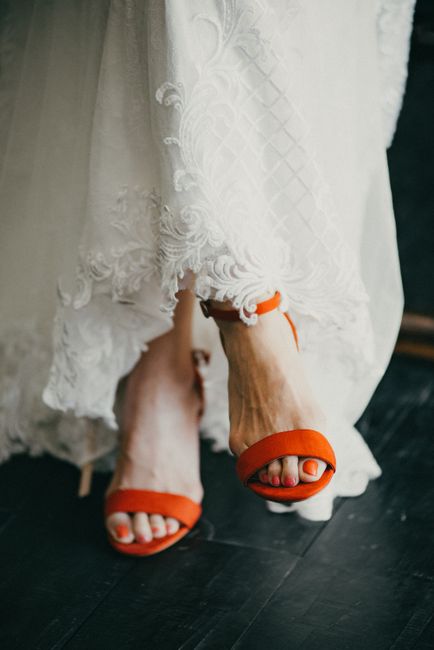
Comfortable wedding shoes are the one styling decision that affects literally every hour of the day, from the first getting-ready photos through the last song of the night. A dress gets admired in photos for a few seconds at a time; shoes get worn standing at the altar, walking across gravel or grass for portraits, and dancing for two hours straight. Picking the wrong pair doesn't ruin a wedding, but it does mean spending the reception perched at a table instead of on the floor with everyone else.
The good news is that comfortable no longer means plain. Cushioned block heels, structured ballet flats, and dressed-up sneakers have all become normal bridal choices rather than backup options hidden in a bag under the table. Brands that used to make only stilettos now build wedding-specific lines with padded insoles, wider toe boxes, and non-slip soles, so comfort and a polished look aren't a trade-off anymore.
This guide walks through the shoe styles that hold up best over a full wedding day, along with the smaller accessories — blister sticks, foot cushions, and a proper shoe bag — that make the difference between shoes that look good in photos and shoes a bride can actually wear from the first look to the send-off.
Block Heel Sandals: Height Without the Wobble
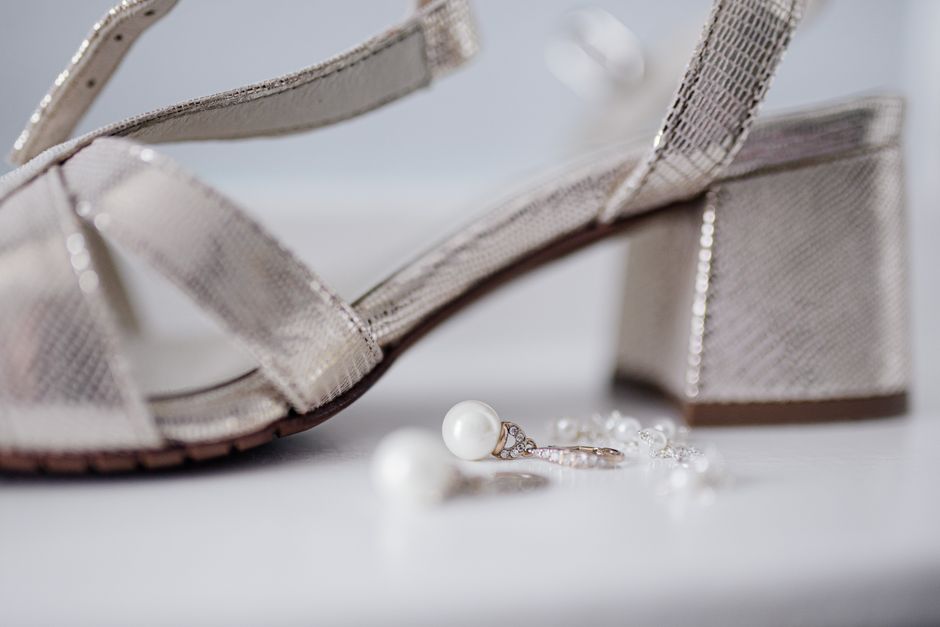
A block heel spreads weight across a wider base than a stiletto, which is the entire reason it stays comfortable for six or more hours on your feet. The difference matters most on outdoor venues with grass, gravel, or uneven stone, where a thin heel sinks or catches with every step. A 2 to 2.5 inch block heel gives most brides the height they want in photos without the ankle strain that comes with anything thinner.
Look for a cushioned or latex footbed, an adjustable ankle strap that keeps the shoe from sliding as feet swell later in the day, and a slightly wider toe box if you know you'll be standing for photos before you ever sit down. Rhinestone and glitter finishes photograph well under both natural light and reception uplighting, so you don't have to choose between sparkle and support.
The DREAM PAIRS Classic Open Toe Ankle Strap Block Heel Sandals (around $40) are a frequently recommended starting point for this category, with a padded footbed and a heel low enough to wear through a full ceremony and reception without needing a break.
Cushioned Flats and Ballet Styles
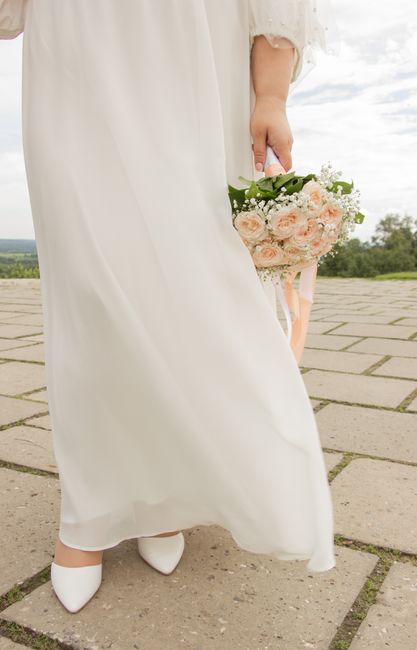
Flats solve the comfort question outright, and the stigma around wearing them at the altar has mostly disappeared as more real weddings feature them in photos. A structured ballet flat in satin, lace, or leather reads just as bridal as a heel when it's paired with the right dress length, and it removes the swelling, blister, and balance concerns that come with hours in a heel.
The trade-off is height: a flat drops the bride's silhouette relative to a partner or wedding party in heels, which is worth discussing with your photographer if group photo proportions matter to you. Many brides split the difference by wearing flats for the ceremony and reception, then switching into heels only for the small window of formal portraits.
A TOMS Alpargata Ballet Flat (around $50) gives a soft V-shaped toe line that photographs cleanly under a dress hem, with enough cushioning built into the sole to wear comfortably through a full day standing on hard reception flooring.
Bridal Sneakers and the Reception Shoe Swap
Swapping into sneakers for dancing is now common enough that some brides skip a second heel entirely and go straight from ceremony shoes into a clean white sneaker for the reception. White low-top sneakers photograph better than most brides expect under a dress hem, especially in candid dance-floor shots where the dress is already moving.
The logistics matter more than the shoe choice here. Plan the swap for right after the formal dances — first dance, parent dances — so the transition doesn't interrupt anything photographed in detail. Keep both pairs together rather than leaving one in a hotel room, and give a bridesmaid or planner the job of having the second pair ready at the reception entrance rather than trusting yourself to remember mid-party.
A simple set of waterproof drawstring shoe bags (around $13 for five) keeps the ceremony pair protected and separated from the reception pair inside the same overnight bag, so nothing gets scuffed or lost in the shuffle between getting-ready room, ceremony, and reception.
Metatarsal and Ball-of-Foot Cushions for Heels
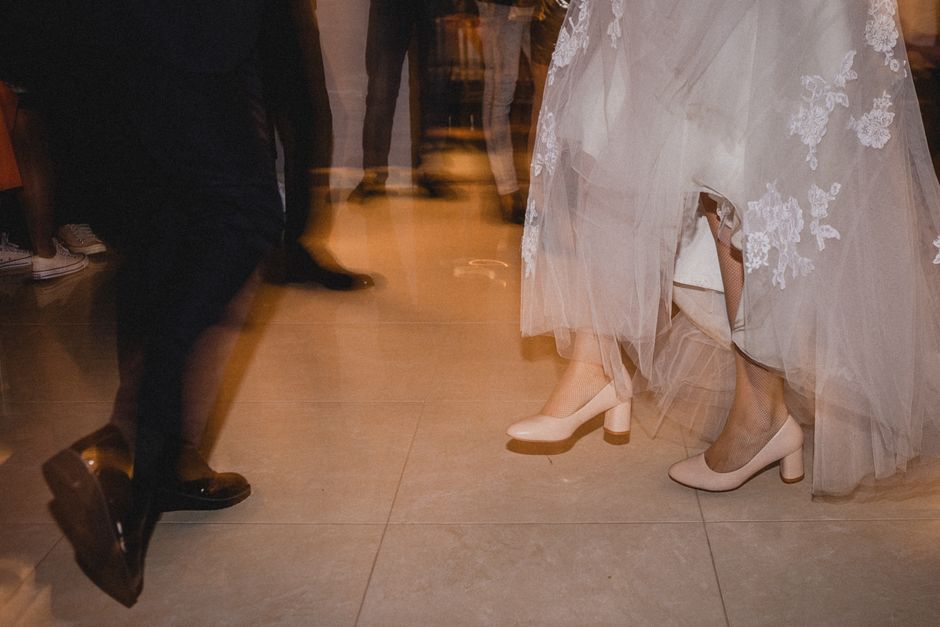
If a heel is non-negotiable for at least part of the day, the single biggest comfort upgrade is a ball-of-foot cushion rather than a different shoe. These thin gel pads sit under the forefoot and redistribute pressure away from the metatarsal bones, which is where heel pain concentrates first, usually within the first two hours of standing.
Put the cushions in during the dress fitting or at least one practice walk-through before the wedding, not for the first time on the day itself. Gel pads shift the fit of a shoe slightly, and a shoe that felt snug without them can feel different once they're added, so testing ahead of time avoids an unpleasant surprise mid-ceremony.
Dr. Scholl's Love Your Heels & Wedges Ball of Foot Cushions (around $9) use a soft gel with a no-slip backing designed specifically to stay in place through hours of standing and walking, which matters more on a wedding day than almost any other single day a heel gets worn.
Preventing Blisters Before They Start
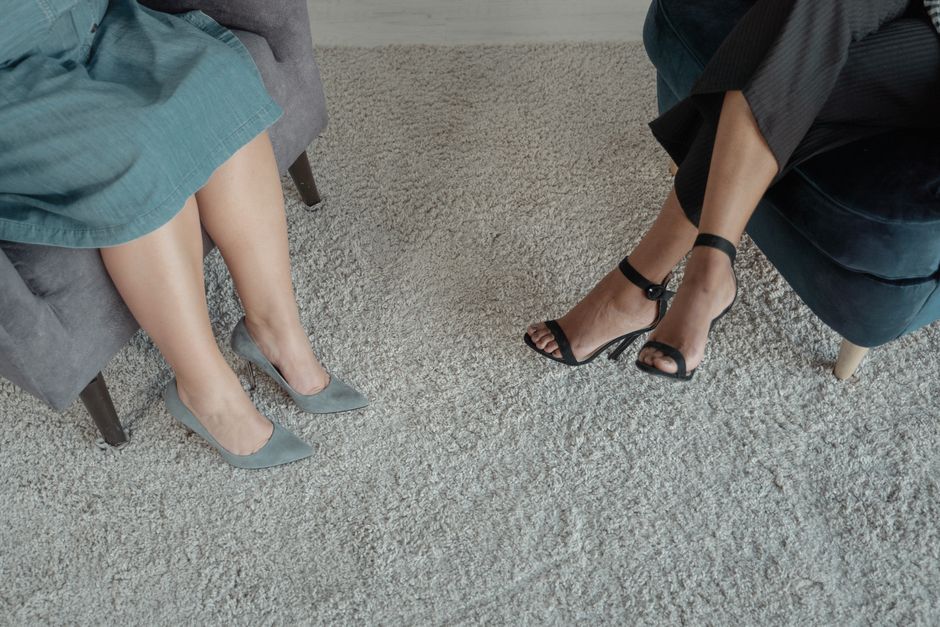
Blisters form from repeated friction in the same spot, which means the wedding day itself is the worst possible time to discover where a new pair of shoes rubs. Anywhere the shoe meets skin at an edge — the back of the heel, the sides of the small toe, the top of the arch on a strap — is a candidate spot, and it's worth checking each one during a practice walk in the actual shoes, on a hard floor, for at least twenty minutes.
A hydrogel blister cushion applied preemptively to any spot that showed friction during the trial walk adds a thin, nearly invisible cushioning layer that stays put through sweat and movement, which ordinary moleskin or tape tends not to do by hour four. Applying it before the shoes go on, rather than after a hot spot appears, is what actually prevents the blister instead of just treating one that's already forming.
Dr. Scholl's Blister Cushions with Duragel Technology (around $8 for six) are thin enough to sit invisibly inside a heel or flat without shifting the fit, and the sweat-resistant hold is built for exactly the kind of all-day wear a wedding demands.
Breaking In Wedding Shoes Ahead of Time
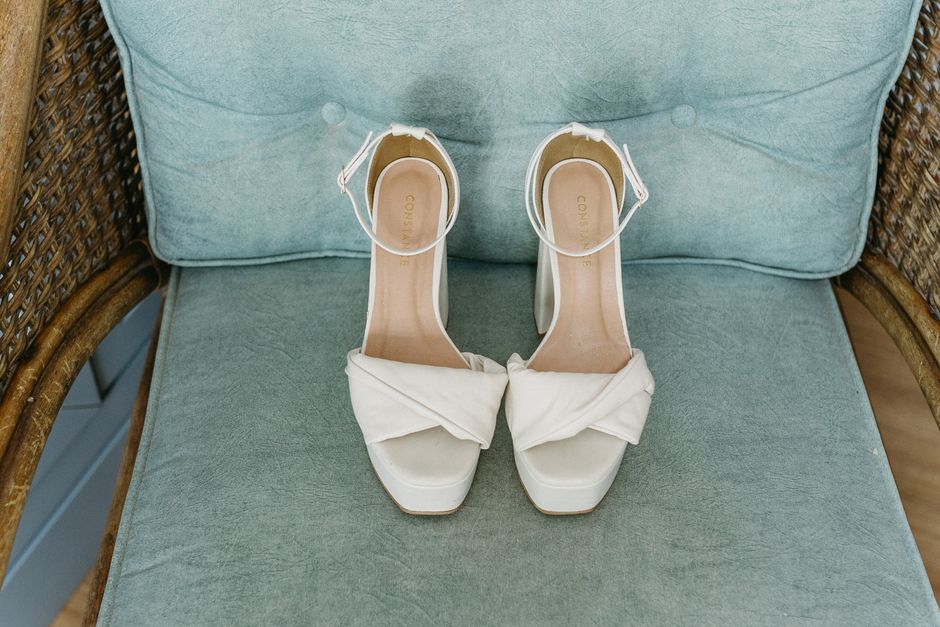
Never wear brand-new shoes for the first time on the wedding day, no matter how comfortable they felt standing in a store for two minutes. Wear them around the house for short stretches over two to three weeks, gradually working up to an hour or more at a time, so the sole flexes naturally and any tight spots soften before it matters.
For leather and satin uppers, a thin pair of socks worn with the shoes at home for 20 to 30 minutes at a time helps stretch tight spots without damaging the outer material the way wearing them bare-footed outdoors would. For sandals and strappy styles, focus the break-in time on walking on carpet and hard flooring both, since venues rarely offer just one surface type and each surface stresses the shoe differently.
If a shoe still feels tight two weeks out despite regular wear, a shoe stretch spray or a visit to a cobbler for a quick stretch is worth the trip. Waiting until the week of the wedding to address a persistent tight spot leaves no time to fix it before the day arrives.
Choosing Heel Height and Sole for Your Venue
The venue surface should drive the heel decision more than the dress does. Grass, sand, and gravel all punish a thin heel, either sinking it into soft ground or catching it on an uneven surface, so outdoor ceremonies favor a block heel, wedge, or flat over anything with a narrow base. Indoor venues with hardwood or tile give more flexibility, though a smooth leather sole on polished marble or tile can be genuinely slippery, which is worth testing at home on a similar floor before the day.
A rubber or textured sole grips noticeably better than a smooth leather one, and it's an easy fix even on a shoe you already own: a cobbler can add a rubber sole guard to almost any pair for a modest fee. For any venue with an outdoor cocktail hour followed by an indoor reception, plan for both surface types rather than assuming the reception floor is the only one that matters.
Coordinating shoe choice with your other wedding attire decisions early, rather than shopping for shoes last, also gives more time for the break-in period described above and avoids a rushed decision the week of the wedding.
Building a Wedding-Day Shoe Care Kit
A small kit tucked into the emergency bag saves the day more often than most brides expect: adhesive bandages, a spare pair of foot cushions, a small sewing kit for a loose strap, clear nail polish to stop a run in hosiery, and a spot treatment wipe for scuffs on satin or fabric uppers. None of this takes up much room, and all of it addresses problems that are otherwise impossible to fix quickly mid-reception.
Pack the kit in the same bag as the reception shoe swap rather than a separate one, so a single person — usually the maid of honor or a parent — knows exactly where both live. For a fuller rundown of everything else worth having on hand, a wedding emergency kit built out in advance covers the categories a shoe kit alone can't, from stain removal to a phone charger for end-of-night photos.
Pairing the shoe kit with a wedding morning routine that includes the practice walk described earlier means the first time you actually wear the shoes for a real stretch isn't the ceremony itself.
Comfortable Wedding Shoes FAQ
- What are the most comfortable wedding shoe styles for brides?
Block heel sandals, structured ballet flats, and low-top sneakers are the three styles that consistently hold up best over a full wedding day. Each spreads weight more evenly than a thin stiletto, which is the main reason they stay comfortable for six or more hours of standing, walking, and dancing.
- Should I wear flats or heels for my wedding?
Either works, and many brides wear both: heels for the ceremony and formal portraits, then a flat or sneaker swap for the reception. If group photo height matters to you, discuss it with your photographer ahead of time, since a flat noticeably changes your height relative to a partner or wedding party in heels.
- How do I keep my feet from hurting all day at my wedding?
Break in the shoes over two to three weeks before the wedding, add a ball-of-foot gel cushion if you're wearing heels, and apply a blister cushion to any spot that showed friction during a practice walk. Together these three steps prevent most of the foot pain brides report after a full wedding day.
- When should I do the reception shoe swap?
Right after the formal dances — first dance and parent dances — is the most common timing, since it doesn't interrupt anything typically photographed in close detail. Assign a bridesmaid or planner to have the second pair ready at the reception entrance so you don't have to remember mid-party.
- Are white sneakers appropriate for a wedding?
Yes, for the reception especially. Clean white low-top sneakers have become a common choice for dancing, and they photograph well under a moving dress hem in candid dance-floor shots, even for otherwise traditional weddings.
- How far in advance should I buy my wedding shoes?
Buy wedding shoes at least six to eight weeks before the wedding to leave time for a proper break-in period and any needed exchanges or cobbler adjustments. Waiting until the final week removes the ability to fix fit issues before the day arrives.