Wedding Veil Ideas: How to Choose the Right Style


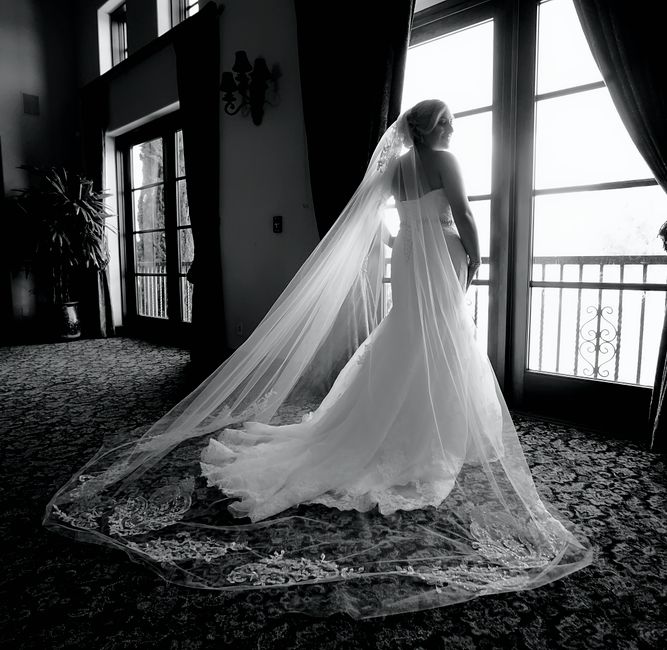
Wedding veil ideas can feel overwhelming the moment you start scrolling, because a single search turns up a dozen lengths, three or four edge finishes, and an entire vocabulary of terms like blusher, drop, and pencil edge that nobody explains clearly. The veil is one of the few pieces that moves with you throughout the day, catching light during the processional, framing your face at the altar, and showing up in nearly every photograph, so it is worth understanding your options before you buy.
The right choice depends on more than personal taste. Your dress silhouette, the formality of your venue, your hairstyle, and even the length of your train all shape which veil looks intentional rather than accidental. A cathedral veil can overwhelm a simple slip dress in a barn, while a short blusher can look underdressed against a heavily beaded ballroom gown.
The good news is that veils are one of the most affordable pieces of bridal attire to shop for online. Well-made options run anywhere from twenty to sixty dollars, a fraction of boutique pricing, which means you can experiment with length and style without a major financial commitment.
Season and setting are worth factoring in too. An outdoor ceremony with any real breeze can turn a long cathedral veil into a wrestling match mid-vow, while an indoor ballroom gives you full control over how the fabric falls and drapes for photos. If you are set on a longer length for an outdoor wedding, plan for a friend or planner to help manage it during windy moments, or ask your seamstress about weighted hems that keep tulle grounded.
This guide walks through the main veil lengths, explains the two-tier and blusher trends shaping 2026 weddings, breaks down edge finishes, and covers how to attach, style, and care for whichever veil you choose.
How to Choose the Right Wedding Veil Length
Veil length is measured from the top of your head, where the comb sits, down to where the fabric ends, and each length creates a distinct visual effect. A blusher or birdcage veil sits at the shoulders or above, a shoulder or elbow veil falls around 25 to 30 inches, a fingertip veil measures roughly 38 to 42 inches and grazes your hands at your sides, a waltz or ballet veil reaches mid-calf, a chapel veil flows to the floor around 90 inches with a soft trail, and a cathedral veil extends 108 to 120 inches, trailing well past most trains for a dramatic, sweeping effect.
Start with your dress. A gown with a long train generally calls for a chapel or cathedral veil so the proportions feel balanced, while a tea-length or simple sheath dress usually pairs better with a shorter fingertip or elbow veil that does not compete with the hemline. Venue formality matters too: cathedral veils suit churches, ballrooms, and formal estates, while fingertip and blusher styles feel more at home at rustic, garden, or beach weddings where you need to move freely. If you plan to dance, walk on sand, or navigate stairs without help, a shorter veil or a detachable tier will save you from constant maneuvering.
Cathedral and Chapel Veils: A Dramatic, Traditional Entrance
Cathedral and chapel veils remain the go-to choice for brides who want their entrance to feel like a genuine moment. The extra length catches air as you walk, drapes elegantly behind a train, and photographs beautifully from the back of a church or ballroom aisle. These longer veils work best when a bridesmaid or family member can help arrange the fabric before you start walking, since fabric this long needs a beat of styling to fall correctly.
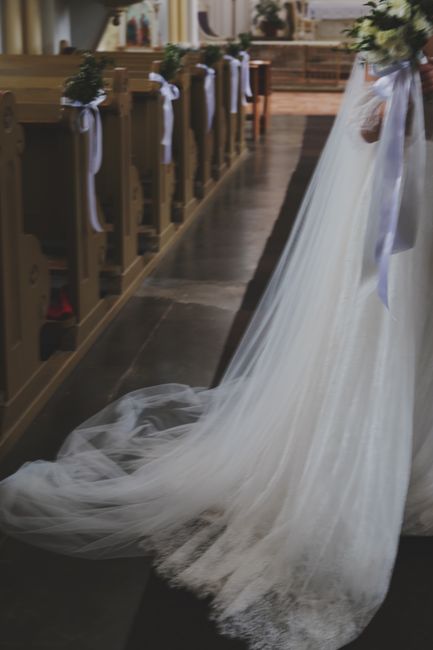
A reliable starting point is the Aukmla Cathedral Wedding Veil, a single-tier ivory veil with corded lace trim and a metal comb for around $25 to $35. It measures close to 106 inches, giving you real cathedral drama without the four-figure price tag some boutiques charge for a comparable length.
Fingertip Veils: The Most Versatile Bridal Choice
Fingertip veils are worn more than any other length, and for good reason. Falling right around your hands when your arms rest naturally at your sides, they read as fully bridal without the logistics of a long train sweeping behind you. They work with nearly every dress silhouette, from mermaid to A-line to a simple slip, and they are easy to lift, dance in, and travel with, which matters if you are packing a veil for a destination wedding.
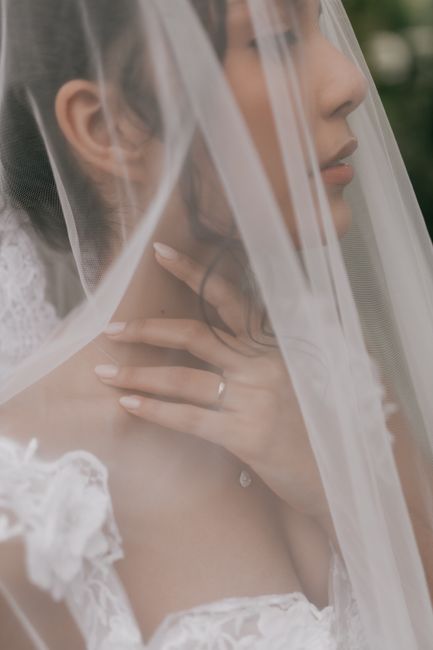
Many fingertip veils now come with a built-in blusher layer, giving you two effects in one piece. The XTYPE Fingertip Veil with Blusher is a minimalist two-tier option with a comb attachment for around $18 to $28, and its clean, unadorned tulle suits both modern and classic dress styles equally well.
Elbow and Waltz Veils: Understated Length in Between
Not every bride wants the drama of a cathedral or the simplicity of a short blusher, and the elbow and waltz lengths fill that middle ground well. An elbow veil falls to roughly 25 to 30 inches, just past the elbow, and works nicely under a birdcage-style short jacket or a cropped bolero without getting lost in extra fabric. It reads as polished rather than minimal, making it a common choice for daytime ceremonies and smaller guest lists.
A waltz or ballet veil, landing around mid-calf, sits in the gap between fingertip and chapel length. It gives you noticeably more presence than a fingertip veil in photos taken from a distance, without the floor-length sweep that needs constant attention. Brides who want their veil to register in wide ceremony shots but still move freely on a dance floor often land here, especially for tea-length or midi wedding dresses where a longer veil would visually overwhelm the shorter hemline.
Blusher Veils: The Romantic Face-Covering Trend for 2026
The blusher, a short panel of tulle worn forward over the face during the processional and lifted at the altar, is having a real resurgence in 2026 as more brides lean into old-world romance over minimalism. Traditionally, a father lifts the blusher before giving his daughter away, or a groom lifts it just before the first kiss, and either version still reads as a genuinely touching moment during the ceremony.
A blusher can stand alone as a short, face-framing accent for a courthouse or intimate ceremony, or it can be attached as the front layer of a longer two-tier veil, which gives you the emotional moment of a lift without sacrificing length for photos. If you love the idea of a blusher but do not want a full veil for the reception, look for a style with a detachable comb so you can remove the entire piece cleanly once formal photos wrap.
Two-Tier and Detachable Veils: One Veil, Two Looks
A two-tier veil pairs a shorter blusher layer with a longer main tier, both attached to the same comb, so you get a dramatic ceremony look and an easy transition once the reception starts. Some styles let you unclip just the blusher after the first kiss and keep the longer tier through dinner and dancing, while others are designed to come off entirely, freeing up your hair for a second style change.
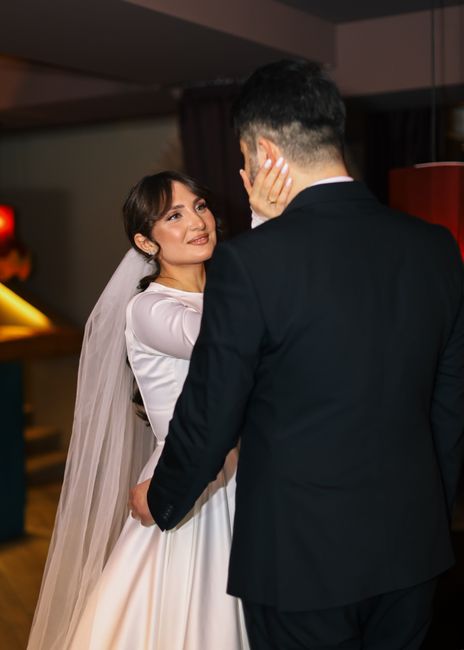
The Unsutuo 2-Tier Fingertip Blusher Veil is a popular budget pick at around $16 to $24, with a pencil edge finish and a comb that holds both layers securely through a full day of wear. Because it ships flat, plan to steam it before the wedding rather than relying on gravity to release the fold lines.
Veil Edges, Trims, and Embellishments to Know
The edge finish changes a veil's whole personality even when the length stays the same. A raw or cut edge is the most modern option, unfinished tulle that falls softly and reads effortless rather than fussy. A pencil edge rolls a thin, barely visible line of thread along the border, giving just enough structure to keep the tulle from fraying without adding visual weight. Satin or ribbon edges bring a classic, formal finish that pairs well with structured ballgowns, while scalloped lace borders lean romantic and vintage.
Beyond the edge itself, look at embellishment placement. Scattered pearls or crystals along the border catch light during an outdoor ceremony, while a solid sheet of unembellished tulle photographs cleanly against a heavily beaded gown so the two do not compete. If your dress already has significant lace or beading, a plain edge veil almost always looks more cohesive than one with matching embellishment.
A few less common finishes are worth knowing too. A corded edge sews a thicker satin cord along the border for a crisper outline that holds its shape in wind. Horsehair or crin trim, a firmer woven ribbon rather than actual horsehair, adds body and a slight flare to the bottom edge, giving the veil more structure than soft raw tulle. If you want your veil's outline to read clearly in photographs taken from a distance, a corded or horsehair edge will hold its line far better than an unfinished cut edge.
How to Attach, Style, and Care for Your Veil
Most veils attach with a metal or plastic comb sewn into the top seam, which you slide into your hair at the crown or slightly toward the back, teeth facing down and against the direction of hair growth so it grips. Updos and half-up styles give the comb the most secure anchor, while fully loose hair benefits from a little texturizing spray first so the comb has something to hold onto. Coordinate placement with your stylist at your trial, and bring the actual veil rather than describing it, since comb position shifts the whole silhouette.
Practice walking, sitting, and turning your head in the veil before the day itself, ideally during your final dress fitting. This is when you will notice if a longer length needs a bustle-style loop for the reception or if the comb needs repositioning to avoid tugging your hairstyle loose. For outdoor ceremonies, ask whoever is walking behind you, a parent, planner, or attendant, to do a quick visual check before you start down the aisle, since a twisted or bunched veil is hard to feel yourself but easy for someone else to spot and smooth.
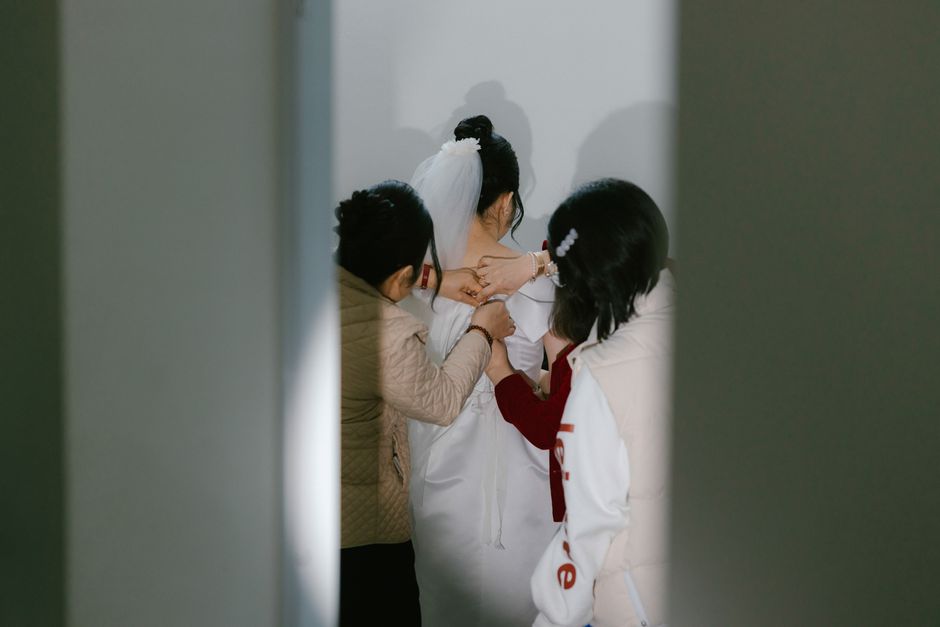
Build veil placement into your actual getting-ready timeline rather than treating it as an afterthought. Attaching, adjusting, and photographing the veil takes longer than most brides expect, so block real time for it in your wedding morning routine instead of squeezing it in between hair and the car ride to the ceremony.
Veils ship folded and almost always arrive with visible crease lines, so plan to steam yours two or three days before the wedding rather than the morning of. A compact option like the Aicok Mini Travel Garment Steamer, priced around $20 to $30, heats up in under a minute and is gentle enough for delicate tulle without the scorch risk of a full iron. Store the veil hanging or loosely rolled in a garment bag afterward, never refolded along the same lines, so it stays smooth for photos.
Wedding Veil FAQ
- What is the most popular wedding veil length?
Fingertip veils, measuring roughly 38 to 42 inches, are the most commonly worn length because they suit nearly every dress silhouette and venue while remaining easy to move and dance in. They read as fully bridal without the logistics that come with a longer cathedral or chapel train.
- Do I need to wear a veil if my wedding is not traditional?
No. A veil is optional, and plenty of brides choose a statement hair accessory, a floral crown, or nothing at all instead. If you like the visual weight a veil adds to photos but not the formality, a short blusher or a simple fingertip style can add polish without feeling overly traditional.
- Should my veil match my dress color exactly?
It should come close, but it does not need to be an identical shade. Bring a swatch of your dress fabric when shopping, since ivory, champagne, and diamond white veils all read differently in photos, and a noticeable mismatch is more visible under flash than in person.
- How do I attach a wedding veil to my hair?
Slide the comb into your hair at the crown or slightly back, teeth facing down against the direction of growth, then cross a bobby pin underneath for extra hold. Updos and half-up styles anchor combs most securely, while loose hair needs a little texturizing product first so the comb has grip.
- Can I wear a veil with a hair accessory like a comb or vine?
Yes, and it is one of the most popular combinations. Position your hair accessory just below the veil comb so both sit together cleanly, and choose a piece that looks finished on its own for after the veil comes off. For more pairing ideas, see this guide to bridal hair accessories.
- How much should I budget for a wedding veil?
Well-made veils from online retailers typically run $16 to $40 depending on length and embellishment, compared to $150 to $500 or more at bridal boutiques. Cathedral and heavily beaded styles sit at the top of that range, while simple fingertip and blusher veils are the most affordable places to start.